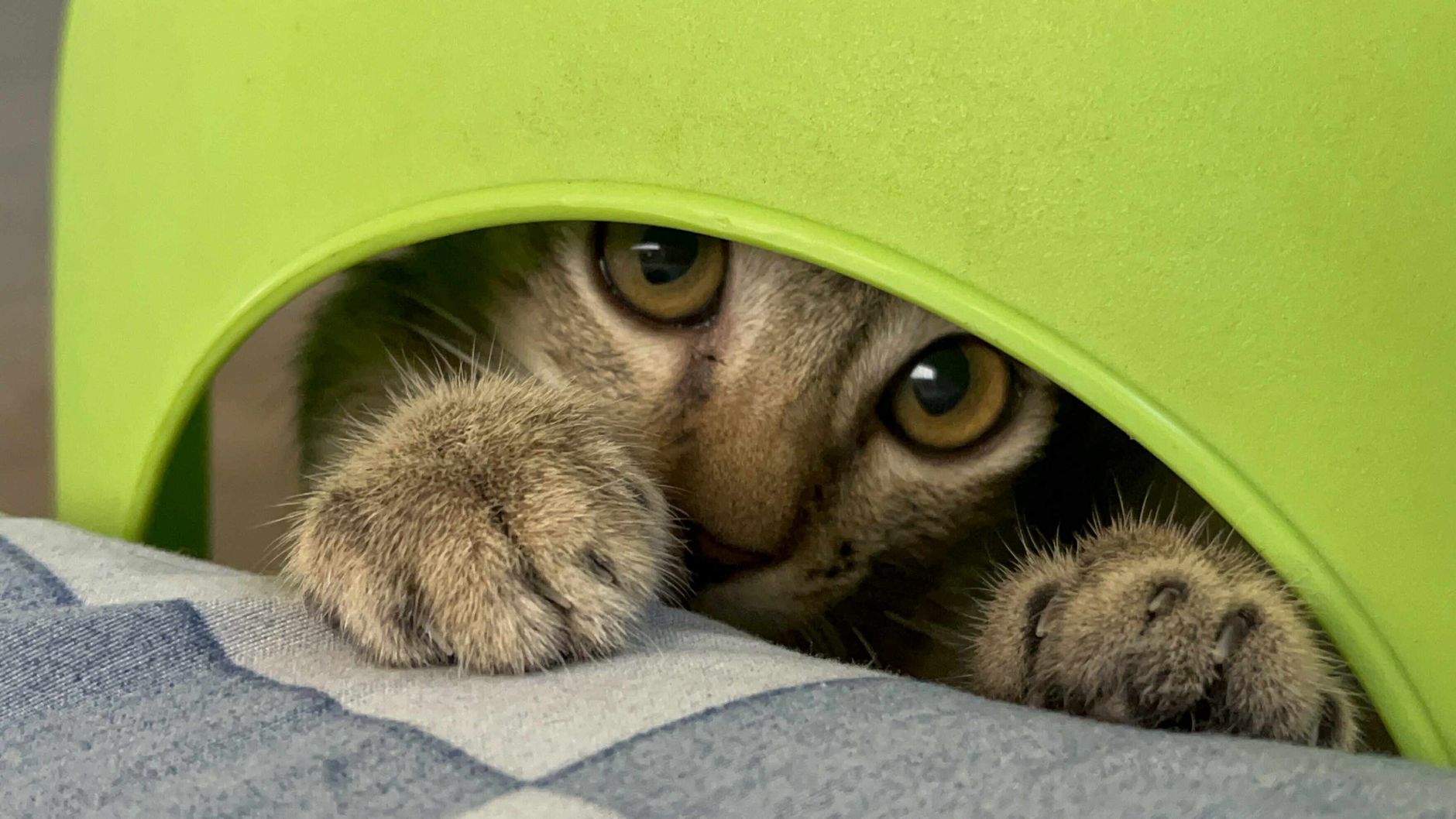
No, it is not safe for cats to skip meals. Cats have a fast metabolism that requires regular food intake to maintain their health and energy levels. Unlike some animals that can go extended periods without eating, cats face serious health consequences within just 24 to 48 hours of missing meals. A cat that stops eating—whether from stress, illness, or behavioral changes—can develop hepatic lipidosis (fatty liver disease) surprisingly quickly, a condition that can become life-threatening if not addressed promptly.
The reason cats are so vulnerable to meal skipping relates to their biology. Cats are obligate carnivores with metabolic pathways adapted to process protein regularly. When they go too long without food, their liver begins breaking down fat stores in an abnormal way, leading to a buildup of fat in liver tissue. Even an overweight cat can develop this condition, and the damage can occur within days rather than weeks.
Table of Contents
- How Long Can Cats Actually Survive Without Food?
- What Happens When Cats Skip Meals
- Recognizing When Your Cat Is Skipping Meals
- Setting Up a Feeding Schedule That Works
- Medical Reasons Behind Meal Skipping
- What to Do When Your Cat Stops Eating
- Different Feeding Needs Across Life Stages
- Frequently Asked Questions
How Long Can Cats Actually Survive Without Food?
While a cat might physically survive 7 to 10 days without any food, dangerous metabolic changes begin much sooner. Most cats start showing signs of illness within 24 to 48 hours of not eating, and organ damage can begin within that same timeframe. Hepatic lipidosis can develop in as little as 2 to 3 days of complete fasting, making time a critical factor.
Compare this to some other domestic animals: dogs can typically manage longer stretches without eating and show fewer metabolic complications from short-term fasting, but cats are designed for frequent, smaller meals that their ancestors would have consumed as hunters catching prey multiple times per day. The vulnerability is especially pronounced in overweight or obese cats. A heavier cat might seem like it has energy reserves, but the liver’s fat-processing system doesn’t work that way. Paradoxically, an overweight cat can develop hepatic lipidosis faster than a lean cat because of how their body mobilizes fat during starvation or fasting.
What Happens When Cats Skip Meals
Hepatic lipidosis is the primary concern when cats stop eating, but it’s not the only consequence. The condition occurs when the liver is overwhelmed with fat and can’t process it efficiently, leading to liver dysfunction, jaundice, and in severe cases, liver failure. Affected cats may appear lethargic, stop grooming, vomit, or develop a yellowish tint to their skin or gums. The disease can be reversed if caught early and the underlying cause is treated, but it requires veterinary intervention and may involve appetite stimulants, force-feeding, or feeding tubes.
Beyond hepatic lipidosis, a cat skipping meals experiences rapid drops in blood sugar and muscle loss. Cats begin losing muscle mass within days of not eating, which weakens them further and extends recovery time even after they resume eating. One important limitation to understand: not all cats develop hepatic lipidosis at the same rate. Senior cats, cats with diabetes, and cats with other metabolic conditions are at higher risk and can decline faster. Indoor cats that are very sedentary may also develop complications more rapidly than active cats.
Recognizing When Your Cat Is Skipping Meals
Owners don’t always realize their cat has stopped eating regularly because cats can hide their distress effectively. A key sign is whether food is disappearing from the bowl at normal rates—if your cat usually eats wet food quickly but suddenly leaves it untouched for hours, that’s a red flag. You may also notice behavioral changes: a cat that normally greets you during meal times becomes disinterested, or a social cat becomes withdrawn and hides more than usual. Physical signs develop as skipping meals continues.
Weight loss becomes visible within days, especially in the face and ribs. A cat’s coat may appear dull and unkempt because they’ve stopped self-grooming. Some cats develop a slightly swollen abdomen or develop visible hip and spine bones. If your cat vomits undigested food or bile repeatedly, refuses even highly palatable treats, or shows no interest in hunting or playing, these are signs that something is affecting its appetite, and a veterinary visit is warranted immediately.
Setting Up a Feeding Schedule That Works
Rather than leaving food available all day (free feeding), establishing set meal times helps you monitor your cat’s eating habits and prevents the habits that lead to meal skipping. Most adult cats thrive on two meals per day, spaced 8 to 12 hours apart. This schedule mimics the natural hunting pattern of wild felines and keeps their metabolism stable throughout the day.
The tradeoff between free feeding and scheduled meals is worth understanding. Free feeding is convenient for owners and doesn’t require monitoring, but it makes it harder to notice when a cat stops eating and contributes to obesity in many cats. Scheduled feeding requires more attention from the owner but gives you immediate visibility into appetite changes and portion control. Some cats do better with three meals per day, especially kittens, senior cats, or cats with certain health conditions—this is something a veterinarian can recommend based on your cat’s individual needs.
Medical Reasons Behind Meal Skipping
Cats often skip meals because of underlying medical or dental issues, not because they’ve decided to fast. Dental disease, including tooth decay and gum inflammation, makes eating painful and causes many cats to avoid food or eat very slowly. Hyperthyroidism, kidney disease, diabetes, and urinary issues can all suppress appetite. Stress and environmental changes—moving to a new home, introducing a new pet, changes in routine—can also cause cats to stop eating temporarily.
A critical warning: if your cat has skipped meals for more than 24 hours, this is a veterinary emergency, especially if the cat is also vomiting, lethargic, or showing jaundice. Some cats will resume eating once a stressor is removed or once pain is treated with medication, but you cannot assume the cat will self-correct. An underlying condition could be serious and worsening while you wait. Stress-induced appetite loss might resolve on its own, but it also might mask something more serious like an infection or blockage.
What to Do When Your Cat Stops Eating
If your cat hasn’t eaten for more than 12 hours, contact your veterinarian. Before the appointment, have information ready: when the cat last ate normally, any other symptoms you’ve noticed, whether anything in the environment has changed recently, and whether the cat is on any medications.
Your vet will perform bloodwork and possibly imaging to rule out hepatic lipidosis, kidney disease, urinary blockage, and other serious conditions. While waiting for an appointment, you might try offering highly palatable foods—warming wet food slightly to release aromas, offering plain boiled chicken, or trying a different food texture. If the cat shows any signs of distress, vomiting, or extreme lethargy, don’t wait—seek emergency veterinary care immediately.
Different Feeding Needs Across Life Stages
Kittens, adult cats, and senior cats have very different nutritional requirements and feeding schedules. Kittens under 6 months should eat three to four times per day to support their rapid growth and high energy needs; skipping meals is even more dangerous for them because their small bodies have minimal energy reserves. Adult cats thrive on two meals daily.
Senior cats (over 10 years old) may benefit from three smaller meals to support digestion and maintain muscle mass, and they’re also at higher risk of developing serious complications if they skip meals due to age-related changes in metabolism and organ function. Kittens can become hypoglycemic within just a few hours of not eating, making meal consistency critical during their growth phase. A senior cat with chronic kidney disease faces additional risks from appetite loss because the disease itself can suppress appetite, creating a dangerous cycle. You cannot apply the same feeding approach to all age groups—what works for an adult cat may not be adequate for a kitten or appropriate for a senior cat with health complications.
Frequently Asked Questions
Can I leave dry food out all day for my cat?
Free feeding makes it harder to notice when your cat stops eating and contributes to obesity. Scheduled meals are safer because they help you monitor appetite and prevent overfeeding.
My cat skipped breakfast. Is this an emergency?
One missed meal isn’t an immediate emergency, but if your cat doesn’t eat for 24 hours or shows other symptoms like vomiting or lethargy, call your vet.
How do I know if my cat is eating enough?
Monitor daily food consumption, your cat’s weight and body condition, energy level, and coat quality. A cat eating normally will finish meals promptly and maintain consistent weight.
Can cats fast intermittently like people do?
No. Intermittent fasting is not appropriate for cats—their metabolism requires regular meals and they lack the metabolic flexibility to handle fasting periods safely.
Why is hepatic lipidosis so dangerous?
It develops quickly, damages liver function, and can cause life-threatening liver failure if untreated. Early intervention is critical for recovery.
What should I feed my cat if it’s refusing regular food?
Offer high-protein alternatives like plain boiled chicken, warming wet food to enhance smell, or trying a different food brand. If the cat refuses all foods for more than 12 hours, see a vet.