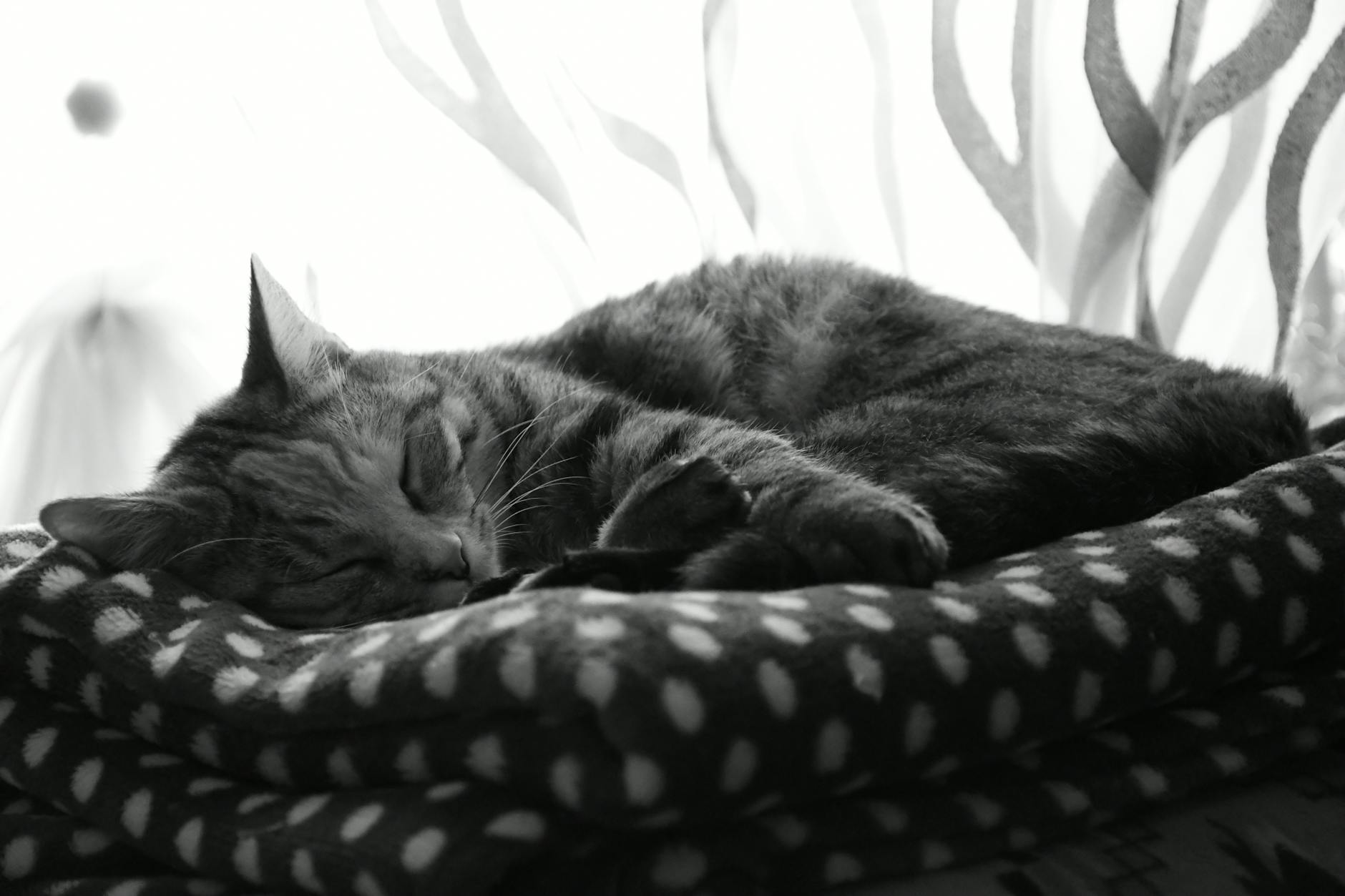
Yes, it is generally safe for cats to sleep under blankets, but safety depends on several factors including your cat’s temperament, the blanket type, and environmental conditions. Most healthy adult cats can safely use blankets for warmth and security, and many actively seek out cozy blankets for sleeping. For example, a cat might burrow under a lightweight cotton blanket on a cool evening without any issues, enjoying both the warmth and the enclosed space that provides comfort.
However, not all cats and not all blankets are equally safe. Very young kittens, senior cats with respiratory issues, overweight cats prone to overheating, or those with anxiety that leads to panicking in enclosed spaces may face genuine risks. The safety of blanket sleeping also depends on whether your cat has easy access to exit, the weight of the blanket material, and your home’s ambient temperature.
Table of Contents
- Why Do Cats Love Sleeping Under Blankets?
- Temperature Regulation and Overheating Risks
- Individual Cat Personality and Medical Considerations
- Best Practices for Safe Blanket Sleep
- Suffocation and Entanglement Hazards
- Recognizing Signs of Distress
- Environmental Considerations and Ongoing Safety
- Conclusion
- Frequently Asked Questions
Why Do Cats Love Sleeping Under Blankets?
cats are drawn to blankets for both practical and psychological reasons. Blankets provide warmth, which appeals to cats’ natural instinct to seek out warm spaces where they can conserve body heat. Since cats naturally prefer temperatures between 86 and 97 degrees Fahrenheit, a cozy blanket can help them maintain their core body temperature without expending extra energy—something particularly important for indoor cats that may not have the same temperature regulation demands as outdoor cats. Beyond warmth, blankets create a den-like environment that cats find psychologically comforting. This behavior stems from their wild ancestors, who sought enclosed spaces for security and protection.
A cat sleeping under a blanket experiences a sense of being hidden and protected, which can reduce stress and anxiety. Many cat owners report that their anxious cats become visibly more relaxed when given access to blanket dens, compared to sleeping openly on the couch. The tactile experience also matters. Cats enjoy the feel of soft textures against their fur, and different blanket materials provide different sensations. A fluffy knit blanket feels distinctly different from a smooth cotton sheet, and individual cats often develop preferences for specific textures.

Temperature Regulation and Overheating Risks
The primary safety concern with blanket sleeping is the risk of overheating, particularly for cats in warm climates or during hot seasons. Unlike humans, cats cannot easily regulate their body temperature through sweating; they rely on panting and seeking cool surfaces. If a cat becomes trapped or stays too long under a heavy blanket in a warm room, their body temperature can rise dangerously. Overheating in cats can lead to heat stress or heat stroke, with symptoms including excessive panting, drooling, lethargy, and in severe cases, collapse or seizures. Certain cat populations are at higher risk.
Overweight cats, cats with thick double coats like Persians or Maine Coons, and cats with flat faces like Siamese or Bengals may struggle more with temperature regulation. Additionally, kittens under 8 weeks old don’t thermoregulate effectively yet, and senior cats (over 10 years old) may have diminished ability to manage temperature changes. These cats require more careful blanket supervision, with lighter materials and shorter exposure times being safer choices. The weight and breathability of the blanket material directly impacts overheating risk. A heavy wool blanket poses more risk than a lightweight cotton one. If you provide blankets during warm months, choose breathable options like thin cotton or linen, and ensure your cat has easy escape routes and access to cool areas nearby.
Individual Cat Personality and Medical Considerations
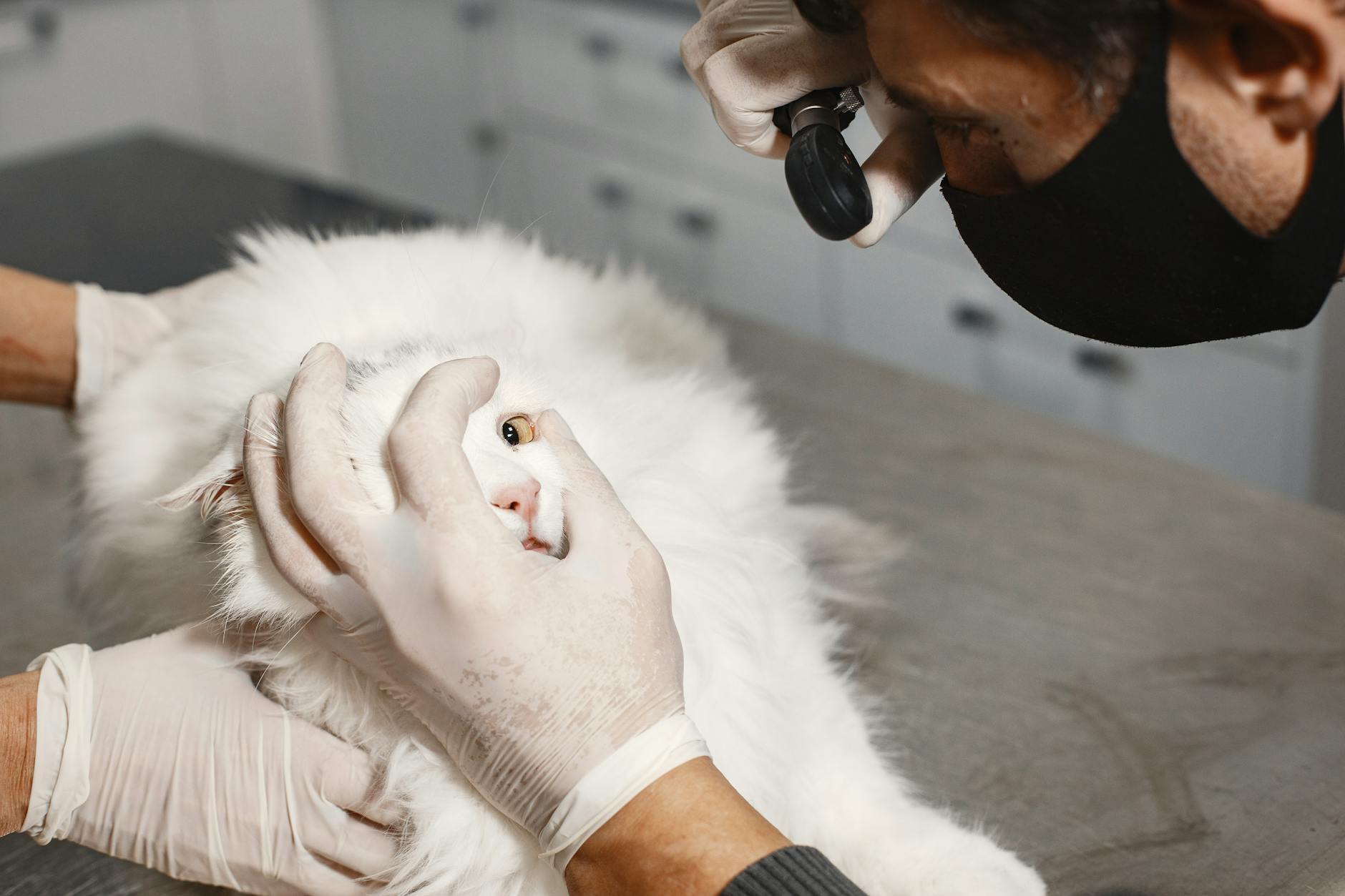
Not every cat enjoys or safely tolerates sleeping under blankets, and individual differences can be substantial. Some cats are naturally claustrophobic and panic when partially covered, thrashing to escape and potentially injuring themselves in the process. These cats actively avoid enclosed spaces and should never be encouraged to sleep under blankets. Observing your cat’s natural behavior—whether they voluntarily seek out covered spaces like boxes, closets, or low furniture—can indicate whether blanket dens appeal to them. Cats with respiratory conditions, including asthma, chronic upper respiratory infections, or other breathing issues, face increased risk from blanket use.
If your cat has any diagnosed respiratory condition, consult your veterinarian before allowing blanket sleeping, as reduced air circulation or stress from feeling enclosed can trigger breathing difficulties. Similarly, cats recovering from surgery or anesthesia should avoid blankets until fully recovered, as impaired movement can make escape difficult if they become uncomfortable. Age significantly affects blanket safety. Newborn kittens rely on their mother and littermates for warmth and typically don’t need blankets. Elderly cats with arthritis or mobility issues may struggle to escape from under a blanket if they become uncomfortable, potentially resulting in panic or injury.
Best Practices for Safe Blanket Sleep
If your cat enjoys blankets and has no medical contraindications, certain practices maximize safety. Provide lightweight blankets made from breathable natural fibers like cotton or linen, avoiding heavy synthetic materials or wool. Position the blanket in a way that allows easy entry and exit—drape it over furniture rather than tucking it tightly, or create a loose blanket nest rather than a fully enclosed burrow. Monitor environmental temperature carefully. In summer months, blankets should be very lightweight and available primarily during cooler mornings or evenings, not during the day.
In winter, you can use heavier blankets, but ensure your home’s temperature remains moderate and your cat has access to cool areas when needed. A useful comparison: provide the same types of blankets you’d use for yourself in the same room conditions. If you’re comfortable without blankets, your cat likely is too. Regularly check on your cat sleeping under blankets, especially during the first few times you introduce this behavior. Look for signs of overheating like heavy panting, lethargy, or restlessness. Establish a habit of leaving blankets loosely arranged rather than creating tight dens, giving your cat simple psychological comfort without physical confinement.
Suffocation and Entanglement Hazards
While rare with appropriate blankets, suffocation remains a theoretical risk, particularly with very young kittens or blankets with loose weaves. Kittens can become inadvertently smothered if a blanket shifts and blocks their airway, or if they burrow too deeply into dense material. Additionally, blankets with frayed edges, loose threads, or decorative elements like buttons or tassels pose entanglement risks—kittens may chew on these elements, leading to intestinal blockages if ingested. Blankets weighted down by your cat’s body weight as it sleeps can also prevent escape if the cat becomes startled or uncomfortable.
A cat that suddenly panics under a heavy blanket might struggle to extract itself quickly enough, potentially causing injury or triggering a learned fear response that makes future blanket use unsafe. This risk is why loose draping or nest-style arrangements are safer than fully covered enclosures. The material composition matters greatly. Avoid blankets with loose fibers, cheap synthetic materials that shed easily, or novelty items with attached decorations. High-quality natural fiber blankets are safer and will hold up better to your cat’s claws without tearing into potentially dangerous loose strands.
Recognizing Signs of Distress
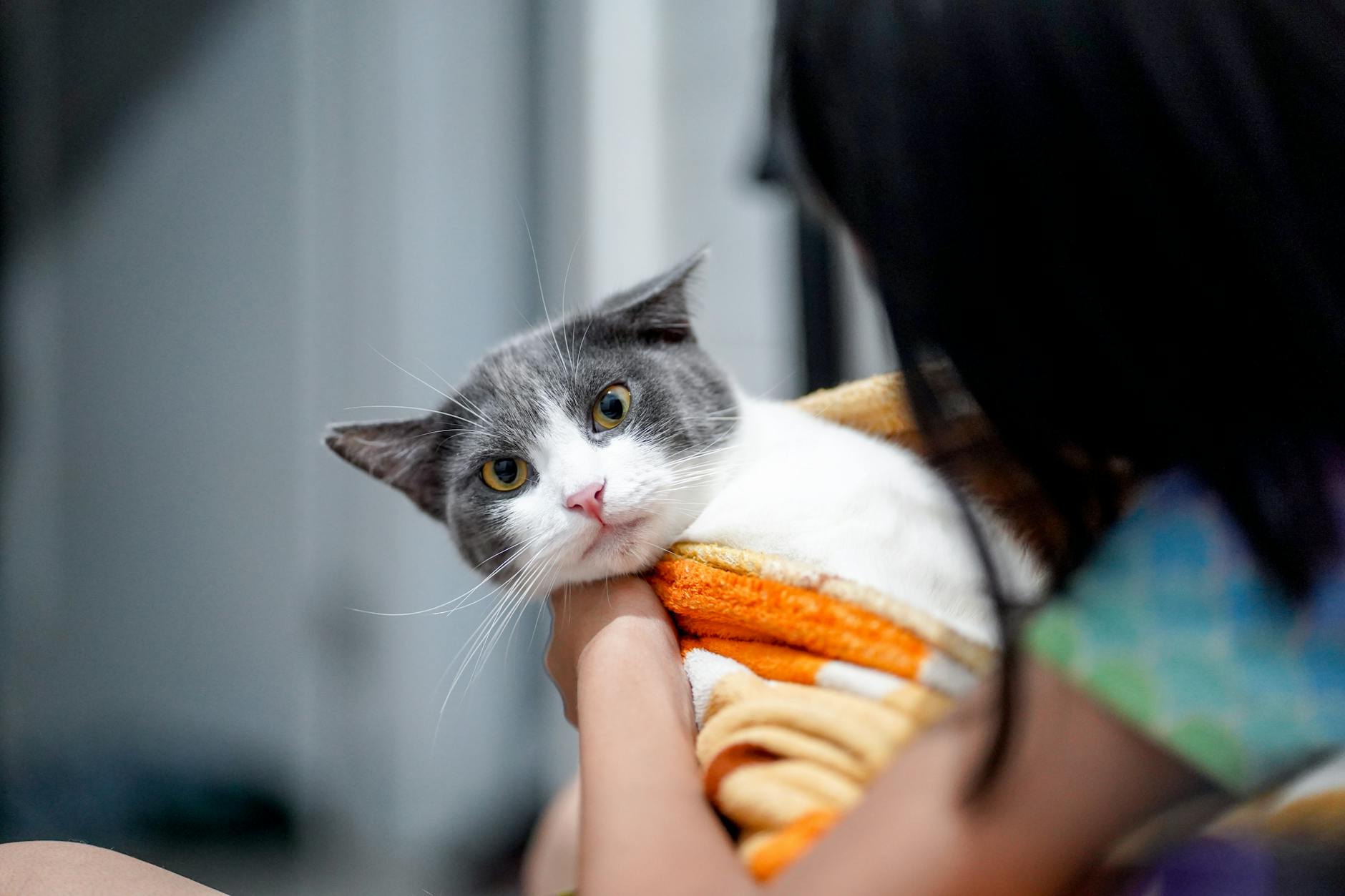
Understanding your cat’s communication is essential when allowing blanket sleeping. A cat experiencing heat stress or anxiety under a blanket will show visible signs of distress: ears flattened, eyes dilated, rapid tail movements, or attempts to flee. Some cats may freeze rather than flee, appearing paralyzed under the blanket; this is not contentment but rather a fear response that suggests blankets are making them anxious.
On the other hand, a cat truly enjoying blanket sleep will appear relaxed with slow blinks, a loosely curved tail, and voluntary return to the blanket spot. The difference between comfort and stress is visible in ear position, muscle tension, and overall body language. If you notice your cat shows any signs of distress around blankets—avoiding them, hissing, or bolting out—discontinue blanket access immediately.
Environmental Considerations and Ongoing Safety
As climate change brings warmer temperatures to many regions, cats’ heat tolerance becomes an increasingly important consideration. In future summers, even cats who previously slept comfortably under blankets may find blankets unsafe. This shift means regularly reassessing blanket safety based on seasonal and yearly temperature patterns rather than assuming year-round comfort.
The long-term safety of blanket sleeping depends on maintaining awareness of your cat’s changing needs. Senior cats that previously enjoyed blankets may develop health issues affecting temperature regulation. Conversely, young kittens that weren’t allowed blankets may develop preferences for them as adults. Periodically observing your cat’s behavior, environmental temperature, and any changes in health status ensures blanket safety remains optimized throughout your cat’s life.
Conclusion
Most cats can safely sleep under blankets when you select appropriate materials, monitor temperature, and respect your individual cat’s preferences and medical status. The key to safe blanket sleeping is recognizing that each cat is different and that blanket safety depends on multiple factors working together: proper blanket type, reasonable environmental temperature, easy escape routes, and honest observation of your cat’s comfort level.
Before establishing blanket sleeping as a routine, observe your cat’s natural behavior to determine whether they naturally seek enclosed spaces and appreciate den-like environments. If your cat enjoys blankets and shows no signs of overheating, claustrophobia, or medical risk factors, light to medium-weight breathable blankets can provide genuine comfort and security. However, remain vigilant about seasonal temperature changes, watch for any behavioral shifts toward anxiety or stress, and don’t hesitate to remove blanket access if your cat’s circumstances change.
Frequently Asked Questions
Can kittens sleep under blankets?
Very young kittens (under 8 weeks) should not sleep under blankets, as they cannot thermoregulate effectively and risk overheating or suffocation. Older kittens (8+ weeks) can sleep under lightweight blankets with adult supervision, provided they show interest and no signs of distress.
How do I know if my cat is overheating under a blanket?
Signs include excessive panting, drooling, lethargy, restlessness, or sudden attempts to escape the blanket area. A cat’s normal resting respiratory rate is 20-30 breaths per minute; panting exceeding this suggests overheating.
What type of blanket is safest for cats?
Lightweight natural fiber blankets like cotton or linen are safest, as they provide warmth without trapping heat. Avoid heavy wool, thick synthetics, or blankets with loose fibers, decorative elements, or frayed edges.
Is blanket sleeping safe for senior cats?
Senior cats with mobility issues may struggle to escape from under blankets if they become uncomfortable. Consult your veterinarian about blanket safety if your senior cat has arthritis, respiratory issues, or other age-related health conditions.
Can blankets cause anxiety in cats?
Yes, for some cats, blankets create claustrophobia rather than comfort. If your cat avoids blankets, attempts to escape from them, or shows signs of stress, respect this preference and don’t force blanket sleeping.
Should I provide blankets during summer?
Only offer very lightweight, breathable blankets during summer, and only during cooler parts of the day like early morning or evening. In hot climates, cats may not need blankets at all during warm months.