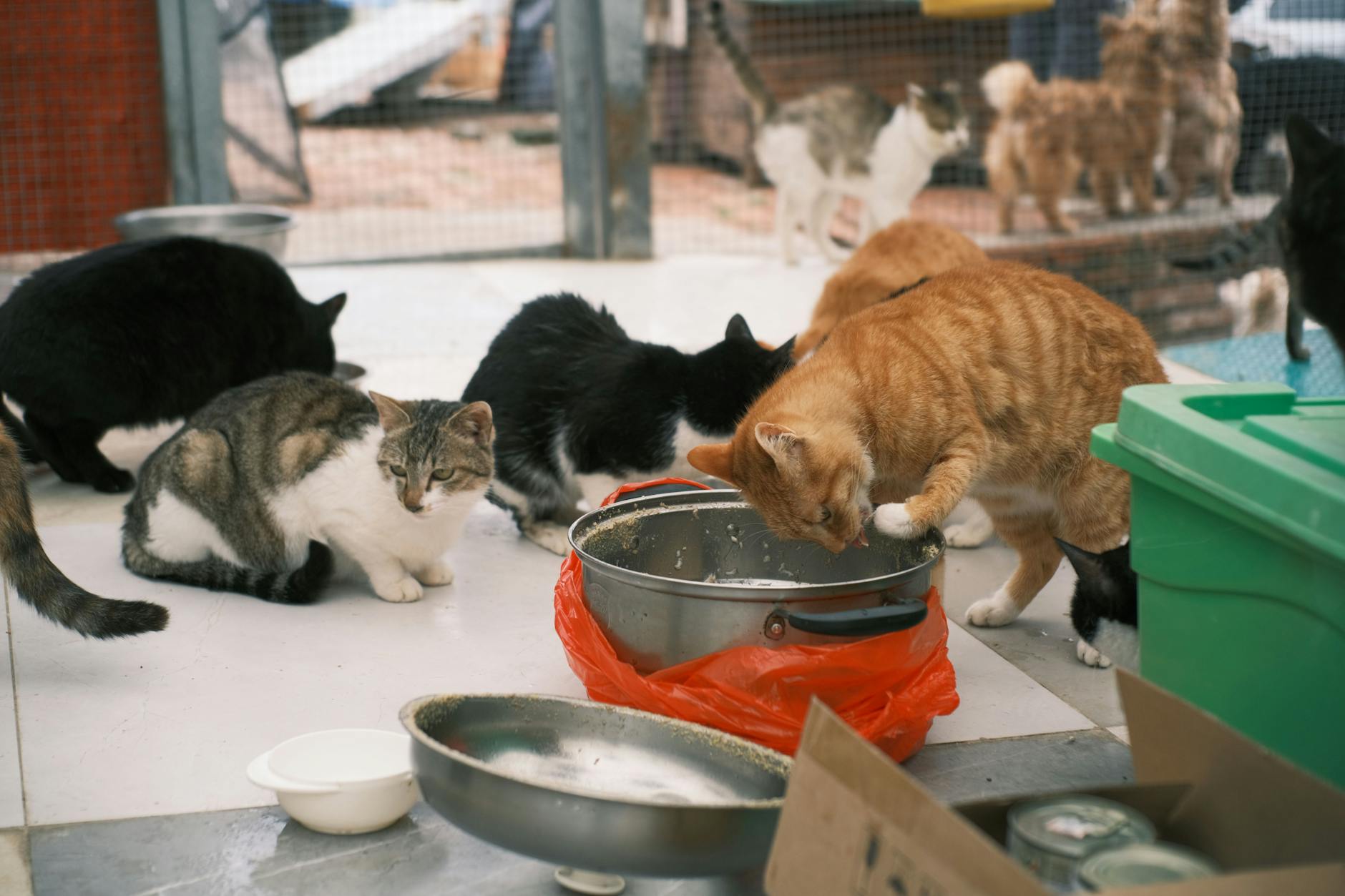
No, it is not safe to share dishware with cats if you are immunocompromised. Your weakened immune system cannot defend against pathogens that would cause minimal problems in a healthy person, and cat saliva and feces contain multiple zoonotic bacteria and parasites that can cause serious infections. Even a casual mealtime arrangement—using the same bowl or plate a cat has eaten from—introduces real health risks that medical professionals specifically warn against.
The concern goes beyond simple food poisoning. Cats commonly carry salmonella, Campylobacter, Cryptosporidium, Bartonella (the bacterium behind cat scratch disease), and Toxoplasma gondii. A single shared bowl increases your exposure to these organisms. For immunocompromised individuals—whether managing HIV, cancer treatment, chronic illness, or organ transplant status—these infections can escalate from uncomfortable to life-threatening.
Table of Contents
- What Zoonotic Infections Can Cats Transmit Through Shared Dishware?
- Understanding Biofilm: Why Regular Cleaning Isn’t Enough on Pet Dishes
- How Does Cat Saliva and Feces Lead to Human Infection When Dishes Are Shared?
- Safe Dishware Practices for Immunocompromised Cat Owners
- Special Considerations for Immunocompromised Individuals Living With Cats
- Cat Hygiene and Your Protection
- Creating a Sustainable Safe Cohabitation Plan
- Conclusion
What Zoonotic Infections Can Cats Transmit Through Shared Dishware?
cats are natural carriers of multiple pathogens dangerous to humans, and several of these are transmitted directly through saliva and oral contact. Salmonella causes severe gastrointestinal infection with symptoms that last weeks and can lead to septicemia in immunocompromised people. Campylobacter, another common cat bacterium, causes similar intestinal distress but can also trigger long-term complications like reactive arthritis.
Cryptosporidium, a parasite spread through feces, causes chronic diarrhea that can become debilitating for someone with a compromised immune system. Beyond the intestinal threats, cat scratch disease (caused by Bartonella henselae) transmits primarily through bites and scratches, but any break in your skin exposed to cat saliva creates risk. Toxoplasmosis, caused by the Toxoplasma gondii parasite, is particularly dangerous for pregnant women and immunocompromised patients, capable of causing serious complications including eye infections and brain inflammation. The risk is not theoretical—these infections appear regularly in immunocompromised populations with known exposure to cats.

Understanding Biofilm: Why Regular Cleaning Isn’t Enough on Pet Dishes
Bacteria on pet dishes don’t exist as isolated cells; they form biofilms—complex communities of bacteria and fungi protected by a sticky matrix that resists normal cleaning. Biofilms are dramatically harder to eliminate than planktonic (free-floating) bacteria because the protective layers shield inner organisms from soap, water, and even antimicrobial products. A dish that looks clean to the naked eye may harbor an active biofilm colony thriving beneath the surface. This presents a particular problem for shared dishware.
When you wash a plate that held cat food in standard hot water and soap, you remove surface debris and free bacteria, but biofilms can survive the cycle. The next time that bowl touches your mouth or food, you’re reintroducing these resistant bacterial communities. For someone with full immune function, the consequences may be minimal. For an immunocompromised person, a surviving biofilm represents a direct pathway to serious infection. The limitation of home dishwashing—even thorough dishwashing—is that it cannot guarantee complete biofilm elimination without aggressive, repeated cleaning or commercial sanitization.
How Does Cat Saliva and Feces Lead to Human Infection When Dishes Are Shared?
Transmission happens through direct contact between cat oral secretions, fecal matter on paws, and your mouth or food. A cat uses a shared bowl, leaving behind saliva containing bacteria. You use the same bowl the next day after a quick rinse. The pathogens survive the rinse because they colonize surface crevices and bowl ridges where water doesn’t reach or biofilms protect them.
When your food or lips contact the dish, you ingest or inhale these organisms. The transmission risk escalates with immunocompromise because your body lacks the immune cell reserves to mount a quick defensive response. In a healthy person, stomach acid and white blood cells might eliminate a small bacterial load before illness develops. In someone immunocompromised—whether from medication, disease, or medical devices like catheters that bypass normal immune barriers—the same exposure can establish a full infection. A real-world example: immunocompromised patients undergoing chemotherapy have documented cases of salmonella infections traced to shared pet feeding arrangements, infections that required hospitalization and weeks of antibiotic therapy.

Safe Dishware Practices for Immunocompromised Cat Owners
The solution is straightforward: maintain completely separate dishes for cats and humans. Use dedicated pet bowls that never touch your personal dishware, and store them separately in your kitchen. Regular dishwashing is typically sufficient to prevent disease transmission when proper cleaning is maintained, but this applies only when cat dishes and human dishes are never shared. Wash cat bowls separately from your dishes, preferably with hot water and dish soap, and dry them thoroughly.
The tradeoff of maintaining separate dishes is minimal inconvenience for substantial risk reduction. Some people worry about the extra effort, but compared to the potential of hospitalization from cat-transmitted infection, keeping two sets of bowls is negligible. If you use a dishwasher, wash cat dishes on a separate cycle or hand-wash them to ensure they don’t contaminate your personal dishes during loading or unloading. This approach maintains your cat ownership without introducing unnecessary health risks into your home.
Special Considerations for Immunocompromised Individuals Living With Cats
Immunocompromise exists on a spectrum, and your specific risk level depends on the cause and severity. Someone taking a low-dose immunosuppressant medication faces different risk than someone in active chemotherapy or living with untreated HIV. However, medical guidelines consistently recommend against shared dishware for anyone with known immunocompromise because you cannot predict which infection will prove severe or when an opportunistic pathogen might cause unexpected complications. A limitation of current medical literature is that it often focuses on catastrophic outcomes, but mild infections in immunocompromised people can still escalate into extended illness requiring medical intervention.
Additionally, immunocompromise may be temporary (during specific treatment phases) or changing (medication adjustments, disease progression). Establishing separate dishware as a baseline practice means you’re protected regardless of how your immune status evolves. Some immunocompromised cat owners worry that separate dishes create emotional distance from their pets, but affection and safe cohabitation are entirely compatible. Petting your cat, playing together, and spending time in the same space carry minimal infection risk when basic hygiene practices are in place.

Cat Hygiene and Your Protection
Your cat’s cleanliness matters for household health. Cats that defecate outside the litter box, have diarrhea, or show signs of illness should be evaluated by a veterinarian before regular contact resumes.
Contaminated paws represent a significant transmission pathway—a cat with diarrhea walking across your kitchen counter introduces fecal pathogens directly into food preparation areas. For immunocompromised households, scoop litter boxes daily, wash hands thoroughly after any litter box contact, and consider wearing gloves during this task. If your cat has persistent gastrointestinal symptoms, work with your veterinarian to identify the cause and treat it, both for your cat’s health and your safety.
Creating a Sustainable Safe Cohabitation Plan
Living safely with cats while immunocompromised is entirely achievable through consistent practices that become automatic over time. The key is establishing systems early and treating them as non-negotiable household standards, like washing hands before meals or properly storing food.
Your cat doesn’t know whether a bowl is “theirs” or “yours”—the distinction is purely for your protection. As medical understanding of zoonotic infections evolves and immunotherapy treatments advance, these basic practices will remain relevant regardless of future developments.
Conclusion
Sharing dishware with cats is unsafe if you are immunocompromised, and the risk is not worth the minor convenience of consolidated dishwashing. The infection risks are real, documented, and preventable through straightforward practices: maintain separate dishes, wash cat dishware independently and thoroughly, and establish consistent household hygiene routines.
Medical professionals recommend this approach not to limit your ability to own cats, but because cat ownership and immunocompromise can coexist safely when proper precautions are in place. Your next step should be assigning dedicated bowls to your cat and storing them separately, and discussing your specific immunocompromised status with your physician if you have questions about your personal risk level with any animal contact. These simple changes create a household where you and your cat can share space without the constant low-level infection risk that shared dishware introduces.