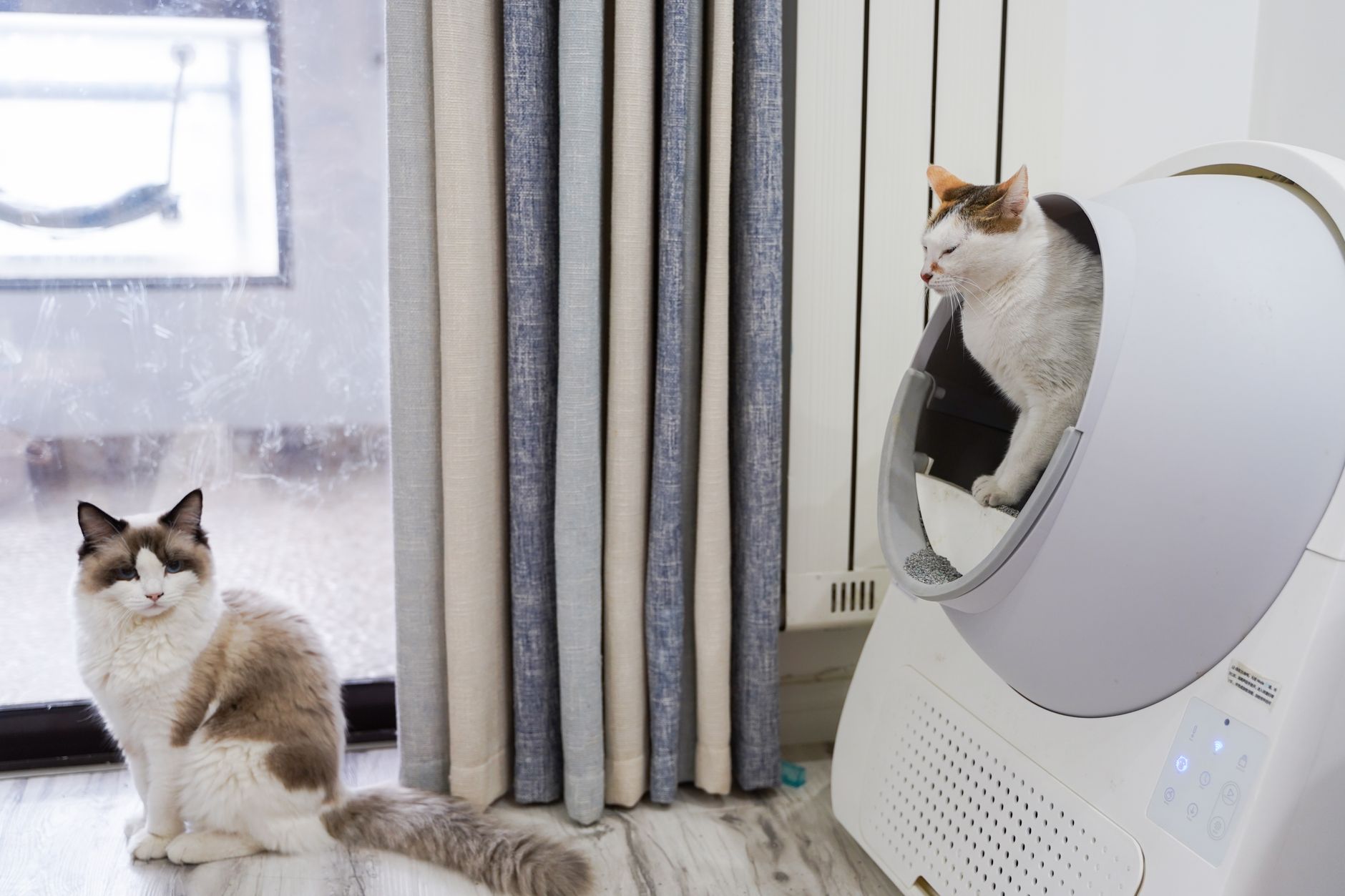
The $499 price point for premium automated cat litter boxes represents a significant investment in feline sanitation, and several models occupy this tier during major shopping events. Based on current market data, Whisker’s Litter-Robot—one of the most recognized premium options—was offered at starting prices around $499 during their February 2026 Valentine’s sale with up to $150 in savings, though the specific Prime Day promotion you’ve referenced does not appear in current search results as an active or verified listing.
Premium automated litter boxes in this price range exist across multiple retailers, particularly on Amazon, where self-cleaning models are featured in the Best Sellers category for pet supplies. The $499 threshold bridges consumer-grade and premium-grade automatic litters, placing it at the upper end of what most cat owners consider without additional incentive. Promotions at this price point typically require either a sale event, bundled accessories, or extended warranty packages to justify the cost reduction from original retail.
Table of Contents
- What Makes a Premium Automated Litter Box Worth $499?
- Evaluating Premium Litter Boxes Against Standard Options
- Current Pricing and Availability Across Retailers
- Practical Considerations for Making the Purchase
- Common Issues and Failure Modes
- Litter-Robot’s Specific Market Position
- Alternative Approaches to the $499 Premium Tier
- Frequently Asked Questions
What Makes a Premium Automated Litter Box Worth $499?
Premium automated litter boxes operate on several sophisticated mechanisms that distinguish them from basic self-cleaning models. The Litter-Robot, for instance, uses a rotating globe design with sensors to detect when a cat has finished using the box, then automatically sifts waste into a disposal compartment below. This engineering requires durable motors, reliable sensors, and materials that resist corrosion from moisture and ammonia exposure—all factors that contribute to the higher price. The electronics in these systems are substantial. A $499 model typically includes WiFi connectivity, app-based monitoring that alerts owners when the waste drawer is full, health tracking features that log usage patterns, and adjustable cycle times.
Compare this to a $150 automatic box: you might get basic self-scooping functionality but lack the remote monitoring, multiple cycle settings, or integrated health insights. The engineering overhead for reliability and convenience—especially in WiFi integration and sensor calibration—accounts for much of the price difference. Durability is another justification. Premium models are built with premium plastics, stainless steel components, and motors designed for thousands of cycles. A budget automatic litter box might fail after 18 months of regular use; a properly maintained $499 model can operate reliably for five years or longer, lowering the per-year cost considerably.
Evaluating Premium Litter Boxes Against Standard Options
When comparing a $499 premium model to a $100 standard automatic box, the difference extends beyond convenience to maintenance burden and household harmony. A premium model with WiFi alerts means you know instantly when to empty waste, reducing the smell that accumulates in the disposal drawer. With a standard model, you’re emptying waste based on a fixed schedule or visual inspection, which often means either daily maintenance or occasional overflows. However, there’s a significant limitation: premium automated boxes require consistent electricity, internet connectivity for full features, and regular maintenance of the globe or sifting mechanism. If your WiFi frequently drops or if you lose power, the box defaults to manual scooping.
Additionally, litter tracking is often worse with automated systems because cats‘ paws contact more surfaces during the rotation cycle. A customer review from a Litter-Robot user noted that while they appreciated the automated features, they found themselves sweeping around the box more frequently than with traditional models. For multi-cat households, the waste capacity of even premium models can become insufficient if cats use the box frequently, sometimes requiring twice-daily emptying despite the “automated” label. Cats themselves may resist premium boxes during the adjustment period. Some felines are startled by the rotation or sensing mechanisms, particularly if they were raised using open litter boxes. A few cats refuse to use them entirely, making the $499 investment completely wasted in those situations.
Current Pricing and Availability Across Retailers
The $499 figure appears most reliably associated with Litter-Robot’s product bundles and promotional offerings. Their February 2026 Valentine’s sale made Litter-Robot packages available starting at $499 with bundled accessories, according to 9to5toys coverage of that promotion. The standard Litter-Robot 4 model typically retails higher, often in the $599 range before discounts, so a $499 entry point usually includes either a sale reduction or a bundled accessory package like extra cartridges, odor-control filters, or extended warranty coverage.
Amazon’s Best Sellers category for self-cleaning cat litter boxes includes multiple premium options at varying price points. During major shopping events like Prime Day, many of these models receive promotional pricing, though availability and specific discount levels fluctuate. Without access to real-time Prime Day inventory, the exact models available at $499 and their specific discounts cannot be definitively verified as currently active. Other manufacturers, including brands like PetSafe and Catlink, also produce premium automated boxes in overlapping price ranges.
Practical Considerations for Making the Purchase
Before spending $499, assess your household’s specific needs. Single-cat households in apartments benefit most from these models because waste odor becomes obvious quickly in smaller spaces, and the reduced smell justifies the cost. Multi-cat households should calculate expected emptying frequency even with automation—if you have three cats, a premium box might still need emptying every two to three days, negating much of the convenience benefit. Some owners find that a $150-$200 mid-range automatic box paired with excellent litter (like clumping or odor-control varieties) provides better value. Test cat behavior first if possible.
Borrow a friend’s automated box or visit a pet store with a demo unit to observe your cat’s reaction. If your cat shows fear or avoidance, the $499 purchase will be regretted immediately. Additionally, factor in ongoing costs: replacement cartridges, litter type compatibility, WiFi service dependence, and potential repairs. A motor replacement on a premium box can cost $150-$300, whereas a standard box repair is typically replacement. Timing purchase around sales events makes financial sense if the product genuinely fits your needs. A $499 price during a promotional period represents better value than $599 at regular retail, assuming the discount is real rather than inflated “original price” marketing.
Common Issues and Failure Modes
Sensors in premium litter boxes accumulate litter dust and moisture buildup over time, leading to false triggering where the globe rotates when no cat is present, or failure to rotate when a cat has used the box. Owners report needing to clean sensors monthly with a dry cloth and occasionally replacing sensor components after 2-3 years of use. This maintenance requirement is often glossed over in marketing but becomes a regular task in actual ownership. WiFi connectivity and app reliability vary significantly between manufacturers. Some owners report that app notifications frequently fail to trigger or that the app crashes regularly, defeating a core feature of the premium price point.
The Litter-Robot app generally receives better reviews, but even then, WiFi disconnections mean losing the monitoring feature entirely until connection restores. For customers who justified the $499 cost based on remote monitoring, app failures represent a substantial quality-of-life reduction. Another limitation: if the motor fails, the box becomes a static litter container that requires manual scooping, and the cost of repair or replacement becomes a financial burden. Budget for potential repairs or replacement within the 5-7 year lifespan. Litter type compatibility also matters—some premium boxes work only with specific clumping litters and fail with non-clumping varieties, limiting your flexibility in choosing litter brands.
Litter-Robot’s Specific Market Position
Litter-Robot is the most recognized premium automated box brand in North America, with significant online presence and a loyal customer base. Their product line includes the Litter-Robot 4 (newer model with enhanced features) and earlier iterations still in use.
The Valentine’s Day promotion at $499 specifically highlighted Whisker’s commitment to seasonal pricing, consistent with their typical promotional strategy across Black Friday, Cyber Monday, and holiday periods. Litter-Robot’s ecosystem includes compatible accessories—replacement carbon cartridges, mat systems to reduce litter tracking, and health app integration with certain veterinary partners. For a first-time premium litter box buyer, this established ecosystem means better availability of replacement parts and community forums for troubleshooting compared to newer or lesser-known brands.
Alternative Approaches to the $499 Premium Tier
Not every cat owner benefits from premium automation, and several alternative strategies provide cleanliness without the $499 commitment. A dual-box system using two mid-range $150 automatic boxes offers more total capacity and redundancy if one fails, totaling $300. Some owners find that a single high-quality manual box (around $80-$120) paired with frequent scooping and excellent litter produces results comparable to automation at a fraction of the cost.
For owners focused specifically on health monitoring, some premium brands now offer WiFi scales under the litter box that track usage patterns without full automation, costing $200-$300. This hybrid approach captures the monitoring benefit while eliminating mechanical complexity and motor failure risk. The choice ultimately depends on your household’s size, the cat’s tolerance for automation, and your budget constraints relative to the convenience gained.
Frequently Asked Questions
Is a Litter-Robot at $499 a real current price or only during sales?
The $499 price point most reliably appears during promotional events like Whisker’s Valentine’s sale in February 2026 (with bundled accessories), where it represented a $100-$150 discount from regular retail. Outside of sales, the standard Litter-Robot typically costs $599 or higher.
Do all premium automated boxes require WiFi?
No. WiFi is a feature in some models but not all. Basic automated boxes operate without internet connectivity. WiFi enables remote monitoring and app notifications but is not required for the core auto-scooping function.
How often do premium litter box motors typically fail?
Well-maintained premium boxes generally operate reliably for 5-7 years. Motor failures can occur sooner if litter quality is poor, sensors are not cleaned regularly, or if the box is used by an unusually high number of cats. Some owners experience failures within 2-3 years; others report 8-10 years of trouble-free use.
Can you use any litter in a Litter-Robot or other premium automated boxes?
No. Most require clumping litter and may malfunction with non-clumping, pine-based, or crystal litters. Always check manufacturer specifications before purchasing litter if you own an automated box.
Is the $499 price a good deal compared to other premium brands?
Litter-Robot is typically more expensive than some competitors but offers better resale value, more available replacement parts, and a larger community for troubleshooting. Other premium brands may offer similar features at lower prices, but Litter-Robot’s market presence and ecosystem make it a reliable choice at that price point.
Will my cat actually use an automated litter box?
Some cats adapt quickly; others refuse outright or take weeks to adjust. If your cat has always used traditional boxes, test the reaction before committing to the purchase. Some manufacturers or retailers allow trial periods, which can justify the investment by reducing the risk of a $499 waste.