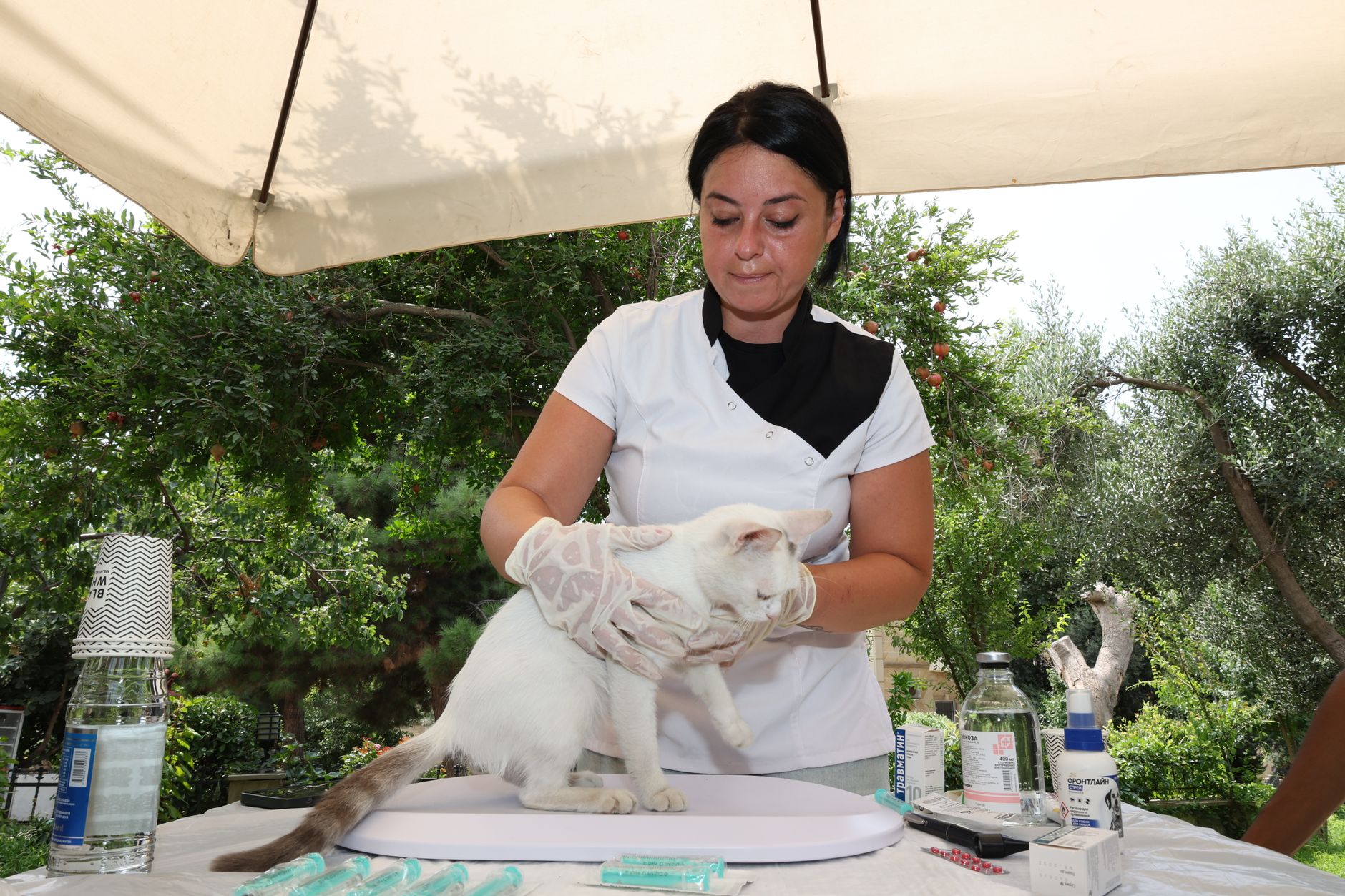
Steroid treatment for cat allergies eases itching, skin lesions, and airway inflammation fast, but side effects rise with longer use. Corticosteroids, drugs that calm inflammation and immune overreaction, work best for short-term flare control. VCA Animal Hospitals explains that these drugs suppress inflammatory and immune overreaction during flare-ups steroid effects in cats. That speed helps a cat that is scratching hard, chewing sore spots, or breathing tight from airway swelling.
Table of Contents
- How steroids stop an allergy flare
- Which drugs vets reach for
- What short-term side effects look like at home?
- When do risks outweigh relief?
- What works for longer-term control?
How steroids stop an allergy flare
Allergy signs come from an overactive immune response. Steroids lower that response, so red skin calms, scratching eases, and swollen airways open.
Cornell veterinarians report that glucocorticoids also treat inhaled- and flea-allergen reactions, asthma, inflammatory bowel disease, and hypersensitivities glucocorticoid uses in cats. That broad action makes them useful for more than skin itch alone.
Which drugs vets reach for
Vets commonly use synthetic steroids such as prednisolone, prednisone, dexamethasone, triamcinolone, and methylprednisolone for mild inflammation or allergic-response control. Choice depends on the cat, the allergy trigger, and how severe the flare is.
A long-acting injection often brings relief within 12-24 hours and reduces itching for about 2-4 weeks. Increased drinking or urination after the shot usually fades within days.
What short-term side effects look like at home?
Expect more thirst, hunger, and trips to the litter box. Some cats gain weight, act sleepy, shed more, or develop thinner skin and coat.
Watch closely because infection risk can rise, and existing diabetes or heart disease can worsen. Call your vet promptly for these warning signs:.
- drinking and urinating far more than usual for several days
- rapid weight gain, heavy lethargy, or loss of appetite
- skin sores, coughing, sneezing, or fever that suggest infection
When do risks outweigh relief?
Short bursts control itch or asthma-linked airway tightening with lower risk. Longer or high-dose use shifts the balance because side effects build over time.
Long-term risks include diabetes mellitus, especially in overweight cats, plus immune suppression, adrenal effects, stomach irritation, and severe problems such as Cushing's disease. Vetster's veterinary-reviewed guidance advises using steroids to gain fast control, then moving to safer ongoing care allergy medicine risks and safer long-term care.
What works for longer-term control?
Steroids do not fix the allergy trigger. Flea control, dust and pollen reduction, diet trials, skin care, and regular vet checks matter for fewer flares.
For ongoing skin allergy care, ask about steroid-free prescription options. Atopica for Cats, a cyclosporine oral solution, is the first and only FDA-approved steroid-free product for feline allergic dermatitis, and it blocks inflammatory cytokines without steroid activity. Ask your vet whether that option fits your cat's allergy pattern and health history.