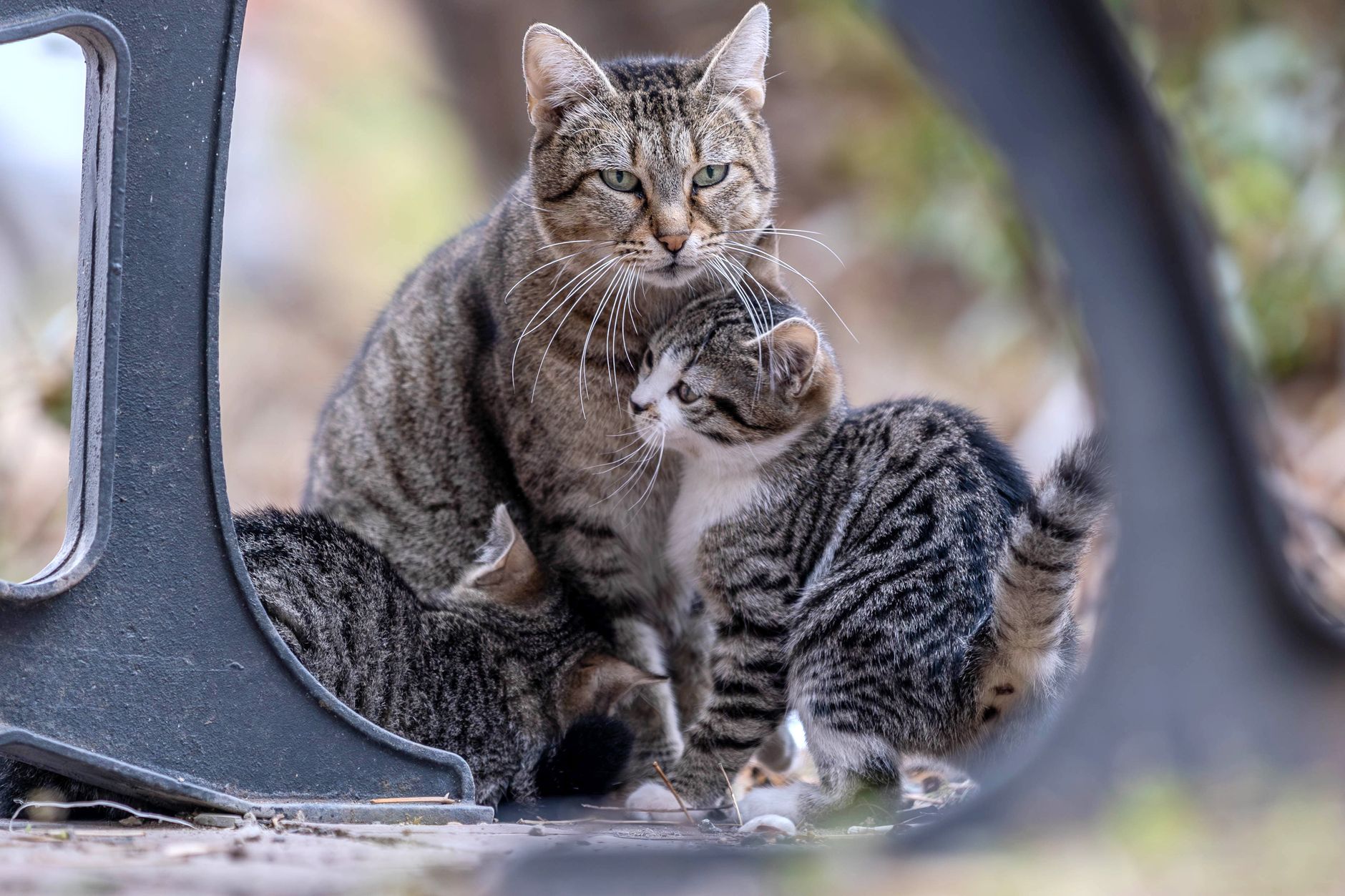
Most kittens start responding to catnip between 3 and 6 months old. Before that age, scent processing and brain development are still maturing. According to BrightCare Animal Neurology, sensitivity appears in that 3-to-6-month window as olfactory maturity develops BrightCare Animal Neurology's catnip guidance.
Catnip is the plant Nepeta cataria. Its active compound, nepetalactone, triggers playful or calm behavior only in genetically sensitive cats. A kitten that ignores it at 10 weeks may still respond later.
Table of Contents
- Why younger kittens ignore catnip
- Will your kitten ever respond to it?
- What a response looks like
- How to try catnip for the first time
Why younger kittens ignore catnip
Cats under about 3 months are generally indifferent to catnip. Kittens under 6-8 weeks gain no benefit from it. GoodRx Pet Health therefore advises waiting until at least 8 weeks to introduce it GoodRx Pet Health's explanation of catnip effects. This indifference is normal development, not stubbornness.
The nose detects the scent, but the brain response is not yet wired. Play, exploration, and social learning matter more at this stage. A lack of reaction before 6 months does not predict adult sensitivity. Very young kittens often show nothing and then respond months later. Owners should avoid repeated heavy exposures to force a reaction.
Will your kitten ever respond to it?
Sensitivity to catnip is inherited. Smithsonian Magazine reports that only about 50-70% of domestic cats carry the responsive trait Smithsonian Magazine's report on catnip sensitivity. Inheritance follows an autosomal-dominant pattern. The chance is about 1-in-2 if one parent responds and about 3-in-4 if both parents respond.
Kittens of non-responders often also do not respond. That means some cats never react, at any age. A 7-month-old that stays calm around fresh catnip may simply lack the trait. Silvervine or play-based enrichment can work better for those cats.
What a response looks like
In sensitive cats, nepetalactone binds nasal receptors and briefly changes behavior. Common signs include sniffing, head shaking, rubbing, rolling, licking, vocalizing, active play, or quiet calm. Not every cat shows the full set. A reaction typically lasts about 10-15 minutes.
The cat then enters a refractory period of an hour or more before responding again. Back-to-back offerings during that window usually do little. Responses vary by individual and product freshness. One kitten may roll and bunny-kick a toy, while a sibling only purrs and drools. Intensity does not indicate better health or stronger bonding.
How to try catnip for the first time
Catnip is considered non-toxic, safe, and non-addictive for kittens and adult cats. First exposures should still be small, fresh, and supervised. Freshness matters because dried volatile oils fade with age and air exposure. Wait until at least 8 weeks, preferably closer to 3 months.
Offer a small pinch in an open area where the kitten can move away. Stop and clean up if the kitten eats a large amount. Use plain catnip without added oils, sprays, or unknown herbal blends. Supervise kittens around refillable toys with stitched seams and small parts.
- Offer a pinch of dried catnip or a catnip toy for 2-3 minutes
- Watch for chewing large pieces, coughing, vomiting, or diarrhea
- Remove the catnip after 10-15 minutes and store it sealed
- Wait at least an hour before offering again