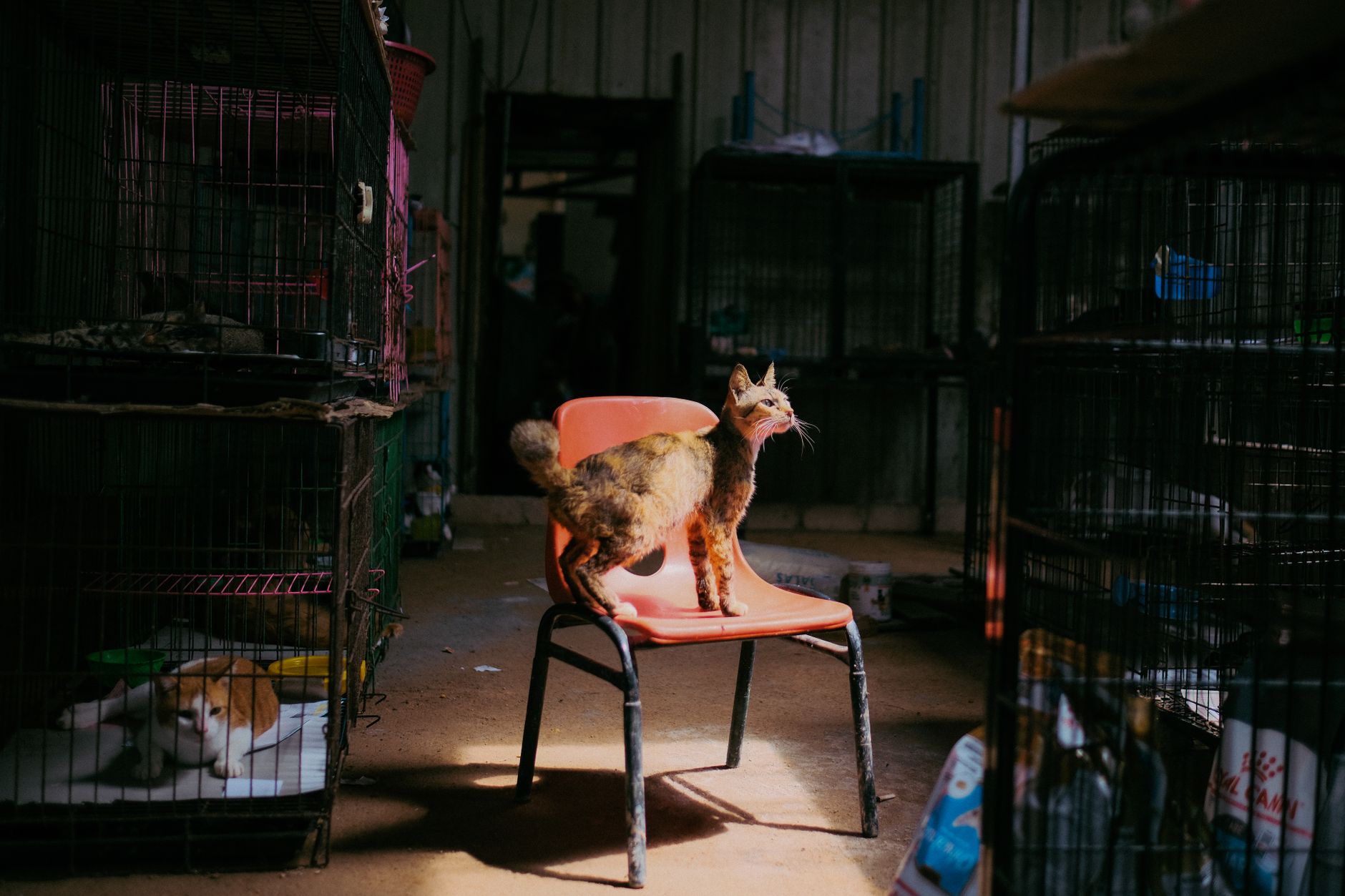
When a shelter scans a stray cat's microchip, staff recover an ID number and trace it through a registry to reach the owner. The registry then contacts that owner to arrange a reunion. Humane World for Animals describes it as a passive, rice-grain-size capsule under the skin that stores only that code.
Scanning takes seconds but decides what happens next. If the chip links to current contact details, you may get a call that same day. If not, the shelter starts backup steps to find you.
Table of Contents
- How Does the Scan Work?
- Where Does That Number Go?
- Who Contacts You?
- Does Scanning Really Bring Cats Home?
- What If the Chip Leads Nowhere?
How Does the Scan Work?
Maddie's Fund advises in its scanning guide that staff sweep the whole body with a handheld universal scanner. Chips can drift away from the shoulder-blade implant site. Heavier body mass can also reduce sensitivity, so a slow full-body pass matters.
The scan only displays the ID number on the reader screen. It does not show your name, address, or the cat's history. That separation protects privacy while starting the trace.
Where Does That Number Go?
Staff enter the ID into AAHA's Universal Pet Microchip Lookup at petmicrochiplookup.org, according to the American Animal Hospital Association and AVMA. The tool names the participating registry that holds the record.
It does not disclose owner contact details to the finder or shelter staff. The path looks like this: This extra step matters because many chip brands use separate registries. The lookup prevents guesswork and wrong calls.
- Scanner displays the chip ID code
- Staff enters the code into the lookup tool
- Lookup identifies the chip registry
- Shelter contacts that registry for the reunion
Who Contacts You?
The San Francisco SPCA explains in its chip-check overview that the shelter contacts the registry, and registry staff call, text, or email the listed owner. Your phone number stays with the registry. The finder never sees it.
Keep your phone on and check voicemail, text, and spam folders if your cat is missing. A missed registry call can delay pickup by days. Give the shelter a backup number too, so staff can reach you fast.
Does Scanning Really Bring Cats Home?
Lord and colleagues found microchipped shelter cats returned to owners 38.5% of the time, versus only 1.8% for cats without chips, in a study of 7,700 strays reported by AAHA in its microchip FAQs. That gap shows scanning strongly affects cats and owners. A chip gives a lost indoor cat a clear link home.
Registration is the weak point. A JAVMA summary reported by Peeva in its missing-pet figures attributes 35.4% of failed reunions to bad phone numbers and 24.3% to unreturned calls. Many chips were never registered at all. A working chip with old contacts still leaves the cat stuck.
What If the Chip Leads Nowhere?
When a chip is unregistered, outdated, or absent, Humane World for Animals notes that shelters pursue dead-end-chip research. Staff check implant records, vet clinics, and prior registries for another lead. Then they follow the local stray-hold process before adoption.
You can prevent that dead end. Register the chip with the maker's registry today. Update your phone, email, and backup contact after every move.