
An independent cat breed refers to a cat that has been selectively bred to display self-sufficient, aloof, or low-demand personality traits. Rather than constantly seeking human attention, companionship, or interaction, independent cat breeds are naturally inclined to entertain themselves, occupy their own space, and maintain emotional distance from their owners—though they can still bond meaningfully with people on their own terms. Examples include the Russian Blue, Maine Coon, Bengal, Abyssinian, and Turkish Van, each of which displays varying degrees of independence despite their social capabilities. This article covers how independence manifests in different breeds, which specific breeds exemplify these traits, how to distinguish between independence and poor socialization, and how to meet the needs of an independent cat.
Table of Contents
- What Does Independence Mean in Cat Breed Temperament?
- Popular Independent Cat Breeds and Their Characteristics
- Independence Versus Socialization—Understanding the Difference
- Choosing an Independent Breed for Your Lifestyle
- Common Misconceptions About Independent Cats
- Meeting the Needs of Independent Breeds
- The Role of Early Socialization in Shaping Independent Breeds
- Conclusion
What Does Independence Mean in Cat Breed Temperament?
Independence in cat breeds is not synonymous with indifference or coldness. Rather, it describes a cat’s lower need for constant human validation, attention, or proximity. An independent cat breed will pursue activities, exploration, and play without requiring a human to initiate or direct the interaction. They are less likely to follow you from room to room, less likely to demand petting or lap time, and more likely to be satisfied entertaining themselves with toys, climbing structures, or window perches. The Abyssinian, for instance, is paradoxically very social and interactive, yet highly independent—they’ll play vigorously with you when they choose, then disappear to explore your home without seeming to need you nearby.
This contrasts sharply with breeds like the Ragdoll or Birman, which are social but strongly preference-dependent, meaning they actively seek out human company and may become stressed or anxious when left alone. Independence is shaped by both genetics and early socialization. A kitten from an independent breed that is heavily handled, played with, and socialized from birth may display more dependent traits than a well-socialized kitten from a typically clingy breed. However, selective breeding over generations does establish baseline temperament tendencies. Breeders of independent breeds typically select for cats that show curiosity, self-direction, and comfort with solitude, while breeders of dependent breeds select for traits like closeness-seeking and heightened responsiveness to human emotion.

Popular Independent Cat Breeds and Their Characteristics
The Russian blue stands out as one of the most classically independent breeds. Known for being quiet, reserved, and observant, Russian Blues form deep bonds with their families but on their own schedule. They are watchful rather than clingy and often prefer to supervise household activities from a distance rather than participate directly. However, they can become stressed by overly loud or chaotic environments and may withdraw if handled roughly or too frequently. They thrive in calm, predictable households where they’re allowed to decompress without constant stimulation.
The Maine Coon, despite its large size and reputation as a “gentle giant,” is surprisingly independent. Maine Coons are curious, playful, and interactive with their owners, but they lack the intense need for lap time that smaller breeds like the Scottish Fold might display. They are content to entertain themselves for extended periods and may ignore you entirely if they’re focused on something interesting. The Bengal, while highly active and social with select family members, is naturally wary of strangers and maintains emotional distance from people outside their immediate circle. Bengals often choose when and how to interact rather than responding predictably to human initiations, and they require skilled, experienced owners who understand that their independence is not a flaw but a core aspect of their personality.
Independence Versus Socialization—Understanding the Difference
A critical distinction exists between a naturally independent breed and a poorly socialized cat of any breed. An independent cat is secure, confident, and self-sufficient; a poorly socialized cat is fearful, defensive, or withdrawn out of anxiety. The independent Russian Blue will calmly watch you from across the room, purring quietly when you look its way, secure in the knowledge that interaction is optional. A fearful, undersocialized cat may hide entirely, avoid eye contact, or react defensively if you approach. Independent cats often bond quietly with their families and will seek attention on their own terms—rubbing against your legs while you’re cooking, jumping onto your lap during a movie, or greeting you at the door.
They’re just less likely to demand constant reassurance or follow you persistently. Socialization during the critical period (weeks 2-8 of life) does matter significantly for independent breeds. A Russian Blue kitten raised in isolation will likely be fearful and avoidant; the same breed kitten handled regularly and exposed to normal household stimuli will be independent but confident. The difference is subtle but crucial: a well-socialized independent cat chooses to maintain distance, while a poorly socialized cat needs to maintain distance for self-protection. Understanding this distinction helps owners avoid misinterpreting their cat’s personality as rejection or developing unrealistic expectations about bonding with their specific cat.

Choosing an Independent Breed for Your Lifestyle
Independent cat breeds are ideal for owners who work long hours, travel frequently, or simply prefer a lower-interaction relationship with their pet. A Maine Coon or Russian Blue will not develop separation anxiety or destructive behaviors if left alone during a workday, nor will they suffer emotionally from the absence of constant human engagement. This makes independent breeds particularly suitable for busy professionals, single owners with erratic schedules, or multi-pet households where a cat’s independence allows it to coexist peacefully with other animals without competing for owner attention. The bengal, conversely, despite its independence from a human-affection standpoint, requires significant environmental enrichment and interactive play—selecting a Bengal for its aloofness while neglecting its need for mental stimulation and climbing opportunities would be a mismatch.
However, independence should not be mistaken for low-maintenance. Independent breeds still require veterinary care, enrichment, clean litter boxes, proper nutrition, and safe environments. The advantage is psychological and emotional rather than practical: an independent cat will not guilt-trip you for long work hours or demand constant interaction, making the ownership experience less demanding emotionally. Some owners find this less rewarding than owning a highly affectionate breed, while others prefer the autonomy it provides. Knowing whether you want a cat that greets you enthusiastically, naps on your lap, or simply coexists peacefully with you in the same home is essential before selecting a breed.
Common Misconceptions About Independent Cats
Many people assume that independent cat breeds don’t bond with their owners or don’t care about human relationships. This is incorrect. A Russian Blue or Maine Coon often forms a deep, lasting attachment to their primary caregiver—they simply don’t express it through constant proximity or demanding affection. They may show loyalty by slow-blinking at you, rubbing against your legs, or sleeping on your bed at night, but they won’t follow you around or cry when you leave. Some owners misinterpret this as lack of attachment when it actually reflects secure attachment: the cat is confident enough to be separate because it trusts you’ll return.
Another misconception is that independent breeds are antisocial or don’t enjoy play. Many independent breeds—Bengals, Abyssinians, and Maine Coons especially—are highly playful and interactive when they choose to be. The difference is that they initiate play on their terms rather than responding predictably to your invitations. A Bengal may completely ignore a toy dangled in its face, then hours later become fixated on that same toy. This unpredictability is sometimes frustrating for owners expecting consistent engagement, but it reflects the cat’s independence of thought rather than lack of interest in stimulation.
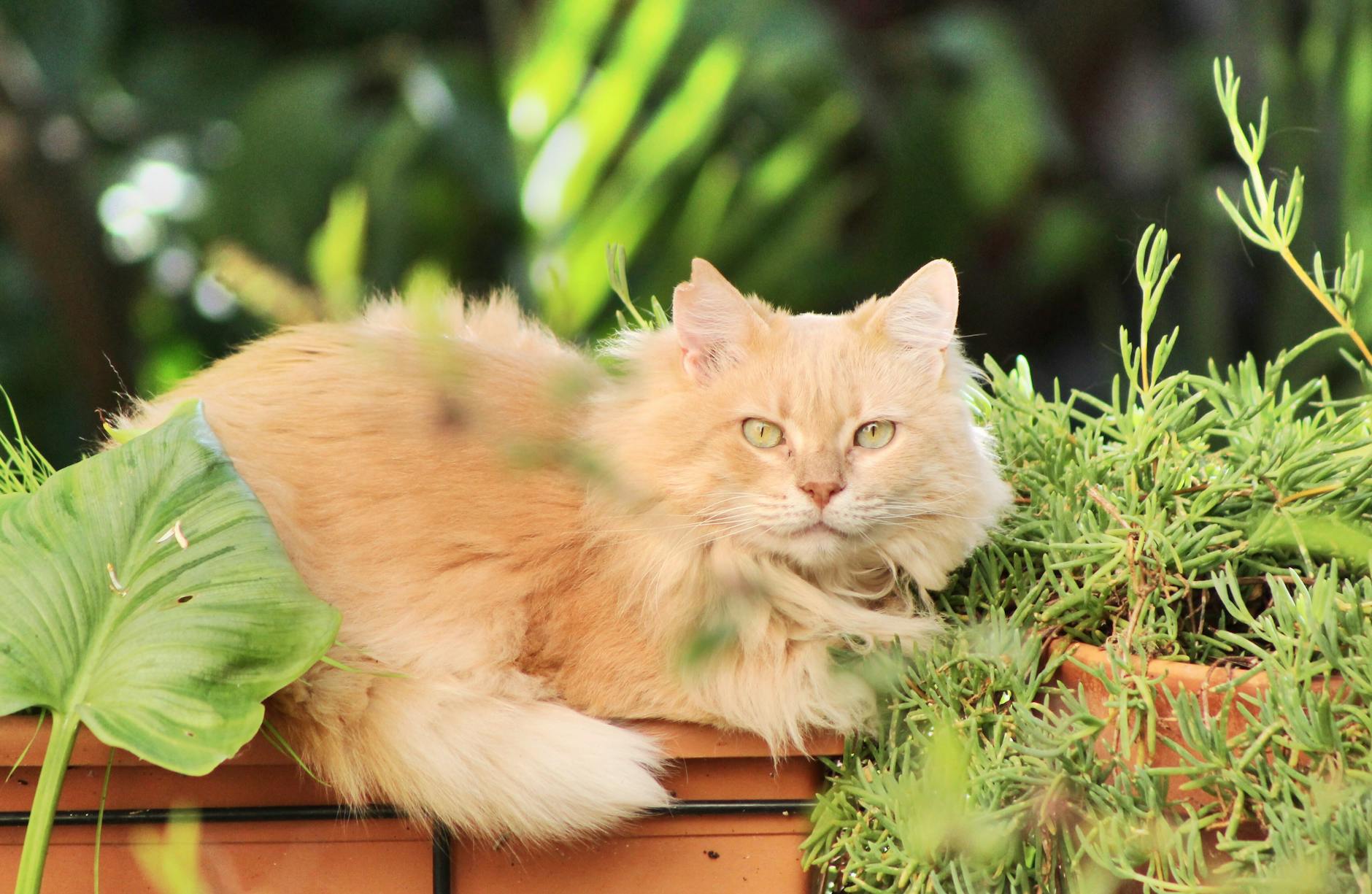
Meeting the Needs of Independent Breeds
While independent cats are less emotionally demanding, they still require appropriate enrichment to prevent boredom and behavioral issues. Enrichment for independent breeds should emphasize autonomy: puzzle feeders that allow self-directed food-hunting, vertical spaces for climbing and perching, window access for bird-watching, and interactive toys that the cat can engage with alone. The Bengal, for instance, may ignore interactive feather toys but become obsessed with climbing to high shelves or hunting insects at windows.
Russian Blues enjoy calm environments with hiding spots and elevated perches where they can observe without being observed. Respecting an independent cat’s preference for space is crucial—forcing frequent handling or ignoring their body language signals when they want solitude can create stress and erode the bond you’ve formed. Providing adequate litter boxes is also important, as independent cats are less likely to tolerate sharing resources or using dirty facilities. A good rule of thumb is one litter box per cat plus one extra; for independent breeds, this spacing helps ensure they can relieve themselves without territorial conflicts or unwanted social interactions around the box.
The Role of Early Socialization in Shaping Independent Breeds
The expression of independence is significantly influenced by early handling and exposure. A Bengal kitten handled extensively from birth may grow into a more dependent adult than a Maine Coon kitten raised with minimal handling. This doesn’t change the breed’s baseline tendencies, but it does modulate them.
Responsible breeders of independent breeds often aim for a middle ground—providing enough early socialization to ensure confidence and comfort around humans, while allowing the breed’s natural independence to develop. This produces cats that are well-adjusted, capable of handling routine vet visits and necessary handling, but still retain their characteristic self-sufficiency. New owners of independent breeds should continue this approach by handling their kittens gently and regularly without forcing interaction when the kitten signals disinterest. The goal is to establish that humans are safe, predictable, and non-threatening—not to engineer a clingy cat from a naturally independent bloodline.
Conclusion
An independent cat breed is one that has been selectively bred to display self-sufficient, low-demand temperament traits while remaining capable of bonding with humans. Breeds like the Russian Blue, Maine Coon, Bengal, and Abyssinian exemplify this independence through their tendency to pursue activities at their own pace, maintain emotional distance unless they initiate contact, and occupy themselves without constant human input. Independence is not the same as indifference or poor socialization; it reflects confidence, security, and a lower need for human validation rather than an inability to bond.
Choosing an independent breed is ideal for owners who prefer lower-interaction relationships, work long hours, or value a cat that coexists peacefully without emotional demands. However, these cats still require proper enrichment, veterinary care, and respect for their boundaries. Whether you’re drawn to the quiet companionship of a Russian Blue or the selective playfulness of a Bengal, understanding what independence truly means—and accepting your cat on its own terms—creates a rewarding ownership experience built on realistic expectations rather than the fantasy of a perfectly devoted pet.