
A muscular cat breed is a feline with a naturally athletic, lean build characterized by well-defined muscles, a sturdy bone structure, and typically a long or medium-length body designed for agility and power. Breeds like the Bengal, Egyptian Mau, Abyssinian, and Cornish Rex exemplify this type, with genetics that have developed over generations to favor speed, jumping ability, and explosive movement. Unlike domestic shorthairs that may appear muscular simply because they’re fit, true muscular cat breeds have this athleticism encoded in their skeletal structure, muscle fiber composition, and overall morphology. This article explores the defining characteristics of muscular cat breeds, what creates these traits, which breeds embody them most prominently, the health implications of their build, and what it actually means to care for a cat with this physiology.
Table of Contents
- Which Cat Breeds Have the Most Muscle Definition?
- The Genetic and Physical Foundations of Muscular Cat Breeds
- Muscular Breed Temperament and Activity Needs
- Nutritional and Exercise Considerations for Muscular Cats
- Common Health Concerns Specific to Muscular Breeds
- Distinguishing Muscular Breeds from Overweight Cats
- The Future of Muscular Breeds and Ethical Breeding Considerations
- Conclusion
- Frequently Asked Questions
Which Cat Breeds Have the Most Muscle Definition?
The most visibly muscular cat breeds share common physical markers: lean frames without excess fat, pronounced shoulder and hip musculature, and a sleek, almost sculpted appearance when they move. The Bengal is perhaps the most obviously muscular breed—bred from domestic cats and Asian Leopard Cats, they have a distinctly athletic appearance with longer hind legs than front legs, giving them a slightly elevated rear stance that emphasizes muscle. The Egyptian Mau, recognized as one of the fastest domestic cats, displays similar muscularity with a naturally spotted coat and a compact, tightly-built frame. The Abyssinian is lighter-boned but deceptively muscular, with long, slender legs packed with functional muscle that makes them extraordinarily agile jumpers.
Maine Coons can also appear muscular despite their large size, though their muscularity often gets obscured by their long, fluffy coat; under that fur is a robust, powerful frame built for hunting in harsh environments. However, it’s important to distinguish between breeds with naturally prominent muscle definition versus those that simply look muscular when at proper weight. A fit domestic shorthair or tabby can look very muscular if well-exercised, but they don’t have the structural skeletal differences that true muscular breeds do. The Bengal’s hindquarters, the Egyptian Mau’s compact frame, and the Abyssinian’s leg-to-body ratio are genetic traits that can’t be replicated through exercise alone in other breeds.

The Genetic and Physical Foundations of Muscular Cat Breeds
The muscular appearance in these breeds stems from several genetic factors: bone density and length proportions, muscle fiber type distribution, and selective breeding for traits like jumping ability, prey-capture speed, and agility. Many muscular breeds were either domesticated from wild cat ancestors with naturally athletic builds or selectively bred from domestic cats showing these traits. The Bengal’s Asian Leopard Cat ancestry gave it larger, more powerful muscles and a different skeletal structure than typical domestic cats. The Egyptian Mau’s natural spotting pattern came with a body type optimized for sprint speed—their hindquarters are particularly muscular because they can reach speeds up to 30 miles per hour in short bursts, making them the fastest domestic cat breed.
However, this genetic predisposition toward muscularity doesn’t mean these cats automatically stay in peak physical condition. A Bengal eating too much and getting insufficient exercise can become overweight and lose that sculpted appearance, though their underlying skeletal structure will always be more angular and athletic than, say, a Persian. Additionally, some of these breeds are prone to specific health conditions because of their build: Bengal cats have been associated with higher rates of hypertrophic cardiomyopathy (HCM), a heart condition that can affect athletic animals, and Egyptian Maus sometimes experience hip dysplasia. The very genetics that create their impressive muscularity can carry health trade-offs that owners need to understand.
Muscular Breed Temperament and Activity Needs
Muscular cat breeds aren’t just built differently—they typically have temperament and behavioral traits aligned with their athletic physiology. Bengals are highly intelligent, energetic, and often demand interactive play for several hours daily; their high prey drive and athleticism mean boredom can lead to destructive behavior. Egyptian Maus are similarly active and can be more dog-like in their attachment to their owners, often following them from room to room and seeking constant engagement.
Abyssinians are famous for being the most active domestic cat breed; they’re almost constantly moving, climbing, and exploring, with an intense curiosity that requires environmental enrichment and vertical space. These breeds often thrive in homes where owners are prepared for near-constant interaction and activity. A muscular Cornish Rex might spend half the day leaping off furniture, performing backflips, and demanding play, while a sedentary household might experience behavioral problems—excessive vocalization, furniture scratching, or even toilet training regressions due to stress and boredom. The physical capacity for muscle development in these breeds is tied to their psychological need for stimulation and activity.

Nutritional and Exercise Considerations for Muscular Cats
Feeding and exercising a muscular cat breed requires more thought than caring for a typical domestic cat. Because these breeds have naturally fast metabolisms and high activity levels, they often need more calories relative to body weight than less-active breeds. A Bengal or Egyptian Mau that plays intensely for hours daily may need 20-30% more food than a sedentary indoor cat of the same weight. The type of food also matters—high-quality protein is essential for maintaining muscle tone and supporting the muscle development that these cats are genetically predisposed toward.
Some owners of muscular breeds find that low-quality, grain-heavy commercial foods don’t provide adequate amino acid profiles for optimal muscle maintenance. Exercise for muscular breeds goes beyond occasional interactive play. These cats benefit from environmental enrichment like tall cat trees for climbing, wall-mounted shelves for jumping, and dedicated play sessions with fishing-pole-style toys that simulate the quick, explosive movements they’re built for. A Bengal given only a small apartment and minimal interaction might become frustratingly overweight despite eating an appropriate caloric amount; the same cat in an enriched environment with regular play might maintain perfect muscle definition on identical nutrition. The comparison is stark: muscular breeds in poor environments often develop behavior problems and weight issues, while the same genetics expressed in enriched homes results in stunning athleticism and better temperament.
Common Health Concerns Specific to Muscular Breeds
While muscularity itself isn’t a disease, several health conditions appear more frequently in muscular cat breeds, partly due to their genetics and partly due to the demands their physiology places on their bodies. Bengal cats have elevated rates of hypertrophic cardiomyopathy (HCM), a thickening of the heart muscle that can be life-threatening, and many responsible Bengal breeders screen parents for HCM with echocardiograms. Egyptian Maus sometimes develop progressive retinal atrophy (PRA), which causes blindness, and hip dysplasia can occur due to their unique hindquarter structure.
Cornish Rex cats, despite their delicate appearance, can develop patella luxation (loose kneecaps) related to their distinctive genetic profile. A warning for buyers: the high activity level and muscular build of these cats mean they’re more prone to traumatic injuries than sedentary breeds. An overly active Bengal or Egyptian Mau in a home without proper environmental safety—open windows, precarious furniture, unsecured shelving—is at higher risk of falling injuries, which can cause fractures or spinal damage. Similarly, the intensity of play with these breeds can sometimes lead to overexertion or muscle strains, particularly as they age past their prime years.
Distinguishing Muscular Breeds from Overweight Cats
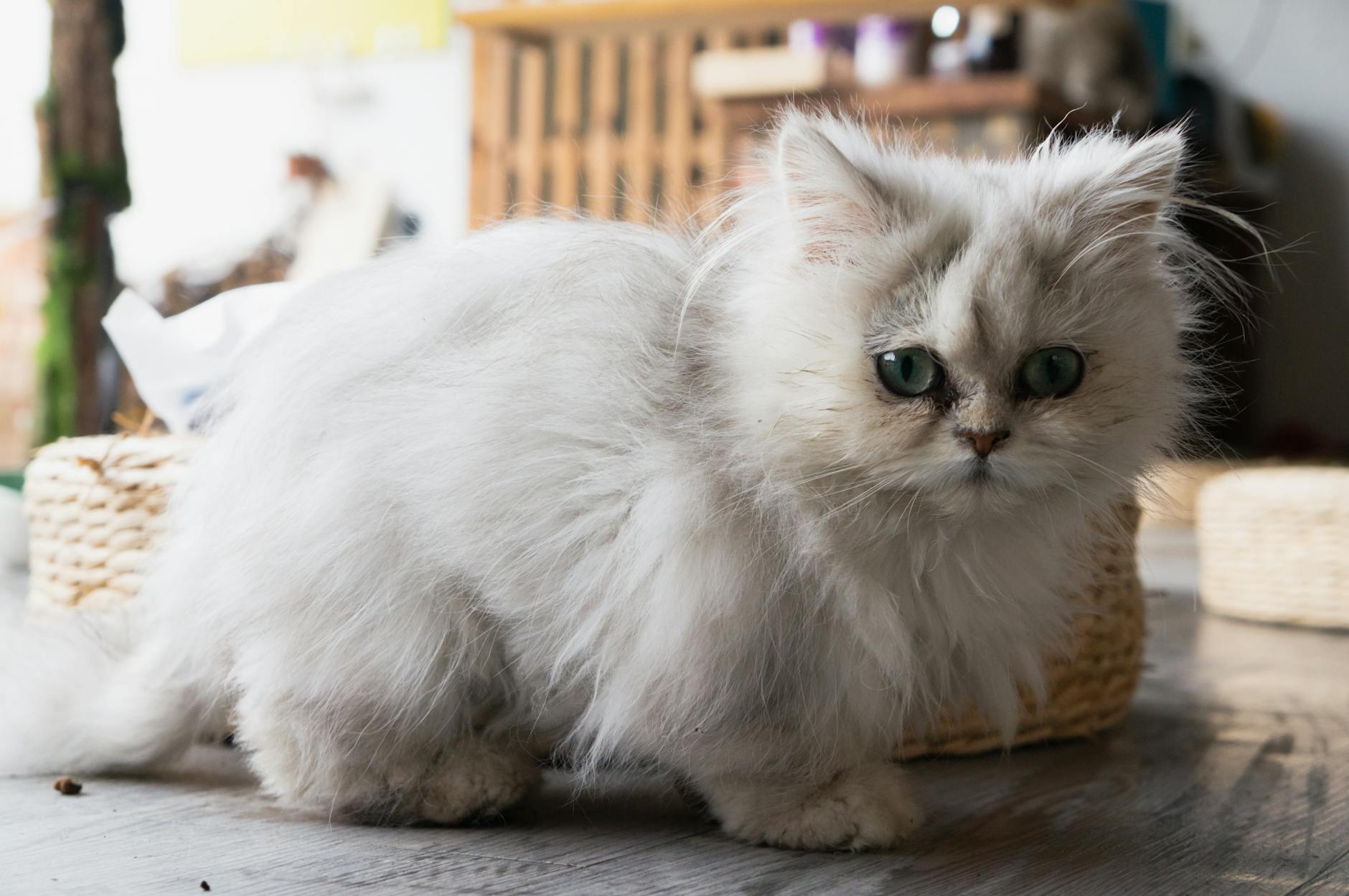
Many people mistake an overweight domestic cat for a “muscular” cat, and this misunderstanding can delay addressing serious health issues. A truly muscular cat has visible muscle definition when you look at them from the side—you can see the waist behind the ribs, the angular hindquarters, and the lean neck and shoulders. You should be able to feel their ribs without pressing hard, and there should be a clear abdominal tuck. An overweight cat, by contrast, has rounded sides, a sagging belly, and ribs that are difficult to feel through a layer of fat.
A chubby tabby cat with a round face might look “stocky” or “sturdy” to its owner, but that’s excess weight, not muscularity. Some muscular breeds like Maine Coons can be genuinely large without being overweight—size and muscularity are different things. A properly conditioned Maine Coon might weigh 12-15 pounds and still be lean and muscular, while a poorly conditioned one at the same weight would be visibly fat. The distinction matters for health: overweight cats develop diabetes, joint problems, and shortened lifespans, while lean, muscular cats live longer and healthier lives.
The Future of Muscular Breeds and Ethical Breeding Considerations
As demand for exotic-looking, athletic cat breeds grows, breeders face increasing pressure to produce animals with ever-more-exaggerated muscular features. This has led to some concerning trends: certain breeding lines have been pushed toward extreme muscle development through selective breeding or, in some cases, unethical practices. The most responsible breeders of muscular cats focus on maintaining the breed standard while prioritizing health screening, genetic diversity, and preventing hereditary conditions.
Buyers choosing a muscular breed should look for breeders who test parents for HCM, hip dysplasia, and other breed-specific conditions, and who can provide health documentation. Looking forward, there’s growing recognition that “extreme” muscularity achieved through aggressive breeding can create health problems. The shift among ethical breeders is toward maintaining the characteristic athletic build of breeds like Bengals and Egyptian Maus while expanding genetic diversity and prioritizing longevity. For prospective cat owners, this means the healthiest muscular cat is one that comes from a breeder focused on the breed’s original purpose and health, not just its appearance.
Conclusion
A muscular cat breed is defined by its genetically encoded athletic physiology, not simply by being a cat in good shape. Breeds like Bengals, Egyptian Maus, Abyssinians, and Cornish Rexes have skeletal structures, muscle fiber composition, and movement capabilities that are distinctly different from typical domestic cats. These traits come with significant behavioral and care implications—muscular breeds typically demand more exercise, environmental enrichment, higher-quality nutrition, and owner engagement than less-active breeds, and they often live in homes where these needs aren’t met, leading to obesity and behavioral problems.
If you’re considering adopting or purchasing a muscular cat breed, honestly evaluate whether your household can provide daily interactive play, vertical environmental enrichment, and the mental stimulation these naturally active cats require. A muscular cat in the right home will display stunning athleticism and often form deeply bonded relationships with their owners; the same genetics in the wrong environment results in a frustrated, overweight cat prone to behavioral issues and health problems. Start with a reputable breeder who health-tests parents, consult with breed-specific resources, and prepare your home and schedule for an athlete.
Frequently Asked Questions
Do all muscular cat breeds require more food than regular cats?
Generally yes, because high-activity cats have faster metabolisms and burn more calories. However, proper feeding depends on individual activity level, not breed alone. A lazy Bengal eating sedentary-cat food amounts could still become overweight, while an active cat of any breed might need more calories. The key is matching food quantity and quality to the individual cat’s activity level and metabolism.
Can you make a regular domestic cat more muscular through exercise?
You can improve muscle tone and definition in any cat through regular exercise, but you won’t create the skeletal or structural differences that define muscular breeds genetically. A fit domestic shorthair might look quite athletic, but it will never have the hindquarter structure of an Egyptian Mau or the skeletal proportions of a Bengal, which are encoded in their genetics.
Are muscular cat breeds aggressive or more likely to bite?
Muscularity itself doesn’t cause aggression, but some muscular breeds have high prey drive and strong hunting instincts due to the same genetics that created their physiology. Bengals and Egyptian Maus, for example, can have intense predatory behaviors toward small animals and can be more forceful in play. This is a behavioral trait, not inherent aggression, and it’s manageable with proper training and environment, but it’s important to understand before bringing one home.
Do muscular cats live shorter lives than regular cats?
Not necessarily shorter overall, but they can face breed-specific health risks that affect lifespan. Bengals with undiagnosed HCM or Egyptian Maus with retinal atrophy might have complications, but a well-bred, health-screened muscular cat from a responsible breeder often lives a normal 12-18 year lifespan. The key is working with breeders who prioritize health screening.
How much exercise do muscular cat breeds actually need daily?
This varies by breed and individual personality, but most muscular breeds benefit from 1-2 hours of interactive play daily, broken into multiple sessions. Some exceptionally high-energy individuals might seem to demand constant activity. Without adequate enrichment and play, they often develop destructive behaviors, excessive vocalization, and weight problems. Environmental enrichment like climbing structures is as important as direct play.