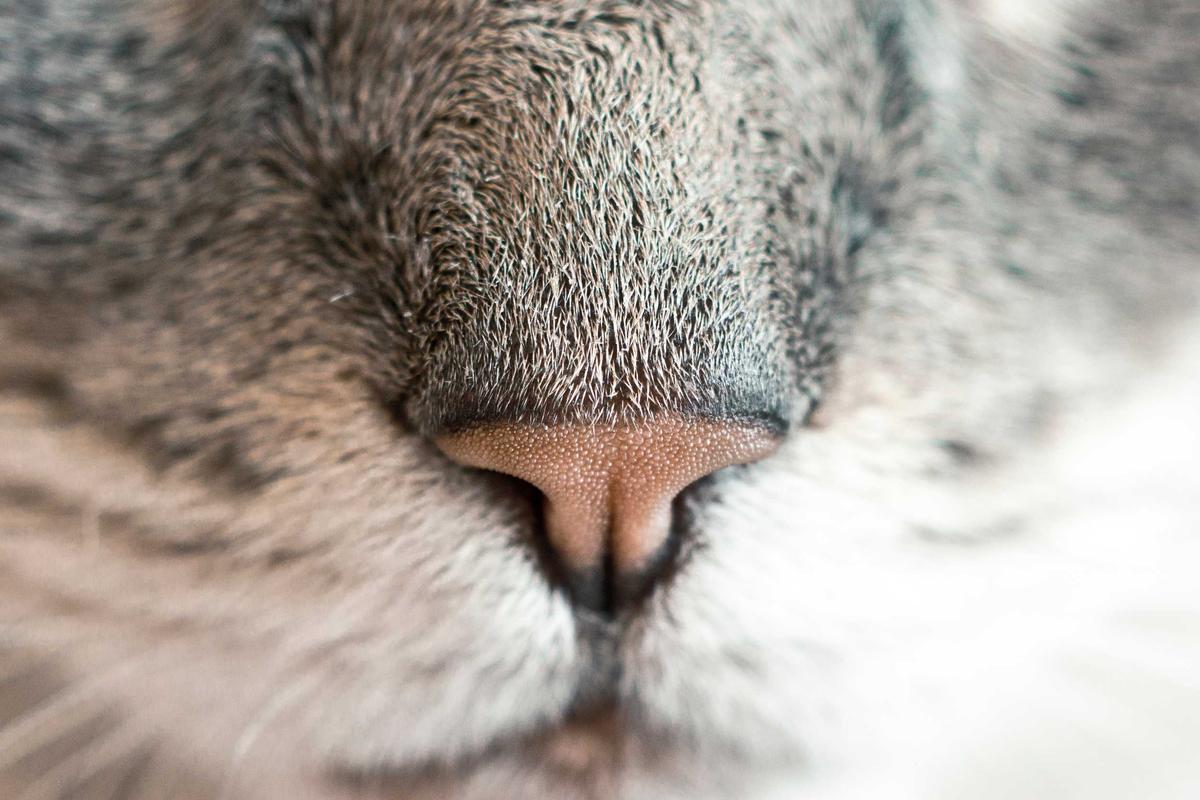
An Abyssinian cat is a slender, muscular domestic cat breed distinguished by its distinctive ticked coat pattern, in which each hair is banded with multiple colors rather than solid throughout. The breed is highly active, intelligent, and people-oriented, often described as resembling a miniature cougar or wild African cat in appearance—though they share little genetic ancestry with African species. For example, an Abyssinian might have reddish-brown fur with darker brown or black banding, creating a shimmering, iridescent effect when the cat moves. This article covers the breed’s physical characteristics, temperament, health considerations, care requirements, and suitability for different living situations, giving you a complete picture of what Abyssinian cat ownership entails.
Table of Contents
- What Does an Abyssinian Cat Look Like?
- Personality and Temperament—What Is Living With an Abyssinian Really Like?
- Where Did Abyssinian Cats Come From?
- Grooming, Exercise, and Daily Care Requirements
- Health Issues and Genetic Concerns
- Training, Socialization, and Behavioral Management
- Is an Abyssinian Right for Your Home?
- Conclusion
- Frequently Asked Questions
What Does an Abyssinian Cat Look Like?
Abyssinian cats are medium-sized, weighing typically between 8 and 12 pounds, with an elongated, elegant body built for speed and athleticism. Their most recognizable feature is the ticked tabby coat, where each hair shaft contains two to three bands of color, usually a warm base tone (sorrel, ruddy, fawn, or blue) with darker ticking. Their ears are large and alert, positioned high on a wedge-shaped head, and their almond-shaped eyes are typically gold, green, or hazel. Unlike a mackerel tabby cat that displays bold stripes and blotches, an Abyssinian’s coloring appears smooth and even without distinct markings, though they do have subtle facial “eyeliner” and leg barring.
The breed’s body structure reflects their hunting ancestry: long, slender legs built for jumping and climbing, a long whip-like tail, and a naturally arched back that makes them appear to be in constant motion even when standing still. Their paws are small and delicate-looking despite their muscular build. If you compare an Abyssinian to a Siamese cat, you’ll notice the Abyssinian has a less angular face, a stockier build, and the entirely different coat pattern—where a Siamese cat has solid coloring, the Abyssinian’s coat shimmers with layered color bands. It’s important to note that not all cats with similar coloring are Abyssinians; many domestic shorthairs display ruddy or fawn ticking without being registered Abyssinians.

Personality and Temperament—What Is Living With an Abyssinian Really Like?
Abyssinian cats are notorious for their boundless energy and curiosity, requiring significantly more interactive play and mental stimulation than typical house cats. These are not lap cats that will contentedly lounge on your couch for hours; instead, they’re constantly investigating, climbing, and seeking engagement. An Abyssinian owner should expect their cat to follow them from room to room, participate in games, and actively seek attention throughout the day. Many owners describe the experience as having a furry toddler rather than a traditional pet—the cat will watch your activities intently, attempt to “help” with whatever you’re doing, and vocalize frequently to keep you aware of their presence.
The flip side of their intelligence and sociability is that Abyssinians become anxious and destructive when under-stimulated or left alone for extended periods. If you work full-time outside the home and have no other pets or interactive enrichment, an Abyssinian may develop behavioral problems including excessive vocalization, inappropriate scratching, or litter box issues driven by boredom and stress. However, if your household has another cat or active family members who can engage with the cat regularly, or if you provide puzzle feeders, climbing structures, and interactive toys, an Abyssinian will thrive and become an affectionate, entertaining companion. They bond strongly with their humans and often greet family members at the door or follow them through the house like a small, furry shadow.
Where Did Abyssinian Cats Come From?
The modern Abyssinian cat breed traces its recorded origins to 19th-century Britain, though the exact ancestry remains debated among feline historians. The breed was formally recognized in the 1880s, with early breeding records suggesting that cats with ticked coats were imported from Abyssinia (now Ethiopia) and other regions, though genetic evidence doesn’t strongly support a direct African wild cat origin as once believed. Early Abyssinians were shown at british cat shows in the 1870s and quickly gained popularity among breeders interested in developing a distinct, recognizable breed.
The breed’s name derives from Abyssinia rather than any confirmed ancestral connection to that region, and some historians suggest the name was applied largely for marketing appeal during the Victorian era’s fascination with exotic animals. What we know with certainty is that selective breeding in Britain created the modern Abyssinian type, emphasizing the ticked coat pattern, slender build, and alert expression. The breed was nearly extinct after World War II but was successfully re-established through careful breeding programs. Today, Abyssinians are recognized by all major cat registries worldwide, including the Cat Fanciers’ Association and The International Cat Association, with breed standards specifying coat colors, body structure, and temperament.

Grooming, Exercise, and Daily Care Requirements
Abyssinian cats have short, dense coats that shed moderately year-round and require less grooming than long-haired breeds—a weekly brushing usually suffices to manage loose hair and keep the coat gleaming. However, their exercise needs far outweigh grooming demands. These cats require multiple play sessions daily, ranging from 15 to 30 minutes each, using interactive toys like feather wands, laser pointers, or automated ball toys. Without adequate exercise, an Abyssinian will direct their energy into climbing curtains, knocking objects off shelves, or other destructive behaviors. Many owners find that providing tall cat trees, wall-mounted shelves, and window perches helps satisfy their climbing instinct and provides mental stimulation through bird-watching.
Environmental enrichment is as important as physical exercise for Abyssinians. Puzzle feeders, treat-dispensing toys, and even simple activities like teaching them to walk on a harness can provide the mental engagement they crave. Some Abyssinian owners harness-train their cats and take them outdoors on leashes, which provides novel sensory experiences and exercise in a controlled setting. The tradeoff is that while Abyssinians are generally healthy and don’t require special dietary needs beyond high-quality cat food, their active lifestyle means they may need slightly more calories than a sedentary cat of the same weight. Additionally, their high energy can mean higher veterinary costs over time if they sustain injuries from jumping or climbing.
Health Issues and Genetic Concerns
Abyssinian cats are generally a robust breed with relatively few breed-specific health problems, but several conditions occur with elevated frequency in the breed. The most significant is progressive retinal atrophy (PRA), an inherited eye disease that gradually leads to vision loss and eventual blindness, typically appearing in cats between 3 and 5 years of age. Reputable breeders screen breeding cats for PRA using genetic testing and ophthalmologic exams, so purchasing from a responsible breeder who provides health certifications significantly reduces your risk. Another genetic concern is hereditary sensory neuropathy, a neurological condition affecting the hind legs and tail; again, responsible breeding practices have reduced its prevalence.
Abyssinians can also be prone to gingivitis and dental disease due to having naturally crowded or misaligned teeth in some individuals, making regular dental care and veterinary check-ups essential. Some cats in the breed experience patellar luxation (loose kneecaps), which ranges from mild to severely limiting depending on severity. The important takeaway is that while Abyssinians are not an exceptionally sickly breed, you should purchase only from breeders who conduct genetic testing, provide health guarantees, and can document the health history of multiple generations of breeding cats. Adopting from breed-specific rescues is another option that may reduce costs, though health history may be less detailed.

Training, Socialization, and Behavioral Management
Unlike many cat breeds, Abyssinians are highly trainable and respond well to positive reinforcement, making them suitable candidates for clicker training or teaching specific behaviors like walking on harness or playing fetch. Their intelligence and eagerness to engage mean they can learn commands and tricks more readily than typical cats, though motivation usually involves treats or play rewards rather than human approval alone. Early socialization with different people, environments, and novel objects helps prevent fear-based anxiety, which can be exacerbated by the breed’s already high stress sensitivity when under-stimulated.
One common behavioral issue in Abyssinians is excessive vocalization, which can range from normal communication to problematic noise levels that disturb households or neighbors, particularly in multi-unit dwellings. This tendency is partly genetic and partly environmental—an under-stimulated Abyssinian will vocalize more, while one with adequate play and attention may vocalize at normal levels. Teaching “quiet” with positive reinforcement can help, but you should accept that Abyssinians are simply more vocal cats than many other breeds. Additionally, their strong prey drive means they may hunt small pets like rodents, birds, or reptiles; they should not be housed with hamsters, gerbils, or similar animals.
Is an Abyssinian Right for Your Home?
Abyssinians thrive in homes where they receive daily interaction, mental stimulation, and physical activity, making them ideal for active families, work-from-home individuals, or multi-cat households where they have feline companionship. They’re poor choices for people seeking a low-maintenance pet, those with limited living space without vertical enrichment, or anyone unable to provide regular interactive play. In apartment settings, their vocalization and activity levels can be challenging for neighbors or roommates, so living situation matters significantly. Families with young children may find Abyssinians are too energetic and potentially delicate for unsupervised play, though with older children who can engage appropriately, they often become beloved family members.
The financial consideration extends beyond purchase price to ongoing veterinary care, quality food, enrichment toys, and potentially boarding or pet-sitting services if you travel, since Abyssinians develop separation anxiety more readily than independent cats. Before committing to an Abyssinian, honestly assess whether your lifestyle and home environment can sustain the breed’s considerable needs. If you can provide an engaged, active household, an Abyssinian will reward you with decades of entertaining, affectionate companionship. If you’re seeking a quiet, independent pet that’s content to be left alone for long periods, a different breed would serve you better.
Conclusion
Abyssinian cats are a distinctive, highly active breed recognized by their ticked coat pattern, slender athletic build, and personality that falls somewhere between a typical cat and a small, furry human companion. They require significant daily exercise, mental stimulation, and social engagement to thrive, making them unsuitable for passive pet owners or anyone unable to provide interactive attention. Prospective owners should purchase from health-tested breeders, commit to regular veterinary care including genetic screening and dental maintenance, and honestly assess whether their living situation and lifestyle can accommodate the breed’s considerable needs.
If you’re considering an Abyssinian cat, connect with breed-specific rescues or established breeders who can discuss the realities of ownership, not just the attractive appearance. Spend time observing the breed in person, ask detailed questions about energy levels and behavioral traits, and ensure you understand the financial and time commitments involved. For the right household, an Abyssinian becomes not just a pet but a constant, engaging presence that brings life and entertainment to every day.
Frequently Asked Questions
Do Abyssinian cats need a companion cat?
While Abyssinians don’t strictly require another cat to be healthy and happy, they benefit from feline companionship when their human family is often away or works long hours. A second cat—whether another Abyssinian or a compatible breed—can provide play interaction and reduce boredom-related stress. However, if you have an engaged family with time for regular interactive play, a solo Abyssinian can thrive.
Are Abyssinian cats hypoallergenic?
No, Abyssinian cats are not hypoallergenic. They shed regularly and produce the Fel d 1 protein that triggers allergic reactions in sensitive people. Their short coat may produce slightly less dander than longer-haired breeds, but they’re not appropriate for anyone with significant cat allergies.
What is the typical lifespan of an Abyssinian cat?
Abyssinian cats typically live 9 to 15 years when properly cared for and bred from health-tested lines. Some individuals live into their late teens or early twenties, though genetic health issues like progressive retinal atrophy may affect quality of life in later years.
How much does an Abyssinian kitten cost?
Abyssinian kittens from reputable breeders typically cost $600 to $1,200 or more, depending on pedigree, location, and breeder reputation. Adoption through breed-specific rescues may cost significantly less, usually $50 to $300. Be cautious of breeders offering kittens below $400, as this may indicate inadequate health screening.
Can Abyssinian cats be left alone during the workday?
Abyssinian cats become anxious and bored when left alone for 8+ hours regularly. If you work full-time outside the home, you should arrange for a pet sitter, day care, or have another cat as a companion. Leaving an Abyssinian alone with only toys and enrichment toys for extended daily periods increases risk of behavioral problems and stress-related illness.
Do Abyssinian cats require a special diet?
Abyssinian cats have no special dietary requirements beyond what any healthy cat needs: high-quality protein, essential fatty acids, and appropriate calories for their activity level. Feed a high-protein wet or dry cat food from a reputable manufacturer, and consult your veterinarian if your individual cat has specific health concerns requiring dietary adjustment.