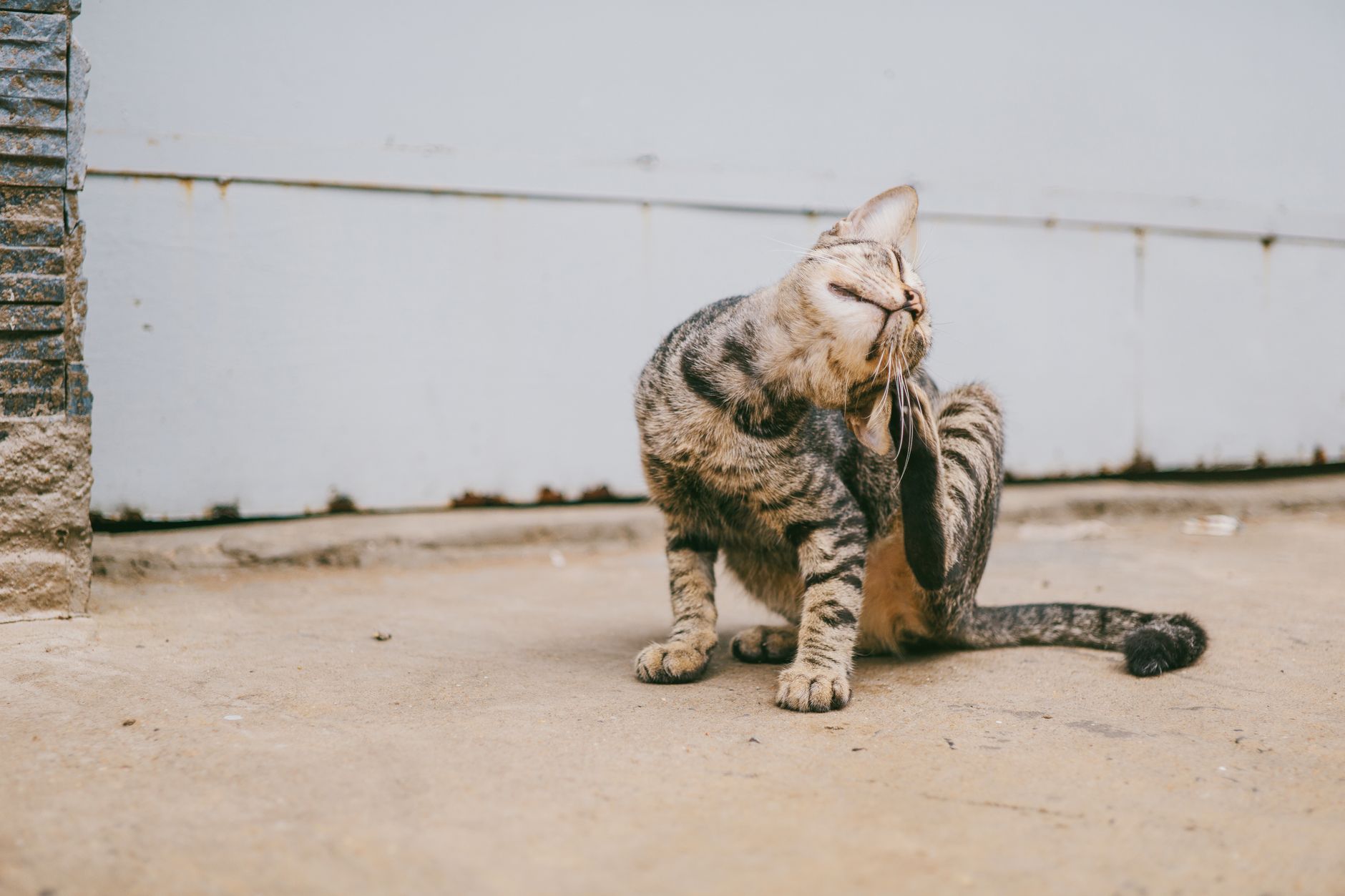
Cats scratch furniture instead of their post because the sofa better meets their needs for marking, stretching, and claw care. The post often loses on location, height, stability, or texture. Territorial marking means leaving both scent and visible scratches to signal presence. Furniture in busy living areas sends that message well, while a short, wobbly post in a spare room does not.
Table of Contents
- What is your cat telling other animals?
- Why do claws and muscles need scratching?
- Why do location, height, and texture decide?
- How can you make the post win?
- Frequently Asked Questions
What is your cat telling other animals?
Cats mark territory when they scratch. Paw glands deposit scent while claws leave visible scores. The sofa becomes a communication post rather than an act of spite, according to Cornell University College of Veterinary Medicine in its guide to destructive scratching. Living-room seating sits in the social center of the home.
Scratching there leaves scent and marks where other cats and people will notice them. A hidden post cannot serve the same purpose. Cats repeat scratching that works as a signal. If the couch holds scent and shows marks, they return to it. An unused post offers no such feedback.
Why do claws and muscles need scratching?
Scratching removes the translucent outer sheath from claws and conditions nails. Thin claw husks are often found near scratched furniture. This upkeep keeps claws sharp and healthy. Scratching also stretches shoulder, back, and leg muscles.
Cats often scratch right after waking. A short post that blocks a full-length stretch loses to a tall sofa arm. Watch when your cat scratches the couch. After naps, the goal is often a long upward pull. After play or excitement, the goal may be claw care and release.
Why do location, height, and texture decide?
Cats prefer prominent, social, and high-traffic spots like living-room seating, windows, and entryways. A post hidden in a spare room is ignored because it misses the marking spot, according to International Cat Care in its advice on furniture scratching. Posts also fail when they wobble or are too short. A vertical post should stand at least as tall as the cat on hind legs with front legs extended. It must stay firmly anchored so it cannot topple.
Texture determines use as well. Many cats prefer sisal rope, corrugated cardboard, or carpet. Match the post covering to the texture and vertical or horizontal direction your cat already chooses. Widespread scratching around doorways and windows can signal insecurity or stress. This pattern affects multi-cat homes or cats after moves or new pets. Individual texture and location preferences still vary.
How can you make the post win?
Place a tall, sturdy, preferred-texture post beside the targeted furniture and near sleeping areas. Offer several surfaces and reward use rather than punish scratching. This approach matches long-standing veterinary guidance for normal scratching behavior.
Use these checks to fix the setup: Reward the cat promptly for touching or using the post. Keep claws trimmed and give daily play to reduce extra energy. Move the post only after the cat uses it reliably.
- put the new post against the scratched sofa arm, not across the room
- add a second option near the main nap spot for wake-up stretches
- match vertical or horizontal direction to what the cat already uses
- test sisal, cardboard, and carpet to find the preferred feel
- anchor every upright so it never wobbles or tips
Frequently Asked Questions
Should I punish my cat for scratching the sofa?
No. Scratching marks territory, cares for claws, and stretches muscles. Redirect to a tall, stable post in a social spot and reward use.
What kind of post works best?
Choose one as tall as your stretched cat, firmly anchored, with the texture and direction your cat already prefers. Offer more than one surface near rest and living areas.