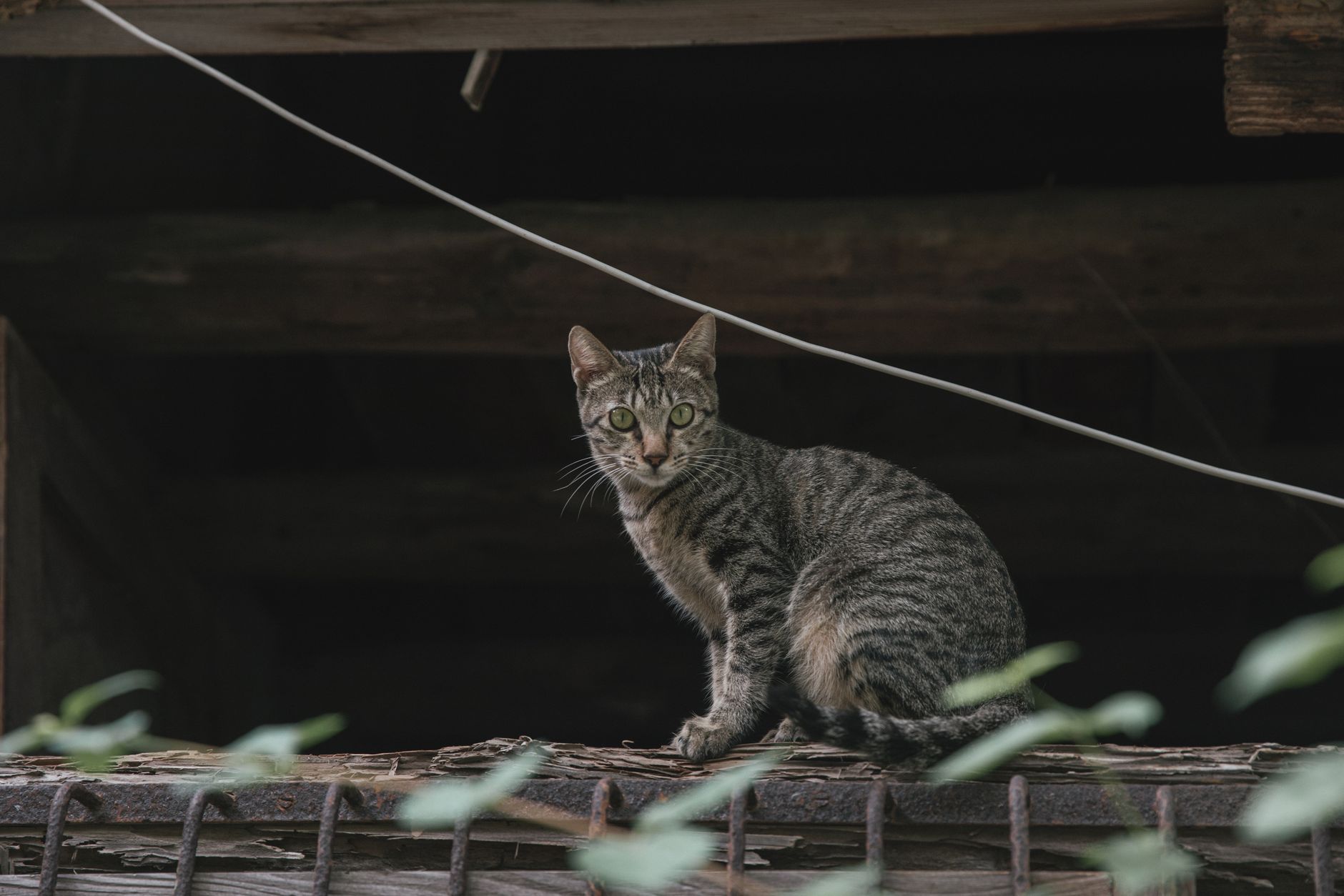
Your cat keeps coughing up hairballs because routine self-grooming swallows loose fur that gathers in the stomach. Backward-facing papillae on the tongue trap hair, and indigestible strands clump into a mass called a trichobezoar. Merck Veterinary Manual describes this tongue-to-stomach path in its managing hairballs guidance. Coat length, shedding season, and grooming intensity shape how often it happens.
Table of Contents
- Why do some cats produce more hairballs?
- How often is normal?
- When should you call the veterinarian?
- How can you reduce hairballs safely?
Why do some cats produce more hairballs?
Longhaired breeds face greater hairball risk because full coats release more loose fur. All cats swallow extra hair during seasonal coat-shedding periods.
Merck Veterinary Manual and Cornell veterinarians tie this added shedding to more swallowed hair. A longhaired cat that grooms often will therefore cough up hairballs more readily than a shorthaired, light groomer.
How often is normal?
Vomiting a hairball about once every week or two counts as normal, especially for heavy groomers and heavy shedders. The Cornell University College of Veterinary Medicine Feline Health Center calls that pace not worrisome in its hairy dilemma overview.
That normal pattern reflects swallowed fur moving out by vomiting. The concern starts when vomiting becomes repeated, unproductive, or more frequent than that occasional rhythm.
When should you call the veterinarian?
Texas A&M veterinarians report hairballs form when too much hair collects in the gut or gut movement changes. They note regular recurrence can signal skin, over-grooming, or digestive disease needing diagnosis, as explained in their handling a hairball hassle report. Cornell veterinarians warn a retained hairball can harden, irritate the stomach, or block the intestines.
Cornell veterinarians and Merck Veterinary Manual advise prompt care for these signs. Contact your clinic quickly if you see any of the following. Cornell veterinarians report severe blockages may need several days of intravenous fluids plus veterinarian-supervised laxatives or surgery. Bring notes on frequency, appetite, stool, and energy to the visit.
- repeated retching without bringing up a hairball
- lethargy, constipation, or repeated vomiting
- refusal to eat for more than a day
- hairballs more often than the occasional normal pattern
How can you reduce hairballs safely?
Frequent brushing removes loose fur before your cat swallows it. Adequate water, veterinarian-approved hairball diets or treats, and veterinarian-directed passage aids help remaining hair pass in stool.
Cornell veterinarians outline these coat, hydration, diet, and passage-aid steps in their danger of hairballs guidance. Never give laxatives or mineral oil without veterinary approval, and ask your veterinarian which brush routine and diet fit your cat.