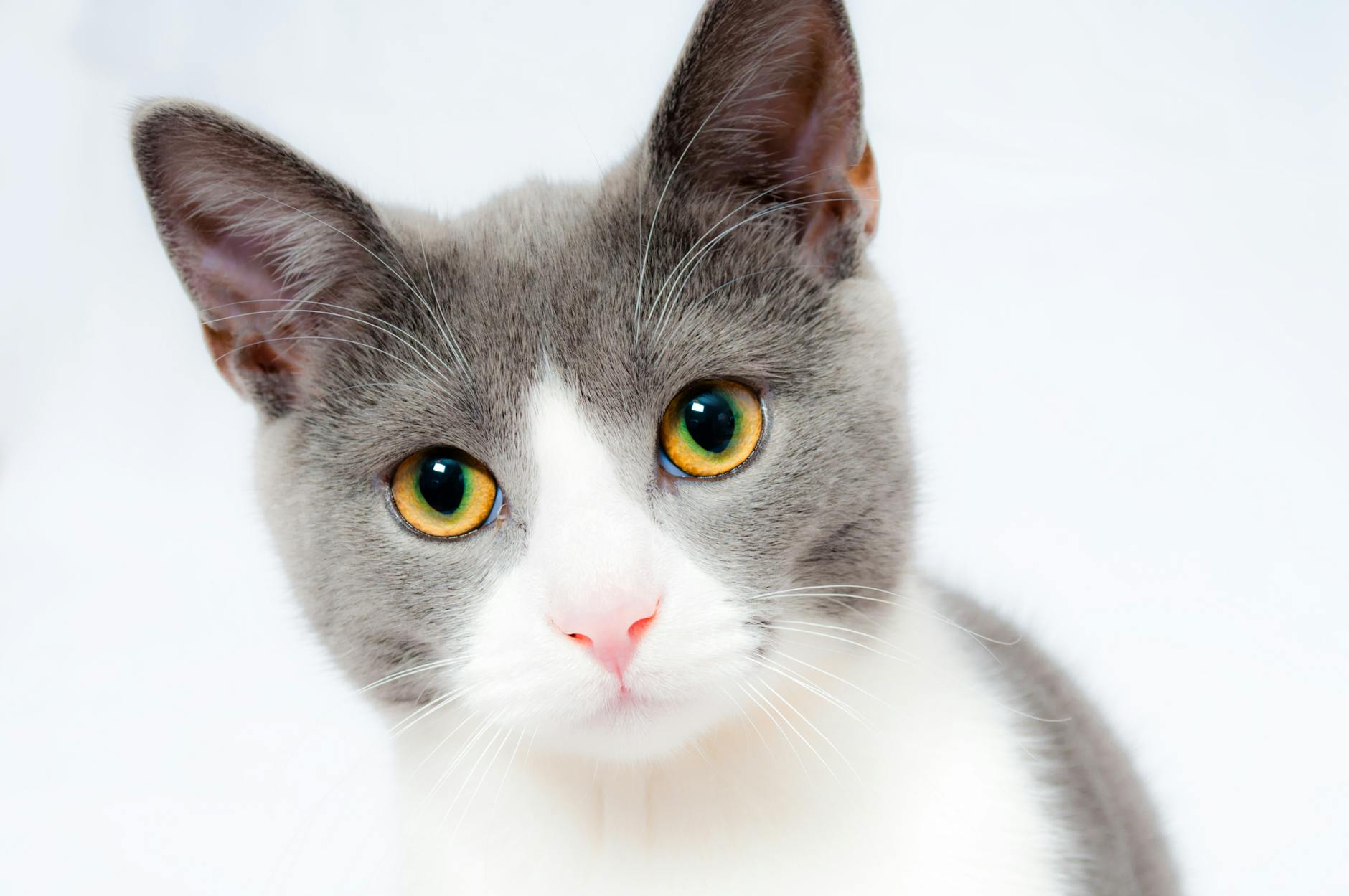
The grey and white cat breed with blue eyes you’re most likely thinking of is the Snowshoe, a striking breed developed in the United States during the 1960s by crossing Siamese cats with American Shorthairs. This distinctive breed features the iconic combination of a light cream or tan body with darker seal or blue points on the face, ears, tail, and legs, paired with characteristic white feet that give the breed its “snowshoe” name. The breed’s most captivating feature is its eyes—a sparkling blue to pale blue-gray color that immediately draws attention and reflects their Siamese ancestry.
Snowshoes aren’t the only cats that fit this description, but they’re by far the most recognizable. If you’ve seen a grey and white cat with striking blue eyes, there’s a good chance you were looking at a Snowshoe or one of several related colorpoint breeds that share similar features. Understanding which breed you’re interested in matters because each has different temperament, health considerations, and care requirements.
Table of Contents
- What Makes the Snowshoe Breed Unique?
- Understanding the Snowshoe’s Coat Pattern and Development
- The Blue Eye Connection in Colorpoint Cats
- Temperament and Ownership Considerations
- Health Considerations and Genetic Factors
- Other Grey and White Blue-Eyed Breeds to Know
- Choosing Between Colorpoint Breeds
- Conclusion
What Makes the Snowshoe Breed Unique?
The Snowshoe stands out among cat breeds because of its very deliberate creation and the specific traits breeders aimed to achieve. By combining the pointed coloration and intelligence of Siamese cats with the sturdier build and temperament of American Shorthairs, breeders created a cat that retained the Siamese’s striking appearance while often being less vocal and more adaptable. The breed’s development in the 1960s was relatively recent in feline history, making Snowshoes newer than many other recognized breeds.
What truly distinguishes Snowshoes from similar-looking breeds is the precise placement and appearance of their white markings. The breed has an inverted V-shaped white marking between the eyes and over the muzzle that’s quite distinctive—not just white paws, but a specific facial pattern that breeders have worked to standardize. Unlike Siamese cats, which have all dark points, Snowshoes carry that distinctive white on their feet and face, creating a more balanced appearance. This makes them visually distinct from purebred Siamese or other solid colorpoint cats.
Understanding the Snowshoe’s Coat Pattern and Development
The Snowshoe’s coat pattern is a short-haired bicolor colorpoint design that develops gradually over time. When Snowshoe kittens are born, they arrive completely white—a trait that surprises many new owners who aren’t expecting the dramatic transformation that follows. Over the course of several weeks, the darker coloring gradually emerges on the points (face, ears, tail, and legs), while the body remains lighter in cream or tan tones. This development process means that you can’t fully assess a Snowshoe’s final appearance or marking pattern until it reaches several months of age. One important limitation to understand is that not all Snowshoes develop identical marking patterns.
While breeders work toward consistent standards, variations in where the white appears and how defined the colored points are can differ between individual cats. Some Snowshoes may have more extensive white markings than others, or their points may be darker seal brown or a lighter blue-grey depending on their genetics. This natural variation means that two Snowshoes from different litters can look noticeably different, which matters if you have specific aesthetic preferences when selecting a kitten. The short coat requires minimal grooming compared to long-haired breeds, but it does shed regularly. Owners should be prepared for consistent, moderate shedding year-round, with heavier shedding during spring and fall when cats transition between seasons.
The Blue Eye Connection in Colorpoint Cats
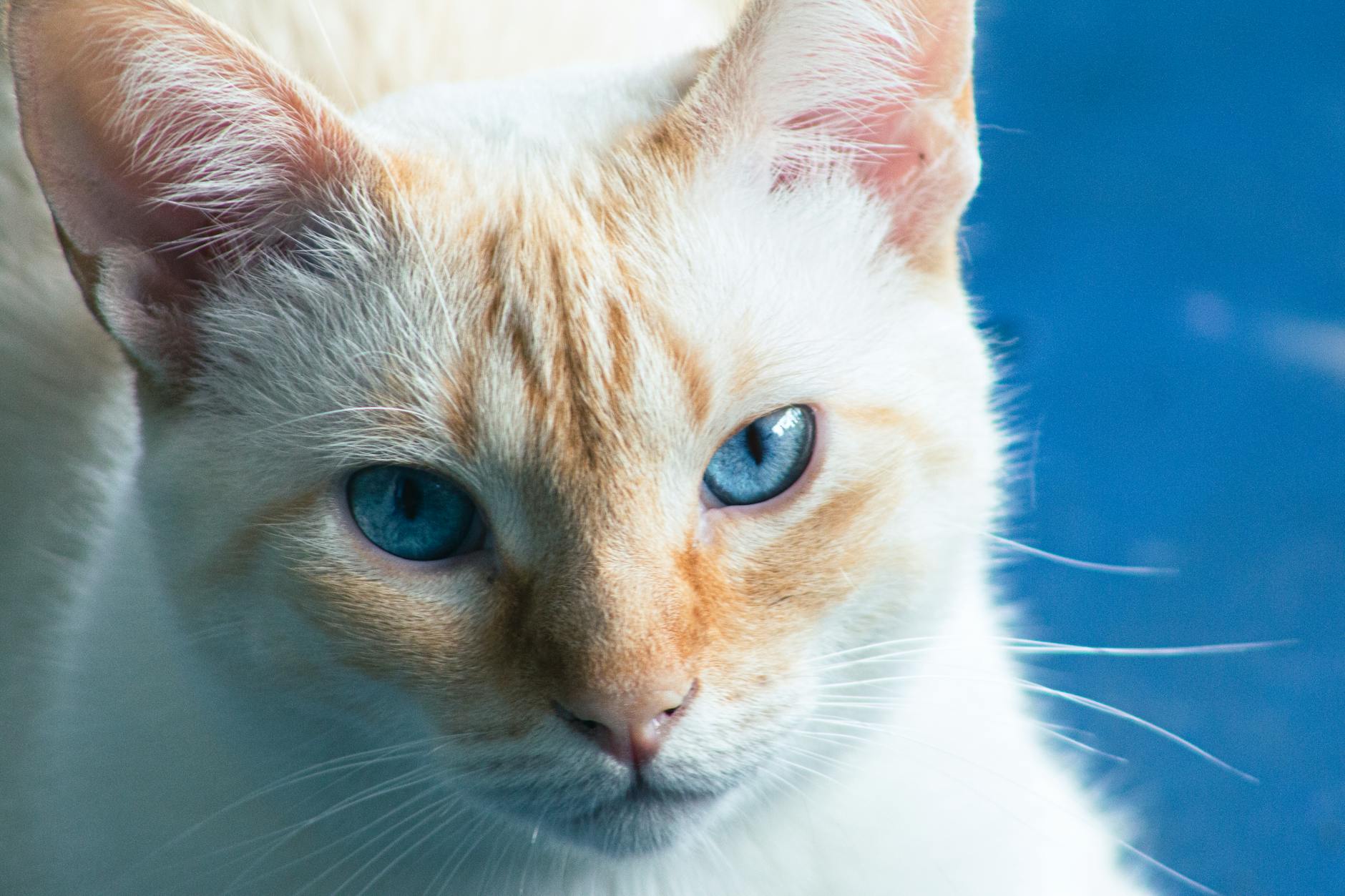
The striking blue eye color found in Snowshoes, Siamese, Birmans, and Ragdolls is directly linked to the colorpoint gene that creates their distinctive dark markings. This isn’t a coincidence—the same genetic pathway that produces point coloration also produces blue eyes. The blue color is a result of light refraction in the cat’s eye rather than the presence of blue pigment, similar to how blue eyes work in humans and other animals. All colorpoint cats with this gene will have blue eyes rather than the typical green or amber found in other breeds. The depth and shade of blue can vary among individual cats within the same breed.
Snowshoes typically have sparkling blue to pale blue-gray eyes, while Ragdolls tend toward larger, rounder, deeper-blue eyes. Birmans also display deep-blue eyes but with a slightly different shape and expression than Ragdolls. These variations in eye shape, size, and shade are breed-specific traits that breeders have worked to standardize, but individual variation is natural and expected. Understanding that blue eyes are linked to colorpoint genetics helps explain why you won’t find blue-eyed cats in breeds that don’t carry the colorpoint gene. If a cat has the Siamese-derived colorpoint pattern, you can reliably expect blue eyes as part of that package.
Temperament and Ownership Considerations
Snowshoes are known for being more sociable and less vocal than their Siamese ancestors, though they still retain intelligence and engagement that makes them excellent interactive companions. They tend to enjoy human attention without being as demanding as purebred Siamese cats, making them a good middle ground for people who want a distinctive-looking cat with a friendly personality. Many Snowshoe owners describe their cats as people-oriented and moderately active, willing to play but not obsessively attention-seeking.
However, there’s an important tradeoff to consider: while Snowshoes are generally less vocal than Siamese, they’re still more communicative than many other domestic breeds. If you live in an apartment or need a very quiet cat, a Snowshoe may not be your ideal match. Additionally, because they’re moderately social, they may not adapt well to being left alone for extended periods during the day. Compared to more independent breeds like American Shorthairs, Snowshoes will likely require more interactive engagement to stay mentally stimulated and content.
Health Considerations and Genetic Factors
Like many breeds developed from Siamese ancestors, Snowshoes can inherit some of the health predispositions common to that lineage. Progressive retinal atrophy and other eye conditions have occasionally been documented in colorpoint breeds, though reputable breeders work to screen for these issues. When obtaining a Snowshoe kitten, it’s important to ask about health testing and screening that the breeder has performed on parent cats, particularly regarding vision and kidney health.
The colorpoint gene itself carries a mild warning worth understanding: the genetic mechanism that creates point coloration is temperature-sensitive, meaning that point color is affected by body temperature. In cooler parts of the body (ears, tail, paws), the gene is more active and creates darker coloring. This is why you’ll never see a Snowshoe with white ears and a dark face—the coloring pattern is determined by biology rather than chance. It also means that cats living in very warm climates may develop lighter point coloring than those in cooler environments, though this is typically minor.
Other Grey and White Blue-Eyed Breeds to Know
Beyond the Snowshoe, several other breeds share the grey-and-white coloring with blue eyes combination, though they have different specific characteristics. The Ragdoll is one of the largest domesticated cat breeds, with males often reaching 12-20 pounds, and features large round deep-blue eyes that are proportionally larger and more prominent than those of Snowshoes. Ragdolls typically have semi-long coats and a more substantial body structure, making them a notably different physical presence compared to the sleek Snowshoe.
The Birman offers another variation on this theme—a medium-sized breed at 6-12 pounds with a medium-to-long coat, deep-blue eyes, and characteristic white feet despite having dark-colored points. The key distinguishing feature of Birmans is that they maintain white feet and sometimes white gloves (white fur extending up the legs) regardless of their point color, creating a very specific appearance. The original colorpoint breed, the Siamese, also features blue eyes as part of its genetic legacy, though traditional Siamese lack the white markings that define Snowshoes and Birmans.
Choosing Between Colorpoint Breeds
If you’re drawn to grey and white cats with blue eyes, understanding the differences between available breeds helps you make an informed choice. Snowshoes offer a moderate size, shorter coat, and typically calmer temperament compared to Siamese while maintaining that distinctive appearance. They’re a good choice for families wanting an attractive, engaged cat that isn’t overwhelming in personality or grooming needs.
As colorpoint cats grow in popularity and breeders continue refining these breeds, the future likely holds even more specific variations within the colorpoint category. Some breeders are working to preserve traditional looks while others are developing new aesthetic standards. If you’re planning to add a colorpoint cat to your family, seeking out ethical breeders with transparent health testing and breed standards will ensure you get a healthy cat that matches your expectations.
Conclusion
The grey and white cat breed with blue eyes that most people encounter is the Snowshoe, a relatively modern breed that combines Siamese striking features with American Shorthair practicality. Their distinctive inverted V-shaped facial markings, white feet, and sparkling blue eyes make them immediately recognizable, while their moderate temperament and shorter coat make them accessible to most cat owners.
Understanding that they’re born white and develop their point coloring over several weeks helps set proper expectations if you’re considering a Snowshoe kitten. If you’re drawn to this particular look in cats, take time to research breeders, meet cats in person if possible, and consider what personality traits matter most to your household. Whether you choose a Snowshoe, Ragdoll, Birman, or another colorpoint breed, you’ll be getting a cat with a fascinating genetic heritage and a striking appearance that never fails to turn heads.