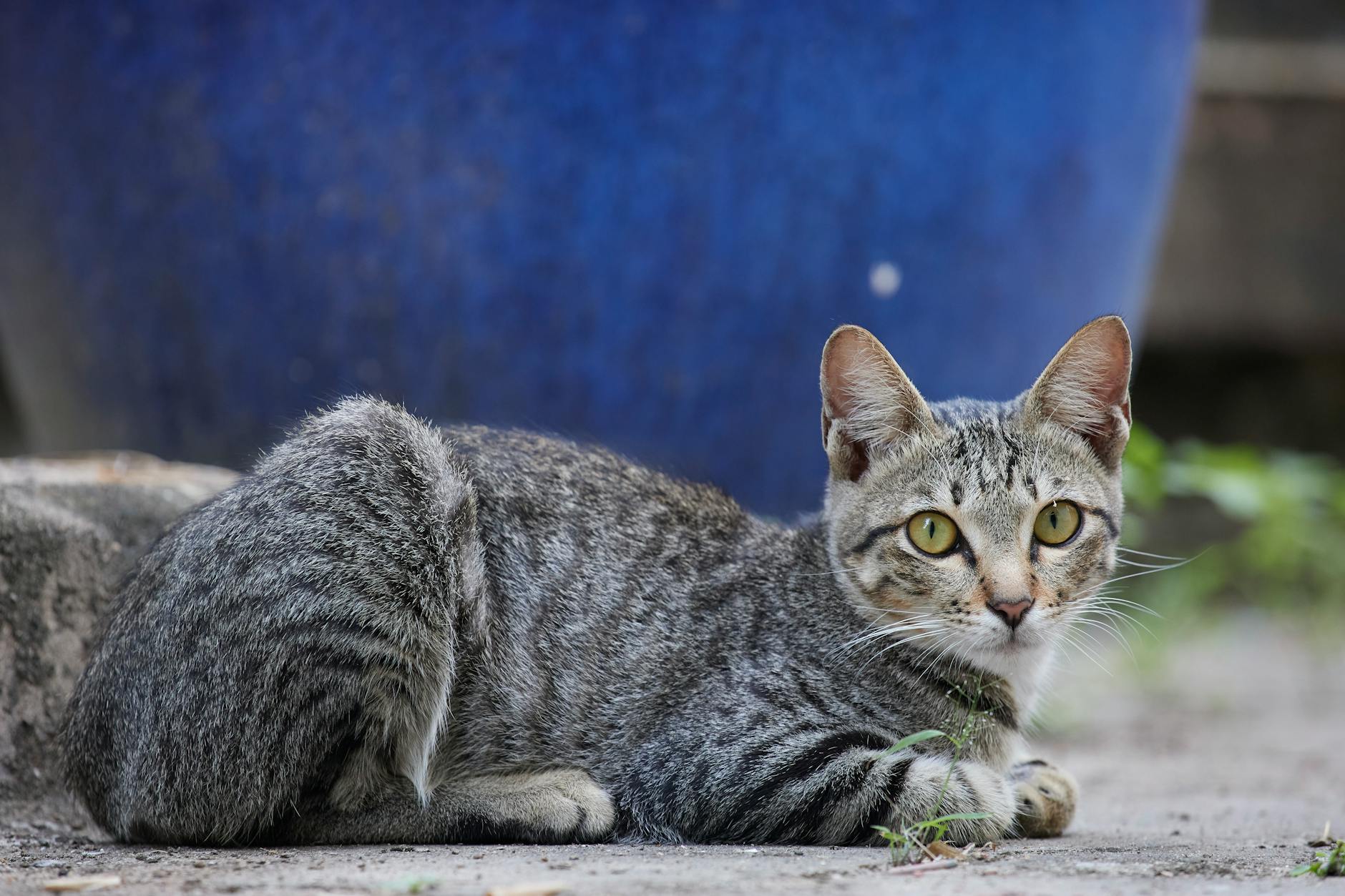
When you picture a striped cat with striking blue eyes, you’re most likely imagining a Lynx Point Siamese or a Lynx Ragdoll. These are the primary cat breeds that combine tabby-like striping with the distinctive blue eye color that captures so many cat lovers’ attention. The Lynx Point Siamese, for example, features the characteristic M-shaped marking on its forehead along with striped patterns on its head, legs, and tail, paired with intense blue almond-shaped eyes.
Both breeds result from the combination of the Siamese colorpoint gene with the tabby gene, creating a visually striking appearance that makes them instantly recognizable. The term “striped” in cat breeding specifically refers to tabby markings that create distinct lines and patterns across the cat’s body. These stripes aren’t just cosmetic—they’re the result of specific genetic combinations that also influence the breed’s eye color, personality, and physical characteristics. Understanding what makes these breeds special requires exploring both the genetics and the practical realities of living with these energetic, talkative companions.
Table of Contents
- What Are the Main Striped Cat Breeds Known for Blue Eyes?
- Lynx Point Siamese Cats: Distinctive Features and Genetics
- Lynx Ragdoll Cats: Another Popular Striped Blue-Eyed Breed
- Understanding the Genetics Behind Striped Coats and Blue Eyes
- Health Considerations and Breed-Specific Challenges
- Personality and Temperament Traits
- Choosing Between Striped Blue-Eyed Breeds
- Conclusion
What Are the Main Striped Cat Breeds Known for Blue Eyes?
Two primary breeds dominate the striped blue-eyed cat landscape: the Lynx Point Siamese and the Lynx Ragdoll. The Lynx Point Siamese features the more angular, slender body type associated with Siamese cats, while maintaining the breed’s famously vocal personality. Interestingly, different cat registries classify this breed differently—the Cat Fanciers’ Association (CFA) recognizes them as Colorpoint Shorthairs, while The International Cat Association (TICA) lists them as a color variation of Siamese.
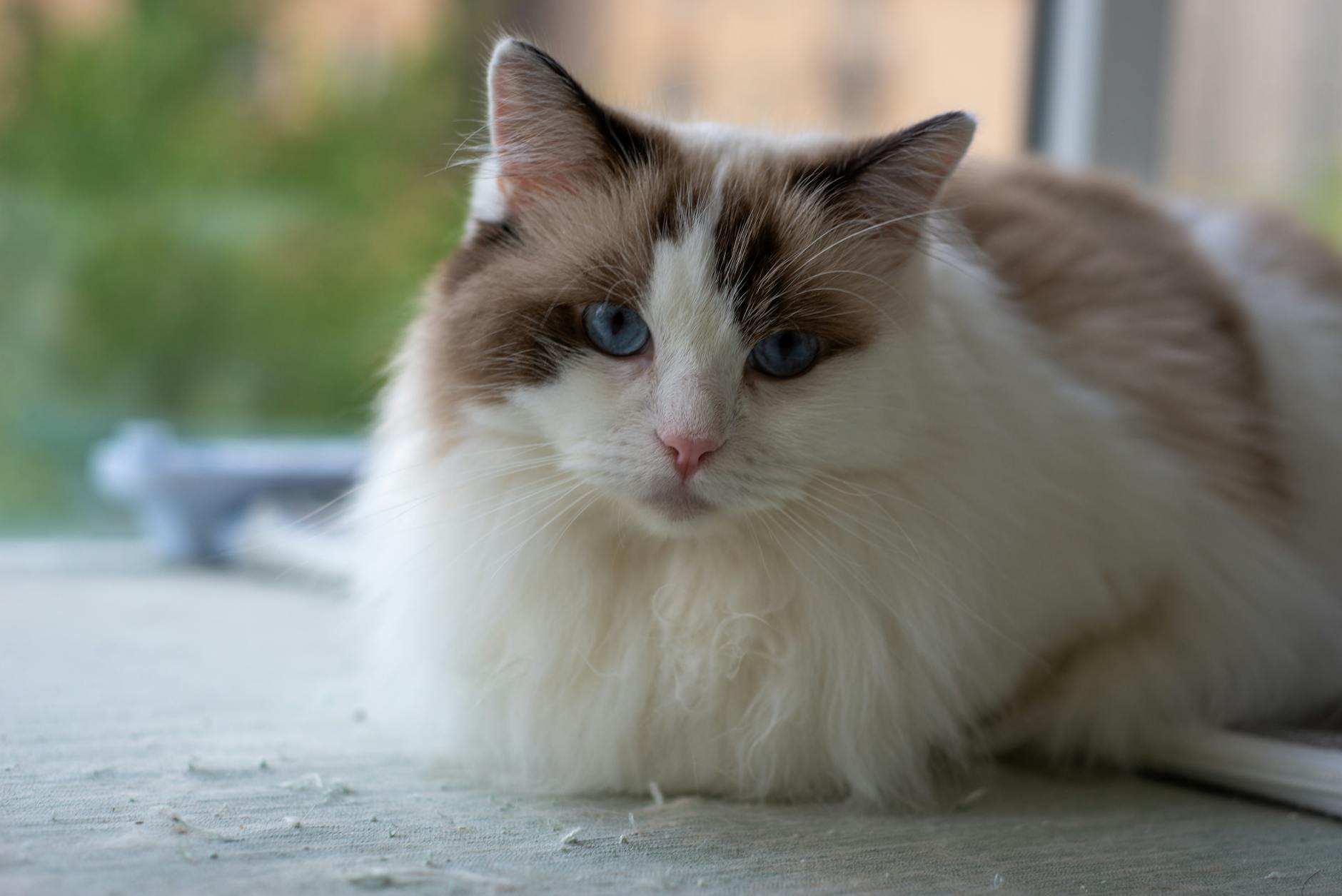
This classification difference doesn’t change the cat itself, but it can affect show eligibility and breed standards depending on where you’re registering your cat. The Lynx Ragdoll offers a different body type entirely, featuring a larger, more muscular frame and a thick, soft semi-long coat compared to the Siamese’s sleeker appearance. Lynx Ragdolls are available in three pattern variations: bicolor, mitted, and colorpoint, with the tabby striping appearing on the face, ears, legs, and tail. Both breeds come in multiple color point variations—including seal lynx point, chocolate lynx point, blue lynx point, and lilac lynx point—giving cat owners significant options when selecting their ideal companion.

Lynx Point Siamese Cats: Distinctive Features and Genetics
The Lynx Point Siamese represents one of the most visually distinctive cat breeds, thanks to the combination of two dominant genetic traits. The distinctive M-shaped marking on the forehead is signature to the breed, alongside the characteristic tabby stripes that run along the body, creating a hybrid appearance between a traditional Siamese and a tabby cat. Their blue almond-shaped eyes are typically a more intense, sapphire-like blue compared to the Lynx Ragdoll’s rounder, sometimes paler blue eyes. The genetics behind this appearance involves the Siamese colorpoint gene (which restricts color to the extremities) combining with the tabby gene (which creates the striping pattern), producing cats that express both traits simultaneously.
One important limitation to understand with Lynx Point Siamese cats is their vocal nature—these cats are notoriously chatty and demanding of human interaction. If you live in an apartment or prefer a quieter household, this breed may not be the right fit. Additionally, the colorpoint pattern means their darker markings develop over time as kittens grow, so you won’t see the full adult coloring immediately. Some potential owners are surprised by how much these cats demand attention and how persistently they’ll communicate their needs, often following their humans from room to room and “talking” throughout the day.
Lynx Ragdoll Cats: Another Popular Striped Blue-Eyed Breed
Lynx Ragdolls bring a distinctly different aesthetic and temperament to the striped blue-eyed cat category. Their larger frame, weighing between 10-20 pounds when fully grown, paired with their plush semi-long coats, gives them a more substantial and cuddly appearance than Lynx Point Siamese cats. The tabby striping in Lynx Ragdolls is produced by the agouti gene, a dominant gene that creates banding on individual hairs, which explains why you see distinct striped patterns rather than solid-colored points.
Their blue eyes range from pale sky blue to vivid sapphire, typically appearing larger and rounder than the Siamese’s almond shape. The pattern variations available in Lynx Ragdolls add significant diversity to the breed. A Lynx Mitted Ragdoll displays tabby striping combined with white markings on the paws and chest, while a Lynx Bicolor Ragdoll shows both tabby patterns and the colorpoint restrictions with white accents on the face and body. These differences affect not just appearance but also the visual impact of the striping pattern, as the white accents can make the stripes appear more or less prominent depending on the specific cat.
Understanding the Genetics Behind Striped Coats and Blue Eyes
The genetics of striped coats and blue eyes in cats involves multiple genes working together in specific combinations. The Siamese colorpoint gene is a recessive trait that restricts pigment production to cooler parts of the body—the face, ears, paws, and tail. When combined with the dominant tabby gene, you get the distinctive pattern of striped points rather than solid-colored ones. This is why Lynx Point Siamese and Lynx Ragdoll kittens are often born almost entirely white or very pale, with the colored points developing gradually as they mature.
The blue eye color in these breeds is directly linked to the colorpoint gene pattern. Not all cats with the colorpoint gene have blue eyes, but the vast majority of Siamese and Ragdoll cats do. The blue coloration results from the way light reflects through the transparent lens of the eye combined with reduced pigmentation in the iris. This is why blue-eyed colorpoint cats sometimes have a slightly different visual appearance than other blue-eyed breeds—the intensity and shade can vary based on other genetic modifiers. Understanding these genetic factors helps explain why striped blue-eyed cats breed relatively true, with offspring typically displaying similar characteristics to their parents.
Health Considerations and Breed-Specific Challenges
Both Lynx Point Siamese and Lynx Ragdoll cats inherit certain health predispositions common to their parent breeds. Siamese cats, including Lynx Point variants, have a higher incidence of progressive retinal atrophy (PRA) and other eye conditions, which is somewhat ironic given how much attention their blue eyes attract. Ragdolls can be prone to hypertrophic cardiomyopathy (HCM), a heart condition that affects the breed more frequently than the general cat population. Before purchasing a kitten, responsible buyers should ask breeders for genetic health testing results, particularly for these breed-specific concerns.
Another important consideration is the genetic link between the colorpoint gene and potential strabismus (crossed eyes) and other ocular issues. Some colorpoint cats, including Lynx Points and Lynx Ragdolls, may display slight eye crossing, which is often harmless but worth monitoring. Additionally, the genes responsible for the blue eye color and colorpoint pattern can occasionally be associated with deafness, particularly in cats with predominantly white coats. While this is more common in solid white cats, it’s still a consideration in Bicolor Ragdoll cats that feature more white coloring.
Personality and Temperament Traits
The personality differences between Lynx Point Siamese and Lynx Ragdoll cats are as significant as their physical differences. Lynx Point Siamese cats inherit the breed’s highly vocal and social nature—they’re communicative, demanding, and often form intense bonds with their human families. These cats thrive on interaction and can become destructive or develop behavioral issues if left alone for extended periods. A typical Lynx Point Siamese will greet you at the door, supervise your activities, and maintain a running dialogue with you throughout the day.
Lynx Ragdolls, while still affectionate and people-oriented, tend to have a more laid-back temperament than Siamese cats. They’re known as “puppy cats” because they often follow their owners from room to room and enjoy interactive play, but they’re generally less vocal and demanding. Ragdolls are often more content to lounge on the couch beside you rather than insistently demanding attention. If you value a quieter household or have less time for intensive interaction, a Lynx Ragdoll may be the better choice despite sharing the striking blue eyes and tabby striping you’re attracted to.
Choosing Between Striped Blue-Eyed Breeds
When deciding between a Lynx Point Siamese and a Lynx Ragdoll, consider your living situation and lifestyle. Lynx Point Siamese cats do well in active households where their vocal nature and social demands are appreciated or where they’ll receive significant human interaction. They’re ideal for people who love talkative pets and want a cat that’s deeply involved in their daily activities. The breed’s sleek appearance and intense personality create a very distinctive household dynamic.
Lynx Ragdolls suit different living situations—they adapt well to various environments and are generally more flexible in their needs. Their larger size and semi-long coat require more grooming than Siamese cats, but many owners find their calmer demeanor and cuddle-loving nature worth the extra maintenance. Looking forward, both breeds continue to grow in popularity, with breeders developing more color point variations and refinements to the types. As genetic testing becomes more accessible and affordable, more breeders are screening for health issues, which should continue to improve the overall health of both breeds.
Conclusion
Striped cat breeds with blue eyes primarily include the Lynx Point Siamese and the Lynx Ragdoll, both offering stunning visual appeal with very different personalities and care requirements. These breeds combine the Siamese colorpoint gene with tabby striping genes, creating cats with distinctive M-marked foreheads, body stripes, and striking blue eyes that range from pale sky blue to vivid sapphire. Understanding the genetic basis for these traits helps explain both their appearance and their potential health considerations.
Before adding a striped blue-eyed cat to your family, research breeders carefully, ask about health testing, and honestly assess which breed’s personality better matches your lifestyle. Both Lynx Point Siamese and Lynx Ragdoll cats can be wonderful companions, but they require different levels of attention and maintenance. Visit cat shows or connect with breed-specific communities to spend time with both breeds before making your decision, ensuring you choose the perfect striped blue-eyed companion for your home.