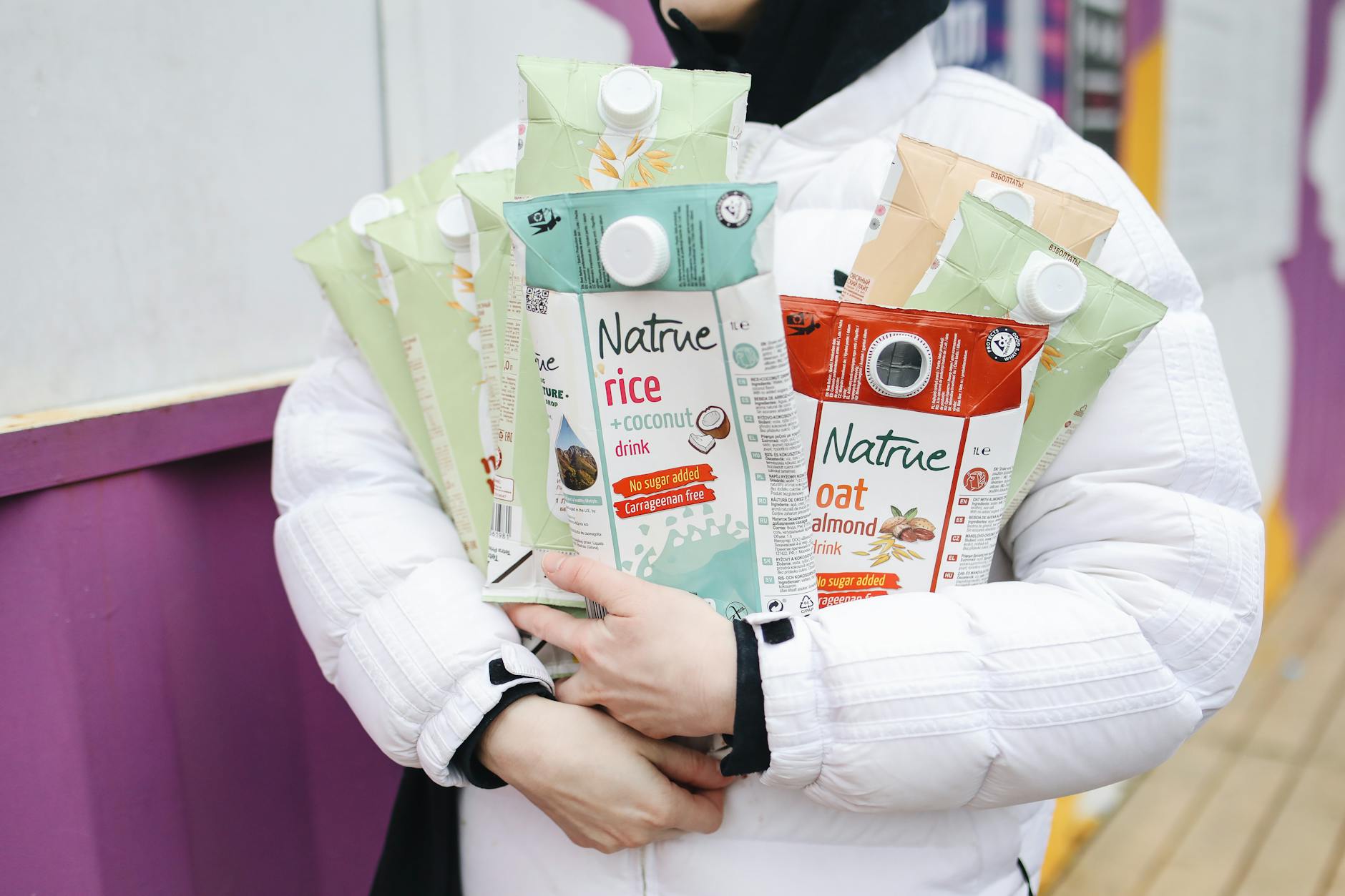
Oat milk is generally safe for cats in small amounts, but it offers no nutritional benefit and can cause digestive upset in some felines. Unlike cow’s milk, oat milk doesn’t contain lactose, which means it won’t trigger the classic lactose intolerance symptoms that affect most adult cats. However, “safe” doesn’t mean “recommended”””cats are obligate carnivores with digestive systems designed to process meat, not plant-based beverages. A few laps from a spilled glass won’t send your cat to the emergency vet, but regularly offering oat milk as a treat can lead to gastrointestinal issues and unnecessary caloric intake.
Consider a common scenario: your cat jumps on the counter and takes a few sips of your morning oat milk latte before you can stop them. In this case, you likely have nothing to worry about beyond wiping down the counter. The situation changes if you’re deliberately giving your cat oat milk daily, which can contribute to weight gain and may displace appetite for nutritionally complete cat food. This article covers the specific risks of oat milk for cats, how it compares to other milk alternatives, signs of digestive trouble to watch for, and what veterinarians actually recommend when it comes to cats and non-dairy beverages.
Table of Contents
- Why Do Cats Want Oat Milk in the First Place?
- Nutritional Content of Oat Milk and Feline Dietary Needs
- How Oat Milk Compares to Other Milk Alternatives for Cats
- Signs Your Cat Is Having a Reaction to Oat Milk
- Ingredients in Commercial Oat Milk That May Harm Cats
- What Veterinarians Recommend About Cats and Plant-Based Milks
- The Role of Cat Milk Products in Feline Treats
- Long-Term Considerations for Feline Diet and Treats
- Conclusion
Why Do Cats Want Oat Milk in the First Place?
Cats are attracted to milk and milk alternatives primarily because of the fat content, not because they have any biological need for these beverages. The high fat concentration in most milks creates a creamy texture and appealing taste that cats find irresistible””a trait that likely evolved from nursing as kittens. Once cats are weaned, typically around eight weeks of age, their bodies begin producing less lactase, the enzyme needed to digest lactose, making traditional dairy problematic for most adult cats. Oat milk’s appeal to cats lies partly in its texture and partly in simple curiosity. Cats often want to investigate whatever their humans are consuming, and a bowl of cereal or a latte presents an interesting opportunity.
Unlike the instinctive drive to hunt prey, there’s no nutritional logic behind a cat’s interest in plant-based milk. Commercial oat milk also frequently contains added oils, such as rapeseed or sunflower oil, which enhance the creamy mouthfeel and further attract feline attention. The distinction between wanting something and needing something matters here. A cat begging for oat milk is exhibiting learned behavior or natural curiosity, not expressing a dietary requirement. Many cat owners mistake enthusiasm for food as evidence that the food is good for their pet, which leads to well-intentioned but misguided treat-giving habits.
Nutritional Content of Oat Milk and Feline Dietary Needs
Oat milk contains carbohydrates, fiber, and sometimes added vitamins and minerals””none of which align with what cats need to thrive. Cats require a diet high in animal protein and fat, with minimal carbohydrates. Their livers and digestive systems are optimized for metabolizing meat, and they lack certain enzymes that omnivores and herbivores use to process plant materials efficiently. A typical serving of unsweetened oat milk contains about 120 calories, 5 grams of fat, 16 grams of carbohydrates, and only 3 grams of protein, representing almost the opposite of an ideal feline nutritional profile. The fiber content in oat milk presents a particular concern for cats.
While a small amount of fiber can aid digestion, cats are not equipped to handle the levels found in plant-based foods. Oat milk contains beta-glucan, a type of soluble fiber that can cause bloating, gas, and loose stools in cats when consumed in more than trace amounts. A cat weighing ten pounds who drinks two tablespoons of oat milk has consumed a proportionally significant amount of fiber relative to their body size and digestive capacity. However, if your cat has only occasional, incidental exposure to oat milk””such as licking a bowl after you’ve finished your cereal””the nutritional mismatch is unlikely to cause problems. The issue arises with regular consumption, where the calories from oat milk can contribute to obesity and the carbohydrates may stress a system not designed to process them. Cats with diabetes or those prone to weight gain should avoid oat milk entirely, as even small amounts add unnecessary sugars and carbohydrates to their diet.
How Oat Milk Compares to Other Milk Alternatives for Cats
Among non-dairy milk options, oat milk falls somewhere in the middle regarding safety for cats””better than some alternatives but not as benign as others. Almond milk, for instance, contains compounds that some cats have difficulty processing, and the high fat content in coconut milk can trigger pancreatitis in susceptible animals. Soy milk contains phytoestrogens that may affect hormone levels with long-term exposure. Plain, unsweetened oat milk lacks these specific concerns but shares the universal problem of being nutritionally inappropriate for felines. The safest “milk” option for cats, if you feel compelled to offer one, is specially formulated cat milk sold in pet stores. These products are lactose-free, lower in fat than regular milk, and sometimes fortified with taurine and other nutrients cats need.
They’re designed as occasional treats rather than dietary staples. Compared to oat milk, cat-specific milk products cost more but eliminate the guesswork about ingredients and serving sizes. A direct comparison illustrates the point: a two-tablespoon serving of commercial cat milk typically contains around 25 calories and is formulated to be digestible for cats. The same amount of oat milk contains about 15 calories but offers carbohydrates and fiber that cats don’t need. The caloric difference is minor, but the digestibility difference is significant. If your cat enjoys creamy treats, the purpose-made option is worth the extra expense.
Signs Your Cat Is Having a Reaction to Oat Milk
Digestive upset from oat milk typically appears within a few hours of consumption and can include vomiting, diarrhea, excessive gas, and abdominal discomfort. Some cats may become lethargic or refuse their regular food after drinking oat milk, indicating gastrointestinal distress. These symptoms usually resolve on their own within 24 hours if the oat milk was a one-time occurrence, but persistent or severe symptoms warrant a call to your veterinarian. One cat owner reported that her Maine Coon, who had been receiving small amounts of oat milk as a daily treat for several weeks, developed chronic soft stools that her vet initially struggled to diagnose. After eliminating the oat milk from the cat’s diet, normal digestion returned within days.
This example highlights how gradual, low-level digestive issues can fly under the radar when the cause is something perceived as harmless. Watch for subtler signs as well, particularly in cats with sensitive stomachs. Increased frequency of hairball vomiting, reluctance to eat breakfast, or changes in litter box habits can all indicate that something in the diet isn’t agreeing with your cat. If you’ve recently introduced oat milk and notice any of these changes, discontinue it and observe whether symptoms improve. Cats cannot verbalize discomfort, so owners must pay attention to behavioral and physical cues.
Ingredients in Commercial Oat Milk That May Harm Cats
Beyond the oats themselves, commercial oat milk products often contain additives that range from harmless to potentially problematic for cats. Many brands add rapeseed oil or sunflower oil for creaminess, salt for flavor, and calcium carbonate or vitamins for fortification. While none of these ingredients are acutely toxic to cats, some can cause issues with regular consumption. Added sugars, present in many flavored oat milk varieties, are particularly concerning and should never be given to cats. The ingredient that demands the most caution is xylitol, an artificial sweetener that is highly toxic to dogs and may also affect cats.
While xylitol is more commonly found in other products, some specialty or sugar-free oat milk brands may include it. Always read ingredient labels carefully, and when in doubt, assume that any processed human food could contain something unsuitable for your cat. A general rule applies here: the longer the ingredient list, the less appropriate the product is for feline consumption. Organic or “simple ingredient” oat milks with minimal additives present lower risk for occasional exposure but still offer no benefit to cats. The oats themselves, even without additives, contain compounds that cats don’t digest efficiently. There is no formulation of oat milk that transforms it into an appropriate regular treat for cats, regardless of how natural or organic the label claims to be.
What Veterinarians Recommend About Cats and Plant-Based Milks
Veterinary consensus on plant-based milks for cats is straightforward: there’s no reason to offer them, and potential reasons not to. Most vets advise that fresh, clean water should be the only beverage cats consume regularly. Cats evolved in arid environments and obtain much of their hydration from prey in the wild, which is why many housecats don’t drink as much water as their owners expect. Adding oat milk to the diet doesn’t address hydration needs and may actually reduce water intake if cats fill up on the alternative. Some veterinarians acknowledge that very small, infrequent amounts of plain oat milk are unlikely to cause harm in healthy adult cats.
The emphasis falls on “very small” and “infrequent”””a teaspoon as an occasional rare treat, not a daily ritual. Cats with any underlying health conditions, particularly digestive disorders, kidney disease, or diabetes, should avoid oat milk entirely. Senior cats and kittens also fall into higher-risk categories due to their more sensitive digestive systems. If you want to give your cat a special treat, veterinarians suggest options that align with feline biology: small pieces of cooked chicken, commercial cat treats formulated for dental health or hairball control, or freeze-dried meat treats. These satisfy the desire to spoil your cat without introducing nutritionally inappropriate substances into their diet.
The Role of Cat Milk Products in Feline Treats
Purpose-formulated cat milk products exist specifically to satisfy cats’ attraction to creamy liquids without the drawbacks of regular dairy or plant-based alternatives. Brands like Cat-Sip and Whiskas Cat Milk use real dairy that has been treated to remove lactose, making it digestible for adult cats. These products are also lower in fat than regular milk and portion-controlled to prevent overconsumption.
The cost difference between oat milk and cat milk is notable””cat milk products typically run $3 to $5 for an 8-ounce carton, while oat milk costs roughly $4 to $6 for 32 ounces. On a per-serving basis, cat milk is more expensive, but the investment buys peace of mind and a product designed for your pet’s physiology. For owners who enjoy giving their cats liquid treats, commercial cat milk represents the most responsible choice.
Long-Term Considerations for Feline Diet and Treats
Establishing healthy treat habits early in a cat’s life prevents problems later on. Cats who become accustomed to receiving oat milk or other human foods may refuse to eat their nutritionally complete cat food, holding out for tastier options. This behavior, sometimes called “treat addiction,” leads to nutritional deficiencies and weight management issues that become increasingly difficult to correct as cats age.
The broader principle extends beyond oat milk: cat diets should consist primarily of high-quality commercial cat food formulated to meet all feline nutritional requirements, with treats comprising no more than ten percent of daily caloric intake. Within that ten percent, treats should ideally be cat-specific products rather than human foods that happen to be non-toxic. This approach supports longevity, maintains healthy weight, and prevents the digestive issues that come from feeding cats foods their systems weren’t designed to process.
Conclusion
Oat milk sits in a gray zone for cats””not dangerous in small amounts but not beneficial in any amount. The lack of lactose makes it less immediately problematic than cow’s milk for most adult cats, but the carbohydrates, fiber, and added ingredients in commercial oat milk products can cause digestive upset and contribute to poor dietary habits over time. Cats who accidentally consume a small quantity of oat milk will almost certainly be fine, but deliberate, regular feeding should be avoided.
The best approach for cat owners is to satisfy their pet’s interest in creamy treats with products specifically designed for felines, or to redirect that interest toward appropriate treats like small pieces of cooked meat. Fresh water should remain the primary beverage in any cat’s diet, with other liquids reserved for rare occasions if offered at all. When in doubt about any human food’s suitability for your cat, consult your veterinarian before making it a regular part of your pet’s routine.