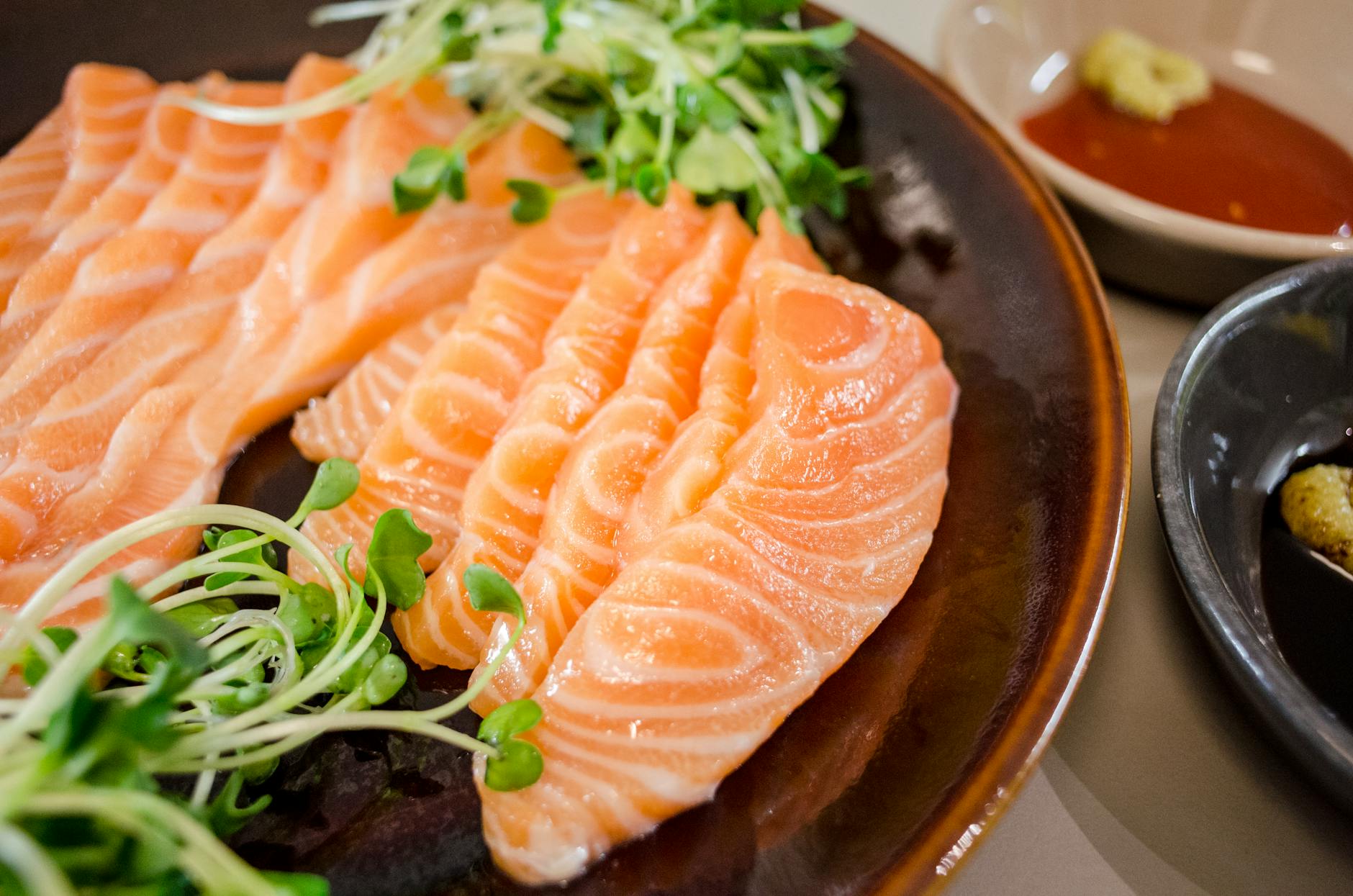
Yes, salmon skin is generally safe for cats to eat in moderation, provided it’s properly prepared and unseasoned. Many cats find salmon skin palatable and it contains beneficial omega-3 fatty acids that support skin and coat health. However, the safety depends heavily on how the salmon skin is prepared—raw, cooked, or canned salmon skin all carry different considerations that cat owners should understand before offering it to their pets.
Salmon skin from your own cooked fish at home differs significantly from processed salmon skin treats sold for cats. A cat eating a small piece of plain cooked salmon skin from your dinner plate is unlikely to experience problems, but feeding it regularly or in large quantities requires more careful consideration. The key distinction is between occasional treats and dietary staples, and between properly prepared food and products with added ingredients.
Table of Contents
- IS SALMON SKIN NUTRITIONALLY BENEFICIAL FOR CATS?
- HIDDEN DANGERS IN SALMON SKIN PREPARATION
- PORTION CONTROL AND FREQUENCY GUIDELINES
- COOKED VERSUS RAW SALMON SKIN FOR CATS
- POTENTIAL HEALTH COMPLICATIONS AND ALLERGIC REACTIONS
- SALMON SKIN VERSUS OTHER FISH TREATS
- ESTABLISHING SAFE TREAT HABITS WITH YOUR CAT
- Conclusion
- Frequently Asked Questions
IS SALMON SKIN NUTRITIONALLY BENEFICIAL FOR CATS?
Salmon skin contains omega-3 and omega-6 fatty acids, which can support a cat’s coat quality and reduce inflammation in the skin. These nutrients may be particularly helpful for cats with dry skin or dull coats, though cats derive most of their nutritional needs from their primary diet. A study examining feline nutrition found that properly balanced diets already contain sufficient fatty acids for most healthy cats, meaning salmon skin is an enhancement rather than a necessity.
The protein content in salmon skin is relatively high, though cats are obligate carnivores and should get most protein from their regular diet. If you’re considering adding salmon skin as a nutritional supplement, you’re generally better served by ensuring your cat’s base diet is high-quality meat-based food. Salmon skin can be viewed as an occasional supplement rather than a corrective measure for nutritional deficiencies.

HIDDEN DANGERS IN SALMON SKIN PREPARATION
Raw salmon presents a risk of parasites and bacteria, including thiaminase, an enzyme that can break down thiamine (vitamin B1) in your cat’s body. Cats fed large amounts of raw salmon over time can develop thiamine deficiency, which may cause neurological problems. This is why cooked salmon skin is significantly safer than raw—cooking destroys thiaminase and kills most pathogens.
However, even cooked salmon skin should not replace a balanced diet or become a daily treat. Canned salmon packed in water or oil presents fewer parasitic risks than fresh raw salmon, but many commercial canned salmon products contain salt or other additives inappropriate for cats. Reading labels carefully is essential if you choose this route. Some cats also have sensitivities to fish or may develop urinary tract issues if fish becomes a significant portion of their diet, though this is more common with diets where salmon is the primary protein source rather than an occasional supplement.
PORTION CONTROL AND FREQUENCY GUIDELINES
A single piece of cooked salmon skin the size of a cat treat—roughly half an inch to an inch—is a reasonable occasional offering for a healthy adult cat. If you offer salmon skin more than once a month, you’re moving from “occasional treat” into “regular supplement” territory, which requires more careful nutritional planning. Most veterinarians recommend treating salmon skin as you would other human foods: an infrequent indulgence rather than a dietary component.
The risk of obesity increases when treats and supplements constitute more than 10% of a cat’s daily caloric intake. A piece of salmon skin contains roughly 10-15 calories depending on size, which may represent 5-10% of a small cat’s daily needs in a single treat. This means that if you’re offering salmon skin twice weekly, combined with other treats and table scraps, your cat may exceed healthy caloric targets quickly. Tracking treat portions becomes important for cats prone to weight gain.

COOKED VERSUS RAW SALMON SKIN FOR CATS
Cooked salmon skin is unquestionably safer than raw for cats, making it the only form that should be offered to pets. Plain boiling or baking produces the safest product, while salmon skin seasoned with garlic, onion, salt, or oils can cause harm. Some owners prepare plain cooked salmon skin specifically for their cats, removing it before seasoning the rest of the fish for human consumption—this approach eliminates guesswork about what additives the skin contains.
Commercially available “salmon skin chews” or treats for cats often contain binders, preservatives, and processing agents not found in plain cooked salmon. While many of these products are safe, comparing a homemade plain cooked piece of salmon skin to a commercial product is like comparing grilled chicken breast to a chicken nugget. The homemade version gives you complete control over what your cat ingests, while commercial products introduce variables that may or may not be problematic for your individual animal.
POTENTIAL HEALTH COMPLICATIONS AND ALLERGIC REACTIONS
Some cats develop allergies or sensitivities to fish, manifesting as itching, digestive upset, or skin problems. Fish allergies in cats are less common than beef or chicken allergies but do occur, particularly in cats with sensitive digestive systems or existing skin conditions. If your cat has never eaten fish before, offering a small amount and observing for 24 hours is prudent before increasing portions.
Signs of a problem include vomiting, diarrhea, excessive itching, or behavioral changes. Cats with urinary tract disease or a history of urinary stones should avoid salmon skin entirely, as fish can contribute to urinary pH changes and mineral imbalances in susceptible individuals. Likewise, senior cats with kidney disease may struggle to process the higher sodium and protein content if salmon becomes a regular part of their diet. If your cat has any chronic health condition, consulting your veterinarian before introducing new foods—even fish—is the safest approach.

SALMON SKIN VERSUS OTHER FISH TREATS
Other fish options like plain cooked white fish, trout, or mackerel present similar safety profiles to salmon when prepared plainly. Mackerel contains higher levels of thiaminase than salmon, making it a riskier choice if consumed raw, though cooked mackerel is reasonable.
Tuna should be offered even more sparingly than salmon due to higher mercury content and its addictive nature in cats, which can lead to tuna preference over nutritionally balanced foods. Plain chicken or turkey skin offers a lower-risk treat alternative with similar appeal to most cats and fewer preparation considerations. If you’re looking to provide occasional treats, rotating between plain cooked poultry skin, salmon skin, and commercial cat treats gives your cat dietary variety while minimizing overexposure to any single protein source.
ESTABLISHING SAFE TREAT HABITS WITH YOUR CAT
Building good treat habits early in a cat’s life prevents complications later. If salmon skin becomes a weekly or semi-regular offering, treating it as part of your cat’s overall nutritional plan becomes important—meaning you might need to adjust portions of their regular food slightly.
Some veterinarians recommend working with a feline nutritionist if treats and supplements exceed 10% of daily intake to ensure nutritional balance. The broader principle applies beyond salmon: occasional, plainly prepared human foods are generally safe for cats when portion-controlled, while regular substitution of treats for balanced commercial diets creates nutritional risk. As cat nutrition science evolves, understanding the difference between occasional enrichment and dietary change becomes increasingly important for long-term feline health.
Conclusion
Salmon skin is safe for most healthy adult cats when offered occasionally in small, plain, cooked pieces. The nutritional benefits are present but not essential, and they should never displace a high-quality commercial cat food as the basis of your cat’s diet.
The safety of salmon skin depends almost entirely on preparation method—cooked, unseasoned, and occasionally offered creates a different risk profile than raw, frequent, or heavily processed salmon products. Before offering salmon skin to your cat, consider whether they have existing health conditions, food sensitivities, or obesity concerns that might make fish treats inappropriate. If your cat tolerates salmon skin well and you enjoy sharing occasional bites, keeping portions small and frequency low ensures this can remain a safe, occasional treat for years to come.
Frequently Asked Questions
Can kittens eat salmon skin?
Kittens have more sensitive digestive systems than adult cats and should avoid salmon skin entirely until at least one year of age. Stick to kitten-formulated foods and kitten-safe treats during their growth phase.
Will salmon skin make my cat’s skin healthier?
Salmon skin contains omega-3s that may support skin health, but a high-quality cat food already provides these nutrients. Salmon skin is a supplement that may provide marginal benefits for cats with existing dry skin, not a cure for skin conditions.
How often is it safe to give salmon skin to cats?
Once monthly or less frequently is considered safe for most healthy adult cats. More frequent offerings should be tracked as part of overall treat allowance and discussed with your veterinarian.
Is canned salmon safe for cats?
Plain canned salmon in water is generally safe, but many commercial products contain added salt or other ingredients unsuitable for cats. Always check labels and rinse the salmon if choosing this option.
What are signs my cat is having a reaction to salmon skin?
Watch for vomiting, diarrhea, excessive itching, lethargy, or behavioral changes within 24 hours of eating salmon skin. If any of these occur, discontinue offering fish and consult your veterinarian.