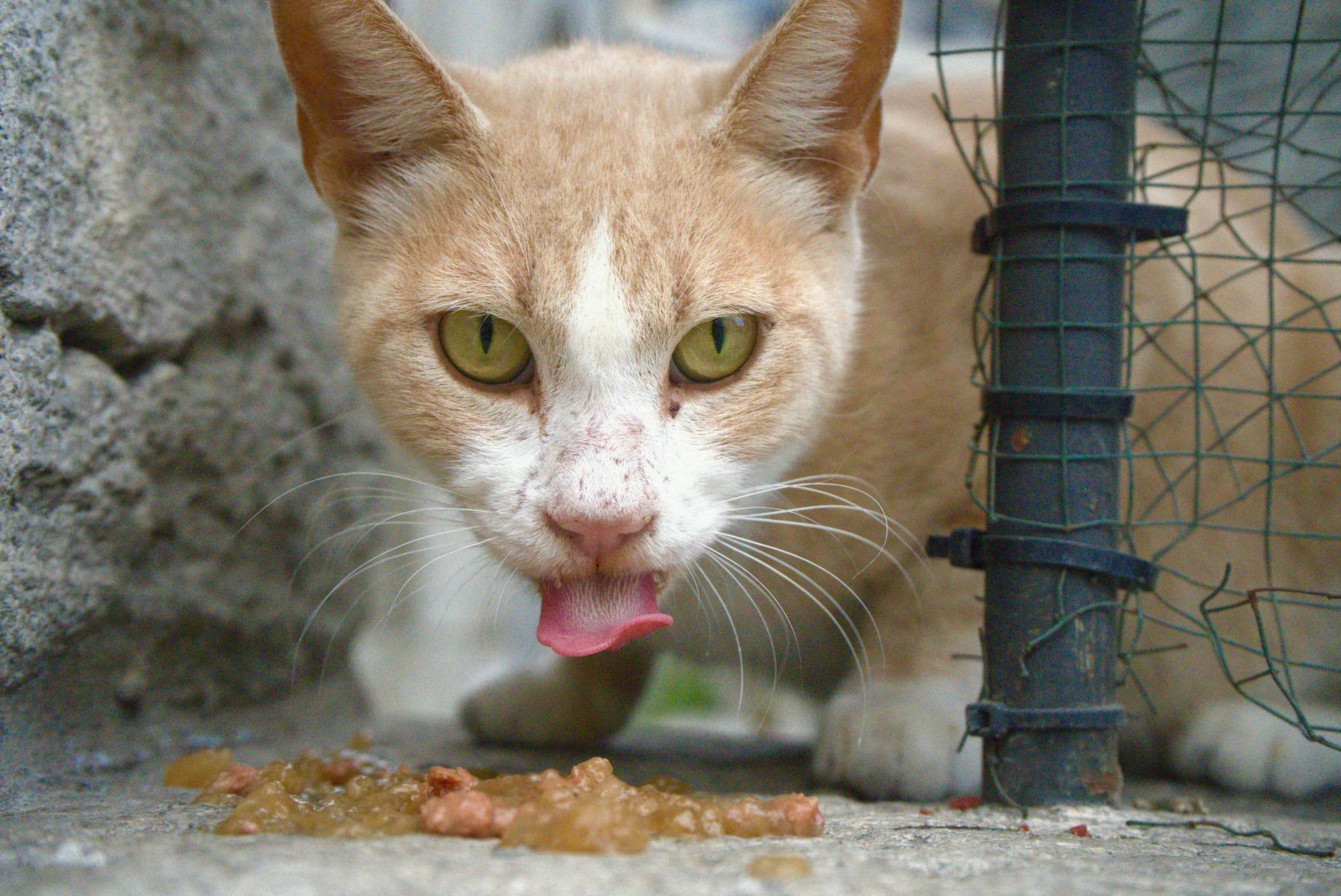
Yes, cats can safely eat turkey in most cases, making it a nutritious addition to their diet when prepared properly. Turkey is a lean protein that provides essential amino acids cats need for muscle maintenance and overall health. For example, a small piece of plain, cooked turkey breast is a healthy treat for most adult cats and can be particularly useful during transitions to new foods or as a reward during training.
However, the safety of turkey for your cat depends entirely on how it’s prepared and served. Raw turkey, turkey with seasonings, or turkey containing bones can pose significant health risks including bacterial contamination, digestive upset, and potential choking hazards. Most veterinarians agree that plain, boneless, skinless cooked turkey is the safest option for feline consumption.
Table of Contents
- Is Turkey Nutritionally Beneficial for Cats?
- Turkey Preparation: What’s Safe and What Isn’t
- Turkey Versus Other Common Cat Proteins
- How to Safely Feed Turkey to Your Cat
- Common Turkey-Related Health Risks
- Turkey Skin, Bones, and Other Parts
- Turkey as Part of a Complete and Balanced Diet
- Conclusion
- Frequently Asked Questions
Is Turkey Nutritionally Beneficial for Cats?
Turkey is an excellent protein source that aligns well with cats‘ carnivorous dietary needs. The meat contains taurine, an amino acid that cats cannot synthesize themselves and must obtain from food sources. A 3-ounce serving of plain cooked turkey provides approximately 25 grams of protein while remaining low in fat compared to other meats, making it an ideal supplementary protein for cats watching their weight.
Different parts of turkey offer varying nutritional profiles. Turkey breast is leaner than thighs or legs, containing less fat and fewer calories, which makes it preferable for overweight cats. In comparison, chicken breast offers similar benefits, but turkey provides a nice variety for cats whose owners want to rotate different protein sources throughout the week. Some cats with allergies to chicken or beef may tolerate turkey well as an alternative protein option.
Turkey Preparation: What’s Safe and What Isn’t
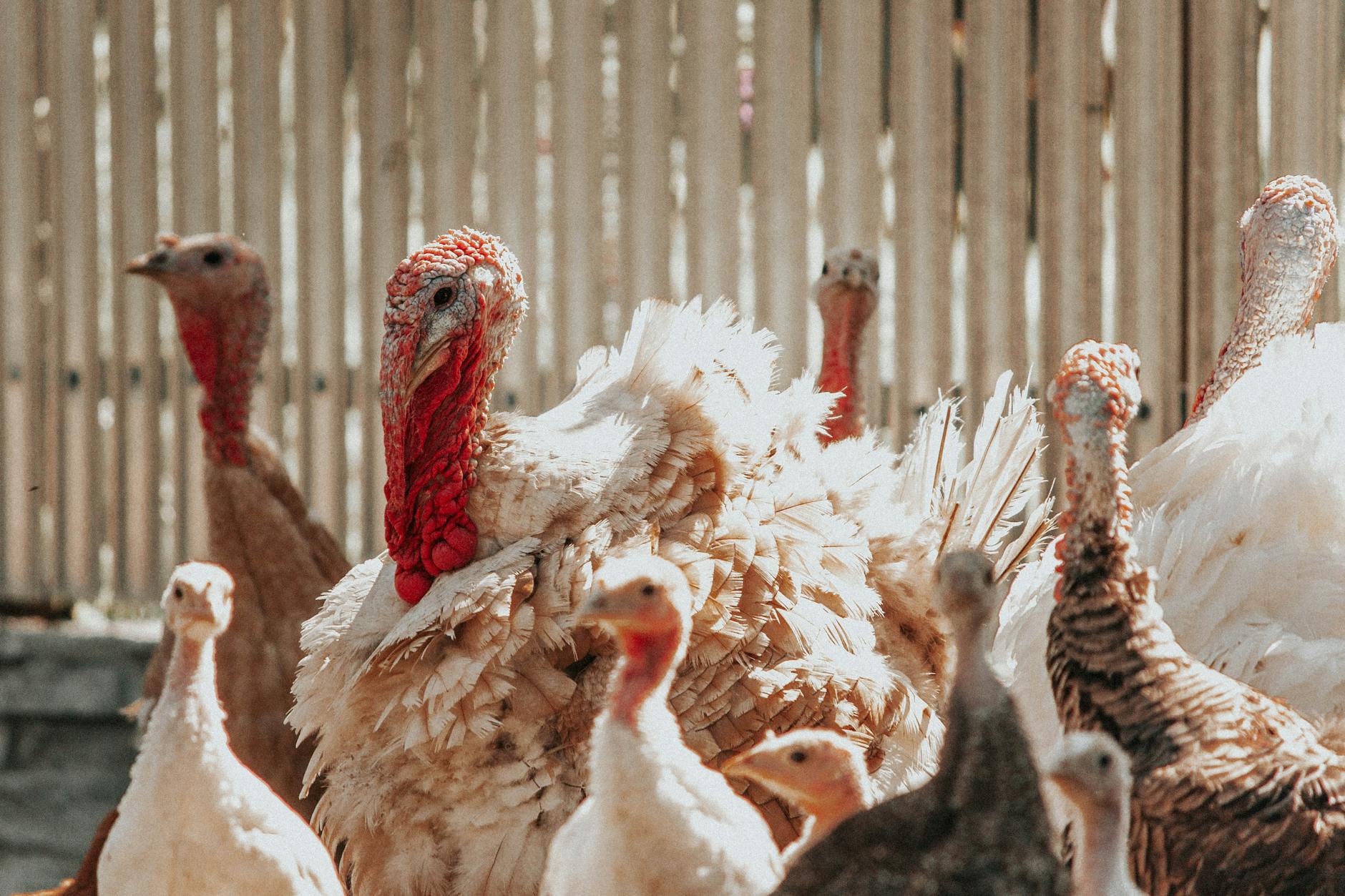
The preparation method determines whether turkey is safe for your cat. Plain cooked turkey—whether boiled, baked, or grilled without oil—is the safest form. Never season turkey with garlic, onions, salt, spices, or any additives, as these ingredients can cause gastrointestinal upset or in the case of garlic and onions, potentially damage cats’ red blood cells. Holiday turkey seasoning blends and brines commonly used in human cooking are particularly dangerous for cats.
Raw turkey carries a significant risk of bacterial contamination from salmonella or E. coli, which can cause severe illness in cats. Ground raw turkey is even riskier than whole cuts because it has greater surface area for bacteria to colonize. Processed turkey products like deli meat, turkey sausage, and turkey bacon contain high sodium levels and preservatives that are inappropriate for cats’ kidneys and can contribute to long-term health problems including hypertension and kidney disease.
Turkey Versus Other Common Cat Proteins
Turkey sits among the safest protein options for cats when compared to other commonly available meats. Chicken is similarly safe and perhaps more widely available, while beef offers slightly more fat and taurine content. Fish, though cats often love it, should only be given occasionally due to mercury content and the risk of thiamine deficiency if fed too frequently.
In terms of digestibility, turkey ranks highly alongside chicken, making it easier for cats with sensitive digestive systems compared to some red meats. Game birds like duck and quail share similar safety profiles to turkey but are less practical for most household budgets. Ground meats of any kind pose greater choking and contamination risks than whole muscle meat, so whole turkey pieces are preferable to ground turkey even when properly cooked. Organ meats like turkey liver can be fed in small amounts and provide concentrated nutrients, but they’re much richer and should be offered more sparingly than muscle meat.
How to Safely Feed Turkey to Your Cat
Begin with small portions to assess your cat’s tolerance and preference. A piece about the size of your cat’s paw is a reasonable starting portion for most adult cats, roughly one to two tablespoons of cooked turkey. If your cat shows interest and digests the turkey well without vomiting or diarrhea, you can continue offering it occasionally as a treat or meal supplement. Remove all bones, skin, and fat before offering turkey to your cat, as these components present choking hazards and can cause pancreatitis or gastrointestinal blockages.
Incorporate turkey into your cat’s diet gradually if you’re using it to supplement their regular meals. Sudden dietary changes can trigger digestive upset even with safe foods. Turkey can comprise up to 10 percent of your cat’s daily caloric intake as a treat or supplement without creating nutritional imbalances, though some cats may need even smaller amounts. For cats with existing health conditions like kidney disease, diabetes, or pancreatitis, consult your veterinarian before introducing turkey to ensure it won’t complicate their treatment plan.
Common Turkey-Related Health Risks
Fatty turkey skin and dark meat can trigger pancreatitis in susceptible cats, a painful and potentially life-threatening condition. Warning signs include vomiting, abdominal pain, lethargy, and loss of appetite. Cats with a history of pancreatitis or obesity are at particular risk and should eat only the leanest turkey breast in minimal quantities or avoid it entirely at the recommendation of their veterinarian.
Choking represents a real hazard, especially for kittens, senior cats with dental problems, and cats that don’t chew their food thoroughly. Turkey bones are smaller and more brittle than some other poultry bones, but they can splinter and cause internal injuries or blockages. Another limitation of turkey is that some cats may develop food sensitivities to it with frequent consumption, leading to itching, digestive issues, or other signs of allergic reaction. Introducing new proteins slowly and watching for adverse reactions helps identify problems early.
Turkey Skin, Bones, and Other Parts
Turkey skin should never be fed to cats because it contains concentrated fat that can cause acute pancreatitis. Even small amounts of leftover turkey skin from holiday meals have triggered serious illness in cats. The bones, including those from turkey bones used in cooking broth, can splinter into sharp fragments that cause perforations or blockages in the digestive tract.
Cooked turkey bones pose greater risks than raw ones because cooking makes them more brittle and prone to splintering. Turkey broth made from bones may seem like a nutritious option, but broths often contain added sodium or onions and garlic, making them unsafe. Plain meat-only turkey broth without seasonings can be offered in small amounts, but it’s not necessary for most cats consuming a balanced diet.
Turkey as Part of a Complete and Balanced Diet
Turkey should never replace your cat’s primary commercial cat food, which is formulated to provide complete nutrition including essential vitamins, minerals, and taurine in proper proportions. Using turkey as an occasional treat or meal supplement encourages dietary variety and can improve mealtime engagement for cats that are bored with their regular food. Many cat owners find that offering different protein sources across the week maintains their cat’s interest in eating while supporting nutritional balance.
As pet nutrition research continues to evolve, more cat owners are exploring fresh and whole-food options as supplements to commercial diets. Turkey can play a role in this balanced approach for owners who want to incorporate occasional fresh proteins, provided it’s done safely and within appropriate portion sizes. The key is maintaining turkey as a supplement rather than a replacement for nutritionally complete cat food formulated by veterinary nutritionists.
Conclusion
Turkey is a safe and nutritious protein source for most cats when properly prepared as plain, boneless, skinless cooked meat. The key to safe turkey feeding lies in preparation method, portion control, and awareness of individual cat health considerations. Whether you’re offering leftover turkey from a meal or incorporating it as a regular treat, plain cooked turkey can add variety to your cat’s diet and provide quality protein for muscle maintenance.
Before making any significant dietary changes or if your cat has underlying health conditions, consult your veterinarian for personalized guidance. Your vet can advise whether turkey suits your specific cat’s nutritional needs and whether any health conditions warrant caution. By following safe preparation practices and feeding guidelines, you can confidently offer turkey as an occasional nutritious addition to your cat’s overall diet.
Frequently Asked Questions
Can cats eat cooked turkey from Thanksgiving or Christmas dinner?
Only if the turkey was prepared without seasonings, garlic, onions, or other additives. Most holiday turkeys contain salt, herbs, and potentially unsafe ingredients, so it’s best to prepare a small plain portion separately for your cat rather than offering the seasoned family meal.
How much turkey can I safely give my cat per day?
Turkey should comprise no more than 10 percent of your cat’s daily caloric intake. For most adult cats, one to two tablespoons per day is appropriate, though this varies by individual cat size and overall diet.
Is raw turkey safer than cooked for cats?
No, raw turkey poses greater bacterial contamination risks. Cooked plain turkey is the safer choice for household cats, though some raw feeding advocates prepare frozen raw turkey under specific safety protocols.
Can kittens eat turkey?
Kittens can eat small amounts of plain cooked turkey, but their primary nutrition should come from high-quality kitten food formulated for their developmental needs. Introduce turkey only after kittens are eating regular food well.
What should I do if my cat eats turkey skin or bones?
Monitor your cat closely for signs of vomiting, lethargy, abdominal pain, or loss of appetite. Contact your veterinarian immediately if you observe any of these symptoms, as they may indicate a blockage or pancreatitis.
Is turkey good for cats with kidney disease?
Consult your veterinarian first, as cats with kidney disease may need to limit protein intake or follow specific dietary protocols. Plain turkey in very small amounts may be acceptable, but professional guidance is essential.