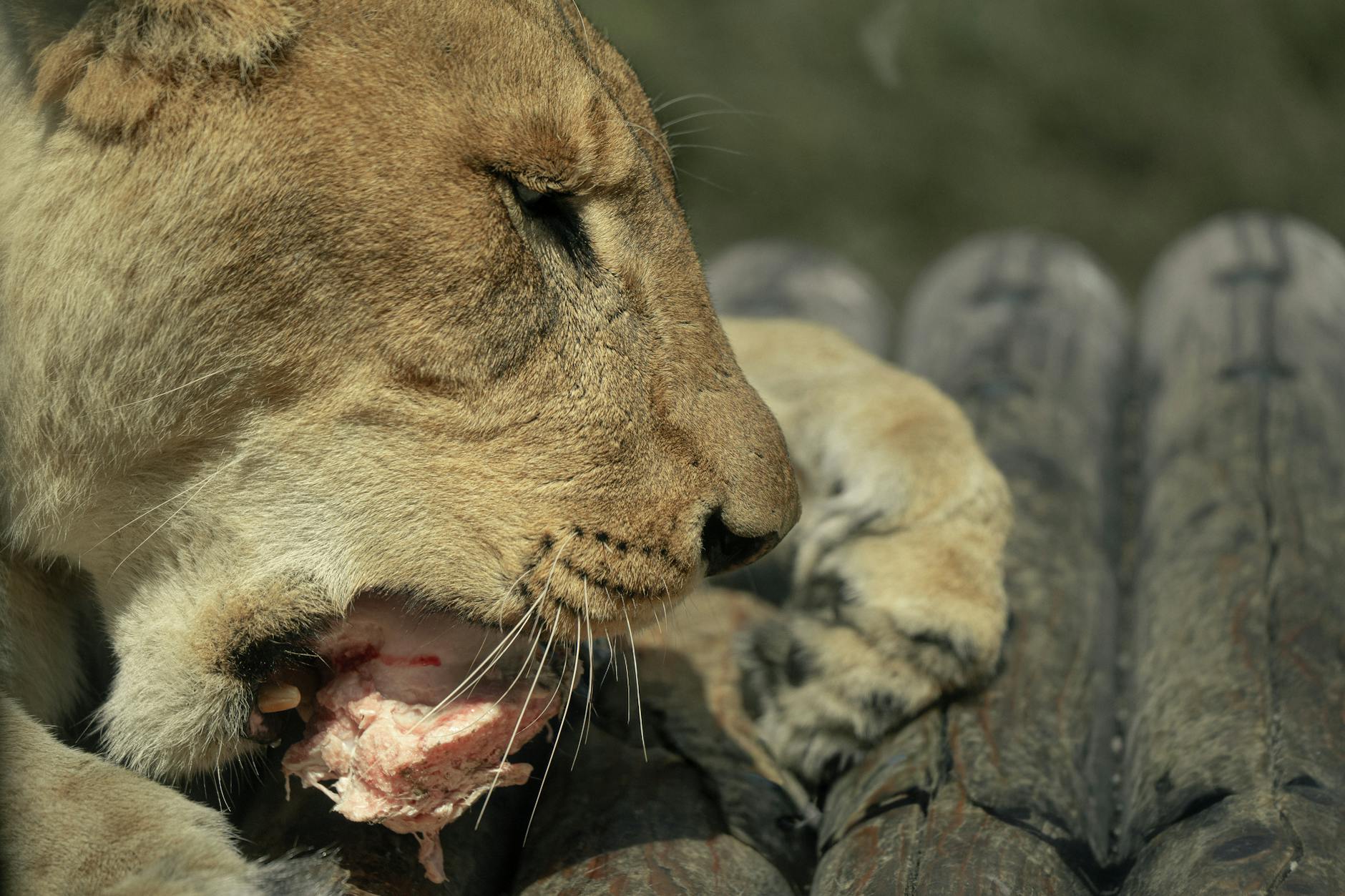
Feeding raw chicken to cats carries significant risks and is generally not recommended by veterinarians, despite the popularity of raw feeding diets in some pet owner communities. While cats are obligate carnivores with strong stomach acid, raw chicken poses multiple hazards including bacterial contamination (especially Salmonella and Campylobacter), parasites, and the potential for bone fragments to cause choking or intestinal blockage. For example, a cat fed raw chicken breast from a grocery store package may appear fine initially but could develop severe food poisoning within 24 to 48 hours, leading to vomiting, diarrhea, and lethargy that requires veterinary intervention.
The misconception that cats can safely digest raw meat stems from their ancestry as hunters and their more acidic stomach environment compared to humans. However, domesticated cats have different digestive systems than their wild counterparts, and modern raw meat from commercial sources is not the same as freshly killed prey. The bacteria found on supermarket chicken can overwhelm a cat’s immune system, particularly in kittens, elderly cats, or those with compromised immune function.
Table of Contents
- What Are the Primary Risks of Raw Chicken for Cats?
- How Does Commercial Raw Chicken Differ From Natural Prey?
- What Happens If a Cat Ingests Raw Chicken Bones?
- Are There Safer Alternatives to Raw Chicken for Cats?
- Which Cats Are at Greatest Risk From Raw Chicken?
- What Does Veterinary Medicine Recommend?
- Making Safer Choices for Your Cat’s Diet
- Conclusion
- Frequently Asked Questions
What Are the Primary Risks of Raw Chicken for Cats?
The most serious concern with raw chicken is bacterial contamination, which occurs during processing, packaging, and storage at the retail level. Salmonella and Campylobacter bacteria are common on raw poultry and can cause severe gastrointestinal illness in cats, even though cats appear to tolerate some bacteria better than humans do. If a cat eats contaminated raw chicken, symptoms may include vomiting, bloody diarrhea, abdominal pain, fever, and dehydration, potentially requiring hospitalization and antibiotic treatment.
Beyond bacterial pathogens, raw chicken may also harbor internal parasites such as Toxoplasma gondii, roundworms, or other pathogens that can establish infections in cats. Additionally, raw chicken bones pose a physical hazard; while some advocates of raw feeding argue that bones should be crushed and fed together with meat, in practice, sharp bone fragments can splinter and cause injuries to the mouth, esophagus, or digestive tract. A cat fed raw chicken thighs with intact bones might suffer a perforated intestine, a life-threatening condition requiring emergency surgery.
How Does Commercial Raw Chicken Differ From Natural Prey?
Wild prey that cats hunt in nature carries bacteria naturally, but in much lower concentrations than found on commercially processed poultry. Commercial chicken production involves thousands of birds handled in facilities where cross-contamination is a significant concern, meaning a single package of raw chicken can contain bacterial loads millions of times higher than what a cat would encounter in nature. This volume of pathogenic bacteria can overwhelm the feline immune system in ways that evolutionary history did not prepare them for.
The limitation of any argument supporting raw chicken for cats is that the risk-benefit equation is heavily skewed toward risk. Even if some cats eat raw chicken without immediate visible illness, they may become asymptomatic carriers of pathogens like Salmonella, shedding bacteria in their feces and potentially transmitting illness to other household pets or family members. Humans living with a cat that consumes raw chicken face increased exposure to zoonotic diseases, particularly in homes with young children, elderly individuals, or immunocompromised people.
What Happens If a Cat Ingests Raw Chicken Bones?
Raw chicken bones are softer and more pliable than cooked bones, which is why some proponents of raw feeding argue they are safer. However, raw bones can still fragment, especially larger bones like femurs or thighs with intact joints. If a cat swallows bone fragments, they may lodge in the mouth or throat, causing choking, or they may pass into the stomach and intestines where sharp edges can puncture the digestive tract.
A cat showing signs of distress such as drooling, difficulty eating, or sudden loss of appetite after consuming raw chicken should be evaluated by a veterinarian immediately. In addition to direct injury, bones present an impaction risk, particularly in cats with slower digestive transit times or those prone to constipation. The combination of raw meat (which is high in protein and low in fiber) with bone fragments creates conditions where blockages are more likely to develop. Symptoms of intestinal blockage include lethargy, vomiting, loss of appetite, and a hard, distended abdomen.
Are There Safer Alternatives to Raw Chicken for Cats?
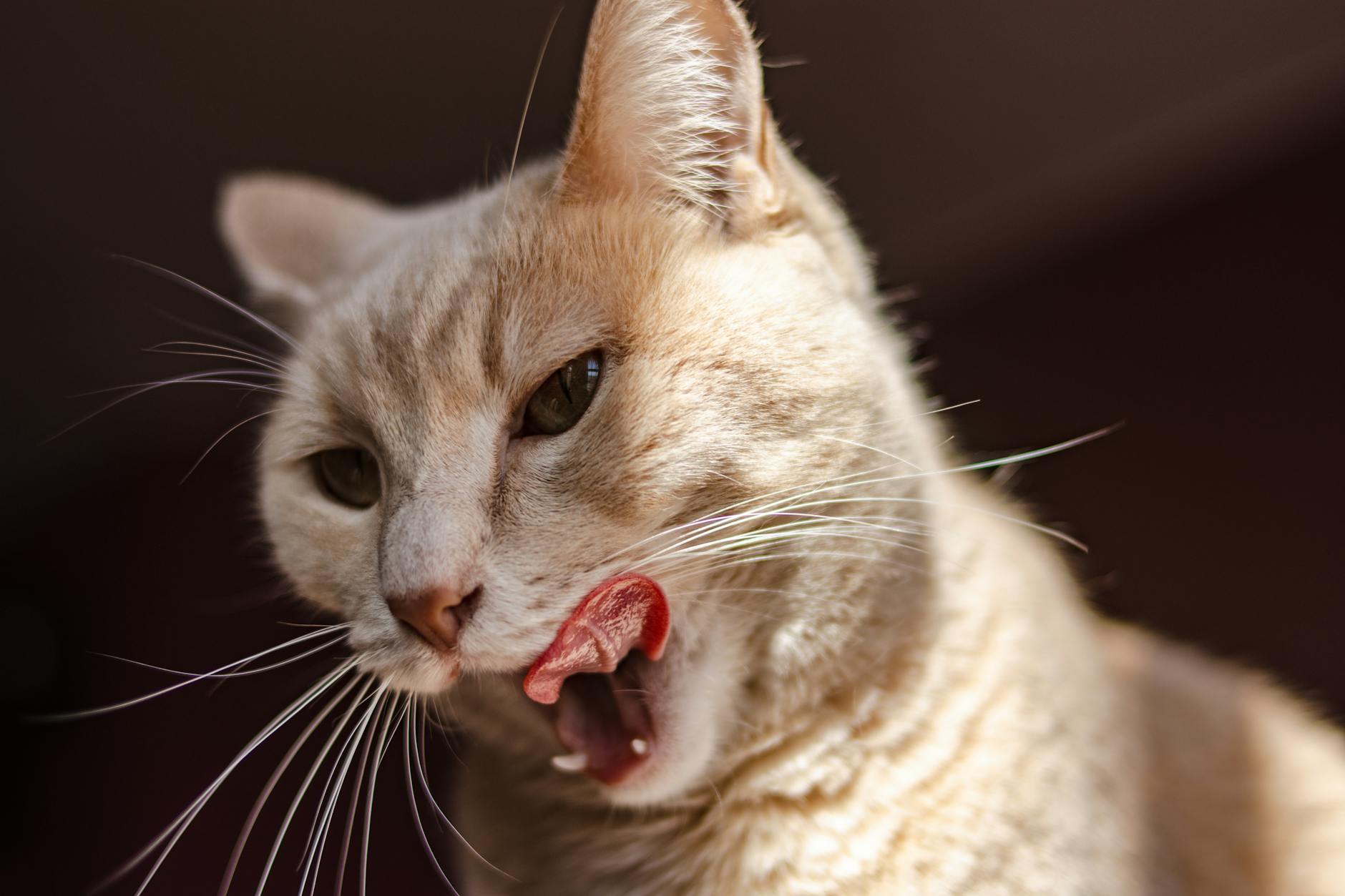
If your goal is to provide high-quality protein and whole prey nutrition to your cat, several alternatives exist with a much lower risk profile. Commercially prepared raw food diets made by established pet food companies undergo safety testing and freezing protocols designed to reduce bacterial load; these are not the same as feeding supermarket chicken but represent a middle ground for owners interested in raw feeding. Alternatively, cooked chicken (plain, without seasoning) is a safe protein source that still provides nutrition without bacterial contamination risks.
The tradeoff between convenience and safety should be considered carefully. A commercially prepared raw diet for cats costs significantly more than grocery store chicken but includes formulations balanced with necessary nutrients like taurine, and manufacturers are required to test for pathogens. Fully cooked chicken requires cooking time but eliminates both bacterial and bone-related hazards. For most cat owners, the safest approach is feeding high-quality commercial cat food (wet or dry) that has been formulated and tested to meet feline nutritional requirements, alongside occasional plain cooked chicken as a treat rather than a dietary staple.
Which Cats Are at Greatest Risk From Raw Chicken?
Kittens under six months of age have developing immune systems that are particularly vulnerable to foodborne pathogens, making raw chicken especially dangerous for this population. Senior cats over 10 years old similarly have declining immune function and are more susceptible to severe infection from bacterial contamination.
Cats with existing health conditions such as inflammatory bowel disease, kidney disease, or diabetes are also at elevated risk, as their compromised systems are less able to fight off infection. A critical warning applies to multi-cat or multi-pet households: if one cat is fed raw chicken and becomes colonized with Salmonella, the bacteria can be transmitted through shared litter boxes or grooming behaviors to other cats, and potentially to human family members. Owners of immunocompromised cats (such as those with FIV or FeLV) should be especially cautious, as even a subclinical infection could develop into serious illness in these animals.
What Does Veterinary Medicine Recommend?
The American Feline Medical Association and most veterinary nutritionists do not recommend raw feeding as a standard practice, citing the documented risks of bacterial contamination and the possibility of nutritional imbalances in homemade raw diets. A cat fed raw chicken without veterinary supervision or proper nutritional balancing may develop deficiencies in essential amino acids, vitamins, or minerals over time.
Even if the cat appears healthy in the short term, long-term nutritional inadequacy can lead to muscle loss, poor coat quality, and organ dysfunction. If an owner is committed to raw feeding, consulting with a veterinary nutritionist can help design a diet that includes appropriate supplements and variety to ensure nutritional completeness. However, this approach requires significant knowledge and commitment, and the bacterial risks remain regardless of dietary balance.
Making Safer Choices for Your Cat’s Diet
The growing popularity of raw feeding has led to increased awareness of feline nutritional needs, which is valuable; however, these goals can be achieved through safer methods. Feeding trials and nutritional analysis of commercial cat foods have improved dramatically over the past decade, with premium wet and dry foods now providing species-appropriate nutrition without the hazards of raw meat.
As pet owners continue seeking better options for their cats’ health, the focus should shift toward scrutinizing the safety and nutritional completeness of commercial foods, supporting veterinary nutritional research, and moving away from diets with documented risks. The future of feline nutrition lies in well-formulated, tested products rather than potentially contaminated raw ingredients from retail sources.
Conclusion
Raw chicken is not safe for cats and should be avoided in favor of alternatives that provide similar nutritional benefits without the risks of bacterial contamination, parasites, and bone-related injuries. While cats are carnivores capable of digesting meat, modern commercial poultry carries pathogenic bacteria in concentrations that exceed what a cat’s immune system evolved to handle, and the consequences of infection can range from mild gastrointestinal upset to life-threatening conditions.
If you want to provide your cat with high-quality protein and nutrition, work with your veterinarian to select appropriate commercial cat foods or, if interested in raw feeding, consult a veterinary nutritionist who can guide you toward safer prepared raw diets or help balance homemade options. Your cat’s long-term health depends on informed nutritional choices, and the evidence clearly indicates that raw chicken from the supermarket is not one of them.
Frequently Asked Questions
Can cats get salmonella from raw chicken?
Yes, Salmonella is commonly found on raw chicken and can cause severe gastrointestinal illness in cats, including vomiting, diarrhea, and fever. Cats can also become asymptomatic carriers, potentially transmitting the bacteria to other household pets or humans.
Is raw chicken safer if it’s from a high-quality source?
No. Even premium or organic chicken from quality sources can carry bacterial contamination during processing and packaging. The commercial handling process itself, regardless of the quality of the starting product, introduces contamination risks.
What should I do if my cat already ate raw chicken?
Monitor your cat closely for signs of illness such as vomiting, diarrhea, lethargy, or loss of appetite. These symptoms may appear within 24 to 48 hours. Contact your veterinarian if your cat shows any signs of illness or distress. Do not feed raw chicken again.
Are raw chicken bones safer than cooked bones?
Raw bones are softer than cooked bones, but they can still fragment and cause choking, intestinal obstruction, or perforation. They are not safe for cats and should be avoided entirely.
What’s the best way to feed my cat a high-protein diet safely?
High-quality commercial cat food (especially wet food) formulated to meet feline nutritional standards is the safest option. Plain cooked chicken can occasionally be used as a treat, but should not replace complete commercial diets.
Can I safely prepare raw chicken at home if I freeze it first?
Freezing does not eliminate bacterial contamination and does not make raw chicken safe for cats. Bacteria can survive freezing and resume activity once thawed. Commercial raw pet food diets undergo additional safety processing, but grocery store chicken should not be fed raw regardless of freezing.