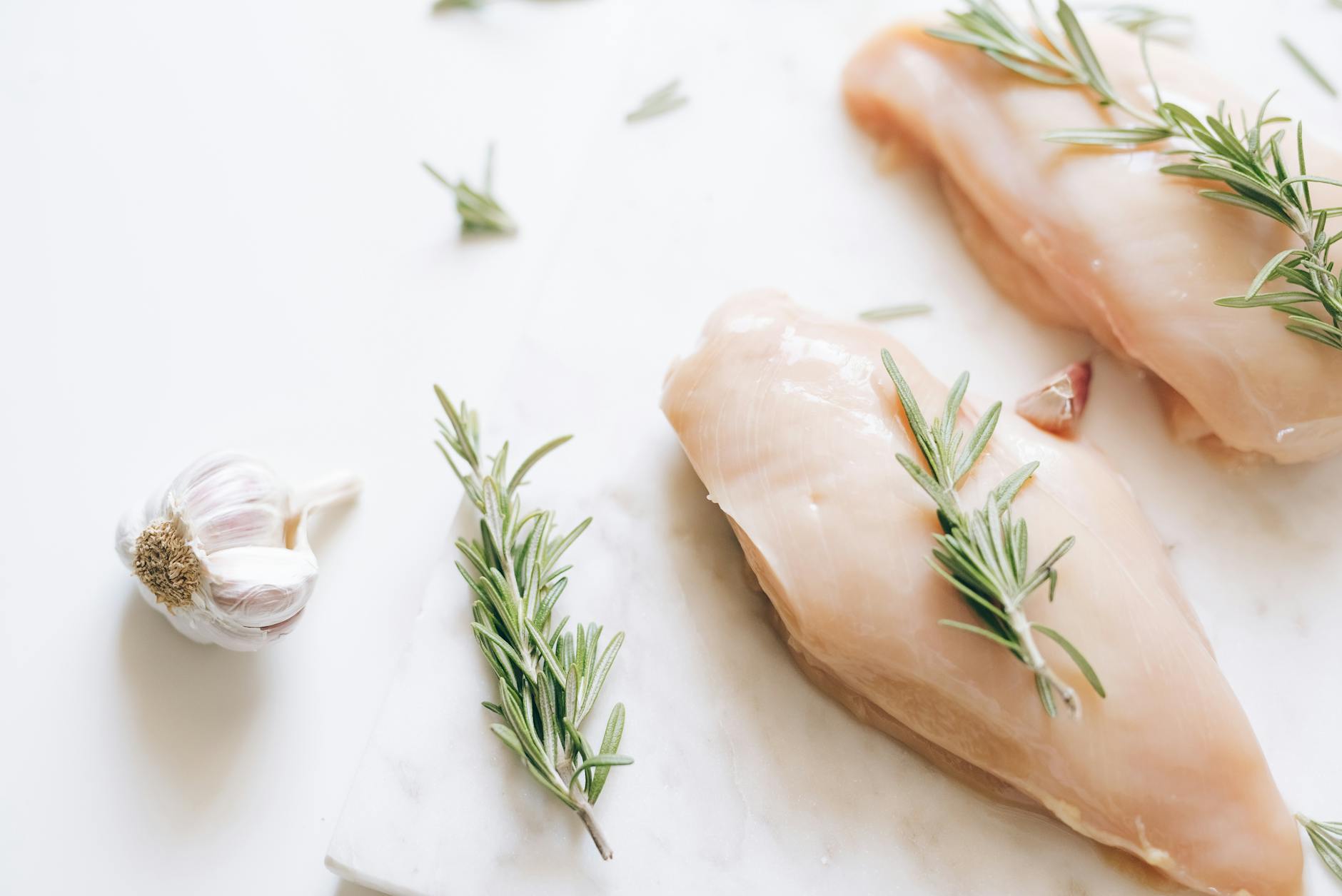
No, cooked chicken bones are not safe for cats, and this is the most important distinction cat owners need to understand. When chicken bones are cooked, they become brittle and splintered, capable of causing serious injury to your cat’s mouth, throat, esophagus, stomach, and intestines. A single splinter can cause internal bleeding, perforation of the digestive tract, or a complete blockage requiring emergency surgery. If you’ve already given your cat cooked chicken bones, watch closely for signs of distress including vomiting, lethargy, difficulty swallowing, abdominal pain, or bloody stool—any of these warrant immediate veterinary attention.
Raw chicken bones present a different risk profile entirely. Some raw bones, particularly larger ones like chicken backs and necks, can be consumed by cats with minimal danger when handled appropriately. The raw bone remains pliable enough to digest or pass through the system without splintering, though the practice still carries inherent risks around bacterial contamination and choking hazards. The safety depends on the bone size, your individual cat’s size and chewing behavior, and whether you’re supervising the eating process.
Table of Contents
- Can Cats Safely Chew on Raw Chicken Bones?
- Why Cooked Chicken Bones Are Particularly Dangerous
- How Cats’ Digestive Systems Handle Bones
- Safe Alternatives to Offering Bones to Your Cat
- Signs of Bone-Related Injury in Cats
- Special Considerations for Kittens and Senior Cats
- The Evolution of Raw Feeding for Cats
- Conclusion
- Frequently Asked Questions
Can Cats Safely Chew on Raw Chicken Bones?
Raw chicken bones can be safer than cooked ones, but “safe” is relative and depends on several factors. The main advantage of raw bones is that they don’t splinter like cooked bones do—the marrow stays somewhat moisturized, and the bone retains flexibility. Larger raw bones like chicken backs, necks, and thighs are generally less risky than tiny wing bones or drumsticks, which can be swallowed whole and cause blockages. A study examining cats fed raw chicken diets found that while whole bones occasionally passed through without issue, smaller bone fragments sometimes required veterinary intervention.
However, raw bones carry risks that extend beyond splintering. Bacteria like Salmonella and E. coli can contaminate raw chicken, potentially making your cat sick—and potentially making you sick too if you handle the bone with inadequate hygiene. Additionally, a cat’s natural instinct to bolt food means they may not chew thoroughly enough to safely consume the bone, instead attempting to swallow chunks that can lodge in the throat or cause intestinal obstruction. For these reasons, even raw bones are not universally recommended by veterinarians, particularly for indoor cats or cats with a history of rapid eating.
Why Cooked Chicken Bones Are Particularly Dangerous
The structural change that occurs when bone is heated makes cooked chicken bones uniquely hazardous. Cooking causes the collagen in bone to break down and the minerals to harden, resulting in bones that shatter into needle-sharp fragments when chewed or digested. These fragments can puncture the delicate lining of the mouth, gums, tongue, and throat as your cat swallows. Beyond the immediate trauma, the splinters continue to pose danger throughout the digestive tract, potentially perforating the stomach wall or small intestine.
The severity of this risk is underestimated by many cat owners who assume that “a little bit of cooked bone” is harmless. Emergency veterinarians regularly treat cats for splinter-related injuries from cooked poultry bones, and some cases require surgical intervention. One common scenario involves a cat with a seemingly minor episode of gagging that escalates into signs of peritonitis (abdominal inflammation from a perforation) days later—by then, the damage is extensive and the cat’s prognosis becomes guarded. Prevention is infinitely easier than treatment, making this one of the clearest areas where cat nutrition guidance is unambiguous: never intentionally feed cooked bones to your cat.
How Cats’ Digestive Systems Handle Bones
Cats are facultative carnivores with shorter digestive tracts than dogs, which influences how they process bone material. A cat’s stomach acid is highly acidic, strong enough to soften certain raw bone material, but this same aggressive environment can’t protect against sharp splinters that cause physical trauma. Unlike their wild counterparts that occasionally consume raw bone as part of prey, domestic cats typically haven’t developed the behavioral refinement to safely consume bones without risk of injury. The speed at which cats consume food adds another complication.
Cats are obligate hunters programmed to eat quickly, often with minimal chewing. This means even a cat offered a raw chicken bone will likely attempt to tear off chunks and swallow them rather than gnaw cautiously. Some cats exhibit more restraint than others, but relying on individual behavior variation is not a prudent feeding strategy. A comparison to dogs is instructive here: while some raw feeding advocates recommend raw bones for dogs with specific guidance about bone size and type, the feline digestive process and eating behavior make this recommendation inappropriate for cats.
Safe Alternatives to Offering Bones to Your Cat
If you’re interested in providing nutritional benefits associated with bone—including collagen, minerals, and the enrichment value of chewing—safer alternatives exist. Freeze-dried raw chicken products designed specifically for cats eliminate pathogenic bacteria through processing while maintaining digestibility. These products offer the nutritional profile of raw chicken without the splintering risk, and they’re formulated with feline digestive needs in mind rather than being human leftovers.
Another option is bone broth, which delivers the mineral content and collagen of bones without any physical risk. Homemade bone broth made from raw or cooked chicken bones (cooked bones are fine for broth since the minerals leach into liquid and the solid bone fragments are removed before serving) provides glucosamine, collagen, and amino acids in a form your cat can safely consume. The tradeoff is that broth lacks the enrichment value of actual chewing, but it provides nutritional benefits without danger. Commercial cat-safe broths are available if you prefer not to make your own, though checking labels for added sodium and avoiding those with onion or garlic is essential.
Signs of Bone-Related Injury in Cats
Recognizing injury early is critical because internal damage progresses rapidly. Immediate signs include excessive drooling, difficulty swallowing, gagging, or visible distress in the mouth. Some cats will vocalize differently or refuse food. Secondary signs emerge over hours to days and include vomiting (especially projectile vomiting), lethargy, abdominal pain (evidenced by hunched posture or reluctance to move), loss of appetite, and constipation or diarrhea. Bloody vomit or stool indicates more severe internal damage.
Delayed presentations are particularly dangerous because cat owners may not connect the dots. A cat given cooked bones at dinner might show no symptoms that day, then appear withdrawn and uninterested in food the following morning. By the time imaging reveals a perforation or blockage, the cat has been quietly deteriorating. This delay makes prevention the only truly safe approach. If you suspect your cat has ingested cooked bone fragments, contact your veterinarian immediately even if your cat seems fine—some injuries don’t present obviously until significant damage has accumulated.

Special Considerations for Kittens and Senior Cats
Kittens have developing teeth and jaws that are more vulnerable to injury from bone fragments. Their curiosity means they’re more likely to pounce on or attempt to eat bones offered to adult cats in the household, and their smaller size means even small bone pieces pose proportionally greater choking risk. Senior cats with dental disease, missing teeth, or worn enamel cannot process bone safely and lack the jaw strength to appropriately handle it.
These populations should have zero access to any bone—cooked or raw. Additionally, cats with a history of gastrointestinal blockages, megacolon, or other digestive disorders should never consume bone material. For these cats, even foods considered safe for the general feline population carry elevated risk. When in doubt about your individual cat’s suitability for any bone product, consulting your veterinarian based on your cat’s specific health history is the prudent choice.
The Evolution of Raw Feeding for Cats
The popularity of raw feeding for cats has grown over the past two decades, with some cat owners seeking to replicate the diet of wild or feral cats. Within the raw feeding community, bone content varies, and quality guidance exists distinguishing between safe and unsafe bone types. However, raw feeding for cats remains controversial among veterinarians, with many emphasizing the bacterial contamination risks for both cat and household, particularly in homes with immunocompromised humans or young children.
Even within raw feeding communities, cooked bones remain universally discouraged—this is one point of universal agreement across all feeding philosophies. As research continues and raw feeding protocols become more standardized, some high-quality commercially prepared raw cat diets have emerged with carefully controlled bone content that’s less risky than handling raw bones independently. These products undergo safety testing and freezing protocols that reduce bacterial loads. If you’re interested in exploring raw feeding for your cat, working with a veterinary nutritionist and purchasing from established suppliers is far safer than improvising with human food scraps and homemade preparations.
Conclusion
The safest and most straightforward approach is to avoid feeding your cat any chicken bones, cooked or raw. Cooked chicken bones are unambiguously dangerous, and raw bones, while less immediately hazardous, still carry meaningful risks around bacterial contamination, splintering, and choking that most veterinarians don’t recommend. If you want to provide your cat with bone-derived nutrition, shelf-stable alternatives like freeze-dried raw products and bone broth offer the benefits without the dangers.
Moving forward, resist the temptation to give your cat bones from your dinner plate, even when they seem interested. Instead, offer these safer alternatives, high-quality commercial cat diets formulated with appropriate bone content, or other enrichment activities that engage your cat’s hunting instincts without physical risk. Your cat’s health and safety are worth the small effort of choosing the better option.
Frequently Asked Questions
Can cats digest raw chicken bones?
Cats’ stomach acid is strong enough to soften some raw bone material, but it cannot protect against physical trauma from splinters. The bigger risk is that cats typically don’t chew thoroughly enough to safely consume bones, instead attempting to swallow chunks that can lodge in the throat or cause intestinal blockages.
What should I do if my cat ate cooked chicken bones?
Contact your veterinarian immediately, even if your cat shows no symptoms. Cooked bone splinters can cause delayed internal injuries. Describe what happened, how much bone, and when. Your vet may recommend monitoring, imaging, or preventive care depending on the amount consumed.
Are chicken necks and backs safer than chicken wings?
Larger bones like necks and backs are generally safer than smaller wing bones if your cat were to consume raw bone, since they’re less likely to be swallowed whole. However, this doesn’t mean they’re recommended—it’s a relative distinction, not an endorsement. Even larger raw bones carry risks.
Is bone broth safe for cats?
Yes, bone broth is safe and can be beneficial. It provides minerals and collagen without the splintering risk of actual bone. Ensure it’s made without onion, garlic, excess sodium, or other additives harmful to cats. Many cats also enjoy the palatability boost of a small amount of broth on their regular food.
Can I give my cat chicken with the bone still attached?
No. Even if you intend your cat to eat around the bone, cats’ eating behavior doesn’t work this way—they’ll attempt to consume the entire piece. Always remove all bones before offering chicken to your cat.
Are there any raw bones that are safe for cats?
No bones are completely risk-free for cats. While raw bones are safer than cooked ones, even raw bones carry risks of bacterial contamination, choking, and intestinal blockage. Most veterinarians recommend avoiding all bone feeding for cats in favor of safer alternatives.