
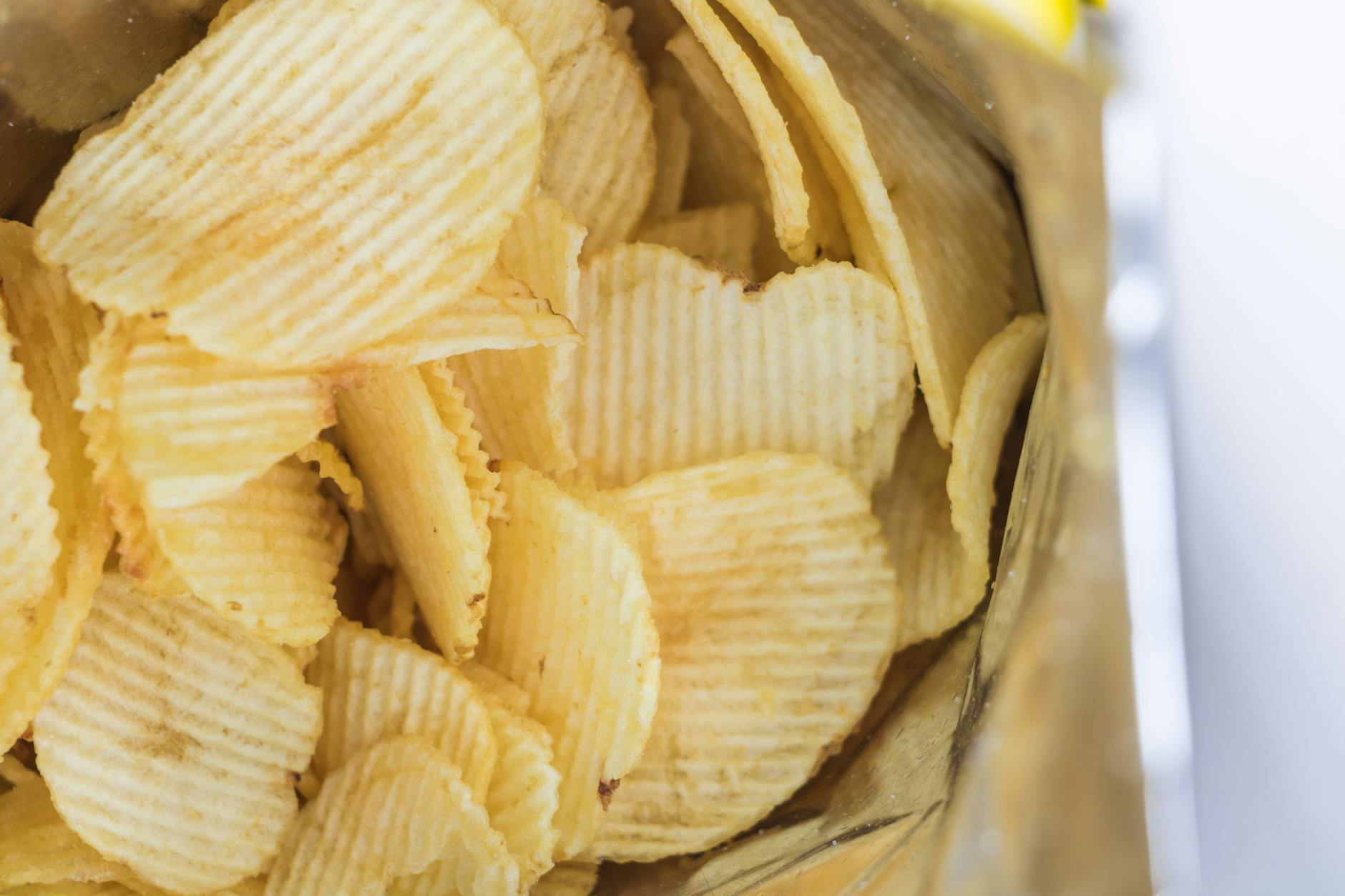
No, it is not safe for cats to eat chips. Chips are high in salt, fat, and calories—all of which can cause health problems for cats when consumed regularly or in large quantities. Even a small handful of potato chips or corn chips poses risks because cats have different nutritional needs than humans and cannot process excess sodium and fats the way we do.
A single chip might not cause immediate harm, but chips should never be treated as a safe treat or intentionally given to cats. If your cat ate a chip that fell on the floor, there’s typically no need to panic. A one-time exposure to a small amount of chips is unlikely to cause a medical emergency. However, making chips a regular part of your cat’s diet—or offering them intentionally as a snack—can lead to obesity, dehydration, pancreatitis, and other serious health complications over time.
Table of Contents
- Why Are Chips Dangerous for Cats?
- Salt Toxicity and Feline Physiology
- Obesity and Weight-Related Diseases in Cats
- Nutritional Imbalance and Appropriate Cat Treats
- Specific Chip Varieties and Hidden Dangers
- Accidental Exposure and When to Seek Veterinary Care
- Building Better Snacking Habits for Your Cat
- Conclusion
- Frequently Asked Questions
Why Are Chips Dangerous for Cats?
Chips contain excessive amounts of salt, which is harmful to cats in several ways. Cats require only minimal sodium to survive, and most commercial cat foods already contain appropriate salt levels. When cats consume human snack foods like chips, they exceed their daily sodium needs significantly. High salt intake in cats can lead to dehydration, electrolyte imbalances, and increased thirst and urination. In severe cases, chronic salt consumption may contribute to kidney disease and hypertension—conditions that are already common in aging cats. The fat content in chips is another major concern.
Most chips are fried or baked with substantial amounts of oil and fat, which are difficult for cats to digest. Cats that consume high-fat foods regularly are at increased risk of obesity, which can trigger or worsen diabetes, joint problems, and heart disease. Additionally, high-fat foods can irritate a cat’s pancreas, potentially leading to pancreatitis—a painful and sometimes life-threatening condition that requires veterinary treatment. Chips also often contain artificial flavors, seasonings, and additives that may upset a cat’s digestive system. Onion or garlic-flavored chips are particularly dangerous, as these ingredients are toxic to cats and can damage their red blood cells. Even seemingly innocent flavors can cause gastrointestinal upset, vomiting, or diarrhea in sensitive cats.
Salt Toxicity and Feline Physiology
A cat’s body is fundamentally different from a human’s when it comes to processing salt. Cats have a lower tolerance for sodium and lack the same ability to regulate salt balance efficiently. The sodium content in a single serving of chips can represent 10 to 20 percent of a cat’s entire daily nutritional needs, depending on the cat’s size and the chip variety. This is why even well-intentioned pet owners who share a chip or two with their cat can inadvertently cause harm without realizing it. One limitation of cat nutrition research is that we don’t always know the exact threshold at which salt becomes toxic to individual cats.
While severe salt poisoning (hypernatremia) requires very high salt intake and causes dramatic symptoms like seizures and neurological damage, chronic moderate salt exposure is more insidious. It quietly increases thirst, promotes fluid retention, and stresses the kidneys over months or years. A cat that eats chips occasionally might show no obvious symptoms until kidney disease becomes advanced. Kittens and senior cats are especially vulnerable to the effects of high-sodium foods. Young cats’ kidneys are still developing, and older cats often have pre-existing kidney disease that makes them even more sensitive to salt intake. If you have a kitten or a senior cat, the risks of chips are magnified significantly.
Obesity and Weight-Related Diseases in Cats
Obesity is one of the most prevalent health problems in domestic cats today, and dietary habits established during a cat’s early life significantly influence its weight trajectory. Chips are calorie-dense with minimal nutritional benefit—a mere handful of potato chips contains 150 to 200 calories and virtually no protein, fiber, or essential nutrients that a cat needs. For a small cat weighing 10 pounds, one ounce of chips could represent 7 to 10 percent of its entire daily caloric intake, yet provide none of the nourishment. When cats become overweight, they face a cascade of health consequences. Obese cats are three to four times more likely to develop diabetes than lean cats. They experience increased joint stress and pain, making movement difficult and reducing physical activity further—a vicious cycle that accelerates weight gain.
Overweight cats also have higher rates of liver disease, urinary tract issues, and reduced lifespan. The painful reality is that many of these weight-related conditions are essentially irreversible once they develop, even if weight is eventually lost. A specific example illustrates this risk clearly: consider two cats from the same litter. One cat’s owner gives it occasional chips and other human snacks starting in kittenhood, while the other owner feeds only appropriate cat food. By age 5, the first cat is significantly overweight and has early signs of diabetes, while the second cat remains at a healthy weight with normal blood glucose levels. The dietary choices made during the first few years of life create lasting consequences.
Nutritional Imbalance and Appropriate Cat Treats
Cats are obligate carnivores, meaning their bodies are designed to extract nutrition primarily from animal-based proteins and fats. Chips—whether made from potatoes, corn, or other starches—are nutritionally misaligned with feline biology. When a cat eats chips instead of appropriate treats, it fills its stomach with food that provides no benefit and can actually interfere with the absorption of essential nutrients from its regular diet. The comparison between chips and appropriate cat treats is stark. A quality commercial cat treat might contain 10 to 20 calories, provide protein and essential amino acids like taurine, and be formulated to support dental health or digestion.
In contrast, chips offer empty calories and potential harm. Even simpler alternatives—such as a small piece of cooked chicken breast, a tiny portion of cooked turkey, or an approved commercial treat—provide actual nutritional value without the risks associated with chips. The practical reality is that most cats will thrive perfectly well without any treats at all. If you want to reward your cat, using small portions of its regular food as treats is often the best approach. This maintains consistent nutrition and prevents overconsumption of calories while still allowing you to reinforce positive behavior or deepen your bond through positive reinforcement.
Specific Chip Varieties and Hidden Dangers
Different types of chips present different levels of risk. Salted potato chips are the most common and carry the sodium and fat concerns already discussed. Kettle-cooked chips, which are often promoted as premium, actually contain even higher salt concentrations than regular chips due to the cooking method. Tortilla chips, corn chips, and flavored varieties add additional complexity. While plain corn might seem relatively harmless, chips are heavily salted and fried, transforming them into something quite different from the raw ingredient. Flavored chips introduce an additional layer of risk that many pet owners don’t consider.
“Barbeque” flavored chips often contain garlic and onion powder—both toxic to cats. “Sour cream and onion” chips contain actual onion powder and are particularly dangerous. Even chips flavored with cheese or seafood might sound cat-friendly, but they’re typically made with artificial flavoring rather than real cheese or seafood, and they still contain excessive salt and fat. The warning here is simple: there is no truly “safe” flavor of chip for cats. Salt-and-vinegar chips and other strongly flavored varieties can also irritate a cat’s sensitive digestive system and mouth. Some cats may experience drooling, difficulty swallowing, or vomiting if they consume these acidic or intensely flavored chips. The unpredictability of how an individual cat will react to specific flavorings makes it impossible to recommend any chip variety as acceptable for feline consumption.
Accidental Exposure and When to Seek Veterinary Care
If your cat has eaten a small amount of chips—perhaps a piece that fell on the kitchen floor during snack time—in most cases you don’t need to contact a veterinarian immediately. Cats with healthy kidneys and no pre-existing conditions can generally tolerate a small one-time exposure without serious consequences. Observe your cat for signs of digestive upset like vomiting or diarrhea over the next 12 to 24 hours.
However, you should contact your veterinarian if your cat has eaten a significant quantity of chips, if the chips were flavored with onion or garlic, or if your cat has pre-existing health conditions like kidney disease or diabetes. Additionally, if your cat shows signs of distress—repeated vomiting, loss of appetite, excessive thirst, lethargy, or difficulty urinating—seek veterinary care immediately. These symptoms could indicate more serious problems that require professional evaluation.
Building Better Snacking Habits for Your Cat
The key to preventing accidental chip consumption and other dietary mishaps is establishing clear household rules about human food and cat access. Store chips and other snack foods in sealed containers where curious cats cannot access them. Be mindful during meals and snacking—cats are opportunistic eaters and will investigate dropped food quickly. Educate family members, guests, and children about the importance of not sharing human snacks with your cat, no matter how much your cat seems to want them.
Looking forward, the trend toward species-appropriate pet nutrition is growing stronger. More cat owners are educating themselves about feline nutritional needs and making intentional food choices based on health rather than convenience or sentiment. By joining this movement, you’re not just preventing your cat from eating chips—you’re actively supporting its long-term health and potentially adding years to its life. Your cat depends on you to make decisions that prioritize its well-being, even when it seems to want something that isn’t good for it.
Conclusion
Chips are unsafe for cats due to their high salt content, excessive fat, and lack of nutritional value. While a single chip is unlikely to cause a medical emergency, chips should never be intentionally given to cats or treated as acceptable treats.
The risks extend from immediate digestive upset to long-term health consequences like obesity, kidney disease, and pancreatitis. The best approach is prevention: store chips securely, educate your household about appropriate cat nutrition, and offer only species-appropriate treats or small portions of regular cat food as rewards. Your cat’s health is built on the daily dietary choices you make, and eliminating chips and other human snacks from your cat’s diet is one of the simplest and most effective things you can do to support a long, healthy life.
Frequently Asked Questions
What should I do if my cat ate one chip?
Monitor your cat for signs of digestive upset like vomiting or diarrhea over the next 24 hours. A single chip is typically not dangerous unless your cat has pre-existing health conditions or the chips contained onion or garlic flavoring.
Are there any chips that are safe for cats?
No. All chips are high in salt and fat, making them unsuitable for cats regardless of flavor or type. There is no safe variety of chips for feline consumption.
Can chips cause immediate poisoning in cats?
Immediate poisoning from a small amount of chips is unlikely unless the chips are flavored with onion or garlic. However, the long-term effects of regular chip consumption can be severe.
What are better alternatives to chips for cat treats?
Small portions of cooked chicken, cooked turkey, or approved commercial cat treats are better options. Plain cooked fish without seasoning is also acceptable in small amounts. The safest approach is using a small portion of your cat’s regular food as treats.
How can I prevent my cat from eating chips?
Store chips in sealed, cat-proof containers, supervise eating areas, educate family members about not sharing human food, and ensure your cat has appropriate enrichment and play to reduce food-seeking behavior.
My cat seems to crave human snacks. What does this mean?
Cats are naturally curious and attracted to novel smells and textures, but this doesn’t mean these foods are safe or nutritious. Providing consistent, appropriate nutrition and enrichment helps reduce the desire to eat human foods.