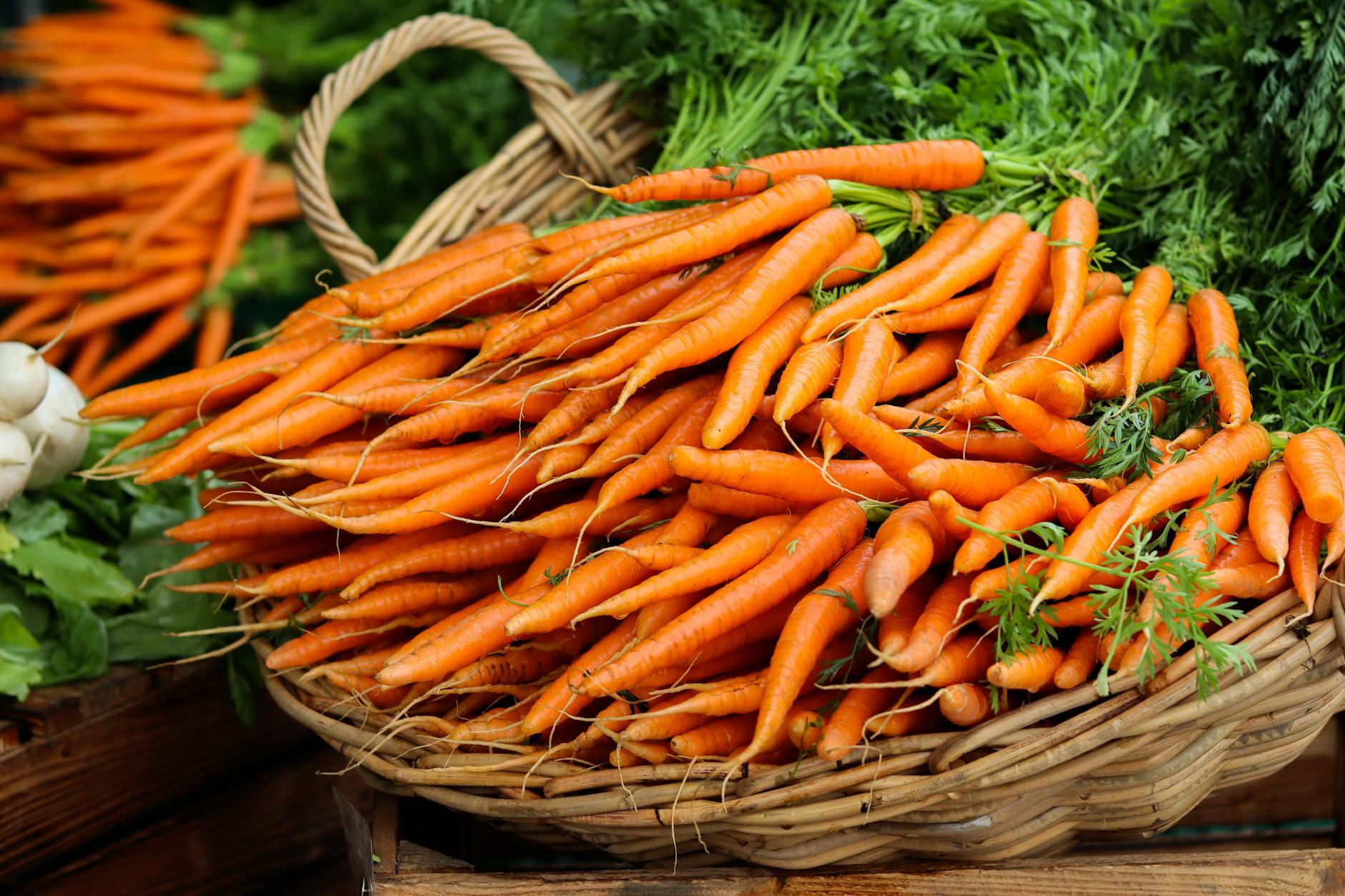
Yes, it is safe for cats to eat carrots in moderation. Unlike some human foods that are toxic to felines, carrots pose no inherent health risk to cats when offered occasionally and in appropriate portions. Raw carrots are non-toxic, and cooked carrots are similarly safe, making them one of the few vegetables that won’t cause immediate harm to your cat. If your cat has shown interest in your carrot sticks or you’re looking to expand their treat options, carrots can be included as an occasional snack without concern for poisoning or acute medical issues.
That said, safety and appropriateness are different things. While carrots won’t poison your cat, they’re not necessarily something your cat needs or will even want to eat. Cats are obligate carnivores, meaning their bodies are designed to process meat-based proteins, not plant matter. A cat that swallows a small piece of cooked carrot while you’re preparing dinner isn’t in danger, but regularly offering carrots as a food source doesn’t align with feline nutritional needs.
Table of Contents
- Can Cats Digest Carrots Safely?
- Nutritional Value and Limitations for Cats
- Preparation Methods and Safe Serving Practices
- Carrots as an Occasional Treat Option
- Potential Risks and When to Avoid Carrots
- Carrots in the Context of Broader Feline Nutrition
- Moving Forward with Your Cat’s Dietary Choices
- Conclusion
Can Cats Digest Carrots Safely?
cats can physically digest small amounts of carrot, though their digestive systems aren’t optimized for plant-based foods the way human or omnivore digestive systems are. When a cat eats carrot, the vegetable passes through their stomach and intestines much like other non-toxic foods do. However, cats lack certain enzymes that help break down plant cell walls effectively, so they don’t extract as much nutritional value from vegetables as humans do. A cat that eats a small piece of raw or cooked carrot will typically experience no digestive upset, though the carrot will pass through their system largely undigested.
The risk of digestive problems increases if a cat eats a large quantity of carrot or if the carrot is served in a form that could cause blockage. For example, a cat that somehow consumed an entire raw carrot could theoretically face an intestinal blockage, though this is unlikely given how cats normally eat. Cooked carrots are softer and pose less choking risk than raw carrots, but they’re also more likely to be consumed in larger quantities if a cat shows unusual interest. Most cats simply won’t eat enough carrot to cause problems, but portion control remains important for any non-meat food you offer.
Nutritional Value and Limitations for Cats
Carrots do contain some nutritional compounds that are beneficial to mammals generally—beta-carotene, fiber, and vitamin A—but cats don’t need these nutrients from vegetables because they obtain them from a proper meat-based diet. The vitamin A in carrots is already synthesized into forms that cats’ bodies can use when they eat the tissues of animals that have consumed or stored these nutrients. Giving your cat carrot for its vitamin A content is like trying to supplement a human’s diet with grass; the nutrient might be present, but the mechanism of delivery is inefficient and unnecessary.
The fiber in carrots can sometimes help cats with mild constipation, and some veterinarians recommend small amounts of cooked pumpkin (which is carrot-adjacent in terms of composition) for digestive regulation. However, the fiber in raw carrots is relatively indigestible for cats and can sometimes cause mild digestive upset if consumed in significant amounts. If you’re considering carrots as a dietary supplement for a specific health reason, such as digestive issues, it’s worth discussing with your veterinarian rather than self-treating with vegetables. The risk is low, but the benefit is also questionable for most healthy cats on a proper diet.
Preparation Methods and Safe Serving Practices
How you prepare a carrot matters more than whether your cat eats carrot at all. Raw carrots should be cut into small pieces to reduce choking risk, and they should be offered only under supervision. Some cats find the texture of raw carrot appealing and will gnaw on it, which can actually be beneficial for dental health in the same way that other chewing activities are. If you decide to offer raw carrot, a thin slice or small chunk is safer than a full carrot stick.
Cooked carrots are softer and pose less choking risk, but they’re also less interesting to most cats and offer no real advantage over raw carrot from a safety perspective. If you steam or boil carrots to soften them, avoid adding salt, butter, or seasoning, as these additions can be harmful or at least unnecessary for a cat. Plain cooked carrot is the safest form if your cat has shown interest in the vegetable. Some cats will show complete indifference to carrot regardless of preparation, which is normal and requires no intervention on your part.
Carrots as an Occasional Treat Option
If your cat seems interested in nibbling carrot and you want to incorporate it as an occasional treat, the key consideration is portion size relative to their daily calorie intake. A small piece of carrot—roughly the size of your cat’s pinky finger—contains minimal calories and won’t significantly impact their nutritional balance. Treats of any kind, including vegetables, should make up no more than 10 percent of your cat’s daily caloric intake, with the remaining 90 percent coming from a complete, balanced feline diet.
Most commercial cat treats and actual meat-based snacks are more appropriate choices for your cat than carrots because they’re formulated to be nutritionally compatible with feline needs. However, if you’re looking for low-calorie options or you want to introduce plant variety into your cat’s diet out of curiosity, carrot can fill that role occasionally. The comparison is straightforward: a piece of cooked chicken is better for your cat than a piece of carrot, but a piece of carrot is better for your cat than no treat at all if that’s your only option. The choice between carrot and other treats should be based on what your individual cat will actually eat and what fits your feeding philosophy.
Potential Risks and When to Avoid Carrots
While carrot toxicity isn’t a concern, there are situations where offering carrots to your cat is inadvisable. Cats with certain health conditions, particularly those involving the digestive system or specific dietary restrictions prescribed by a veterinarian, should not be given carrots or any non-prescribed foods. If your cat has pancreatitis, diabetes, or any chronic condition, check with your vet before introducing any new food, including vegetables.
Another consideration is allergic reaction, which is rare but possible in cats just as it is in humans. If your cat has never eaten carrot before and you offer a small piece, watch for signs of allergic response such as vomiting, diarrhea, or facial swelling over the next 24 hours. Additionally, avoid baby carrots that have been treated with calcium chloride or other preservatives; stick to fresh, plain carrots without added chemicals. The warning here is simple: a safe food can still cause problems for an individual cat with specific sensitivities or health needs.

Carrots in the Context of Broader Feline Nutrition
Understanding where carrot fits in your cat’s overall diet requires recognizing that cats are carnivores and thrive on protein-based diets. The best cat food provides high-quality animal proteins, appropriate fats, and minimal carbohydrates—a profile that reflects what cats would eat in nature. Vegetables like carrots are essentially filler from a feline perspective; they’re not harmful, but they’re not necessary either. If you’re concerned about your cat’s nutrition, focusing on the quality of their primary diet is far more important than adding vegetable variety.
Some cat owners introduce vegetables because they’ve seen articles suggesting that variety is healthy or that cats need dietary diversity. Cats don’t work that way; they’re not omnivores seeking nutritional balance across multiple food groups. A complete, balanced diet formulated specifically for cats will contain everything they need. Carrots and other vegetables can be offered as occasional novelties without guilt, but they shouldn’t displace or distract from the importance of a high-quality, protein-rich main diet.
Moving Forward with Your Cat’s Dietary Choices
As cat nutrition science continues to evolve, research increasingly confirms what veterinarians have long understood: cats thrive best on diets that prioritize high-quality animal proteins and minimize fillers like grains and vegetables. The future of feline nutrition likely involves increasingly precise formulation of commercial diets and better understanding of individual cats’ micronutrient needs. In this context, occasional carrot consumption isn’t a concern, but it’s also not a trend worth pursuing or building into regular feeding practices.
If your cat shows genuine interest in carrots or other safe vegetables, allowing them to nibble occasionally is fine and poses minimal risk. However, if your cat shows no interest, there’s no benefit to pushing the issue. Every cat has unique preferences and needs, and the goal should be maintaining a healthy, balanced diet of appropriate cat food supplemented with occasional treats that your individual cat enjoys.
Conclusion
Carrots are safe for cats to eat in small, occasional amounts, whether raw or cooked plain. They contain no toxic compounds and are unlikely to cause digestive upset when offered in appropriate portions. However, safety doesn’t translate to nutritional necessity; carrots don’t provide meaningful health benefits for obligate carnivores and should never form a significant part of your cat’s diet.
The practical takeaway is straightforward: if your cat shows interest in carrot or you want to offer it as an occasional treat, go ahead with small pieces and plain preparation. Focus your primary attention on providing a high-quality, feline-appropriate diet, and think of carrots as a curiosity rather than a dietary staple. When in doubt about your individual cat’s dietary needs or health conditions, consult your veterinarian rather than experimenting with new foods on your own.