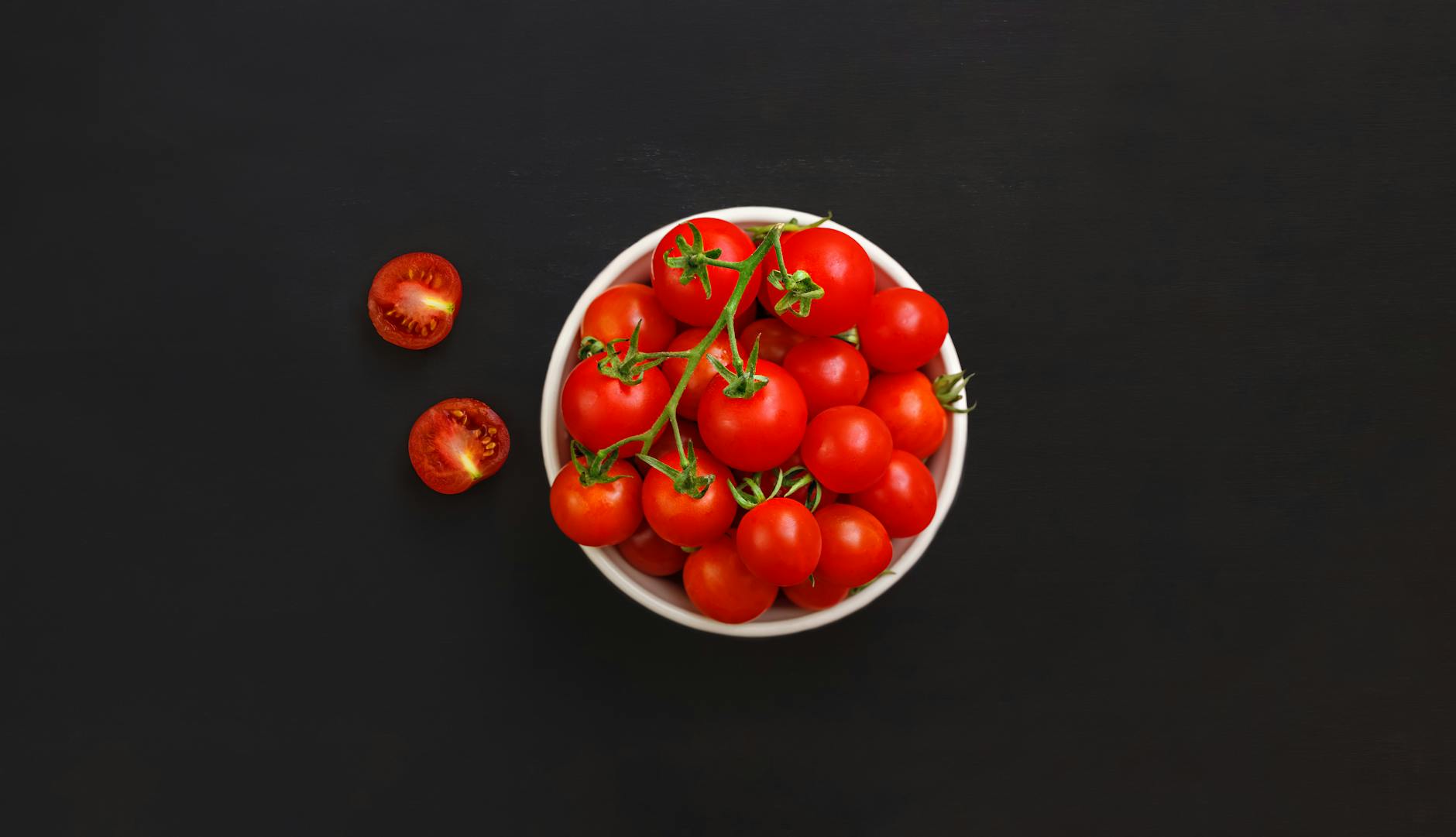
Cats should not eat tomatoes, especially unripe green tomatoes and tomato plants. While a small amount of ripe red tomato flesh won’t typically cause immediate poisoning, tomatoes contain compounds called alkaloids and solanine that can be toxic to cats. The risk increases significantly with unripe tomatoes, which contain higher concentrations of these harmful compounds.
If your cat eats a single piece of ripe tomato from your salad, it will likely be fine, but feeding tomatoes as a regular snack or allowing your cat to chew on tomato plants is genuinely dangerous. The main concern with tomatoes is that cats metabolize these toxic compounds differently than humans. Their smaller body size means even modest amounts can build up in their system and cause gastrointestinal distress, lethargy, or in severe cases, tremors and cardiac issues. The stems, leaves, and unripe fruit pose the greatest risk because they contain the highest concentration of solanine, which can cause poisoning.
Table of Contents
- Can Cats Eat Ripe Tomatoes Safely?
- The Real Danger: Unripe Tomatoes and Tomato Plants
- Symptoms of Tomato Poisoning in Cats
- What Should You Feed Cats Instead?
- Garden Safety and Indoor Plants
- Accidental Ingestion and What to Do
- Building a Cat-Safe Kitchen and Garden
- Conclusion
- Frequently Asked Questions
Can Cats Eat Ripe Tomatoes Safely?
Ripe red tomatoes are less dangerous than unripe ones, but they still carry risk. The ripeness matters because unripe tomatoes contain significantly more solanine, the toxic alkaloid that causes problems. A cat that takes a single bite of a ripe tomato from your dinner plate will almost certainly be fine, but this doesn’t mean tomatoes are safe food for cats to eat regularly. The safest approach is to avoid offering them at all, since cats gain no nutritional benefit from tomatoes and the risk, however small, isn’t worth taking.
The difference between ripe and unripe is critical. A green tomato can make a cat sick; a fully red, ripe tomato is much less likely to cause harm, but the flesh of even ripe tomatoes still contains some solanine. Some veterinarians suggest that the amount of solanine in a single ripe tomato is too small to harm most cats, but this varies based on the tomato variety, the cat’s weight, and individual sensitivity. For a 10-pound cat, even a small amount could accumulate if the tomato is consumed multiple times.
The Real Danger: Unripe Tomatoes and Tomato Plants
The serious toxicity risk comes from unripe green tomatoes and the tomato plant itself. Tomato stems, leaves, and vines contain alkaloids that are genuinely poisonous to cats, even in small amounts. If you grow tomatoes in your garden or keep a potted tomato plant indoors, your cat chewing on or nibbling the plant material poses a real poisoning risk. Many cat owners don’t realize that the plant is more dangerous than the fruit, and a curious cat exploring a tomato plant can get into real trouble.
Green or unripe tomatoes contain 2-5 times more solanine than fully ripened fruit, making them significantly more toxic. Symptoms of tomato poisoning in cats include vomiting, diarrhea, abdominal pain, tremors, lethargy, drooling, and loss of appetite. In severe cases, a cat could experience weakness, irregular heartbeat, or respiratory depression. The limitation here is that symptoms can appear several hours after ingestion, and by then the toxin has already been absorbed. If you suspect your cat has eaten unripe tomatoes or tomato plant material, you should contact your veterinarian immediately rather than waiting to see if symptoms develop.
Symptoms of Tomato Poisoning in Cats
If your cat has ingested tomato or tomato plant material, watch for specific warning signs. Early symptoms include vomiting and diarrhea, followed by lethargy, loss of appetite, and excessive drooling. Some cats may develop abdominal pain, indicated by a hunched posture or reluctance to move. In more severe cases, you might notice tremors, muscle weakness, or even cardiac arrhythmias, though these are less common unless a large amount was ingested.
The timing of symptoms varies, but they typically appear within a few hours to a day after ingestion. A cat that ate a tiny piece of ripe tomato might show no symptoms at all, while a cat that chewed on tomato plant stems could show signs within 6-12 hours. The challenge is that these symptoms can also indicate other health problems, so your veterinarian needs to know what your cat ate to make a proper diagnosis. If you see your cat eating tomato material and symptoms develop, bring your cat to the vet with information about how much was eaten and when.
What Should You Feed Cats Instead?
Cats are obligate carnivores, meaning they thrive on meat and have minimal need for vegetables or fruits. Unlike dogs, cats lack the ability to process plant material efficiently and don’t require the fiber or nutrients that vegetables provide. If you want to offer your cat a treat beyond their regular food, options like cooked chicken, turkey, or small amounts of cooked fish are far better choices.
These provide genuine nutritional value and pose no toxicity risk. If you’re interested in giving your cat occasional healthy treats, the comparison is clear: cooked chicken breast offers lean protein and satisfies their carnivorous nature, while a piece of tomato offers nothing nutritionally beneficial and carries even a small toxicity risk. Some cat owners offer tiny amounts of cooked pumpkin for digestive health or a few plain cooked vegetables, but tomatoes should never be on that list. Your cat’s diet should be built around high-quality commercial cat food formulated to meet their nutritional needs, with treats making up no more than 10% of daily calorie intake.
Garden Safety and Indoor Plants
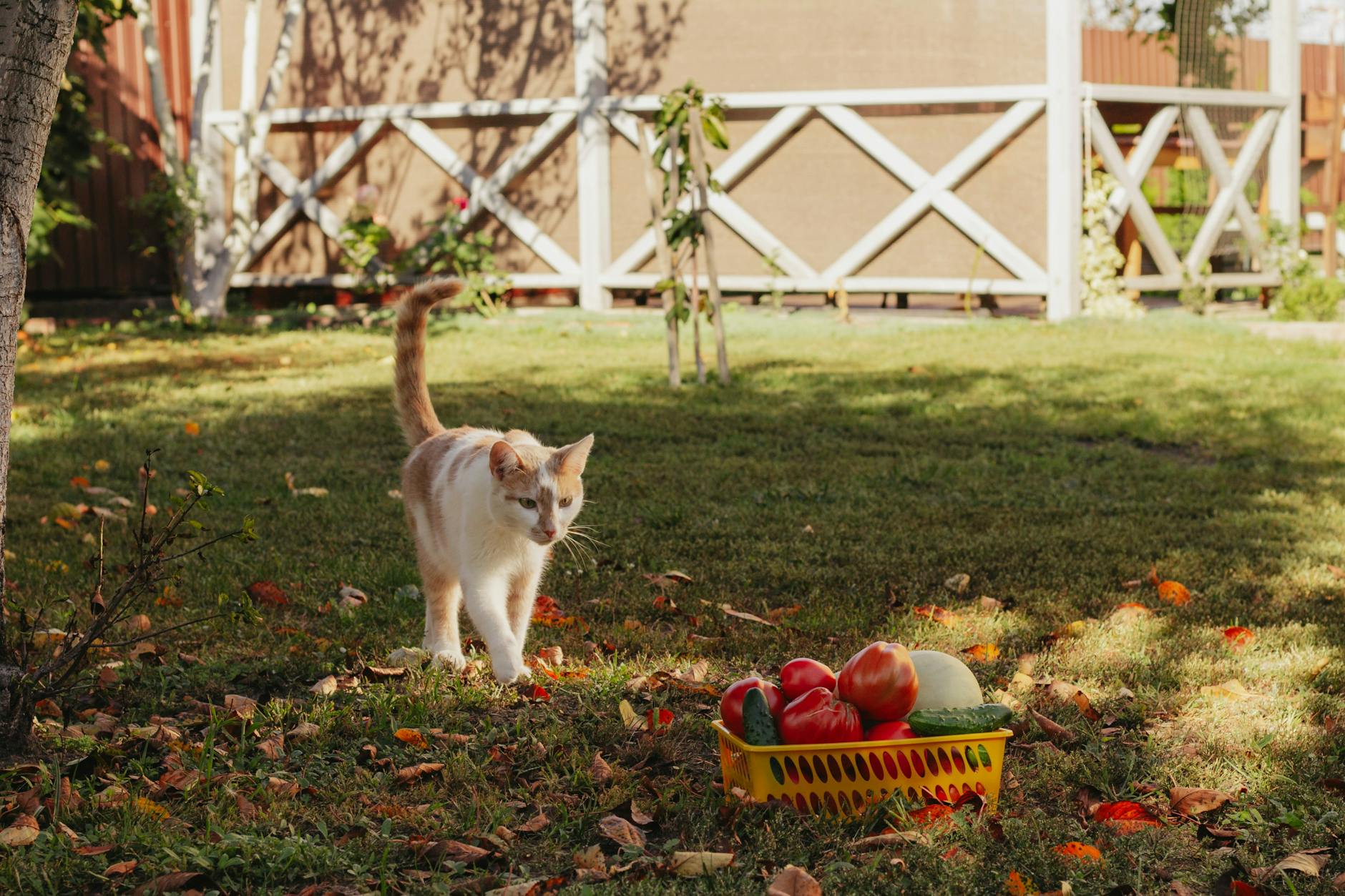
If you grow tomatoes in a garden or keep potted tomato plants indoors, you need to actively prevent your cat from accessing them. Cats are naturally curious and may chew on plants, especially if the plant has interesting textures or movements from the wind. A cat that regularly has access to a tomato plant will almost certainly nibble on it at some point, creating chronic low-level exposure to solanine. This is a serious warning sign that pet owners often overlook because they assume their cat won’t eat the plant.
Garden barriers, fencing, or placing potted plants in areas your cat cannot access are essential precautions. If you keep tomato plants indoors or in a greenhouse where your cat has roaming access, you’re creating an ongoing toxicity risk. Even if your cat hasn’t shown interest in eating plants, the risk is real enough that it’s worth managing proactively. Indoor cat owners should keep tomato plants out of reach entirely, rather than relying on the hope that their cat won’t be interested.
Accidental Ingestion and What to Do
If you discover that your cat has eaten tomato or tomato plant material, your first step should be to identify what was eaten and how much. For a tiny piece of ripe tomato, monitoring your cat at home is likely sufficient, but for any amount of unripe tomato or plant material, call your veterinarian immediately. Don’t wait for symptoms to develop; early veterinary intervention can prevent complications.
Your veterinarian may recommend activated charcoal to absorb toxins, IV fluids to support kidney function, or other supportive care depending on the amount ingested and your cat’s symptoms. Keep the phone number of your veterinary clinic and an emergency animal hospital readily available, especially if you grow tomatoes or keep tomato plants at home. The cost of preventative management is far lower than emergency veterinary care for poisoning.
Building a Cat-Safe Kitchen and Garden
Creating a cat-safe environment means thinking beyond just what’s in the food bowl. Many common foods that are safe for humans are toxic to cats, and tomatoes are just one example on a longer list that includes grapes, onions, garlic, avocado, and chocolate. If you’re a gardener or frequent cook, understanding which plants and foods are dangerous to cats is an essential part of pet ownership.
The forward-looking approach is to educate yourself about toxicity before bringing plants or foods into spaces where your cat lives. Building awareness now prevents problems later. Many cat poisoning cases happen because owners didn’t realize something was toxic until after their cat got sick. By understanding tomato toxicity and other common hazards, you can create an environment where your cat can safely explore without constant worry about accidental ingestion of dangerous substances.
Conclusion
Cats should not eat tomatoes, and the safest approach is to avoid offering them entirely. While a small piece of ripe tomato flesh is unlikely to cause immediate harm due to the small amount of solanine present, this doesn’t mean tomatoes are safe treats. The real danger lies with unripe green tomatoes and tomato plants, which contain significantly higher concentrations of toxic compounds. Your cat gains no nutritional benefit from tomatoes, and the potential for toxicity—however modest—makes them an unnecessary risk.
Your cat’s health depends on meeting their carnivorous dietary needs with high-quality protein sources and commercial cat food formulated for their species. If you want to offer treats, cooked chicken, turkey, or other meat options are far better choices. If you garden or keep tomato plants indoors, take active steps to prevent your cat from accessing them. By understanding tomato toxicity and other common hazards, you’re taking an important step toward keeping your cat healthy and safe throughout their life.
Frequently Asked Questions
What if my cat ate one small piece of ripe tomato?
A single small piece of fully ripe red tomato flesh will almost certainly cause no harm. Monitor your cat for any signs of illness like vomiting or lethargy, but most cats that consume this amount experience no symptoms. However, this doesn’t mean regular tomato snacking is safe.
Can kittens eat tomatoes?
No, kittens should avoid tomatoes just as adult cats should. Kittens are smaller and more vulnerable to toxins, so the same amount of solanine poses a greater risk. Their developing digestive systems are also less able to handle potentially toxic compounds.
Are tomato-based foods like tomato sauce safe for cats?
No, tomato sauce, ketchup, and other tomato-based products should be avoided. These foods often contain added salt, garlic, onions, and other ingredients that are toxic to cats in addition to the tomato itself. The concentration of solanine may also be higher in processed tomato products.
What are symptoms of tomato poisoning?
Symptoms include vomiting, diarrhea, lethargy, loss of appetite, abdominal pain, drooling, tremors, and muscle weakness. Symptoms typically appear within hours to a day after ingestion. Contact your veterinarian if you suspect your cat has eaten tomatoes or tomato plant material.
How much tomato is toxic to cats?
There is no universally safe threshold because toxicity depends on the cat’s weight, the tomato’s ripeness, and individual sensitivity. Unripe tomatoes are far more dangerous than ripe ones. To be safe, assume any amount of unripe tomato or tomato plant material requires veterinary attention.
Can cats get tomato toxicity from eating kibble with tomato ingredients?
Commercial cat food may contain tomato products in small, processed amounts that have been deemed safe by pet food regulators. If you’re concerned about a specific food, consult your veterinarian, but don’t assume fresh tomato toxicity applies to processed pet food formulations.