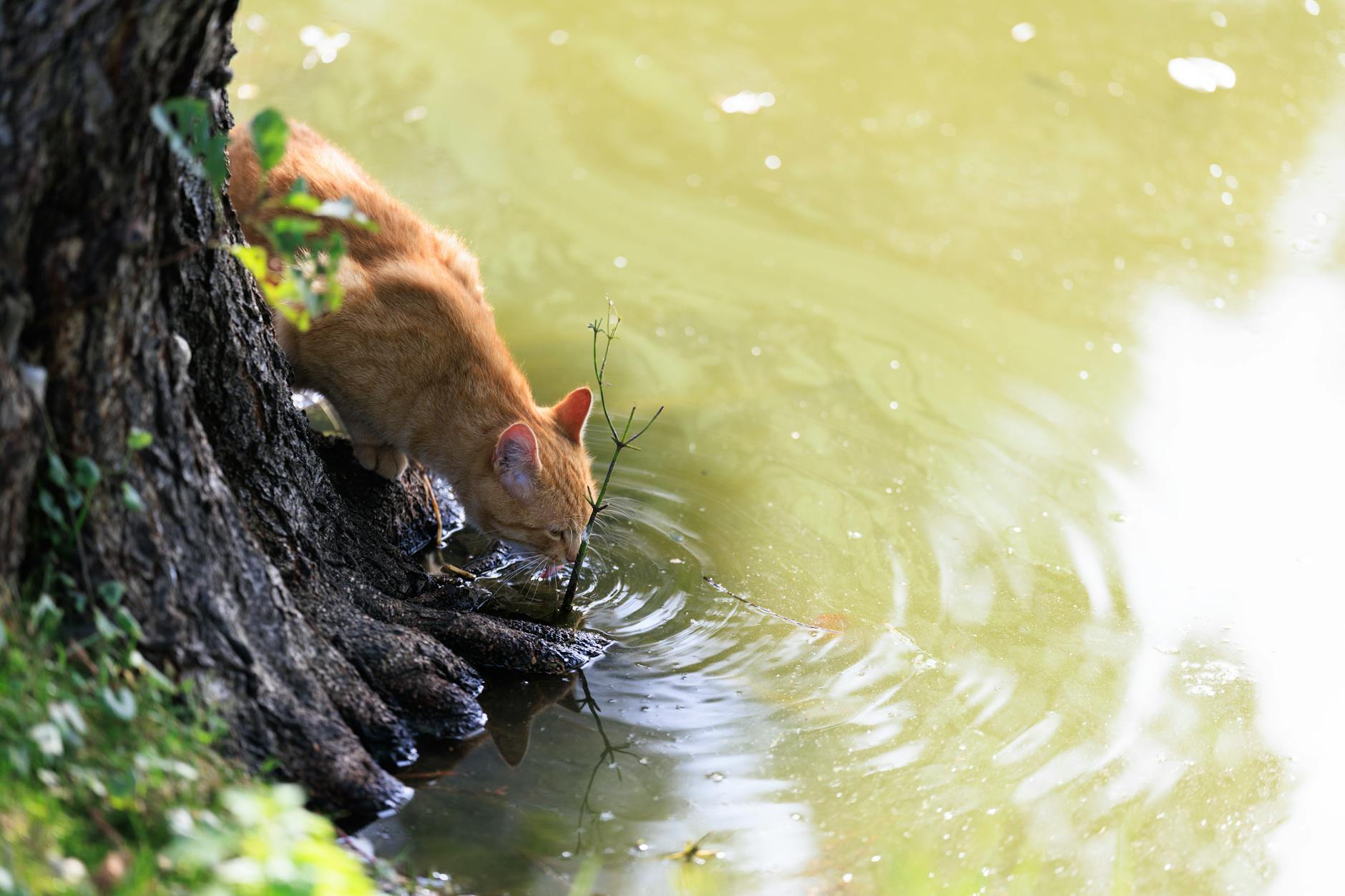
Yes, it is generally safe for cats to share water bowls with dogs, provided both pets are healthy, up-to-date on vaccinations, and receive regular preventative care. Disease transmission through shared water bowls is not a significant risk for pets already living together in the same household, as they’ve typically already been exposed to each other’s bacteria and viruses. For example, a cat and dog that have grown up together and share a home environment face minimal additional disease risk from sharing a water bowl compared to their daily close contact and shared living space.
However, while sharing a water bowl is safe from a purely health standpoint, there are behavioral and practical considerations that make multiple water sources a better approach for most households. The safety of shared bowls depends less on the water itself and more on the health status of both animals and how well they coexist. Understanding both the health and behavioral aspects will help you determine whether a shared water bowl makes sense for your specific pets.
Table of Contents
- What Are the Disease Risks When Cats and Dogs Share Water Bowls?
- Prevention and Health Management for Shared Water Bowls
- Resource Guarding and Aggression Over Water
- Multiple Water Bowls as the Recommended Solution
- Special Circumstances When Sharing Is Not Recommended
- Water Bowl Hygiene and Cleaning Practices
- Building the Right Watering Strategy for Your Household
- Conclusion
What Are the Disease Risks When Cats and Dogs Share Water Bowls?
The primary diseases that can potentially spread through shared water bowls include giardia, kennel cough, and various viral infections. Giardia is a parasitic infection that causes diarrhea and can be transmitted through contaminated water, though the risk is greater if one pet is actively ill. Kennel cough, despite its name, can affect both dogs and cats and is communicable through water and respiratory droplets.
Other viral infections may also spread through contaminated water, though this is relatively uncommon in household pets that are already exposed to each other’s germs daily. The actual transmission risk through water bowls is comparatively low for pets living in the same home, since they share food, toys, bedding, and living spaces regularly. A cat already sleeps on the same couch as the dog and grooms itself after potentially touching contaminated surfaces, so a shared water bowl represents only a marginal increase in disease exposure. The greater concern arises if either pet is ill or if one has recently been treated for a parasitic infection—in these cases, separate bowls become more important until the illness resolves.

Prevention and Health Management for Shared Water Bowls
If you choose to allow your cat and dog to share a water bowl, maintaining their health through regular preventative care is essential. Both pets should be current on vaccinations, receive regular flea and worm treatments as recommended by your veterinarian, and be checked annually for parasites and infections. Daily cleaning and disinfection of the water bowl dramatically reduces the risk of disease transmission, as it prevents bacteria and parasites from accumulating.
One significant limitation of relying on preventative care alone is that it doesn’t eliminate all disease transmission risks. A pet can contract giardia or another infection despite being on preventative medication, and illness can develop between veterinary visits. Additionally, some pet owners forget to clean water bowls as frequently as they should, especially if the bowl is refilled multiple times daily. If either pet shows signs of illness—diarrhea, loss of appetite, lethargy, or respiratory symptoms—they should be evaluated by a veterinarian, and water bowl sharing should be temporarily discontinued until they recover.
Resource Guarding and Aggression Over Water
Even cats and dogs raised together from puppyhood and kittenhood can develop resource-guarding behaviors around water bowls. Resource guarding is an instinctive behavior where an animal becomes defensive or aggressive when protecting something valuable, and water can trigger this response in both species. A dog might intimidate a cat away from the water bowl, or conversely, a cat might swat at a dog who approaches while the cat is drinking.
These conflicts are particularly likely in multi-pet households with significant size differences, where the larger or more dominant pet may monopolize access to the shared bowl. Even if no overt aggression occurs, a cat may experience enough stress from the presence of a larger dog at the water source to avoid drinking altogether. This can lead to chronic mild dehydration in cats, which is already a common problem in feline health. For instance, a nervous cat in a household with an assertive dog might only drink when the dog is in another room, reducing overall water intake and increasing the risk of urinary and kidney problems.

Multiple Water Bowls as the Recommended Solution
Veterinarians widely recommend providing multiple water bowls in different locations throughout your home as the safest approach for households with both cats and dogs. This allows each pet to access water without feeling they must compete or defend their access, reducing both health risks and behavioral stress. A practical setup might include one water bowl in the kitchen near food dishes, another in a quiet location where your cat prefers to drink, and a third in a separate room or upstairs away from the main living area.
The tradeoff of providing multiple bowls is minor—it requires slightly more maintenance and takes up a bit more space—but the behavioral and health benefits are substantial. Multiple bowls cost minimal money compared to potential veterinary bills for stress-related illnesses or complications from dehydration. Cats especially benefit from this approach, as they often prefer to drink away from their food sources, a natural instinct that reflects how they would behave in the wild. By honoring this preference, you encourage your cat to drink more water, which supports kidney and urinary tract health.
Special Circumstances When Sharing Is Not Recommended
If either your cat or dog is currently ill or recovering from infection, they should not share a water bowl. Conditions like giardia, kennel cough, and other contagious infections require temporary isolation of water sources until the pet has completed treatment and your veterinarian confirms recovery. The illness must fully resolve before reintroducing shared bowls, as some parasites can remain infectious in the environment for extended periods.
Additionally, if your pets show any signs of aggression, anxiety, or avoidance behaviors around the water bowl, you should immediately provide separate bowls even if they’ve previously shared. A cat that stops drinking because it’s stressed by a dog’s presence will deteriorate quickly, potentially developing urinary blockages or other serious conditions within days. Similarly, a dog that resource-guards aggressively around the bowl could injure a cat over time, even if no serious incident has yet occurred. These behavioral warning signs are not problems to ignore or manage—they’re indications that your household needs multiple water sources for the wellbeing of both pets.
Water Bowl Hygiene and Cleaning Practices
Proper water bowl hygiene becomes even more important when multiple pets share access to water. Bowls should be cleaned and refilled at least once daily, more frequently if the water becomes visibly dirty or if either pet has been playing outside. Use hot water and a clean cloth or sponge when washing the bowl, and consider periodic disinfection with a pet-safe cleaner or diluted bleach solution (thoroughly rinsed afterward).
Stainless steel or ceramic bowls are easier to keep clean than plastic, which can harbor bacteria in microscopic scratches. If you’re concerned about disease transmission, ceramic bowls with a glaze finish or stainless steel bowls are superior to plastic alternatives. Plastic bowls degrade over time, especially if exposed to hot water or dishwashers, creating crevices where bacteria can hide. A cat drinking from a degraded plastic bowl shared with a dog has more pathogen exposure than one drinking from a well-maintained ceramic bowl, demonstrating that maintenance quality matters as much as the act of sharing itself.
Building the Right Watering Strategy for Your Household
The best approach for your specific household depends on your cats’ and dogs’ temperaments, your living space, and your commitment to ongoing maintenance. If your pets coexist peacefully without tension, both are healthy and current on preventative care, and you’re willing to clean the bowl daily, sharing a bowl is technically safe. However, this represents a best-case scenario, and most veterinarians would still recommend multiple bowls as the lowest-risk approach.
As your pets age, their dynamics may change, and flexibility becomes important. An aging cat might become more irritable around food and water, or a senior dog might lose interest in certain areas of the home. By providing multiple water sources from the beginning, you create a system that adapts naturally to changing needs throughout your pets’ lives, reducing the need to restructure their environment when health or behavioral changes occur.
Conclusion
Cats and dogs can safely share a water bowl if both pets are healthy, vaccinated, and receive regular preventative care, since disease transmission through shared bowls is minimal for pets already living in close contact. However, the safety of the practice depends more on your commitment to daily cleaning, ongoing veterinary care, and your ability to monitor both pets for signs of illness or behavioral issues.
Rather than viewing shared water bowls as the default, consider multiple water bowls in different locations as your primary strategy. This approach eliminates behavioral stress, reduces any remaining disease transmission risk, and supports your cat’s natural preference to drink away from food sources. By investing in a few extra water bowls, you invest in both the physical health and emotional wellbeing of both your cat and dog.