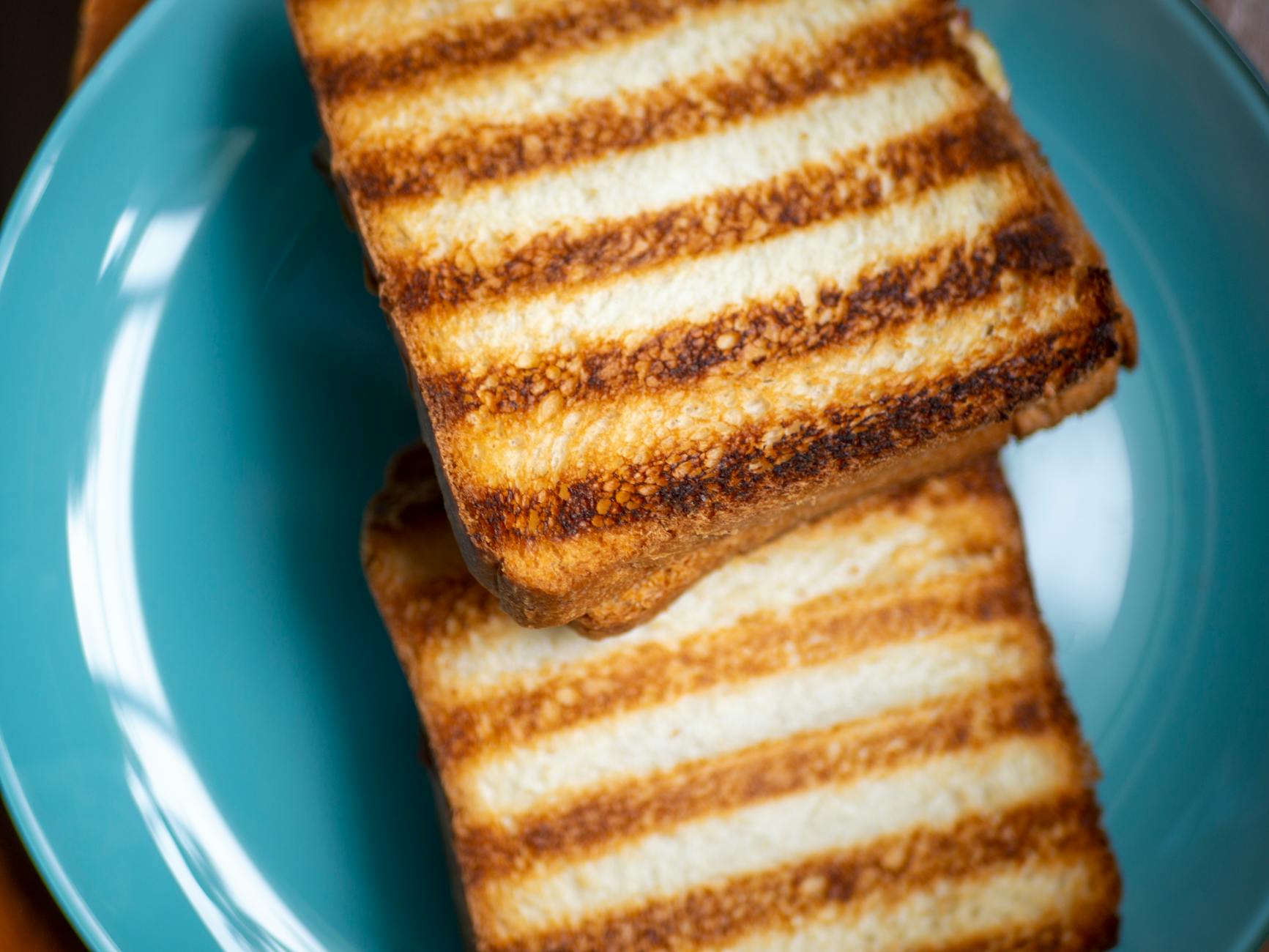
Plain, unsalted toast is generally safe for cats to eat in very small quantities, but it offers little nutritional value and isn’t recommended as a regular treat. A cat that nibbles a small piece of plain toast once in a while won’t suffer harm, but there are several reasons why toast shouldn’t become part of your cat’s diet. For example, if your cat steals a bite of your breakfast toast one morning, there’s no need to panic—your cat will be fine.
However, the bigger concern is that feeding toast to cats can displace more nutrient-dense foods that cats actually need, and some common toast preparations contain ingredients that are genuinely harmful to felines. The key distinction is that plain, unbuttered, unsalted toast is worlds away from most of the toast humans actually eat. The moment you add butter, oils, garlic, onions, or excessive salt, toast transforms from a relatively benign snack into something potentially dangerous for your cat. Understanding the difference between what’s technically safe and what’s actually appropriate for your cat’s health is essential for any cat owner navigating the question of human foods and feline nutrition.
Table of Contents
- What Ingredients in Plain Toast Are Safe for Cats?
- Nutritional Value and Dietary Concerns
- How Much Toast Can Cats Safely Eat?
- Practical Guidelines for Sharing Toast with Your Cat
- Potential Digestive Issues and Risks
- Toast Toppings and Additions to Avoid
- Understanding Your Cat’s Actual Nutritional Needs
- Conclusion
What Ingredients in Plain Toast Are Safe for Cats?
Plain toast made from white or wheat bread consists primarily of flour, water, and yeast—ingredients that are not toxic to cats. Cats can digest simple carbohydrates without immediate harm, which is why a small amount of plain toast won’t poison them. However, carbohydrates are not a necessary part of a cat’s diet at all. Unlike humans, cats are obligate carnivores, meaning their bodies are designed to extract nutrition almost exclusively from protein sources, not grains.
When you compare the digestive systems of cats to dogs (which are omnivores and can process grains more efficiently), cats lack certain enzymes that would allow them to derive meaningful nutrition from bread products. Whole wheat toast presents a slightly different consideration than white toast. While whole wheat contains more fiber and some additional nutrients, the fiber can actually be problematic for some cats, particularly those with sensitive digestive systems. If your cat has ever experienced diarrhea or constipation after eating something unexpected, whole wheat toast is more likely to be the culprit than white toast, since the additional fiber can trigger digestive upset in felines.
Nutritional Value and Dietary Concerns
The primary limitation of toast for cats is that it provides virtually no nutritional benefit while potentially filling up a cat’s small stomach with empty calories. A cat’s daily caloric needs are modest—typically 250 to 300 calories per day for an average adult cat—so even a single piece of toast consumes a meaningful portion of that daily budget without providing the protein, taurine, or other essential nutrients cats require for survival. Taurine, in particular, is an amino acid that cats cannot synthesize on their own and must obtain from meat sources; toast contains none of it. There’s also a cumulative effect to consider.
If you feed your cat toast regularly, you’re gradually reducing the percentage of their diet that comes from nutritionally complete cat food. Over weeks and months, this can lead to nutritional deficiencies that show up as a dull coat, reduced energy, or more serious health complications. A practical example: if a cat that should eat 250 calories daily consumes 25 calories of toast per day, that’s 10 percent of their nutrition coming from an ingredient with no nutritional value to them. Multiply that over a year, and you’re looking at a significant portion of your cat’s diet being nutritionally wasted.
How Much Toast Can Cats Safely Eat?
If your cat has accidentally consumed plain toast and you’re concerned, the realistic answer is that they can tolerate small amounts without developing acute illness. A piece of toast the size of a credit card eaten once or twice is unlikely to cause problems in a healthy cat. However, this tolerance threshold is very different from the amount that’s actually safe to offer as a treat. The safe range for intentionally giving toast to a cat is essentially zero grams per day—it’s not a food category you should be including in your feeding routine at all.
If you want to give your cat an occasional human food treat, there are genuinely better options available. Small pieces of cooked chicken, turkey, or salmon provide actual nutrition that aligns with your cat’s dietary needs. These protein sources contain taurine and other amino acids that toast completely lacks. The comparison is stark: one small piece of cooked chicken offers your cat nutritional benefits, while one piece of toast offers nothing but carbohydrates your cat doesn’t need.
Practical Guidelines for Sharing Toast with Your Cat
If your cat has already developed an interest in toast—perhaps because they’ve seen you eating it—the practical approach is simple redirection rather than restriction. Instead of offering toast as a treat, redirect that interest toward foods that benefit your cat. Keep toast on your plate, not on the floor or within easy reach of your cat, and reward their interest in other activities with actual cat-appropriate treats. This approach prevents your cat from developing an expectation that human breakfast foods are fair game, which can lead to more problematic begging behavior over time.
For households where cats are persistent food thieves, prevention is easier than correction. Store bread products in sealed containers, eat at a table rather than on the couch where crumbs fall, and establish a consistent routine where your cat understands that human food time is not cat-food-begging time. The key difference between a cat that respects human food boundaries and one that doesn’t is typically the consistency of the owner’s response during the first year of the cat’s life with you. Once a cat learns that stealing toast results in attention or removal of the food from their mouth, they’ve already begun to see toast as a “game” worth playing.
Potential Digestive Issues and Risks
While plain toast won’t poison a cat, it can trigger digestive upset in individual cats, particularly those with sensitive stomachs or inflammatory bowel conditions. Vomiting or diarrhea after eating bread is not uncommon in cats, and some cats seem genetically predisposed to grain sensitivities. If your cat has ever suffered from chronic digestive issues, adding bread products to their diet is actively counterproductive and could trigger a flare-up that requires veterinary attention. There’s also a warning to consider regarding choking and gastrointestinal blockage.
While the risk is relatively low with soft toast, some cats tear off pieces that don’t chew thoroughly before swallowing. Bread can absorb moisture in the stomach and cause mild blockages in rare cases. Kittens and cats with a tendency to gulp food without chewing are at higher risk, as are cats who see food as something to consume immediately rather than investigate. If your cat has ever had a foreign body blockage requiring surgery, avoiding bread products entirely is the responsible choice.
Toast Toppings and Additions to Avoid
The real danger with toast for cats emerges the moment you add anything on top of it. Butter is high in fat and calories, and while a tiny amount won’t harm a cat, regular butter consumption contributes to obesity and pancreatitis risk. Garlic and onions—common toast toppings for humans—are toxic to cats and can damage their red blood cells, causing hemolytic anemia.
Even small amounts of garlic powder on toast represent a genuine health hazard. Avocado, cream cheese, peanut butter, chocolate spreads, and honey are all common toast toppings that carry varying degrees of risk for cats. Avocado is toxic, chocolate is poisonous, and peanut butter (while not toxic) is extremely high in fat and calories and offers no nutritional value to a cat. The takeaway is that any toast you’re eating for enjoyment—toast as humans actually consume it—is automatically off-limits for your cat.
Understanding Your Cat’s Actual Nutritional Needs
To properly frame whether toast is appropriate for your cat, it helps to understand what cats actually require nutritionally. High-quality commercial cat food—whether wet or dry—is formulated to meet all of your cat’s essential nutrient requirements, including taurine, amino acids, vitamins, and minerals in the precise ratios that feline bodies need. This formulation is backed by decades of veterinary nutritional science and has been tested extensively.
When you feed your cat complete and balanced commercial cat food as their primary diet, any additional human foods should be true treats—foods you’re adding for enrichment or bonding, not nutrition. This shifts the conversation about toast from “is it safe?” to “does my cat need it?” The answer to that second question is definitively no. Your cat will be healthier, live longer, and maintain a better weight if their diet consists almost exclusively of nutritionally complete cat food, with only the occasional treat of truly cat-appropriate foods like plain cooked meat.
Conclusion
Plain, unsalted toast will not seriously harm your cat if consumed in small quantities, but it has no place in a regular feline diet. It provides no nutritional value, displaces more nutrient-dense foods, and can trigger digestive upset in individual cats. The distinction between what’s technically safe and what’s actually appropriate for your cat’s health is important—just because your cat can eat something doesn’t mean it’s good for them.
If your cat has already shown interest in toast, redirecting that interest toward protein-based treats and maintaining consistent food boundaries is the practical solution. The most important action you can take as a cat owner is to focus your cat’s diet on high-quality commercial cat food that meets all their nutritional requirements, and to view human foods—whether toast or otherwise—as occasional treats that don’t become a dietary staple. If you have concerns about your cat’s nutrition or if your cat has experienced digestive issues or health problems related to food, consult with your veterinarian about appropriate treat options and dietary strategies for your specific cat’s age, health status, and individual needs.