
No, it is not safe for cats to eat sushi in most cases. While some cooked components of sushi may not cause immediate harm, the overall dish presents multiple risks that make it unsuitable for feline consumption. Raw fish carries parasites and bacteria that cats can ingest, while rice, seaweed, and other ingredients may cause digestive upset or obstruction.
A cat that accidentally consumed a small piece of cooked sushi might experience mild symptoms or no symptoms at all, but this does not mean sushi is safe—it simply means the dose was minimal. Cats have specific nutritional needs and digestive systems designed for a meat-based diet, not processed or seasoned foods. Unlike humans, cats cannot taste sweetness and have limited ability to process certain flavors and textures found in sushi. The soy sauce, wasabi, ginger, and other seasonings common in sushi preparation are potentially harmful or at minimum disagreeable to a cat’s palate and stomach.
Table of Contents
- Why Raw Fish in Sushi Is Dangerous for Cats
- The Problem with Sushi Ingredients Beyond the Fish
- Comparing Raw Sushi Risk to Cooked Sushi Components
- What Happens If a Cat Eats Sushi: Practical Considerations
- Health Complications from Sushi Consumption
- Signs Your Cat May Need Veterinary Care After Sushi Exposure
- Safer Alternatives and Moving Forward
- Conclusion
- Frequently Asked Questions
Why Raw Fish in Sushi Is Dangerous for Cats
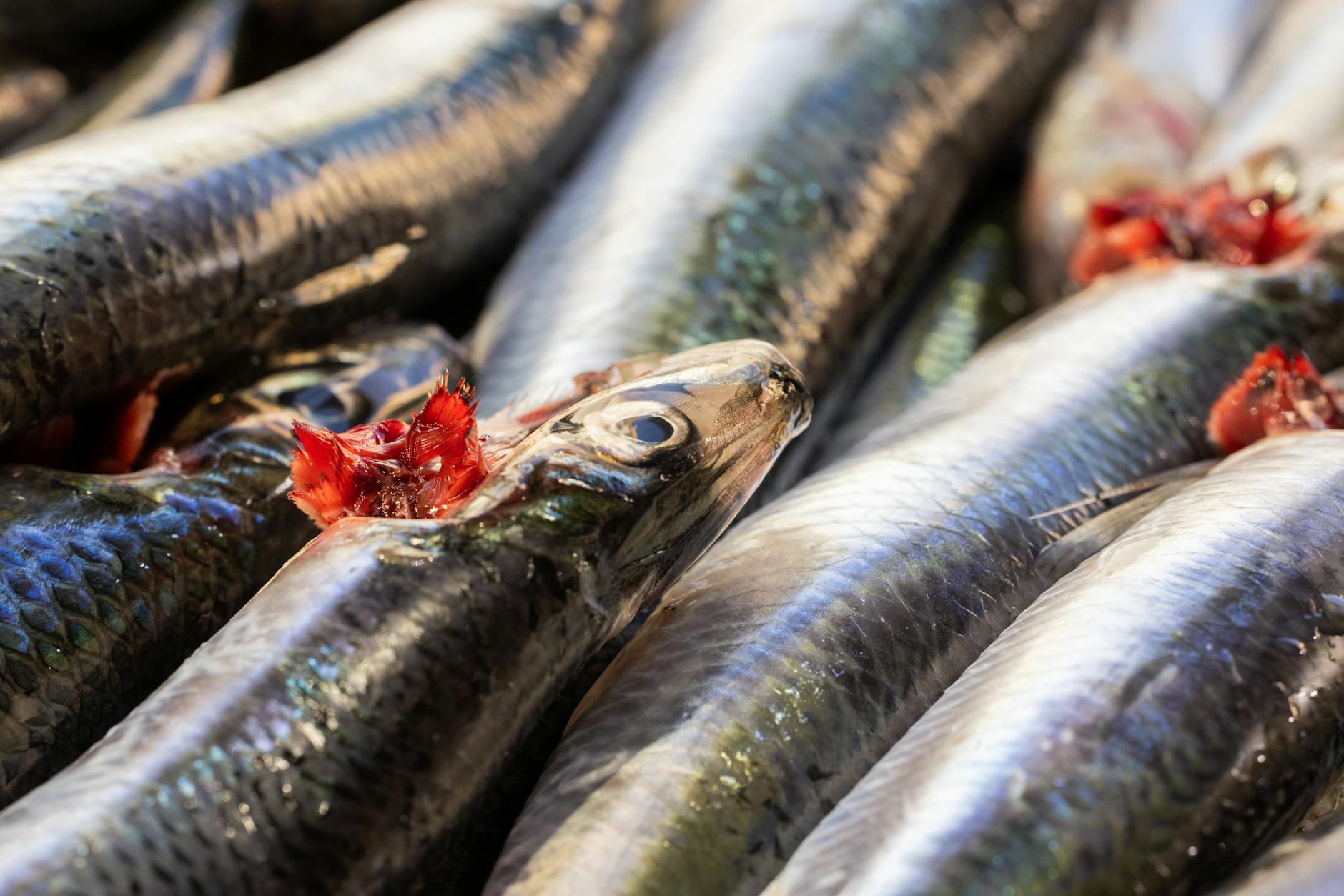
raw fish in sushi poses the greatest health risk to cats and should be avoided entirely. The primary concern is bacterial contamination—raw sushi-grade fish can contain Listeria, Salmonella, or E. coli, pathogens that affect cats as severely as they affect humans, sometimes more so. Additionally, raw fish contains thiaminase, an enzyme that breaks down thiamine (vitamin B1), a nutrient essential for cats.
Prolonged consumption of raw fish can lead to thiamine deficiency, causing neurological problems, loss of appetite, and weakness. Parasites present another serious threat. Roundworms, tapeworms, and flukes can be present in raw or undercooked fish and may cause intestinal infections in cats. A cat eating a single piece of sushi may not develop a parasitic infection, but the risk increases with repeated exposure. Some parasites take weeks or months to show symptoms, making it difficult for owners to connect the illness to the food source.
The Problem with Sushi Ingredients Beyond the Fish
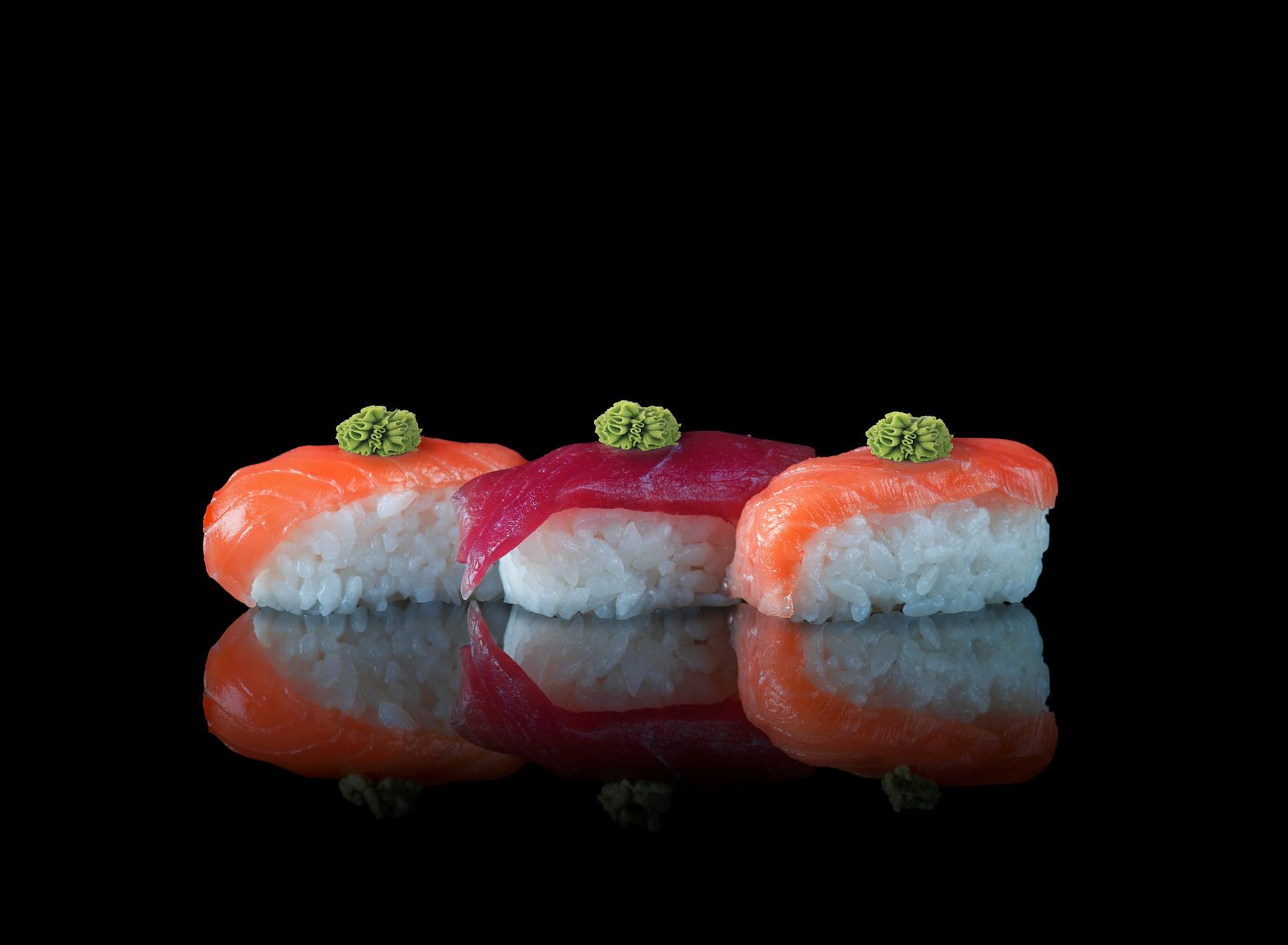
Beyond raw fish, sushi contains numerous ingredients problematic for cats. Seaweed (nori) can cause digestive blockages or upset, particularly in cats with sensitive stomachs or those prone to consuming non-food items. The seaweed may expand in the digestive tract, creating discomfort or requiring veterinary intervention in severe cases. Rice, while not toxic, is not nutritionally appropriate for cats and provides empty calories that can contribute to weight gain in indoor cats that already face obesity challenges.
The seasonings and condiments in sushi are perhaps the most immediately harmful. Soy sauce contains high levels of sodium and can cause salt poisoning in cats, leading to excessive thirst, vomiting, or seizures if consumed in sufficient quantities. Wasabi and pickled ginger contain compounds that irritate the mouth, throat, and stomach lining. Avocado, sometimes used in specialty rolls, contains persin, a compound toxic to cats that can cause vomiting, diarrhea, and heart arrhythmias. Even a small amount of avocado should be considered dangerous rather than merely unpalatable.
Comparing Raw Sushi Risk to Cooked Sushi Components
cooked fish in sushi is less immediately dangerous than raw fish, as the heat kills many bacteria and reduces the thiaminase enzyme’s activity. However, cooked sushi still carries risks when the entire product is considered as a package. A piece of cooked shrimp tempura roll might be safer than raw fish nigiri, but it still comes with rice, potentially problematic seasonings, and the risk of obstruction from the seaweed wrapper. The distinction between “cooked” and “safe” is crucial for cat owners to understand.
A cat that eats a piece of cooked sushi may show no ill effects, leading owners to believe sushi is acceptable. However, this represents only one exposure and does not account for cumulative risk or the possibility of delayed symptoms. For comparison, a cat might tolerate one piece of chocolate without incident, but this does not make chocolate safe for cats. The same logic applies to sushi—absence of immediate symptoms does not equate to safety.
What Happens If a Cat Eats Sushi: Practical Considerations
If your cat has eaten a small piece of sushi, most likely no emergency intervention is required, particularly if the sushi was cooked. Monitor your cat for the next 24 to 48 hours for signs of digestive distress, including vomiting, diarrhea, loss of appetite, or abdominal pain. Many cats who consume a single small piece of sushi will show no symptoms at all, especially if the sushi contained cooked ingredients rather than raw fish.
If your cat consumed a significant quantity of sushi, consumed raw fish sushi, or is showing symptoms, contact a veterinarian. Provide details about the type of sushi consumed, the quantity, and the time of consumption. The veterinarian can assess your cat’s individual risk based on age, weight, and underlying health conditions. Kittens and senior cats are at higher risk for complications from bacterial or parasitic infections.
Health Complications from Sushi Consumption
Acute gastrointestinal upset is the most common complication when cats eat sushi. Vomiting and diarrhea typically appear within a few hours of consumption and usually resolve within 24 hours. However, persistent symptoms lasting more than a day indicate the need for veterinary evaluation. Some cats may experience pancreatitis, an inflammation of the pancreas triggered by fatty foods or sudden dietary changes, which requires treatment and monitoring.
Bacterial infections from raw fish can develop over several days or even weeks. Symptoms may include lethargy, fever, loss of appetite, or persistent diarrhea. These infections often require antibiotic treatment. Parasitic infections from raw fish develop more slowly—weeks or months—and may initially present as subtle weight loss, poor coat condition, or vague abdominal discomfort. Regular fecal testing can identify parasitic infections and guide treatment.
Signs Your Cat May Need Veterinary Care After Sushi Exposure
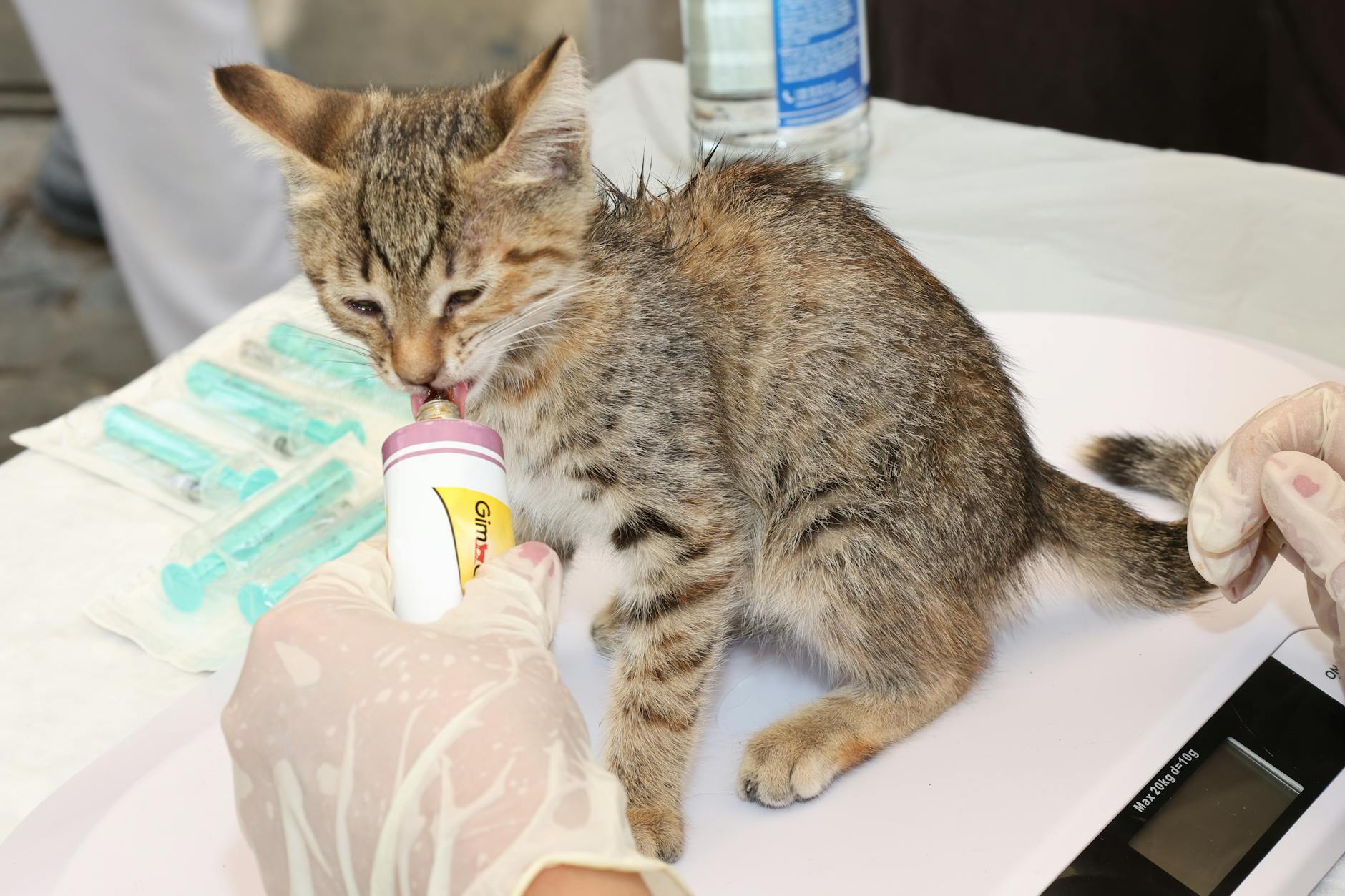
Certain symptoms warrant immediate veterinary attention. Repeated vomiting, especially if blood is present, indicates potential complications.
Persistent diarrhea lasting more than 24 hours, particularly if watery or containing blood, suggests significant digestive tract irritation or infection. Abdominal pain manifesting as a hunched posture, reluctance to move, or crying when touched indicates urgent need for evaluation. Any sign of neurological distress—loss of balance, disorientation, or tremors—could indicate a serious systemic infection and requires immediate emergency veterinary care.
Safer Alternatives and Moving Forward
Rather than offering sushi to satisfy curiosity about human foods, offer cats appropriate proteins that provide genuine nutritional value. Cooked, unseasoned chicken breast, turkey, or beef provides the protein cats need without added risk.
Some cats may enjoy small pieces of cooked salmon, which provides omega-3 fatty acids beneficial for coat and skin health, and cooking eliminates the parasite and bacterial risks associated with raw fish. These alternatives satisfy a cat’s interest in human foods while maintaining their health and safety.
Conclusion
The answer to whether cats can eat sushi is straightforward: it is not safe, even though cats might survive eating small amounts without immediate harm. The raw fish, problematic seasonings, and numerous ingredients designed for human palates rather than feline digestive systems make sushi inappropriate for cats. While a single accidental exposure to a small piece is unlikely to cause serious illness, sushi should never be intentionally offered to cats as a treat or regular food item.
If your cat regularly has access to your meals or shows interest in sushi, establish clear boundaries about which foods are off-limits. Provide appropriate protein-based treats instead, and consult your veterinarian about which human foods are genuinely safe for your specific cat. Your veterinarian can also recommend commercial treats or home-prepared options that satisfy your cat’s nutritional needs and satisfy your desire to share food experiences with your pet—safely.
Frequently Asked Questions
What if my cat ate raw fish from a grocery store?
Raw fish from grocery stores carries the same risks as sushi—bacteria, parasites, and thiaminase. Monitor your cat closely for signs of illness over the next 24 to 48 hours. Contact your veterinarian if you notice vomiting, diarrhea, or loss of appetite.
Is soy sauce the only dangerous ingredient in sushi?
No. While soy sauce is problematic due to sodium content, wasabi and pickled ginger irritate the digestive tract, avocado is toxic, and the seaweed wrapper can cause blockages. The rice provides minimal nutrition and contributes to weight gain.
Can cats get parasites from cooked sushi?
Cooked sushi is much lower risk for parasites because heat kills most parasites. However, it is still not recommended due to other ingredients and the potential for digestive upset.
Should I be worried if my cat ate one piece of sushi accidentally?
One small piece of cooked sushi is unlikely to cause serious illness. Monitor for digestive symptoms over the next 24 to 48 hours. If no symptoms appear and the piece was cooked, your cat is probably fine. Raw sushi carries higher risk even in small amounts.
What are good alternatives to sushi for cats interested in fish?
Offer cooked, unseasoned salmon or tuna in small amounts as an occasional treat. These provide nutritional benefits without the risks associated with raw fish, seasoning, and other sushi ingredients.
Can a cat develop thiamine deficiency from eating sushi once?
A single exposure to raw fish is unlikely to cause clinically significant thiamine deficiency. However, regular consumption of raw fish over weeks or months can gradually deplete thiamine levels and cause neurological problems. This is another reason to avoid offering sushi to cats repeatedly.