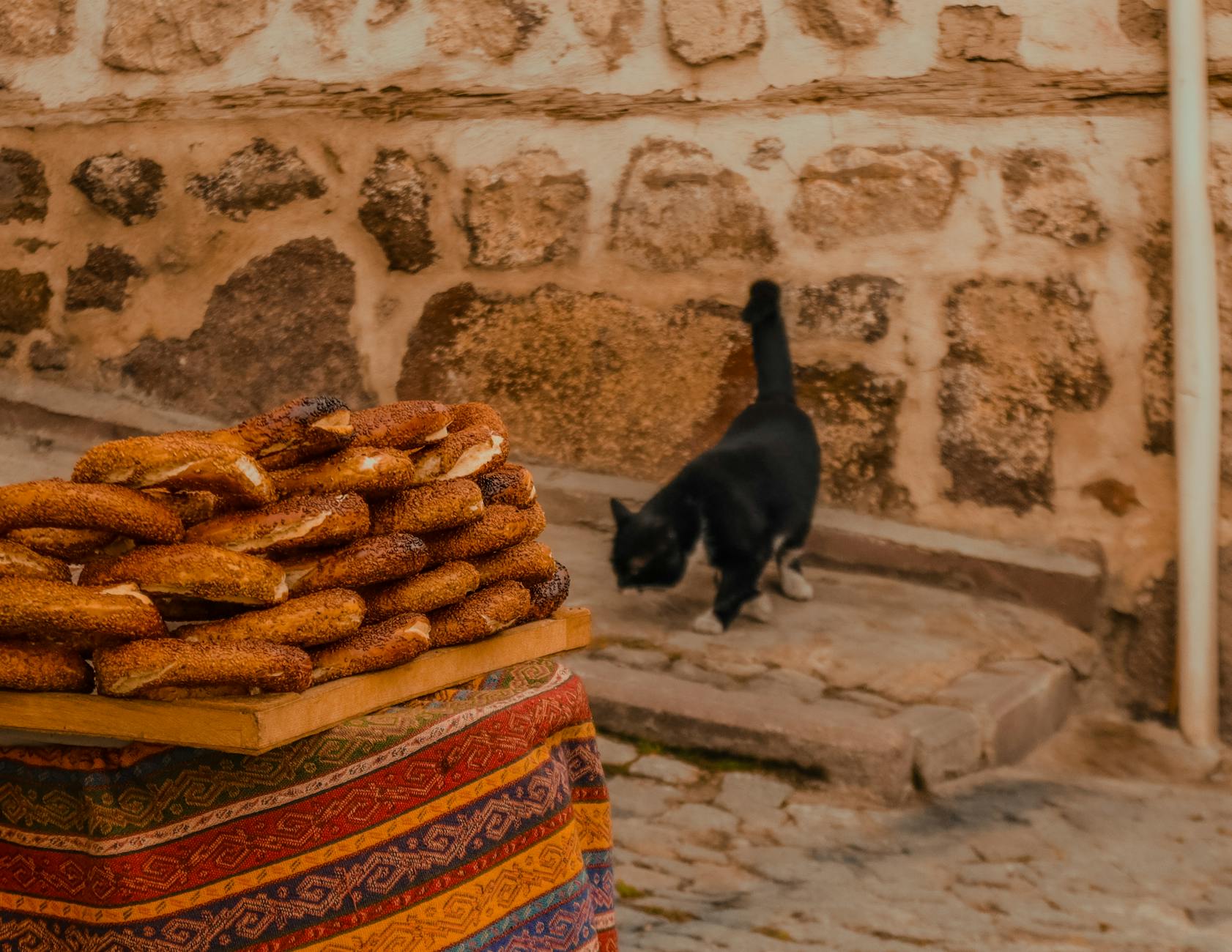
Yes, it is generally safe for cats to eat small amounts of plain bread, but there are important caveats that cat owners should understand. While bread isn’t toxic to cats and won’t cause immediate harm in occasional, small quantities, it offers virtually no nutritional benefit to felines and can actually contribute to weight gain and digestive issues. A cat that eats a piece of plain white toast once or twice isn’t in danger, but bread shouldn’t become a regular part of their diet.
The key safety distinction comes down to preparation and ingredients. Plain bread with nothing added is far different from bread containing garlic, onions, raisins, chocolate, xylitol, or excessive salt—all of which can be genuinely dangerous for cats. When your cat steals a bite of your sandwich or begs for a piece of bread you’re eating, the specific type of bread and what’s in it matters significantly more than the bread itself.
Table of Contents
- What Types of Bread Are Safe for Cats to Eat?
- Why Bread Lacks Nutritional Value for Cats
- Understanding Bread’s Effect on Cat Digestion
- How Much Bread Can a Cat Safely Eat?
- Yeast and Rising Dough: Hidden Bread Dangers
- What About Whole Wheat and Multigrain Breads?
- The Role of Bread in Weight Management and Metabolic Health
- Conclusion
- Frequently Asked Questions
What Types of Bread Are Safe for Cats to Eat?
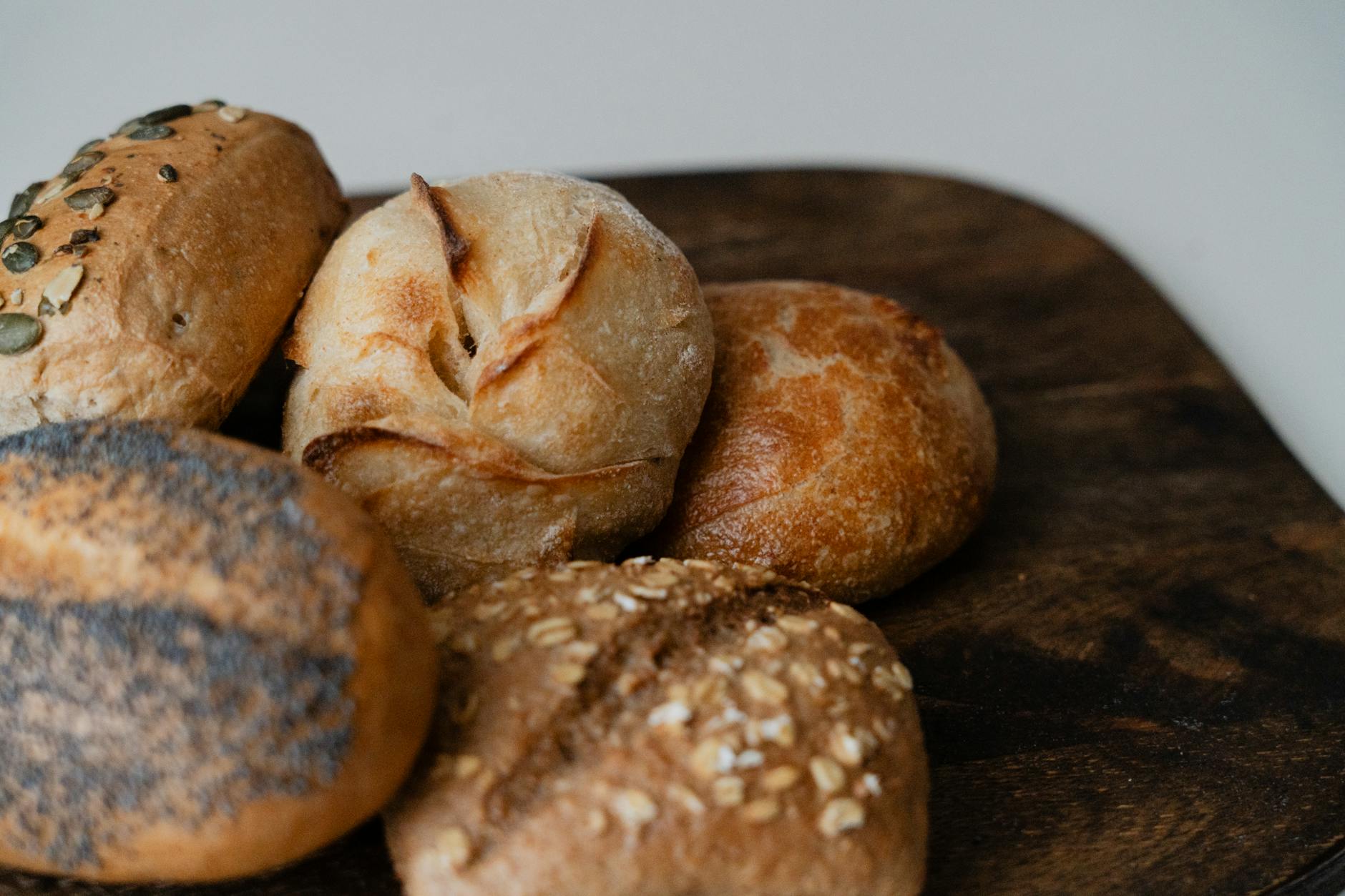
Plain, unsalted white bread and whole wheat bread are the safest options if you decide to give your cat bread at all. These varieties contain no added ingredients that would harm your cat. However, even “safe” bread shouldn’t be offered intentionally or regularly. Many commercial breads contain added sugars, preservatives, and sodium that cats don’t need and that can accumulate in their systems over time. Homemade bread without salt or sugar is safer than store-bought varieties, though still unnecessary as a cat food.
The real danger zone includes any specialty or flavored breads. Garlic bread is toxic to cats because garlic damages their red blood cells and can cause hemolytic anemia. Similarly, onion bread, raisin bread, and any bread containing chocolate chips pose serious poisoning risks. Some breads made with xylitol, a sugar substitute, can cause rapid insulin release and dangerous drops in blood sugar. Even seemingly innocent options like cinnamon raisin bread combine multiple hazards—the raisins are toxic and the cinnamon can irritate their digestive system.
Why Bread Lacks Nutritional Value for Cats
Cats are obligate carnivores, meaning their bodies are designed to thrive on a diet of meat and animal products. Bread is almost entirely carbohydrates and plant-based protein, neither of which cats require in their diet. While cats can technically digest small amounts of carbohydrates, doing so doesn’t provide any nutritional advantage. Instead, those carbohydrates are just empty calories that contribute to weight gain without supporting your cat’s health.
This nutritional mismatch creates a significant limitation: feeding bread to cats can lead to obesity and metabolic problems, particularly in indoor cats that already struggle with weight management. A slice of bread might seem insignificant, but for a 10-pound cat, that single slice represents a meaningful percentage of their daily caloric needs. Over weeks and months, regular bread consumption can shift a cat from a healthy weight into obesity range, increasing their risk of diabetes, joint problems, and heart disease. The concern isn’t that bread itself is toxic, but that it crowds out the nutrient-dense, meat-based foods that cats actually need.
Understanding Bread’s Effect on Cat Digestion
Cats have sensitive digestive systems adapted specifically for processing meat. When cats eat bread, especially in larger quantities, it can cause digestive upset including vomiting, diarrhea, or constipation. Some cats tolerate small amounts of bread without issue, while others show immediate gastrointestinal distress. This individual variation means you can’t predict how your specific cat will respond without testing, and testing with bread isn’t particularly worthwhile given that bread serves no purpose in their diet.
Consider a practical example: if your cat is struggling with constipation, introducing bread might seem logical since humans with digestive issues sometimes benefit from increased fiber. However, the fiber in bread comes from plant sources, and cats process plant fiber very differently than humans do. Their digestive system isn’t designed to extract benefits from wheat fiber. Instead of improving digestion, bread typically makes matters worse. A veterinarian would recommend addressing constipation through hydration, appropriate diet adjustments with meat-based foods, or other medical interventions—never through bread.

How Much Bread Can a Cat Safely Eat?
If your cat has already consumed bread and shows no signs of distress, the amount matters for determining whether any intervention is needed. A single bite or small crumb poses no risk. A piece approximately the size of your cat’s paw can be tolerated by most cats without serious consequences, though some might still experience mild digestive upset. Anything more than this creates genuine concern about digestive blockage, especially if the bread is doughy and expands in the stomach.
The practical tradeoff here involves choosing between feeding treats that your cat actually enjoys and that you control versus allowing random bread consumption. Many cat owners worry about being overly restrictive, but redirecting your cat’s bread interest toward appropriate cat treats or small pieces of cooked chicken creates a situation where everyone wins. Your cat gets a treat they enjoy, you have portion control, and you’re not introducing an unnecessary food into their system. This approach requires no sacrifice on either side—cats don’t have an innate need for bread, so preventing them from eating it isn’t denying them something essential.
Yeast and Rising Dough: Hidden Bread Dangers
One of the most serious bread-related dangers for cats involves raw dough containing active yeast. If your cat eats raw bread dough—perhaps snatched from a counter before you’ve finished preparing homemade bread—the yeast can continue to rise inside their stomach, causing dangerous bloating and gas accumulation. Additionally, yeast fermentation produces ethanol, which can lead to alcohol poisoning in cats. This represents a genuine medical emergency requiring immediate veterinary attention.
The warning here is critical: if you bake bread at home or work with yeast, keep all dough strictly away from your cat. This includes keeping it off counters, tables, and any accessible surfaces during rising periods. The symptoms of yeast dough ingestion include restlessness, weakness, vomiting, and rapid breathing. Some cat owners don’t even realize their cat ate raw dough until these symptoms appear hours later. Always err on the side of caution with raw dough—it’s one of the few bread-related situations where a veterinary visit is likely necessary.
What About Whole Wheat and Multigrain Breads?
Whole wheat and multigrain breads are sometimes recommended for humans with digestive issues, leading some cat owners to wonder if these options might benefit their cats. However, whole wheat bread contains significantly more fiber than white bread, making it even less appropriate for cats. The additional fiber doesn’t provide the digestive benefits for cats that it does for humans, and the increased roughage can actually cause more digestive upset.
Multigrain breads introduce additional plant ingredients that serve no purpose in a cat’s diet and increase the chance of something problematic in the mix. If you’re considering whole wheat bread because your cat has constipation or other digestive issues, consult your veterinarian about appropriate solutions instead. Commercial cat foods specifically formulated for digestive health exist and are designed for feline biology, making them infinitely more appropriate than bread.
The Role of Bread in Weight Management and Metabolic Health
As obesity rates in cats continue to rise, veterinarians increasingly focus on the cumulative impact of small dietary choices. Each piece of bread, each extra treat, and each opportunity to eat human food adds up over time. Cats are particularly prone to rapid weight gain once they exceed their ideal weight, making obesity prevention far easier than weight loss later.
From a metabolic standpoint, the carbohydrates in bread spike glucose levels in ways that feline metabolism isn’t equipped to handle efficiently, potentially contributing to insulin resistance and feline diabetes over time. Looking forward, understanding the full implications of what we feed our cats will only become more important as veterinary science reveals more about the connections between diet and feline health conditions. Choosing to exclude unnecessary foods like bread now is an investment in your cat’s long-term wellness.
Conclusion
Plain bread isn’t toxic to cats, and a single small piece won’t cause harm, but there’s no good reason to feed it to your feline companion. Cats gain nothing nutritionally from bread, while the risks—including digestive upset, weight gain, and the potential for dangerous ingredients if proper attention isn’t paid—make it an unnecessary addition to their diet. The distinction between “not toxic” and “appropriate for feeding” is crucial; just because something won’t immediately harm your cat doesn’t mean it should be part of their regular intake.
If your cat enjoys stealing bread from the kitchen counter, the best solution is prevention—keep bread out of reach and redirect your cat’s interest toward appropriate cat treats and foods. If your cat has already eaten bread, observe them for signs of digestive upset or unusual behavior, and contact your veterinarian if anything concerns you. For cats with specific health conditions like diabetes or digestive disorders, avoiding bread entirely is even more important. Your cat’s health is best served by a diet designed specifically for their feline needs, not by human foods that they simply tolerate.
Frequently Asked Questions
Can cats eat bread crusts?
Bread crusts are no safer than regular bread and are actually harder to digest. They offer no nutritional benefit and can be a choking hazard or cause digestive blockage, so it’s best to prevent your cat from eating them entirely.
Is white bread safer than wheat bread for cats?
White bread is slightly safer only because it contains less fiber and fewer plant ingredients than whole wheat. However, neither is appropriate for cats, and the safety difference is minimal compared to the general recommendation to avoid all bread.
What should I do if my cat eats a large piece of bread?
Monitor your cat closely for signs of digestive upset including vomiting, constipation, diarrhea, or lethargy. If your cat shows any of these symptoms or seems uncomfortable, contact your veterinarian. If the piece was particularly large or if your cat shows breathing problems or extreme distress, seek immediate veterinary care.
Can bread cause constipation in cats?
Yes, bread can contribute to constipation, especially if your cat is dehydrated or on a diet already lacking moisture. Cats should receive moisture primarily from their food and fresh water, not from bread-based carbohydrates.
Is store-bought bread different from homemade bread regarding cat safety?
Store-bought bread often contains preservatives and additives that homemade bread doesn’t have, making it slightly less safe. However, both types are inappropriate for cats, and homemade plain bread is only marginally better—it’s still unnecessary and provides no nutritional benefit.
What should I feed my cat instead of bread?
Cooked chicken, turkey, or other lean meats are appropriate occasional treats. Specialized cat treats designed for feline nutrition are also fine in moderation. Your cat’s primary diet should consist of complete and balanced cat food formulated by pet nutritionists for feline health.