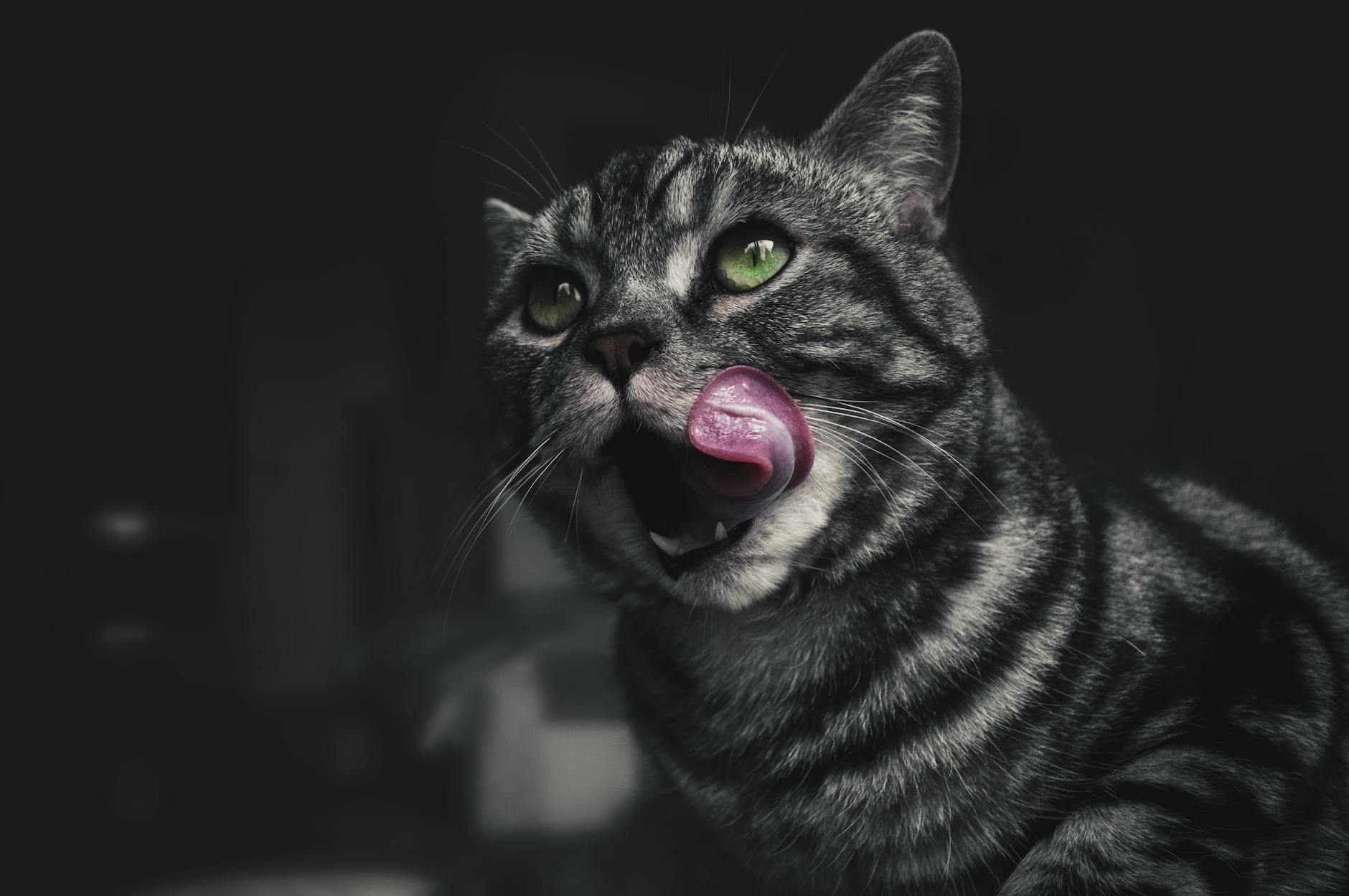
It is not safe for cats to lick dishes immediately after they’ve been through the dishwasher. Even though the rinse cycle is designed to remove food particles and soap, residual detergent can remain on dishes and pose a genuine health risk to your cat. Many cats are naturally drawn to the smell of food and the residual scents on dishes, making this a common temptation that cat owners should actively prevent.
The danger stems from dishwasher detergents, which contain surfactants and other chemicals designed to break down grease and food. A cat licking a dish that still has traces of these compounds can experience gastrointestinal upset, nausea, or more serious effects depending on the amount ingested and the sensitivity of the individual cat. For example, if you wash a plate with heavy food residue using a popular dishwasher pod, even after a full rinse cycle, microscopic amounts of detergent may remain in crevices or on the surface.
Table of Contents
- Understanding Dishwasher Detergent Toxicity in Cats
- Residual Chemicals and What Rinse Cycles Actually Remove
- Hot Water Burns and Temperature Concerns
- Safe Alternatives for Keeping Cats Away from Dishwasher Contents
- Recognizing Poisoning Symptoms in Your Cat
- Teaching Cats Appropriate Boundaries Around the Kitchen
- Building Long-Term Kitchen Safety Habits
- Conclusion
- Frequently Asked Questions
Understanding Dishwasher Detergent Toxicity in Cats
Dishwasher detergents are formulated with surfactants and enzymes that are far more concentrated than hand-washing soaps. These chemicals are intended to stay on dishes long enough to lift food and grease, and only a small amount is needed to cause problems in a cat’s sensitive digestive system. When a cat’s tongue comes into contact with even trace amounts of detergent, it can lead to inflammation of the mouth and throat, vomiting, and diarrhea.
The severity of the reaction depends on several factors: the type and brand of detergent used, the amount of residue present, and your individual cat’s sensitivity. Some detergents are more toxic than others—pods and gels tend to be more concentrated than powders. A kitten or senior cat with a compromised immune system is at higher risk for serious symptoms compared to a healthy adult cat. Additionally, cats with pre-existing digestive conditions are more vulnerable to complications from chemical exposure.
Residual Chemicals and What Rinse Cycles Actually Remove
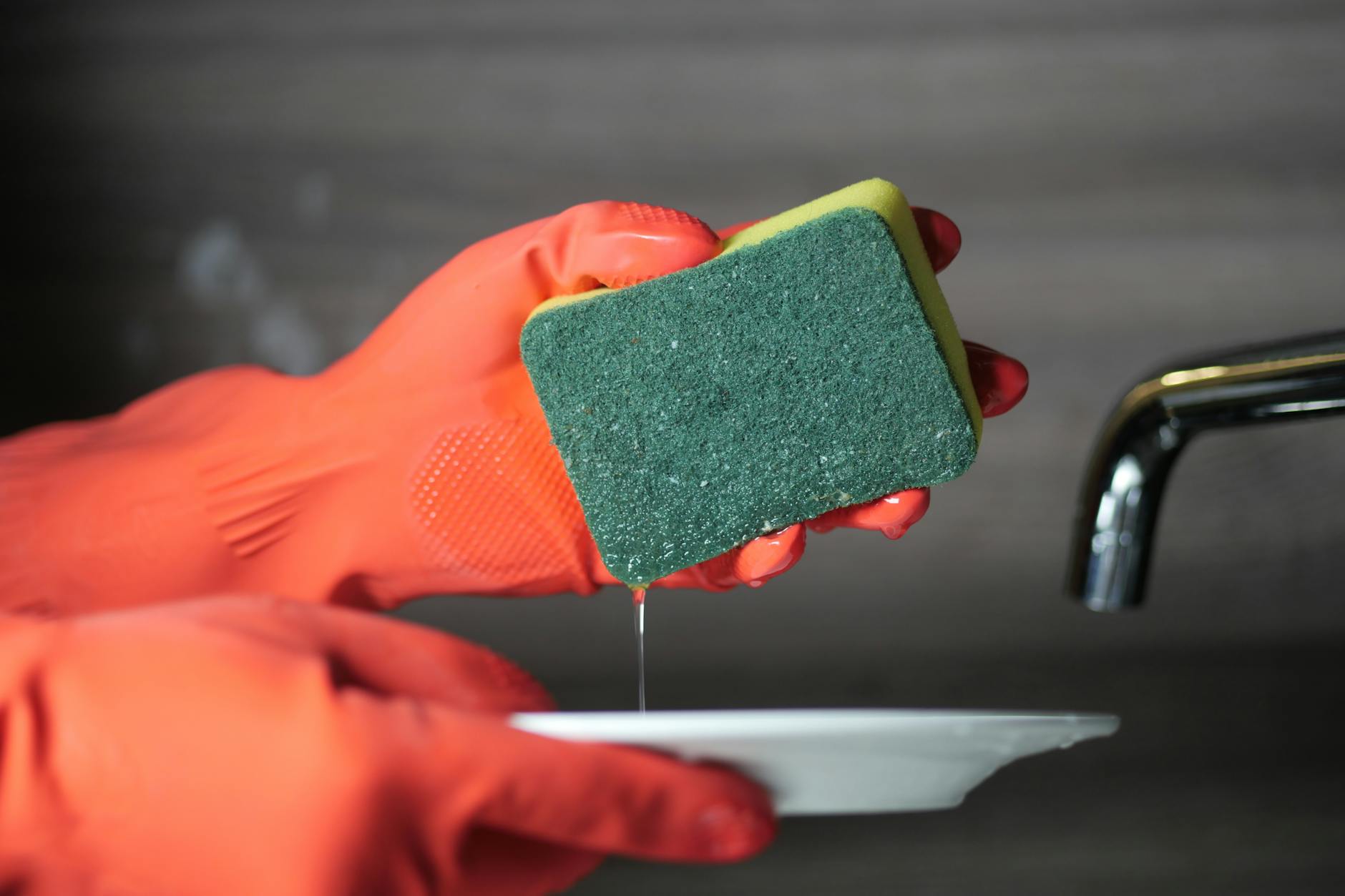
While modern dishwashers have increasingly effective rinse cycles, they’re not perfect at removing all chemical traces. The rinse cycle is designed primarily to remove loose food particles and bulk detergent suds, not necessarily every molecule of chemical residue. Hot water helps break down and disperse detergent, but items placed at different angles or in different rack positions may not receive equal rinsing.
A critical limitation is that the rinse cycle cannot reach inside crevices, around handles, or under rim edges where tiny amounts of detergent can accumulate. If you place a dish with grooves or decorative patterns in the dishwasher, the detergent may be more difficult to rinse away completely. Additionally, the longer dishes sit in the machine after the cycle ends, the more time detergent residue has to dry and harden, potentially making it more difficult for saliva to immediately rinse it away when a cat licks the surface.
Hot Water Burns and Temperature Concerns
Another significant hazard is the temperature of dishes immediately after a dishwasher cycle. Plates and bowls can remain very hot for several minutes, potentially causing burns to your cat’s mouth, tongue, or throat. Cats have sensitive oral tissues, and thermal injuries can be just as serious as chemical poisoning, leading to pain, difficulty eating, and secondary infections.
Beyond the immediate burn risk, cats may also lick a dish that has been sitting out and appears cool to you, but still has residual warmth in its center or underneath. Many cats seek out dishes shortly after a dishwasher cycle ends because the warmth is actually attractive to them. A cat that jumps onto the counter and begins licking warm dishes may suffer both thermal damage and chemical exposure simultaneously, compounding the injury.

Safe Alternatives for Keeping Cats Away from Dishwasher Contents
The most effective approach is prevention: don’t give your cat the opportunity to lick dishes fresh from the dishwasher. Store loaded or recently unloaded dishes in a closed cabinet or cupboard rather than leaving them on the counter. If you have a kitchen layout where cats have easy counter access, consider using baby gates or cat barriers to restrict their movement during and shortly after dishwasher cycles.
An alternative approach is to hand-wash dishes you’re concerned about, using plain water and a minimal amount of mild dish soap that you can rinse thoroughly. While this takes more time, it eliminates the concentrated detergent risk entirely. Some cat owners also choose to load their dishwasher only with items their cat cannot easily access, such as pots, pans, and glassware, while handwashing dishes and bowls that are more appealing to cats.
Recognizing Poisoning Symptoms in Your Cat
If your cat has licked a dish with detergent residue, watch closely for signs of poisoning over the next few hours. Common symptoms include vomiting, diarrhea, excessive drooling, loss of appetite, lethargy, and abdominal pain. Some cats may also exhibit mouth irritation, pawing at their mouth, or visible inflammation of the gums and tongue.
In most cases, mild exposures resolve on their own within a few hours to a day. However, if your cat shows persistent vomiting, cannot keep water down, exhibits severe abdominal pain, or demonstrates behavioral changes like hiding or apparent confusion, contact your veterinarian or poison control immediately. The ASPCA Animal Poison Control Center and Pet Poison Helpline both have hotlines available 24/7, and it’s better to err on the side of caution. Some detergent formulations contain enzymes or bleach-based ingredients that warrant immediate veterinary attention.
Teaching Cats Appropriate Boundaries Around the Kitchen
Establishing clear boundaries helps reduce your cat’s exposure to multiple kitchen hazards, not just dishwasher-related risks. Training a cat to stay off counters requires consistency—remove temptations like food crumbs and the smell of dishes, and use deterrents like double-sided tape or motion-activated air sprays on counter edges where your cat typically jumps.
Many cats respond well to having designated safe spaces where they’re allowed to be, such as a cat-height shelf or corner shelf designed specifically for feline enrichment. By providing an attractive alternative to countertop exploration, you reduce the likelihood that your cat will investigate fresh dishes or other kitchen hazards. Some cat owners find that feeding their cats at the same time the dishwasher runs helps redirect attention away from the kitchen activity.
Building Long-Term Kitchen Safety Habits
Protecting your cat from dishwasher hazards is part of a broader kitchen safety strategy. Other common household items that pose risks to cats include coffee grounds, chocolate residue, xylitol-containing foods, and certain plant-based foods. By developing habits of putting dishes away promptly, keeping counters clear, and storing cleaning supplies securely, you create an environment where your cat can coexist safely in your home.
As cats age, their curiosity sometimes increases and their caution can decrease, making the protective measures you put in place even more important. Forward-thinking cat owners recognize that prevention is far simpler and safer than managing a poisoning incident after the fact. Taking a few extra seconds to secure dishes and restrict access is a small investment in your cat’s long-term health and well-being.
Conclusion
Cats should not be allowed to lick dishes fresh from the dishwasher due to the combined risks of detergent residue, high temperatures, and the unpredictable nature of chemical exposure in feline bodies. While most cats who accidentally lick a dishwasher-cleaned dish experience only minor symptoms or none at all, the potential for serious harm makes prevention the only reasonable approach.
The practical steps are straightforward: store dishes promptly after unloading the dishwasher, restrict your cat’s access to the kitchen during and immediately after dishwasher cycles, and establish clear boundaries around food preparation areas. By staying vigilant and consistent, you can keep your cat safe while still maintaining the convenience and efficiency of modern kitchen appliances.
Frequently Asked Questions
What should I do if my cat licked a dish from the dishwasher?
Monitor your cat closely for the next 24 hours for signs of vomiting, diarrhea, or lethargy. Most exposures are minor and resolve without treatment, but contact your veterinarian if symptoms develop or persist. Call Pet Poison Helpline or the ASPCA Animal Poison Control Center if you’re concerned about the severity.
Is it safer if I use eco-friendly or plant-based dishwasher detergent?
Plant-based detergents tend to be less toxic, but they can still cause gastrointestinal upset in cats. The safest approach is still to prevent access rather than rely on a particular detergent type being “safe” if ingested.
How long after the dishwasher finishes is it still dangerous?
Dishes can remain hot for several minutes and may still have detergent residue until fully cooled and aired out. A conservative timeline is at least 30 minutes to an hour, but storing dishes promptly eliminates this concern entirely.
Can I wash my cat’s food bowl in the dishwasher?
Yes, you can wash your cat’s bowl in the dishwasher using the normal cycle, then dry it thoroughly before placing it back out for feeding. The concern is only with dishes immediately after the cycle ends, before they have cooled and dried completely.
Are some dishwasher detergent brands safer for cats than others?
Some brands may be formulated to rinse more easily, but none are “safe” for cats to ingest. The only truly safe option is preventing access, rather than selecting a specific brand.
What’s the difference between the risk from pods versus powder detergents?
Pods are more concentrated and more likely to cause severe symptoms if ingested. Powder detergents are more dilute, but still pose a risk if residue remains on dishes.