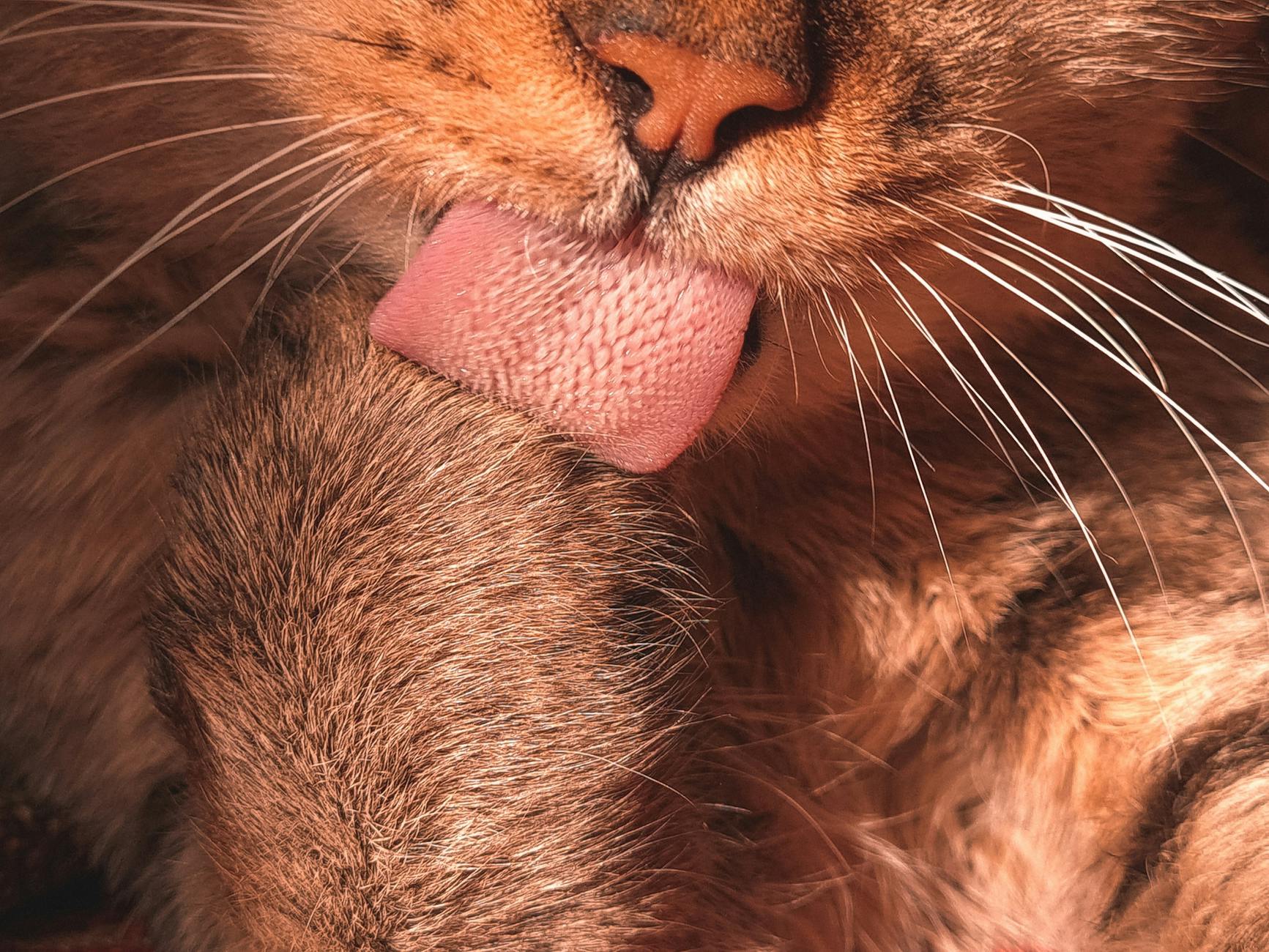
Cats licking their own wounds is generally safe and actually beneficial in most cases. A cat’s saliva contains several compounds with natural antimicrobial and healing properties, including lysozyme and peroxidase, which can help prevent bacterial infection and promote tissue repair. When a cat licks a minor cut or scrape on its paw or body, the behavior itself mimics what veterinarians and pet owners might achieve through careful wound cleaning. Many cats instinctively know to groom injured areas as a form of self-care, much the same way they maintain their coat throughout the day.
However, the line between helpful and harmful can be thin. While occasional licking of minor wounds is fine, excessive licking—when a cat obsessively licks the same spot over and over—becomes a serious problem. A cat that won’t stop licking might reopen the wound, introduce bacteria from its mouth, or create a larger injury that becomes infected. The key distinction lies in the severity of the original wound, the cat’s behavior pattern, and how well the cat’s immune system is functioning. A small puncture from grooming is one thing; a deep laceration or surgical incision is quite another.
Table of Contents
- When Is Cat Saliva Actually Beneficial for Wound Healing?
- The Risks of Excessive Licking and Self-Trauma
- Distinguishing Normal Grooming from Compulsive Licking Behavior
- When to Allow Natural Licking Versus When to Prevent It
- Recognizing Signs of Infection and Complications
- Managing Wound Care at Home When Licking Can’t Be Prevented
- Long-Term Healing and When Professional Help Is Necessary
- Conclusion
When Is Cat Saliva Actually Beneficial for Wound Healing?
Cat saliva does contain natural enzymes that provide genuine antimicrobial benefits. The lysozyme in saliva breaks down bacterial cell walls, while lactoferrin helps regulate iron availability, making the wound environment less hospitable to pathogens. This is why wild cats and feral cats survive with wounds that would seem dire by domestic standards—their instinctive licking behavior helps prevent life-threatening infections in environments without veterinary care. A cat with a small bite wound from another cat, for example, will naturally lick it to keep it clean and to promote initial healing.
The moisture from licking also helps soften scabs and dead tissue, which can actually aid the natural healing process in the early stages. However, this benefit diminishes quickly after the first 24-48 hours. After that point, continued licking tends to do more harm than good, especially once a protective scab has formed. Cats don’t have the cognitive ability to know when to stop, so relying solely on their instinctive behavior for anything more than a minor injury is risky.
The Risks of Excessive Licking and Self-Trauma
One of the most common complications from excessive licking is something veterinarians call a “lick granuloma” or acral lick dermatitis. This develops when a cat licks an area so intensely and repeatedly that it damages the skin barrier, creating inflammation and open sores that become infected. What started as a minor wound can balloon into a serious problem requiring antibiotics, pain management, and sometimes surgical intervention. Many cat owners are surprised when they discover that their cat’s constant grooming of one spot has created a major wound requiring veterinary treatment.
Another significant risk is secondary bacterial infection. While cat saliva has some antimicrobial properties, it also contains numerous bacteria from the cat’s mouth and oral cavity. Once a cat has broken the skin through excessive licking, these bacteria can colonize the wound. Cats that are immunocompromised—whether from age, illness, or medical conditions—face even higher infection risk. Additionally, a cat licking a surgical incision or a wound that was sutured by a veterinarian can easily reopen the incision, undoing the veterinarian’s work and requiring re-suturing or more aggressive treatment.
Distinguishing Normal Grooming from Compulsive Licking Behavior
Normal wound licking appears gentle and purposeful, typically lasting just a few minutes before the cat moves on to other activities. The cat will lick the area, then engage in normal behaviors like eating, playing, or sleeping. Compulsive licking, by contrast, is frantic, repetitive, and all-consuming. A cat with compulsive licking will return to the same spot obsessively throughout the day, often causing visible damage to the skin, fur loss in the area, and redness or scabbing from the constant trauma.
Compulsive licking can be driven by several factors beyond the original wound itself. Stress, anxiety, allergies, and pain can all trigger excessive licking behavior. A cat that experienced a painful wound might continue licking even after the wound has healed, essentially creating a behavioral loop. Some cats develop what amounts to an addiction to the sensory feedback of licking, even when the original injury is long gone. Identifying whether your cat is engaged in normal grooming or compulsive behavior is crucial for knowing when to intervene.
When to Allow Natural Licking Versus When to Prevent It
For very minor wounds—small cuts, scratches, or abrasions that are barely bleeding—you can safely allow your cat to lick the area for a short period. The cat’s natural instinct will help clean the wound, and the antimicrobial properties in the saliva offer genuine benefit. After 10-15 minutes, however, it’s wise to intervene and prevent further licking, even if the wound seems fine. You can do this by gently redirecting your cat’s attention, providing a distraction like a toy or treat, or by using a soft fabric cone (the modern alternative to the traditional Elizabethan collar) if the cat won’t stop.
For anything beyond a very minor wound—punctures, deep cuts, bites, burns, or any wound that’s bleeding significantly—you should prevent licking immediately and contact your veterinarian. Surgical incisions absolutely must be protected from licking, as cats are remarkably adept at reopening stitches. The tradeoff is between allowing your cat’s natural instincts to help with minor surface wounds versus protecting more serious injuries from further damage. When in doubt, it’s far better to err on the side of protection. A veterinarian can advise you based on the specific wound, your cat’s health status, and your cat’s behavioral tendencies.
Recognizing Signs of Infection and Complications
Even if you’ve allowed some licking or been unable to prevent it immediately, watch carefully for signs that infection has developed. Increasing redness, swelling, warmth, discharge (especially pus or a foul smell), or the wound becoming larger rather than smaller all indicate infection that requires immediate veterinary attention. Some cats will also become lethargic, lose appetite, or run a fever if an infection is setting in. These systemic signs mean the infection has progressed beyond the local wound and is affecting the cat’s overall health.
Another complication to watch for is an abscess, which can form when a puncture wound (common from cat bites or thorn pricks) becomes infected but the surface appears to heal over. The infection festers beneath the skin, creating a pocket of pus. You might notice your cat limping, holding a paw up, or showing tenderness when you touch the area. An abscess requires veterinary drainage and treatment. Many cat owners don’t realize that a wound their cat licked clean actually trapped bacteria inside, leading to this serious complication weeks after the original injury.

Managing Wound Care at Home When Licking Can’t Be Prevented
If your cat has a minor wound and you want to support the healing process while minimizing risks from excessive licking, clean the area gently with warm water and a soft cloth once or twice daily. Pat it dry and then apply a thin layer of an antibiotic ointment safe for cats (ask your veterinarian which products are appropriate—some human preparations are toxic to felines). This creates a protective barrier and reduces the appealing taste that might make your cat want to lick it more. Reapply the ointment after you’ve cleaned the wound, as your cat’s licking will remove it.
A soft fabric cone or recovery suit designed for cats offers the most reliable protection while still allowing your cat relative freedom of movement and comfort. These modern alternatives to traditional plastic cones are less stressful for many cats and don’t interfere as much with eating or navigation. You can also try covering the wound with a breathable adhesive bandage designed for pets, though some cats will simply remove or chew through it. The key is consistent monitoring rather than a single solution, since cats are resourceful escape artists.
Long-Term Healing and When Professional Help Is Necessary
Most minor wounds in cats heal completely within 7-10 days with minimal intervention beyond basic cleanliness and preventing excessive licking. However, any wound that isn’t noticeably improving within this timeframe, or that appears to be getting worse, warrants a veterinary visit. Cats have relatively efficient healing mechanisms compared to humans, so slower-than-expected healing can indicate an underlying issue like infection, poor immune function, or a wound that’s more serious than initially apparent.
If your cat has a history of compulsive licking or develops it after an injury, your veterinarian may recommend behavioral interventions, anxiety management, or even investigation into whether allergies or skin conditions are driving the behavior. Sometimes the obsessive licking is a symptom of something more serious that needs attention. Professional assessment helps distinguish between normal grooming behavior and a medical or behavioral problem that requires treatment.
Conclusion
Is it safe for cats to lick wounds? The answer depends entirely on the wound severity, the cat’s behavior, and how long the licking continues. Minor wounds benefit from a cat’s natural antimicrobial saliva, but anything more serious requires protection and professional oversight. The real challenge for cat owners is recognizing the difference between helpful self-care and harmful obsession—and being willing to intervene when licking becomes excessive.
The safest approach combines allowing natural behavior for truly minor injuries while closely monitoring for progression, providing barriers to prevent compulsive licking, and seeking veterinary care promptly if infection develops or if the wound isn’t improving. Your cat’s instinct to groom injuries is ancient and often beneficial, but you as the owner are the best judge of whether that instinct is truly helping or causing harm. When in doubt about any wound, consulting your veterinarian ensures your cat receives appropriate care and avoids complications that could turn a small injury into a serious problem.