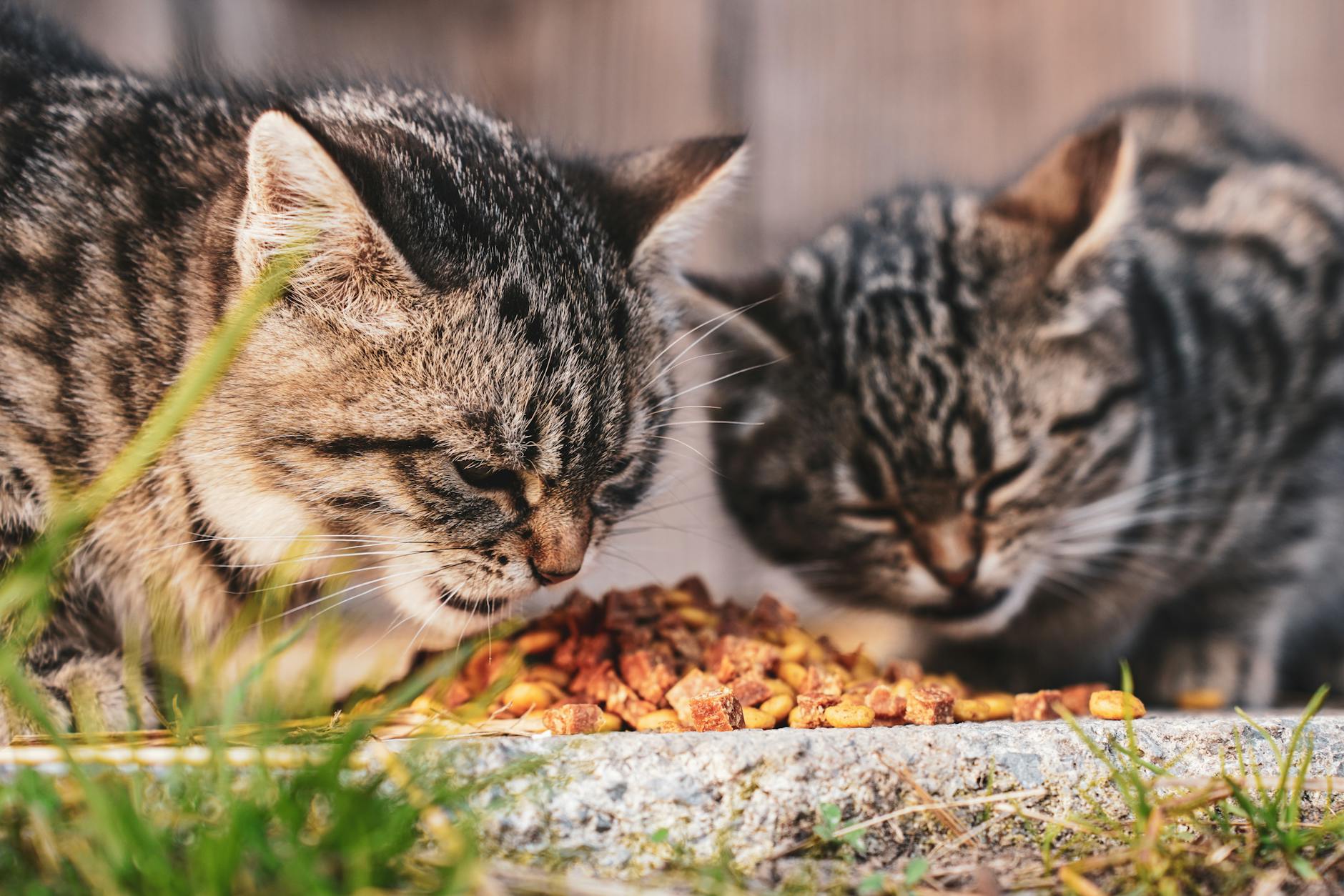
No, it is not safe for cats to share food bowls with dogs. While many households with multiple pets find it convenient to feed their animals in the same area, the reality is that cats and dogs have fundamentally different nutritional requirements that make shared feeding problematic for both species. A cat that regularly consumes dog food may develop serious health complications over time, just as a dog that frequently eats from a cat’s bowl faces its own set of digestive and metabolic risks. If you currently feed your cat and dog from the same bowl or even in side-by-side bowls, separating their meals should be a priority conversation with your veterinarian.
Consider a typical household scenario: a dog and cat eat from shared bowls in the kitchen. The dog, with its lower nutritional requirements and larger appetite, may consume most of the food. The cat, unable to compete effectively, becomes stressed and undernourished. Meanwhile, any cat food the dog consumes contains far more fat and protein than its digestive system is designed to process regularly, increasing the risk of pancreatitis. This single feeding arrangement puts both animals at nutritional and behavioral risk.
Table of Contents
- Why Cats and Dogs Cannot Share Food Bowls Safely
- The Hidden Health Risks of Cross-Species Feeding
- Behavioral Stress and Dominance Feeding Issues
- Creating Separate Feeding Stations in Your Home
- Water Bowls and Secondary Sharing Risks
- Special Considerations for Kittens and Senior Pets
- The Veterinary Consensus on Multi-Pet Feeding
- Conclusion
- Frequently Asked Questions
Why Cats and Dogs Cannot Share Food Bowls Safely
The fundamental issue stems from the dramatically different diets cats and dogs require. Cats are obligate carnivores with metabolic needs that differ sharply from dogs, who are facultative omnivores. Most importantly, cats require the amino acid taurine, which is not essential for dogs and is often present in insufficient quantities in standard dog food. Dogs also produce their own arginine, an amino acid cats must obtain from food.
When a cat eats dog food exclusively or regularly, it misses these critical nutrients entirely. Beyond taurine, cats require significantly higher protein levels than dogs—approximately 25-30 percent of their diet compared to the 12-18 percent typically found in dog food. This difference reflects their evolutionary history as hunters who relied entirely on meat for survival. A cat consuming dog food regularly will gradually develop taurine deficiency, which can lead to dilated cardiomyopathy, a serious heart disease that may not be apparent until significant damage has occurred. Your cat might appear healthy for months before suddenly showing signs of heart failure.
The Hidden Health Risks of Cross-Species Feeding
The consequences of nutritional imbalance extend beyond simple malnutrition. Taurine deficiency in cats progresses silently, with irreversible heart damage accumulating before symptoms become obvious. By the time an owner notices their cat is lethargic or struggling to breathe—classic signs of cardiomyopathy—permanent harm has often already occurred. This is why veterinary guidance emphasizes prevention rather than treatment: it is far easier to maintain separate feeding stations than to manage heart disease in a cat.
For dogs eating cat food, the risk profile differs but remains serious. Cat food is substantially higher in both fat and protein than dog food, which can overwhelm a dog’s digestive system. Regular consumption of cat food may trigger pancreatitis, a painful inflammation of the pancreas that can become life-threatening. Unlike the slow progression of taurine deficiency in cats, a dog may experience acute symptoms—vomiting, abdominal pain, loss of appetite—after consuming too much cat food. Some dogs are more predisposed to pancreatitis than others, particularly overweight dogs and certain breeds like Schnauzers and Dachshunds, making cross-species feeding an unnecessary risk.
Behavioral Stress and Dominance Feeding Issues
Beyond the nutritional complications, shared food bowls introduce behavioral problems that compound the health risks. In a multi-pet household, one animal typically establishes dominance over food resources. If your dog is larger or more assertive, it may prevent your cat from eating sufficient quantities. If your cat is the aggressor—and some cats can be surprisingly dominant around food—the dog may become stressed and anxious during feeding time.
Either scenario creates psychological stress that affects both pets’ well-being. A stressed cat may stop eating altogether out of anxiety, leading to rapid weight loss and weakened immunity. A stressed dog may develop behavioral problems, consuming food too quickly without proper digestion or becoming possessive and aggressive during meals. These behavioral issues extend beyond mealtime; pets experiencing resource stress often show increased anxiety throughout the day. Separate feeding areas, by contrast, eliminate the competition entirely and allow each animal to eat at its own pace in peace.
Creating Separate Feeding Stations in Your Home
The solution is straightforward: feed your cat and dog separately, ideally in different rooms or at different times. Your cat’s feeding area should be elevated or behind a baby gate that prevents the dog from accessing it but allows the cat to jump or squeeze through. This not only protects your cat’s food but also respects cats’ natural preference for elevated feeding spots away from the main activity areas of the home. Many cat owners use their laundry room, a spare bedroom, or even a corner behind a tall gate as a dedicated feline dining area.
For dogs, you might use a crate during feeding time or designate a specific room where the cat cannot follow. This approach offers the additional benefit of portion control—you can monitor exactly how much each pet eats and adjust portions based on weight, age, and health status. Feeding at consistent times each day also helps regulate digestion and makes it easier to notice when a pet has lost interest in food, which could signal a health problem. The slight inconvenience of maintaining separate feeding stations is vastly outweighed by the peace of mind knowing each animal receives exactly what it needs nutritionally.
Water Bowls and Secondary Sharing Risks
While food is the primary concern, water bowls deserve attention as well. Cats and dogs can technically share water, but separate water bowls remain advisable for several reasons. Some cats prefer running water from a fountain rather than a still bowl, and they may refuse to drink from a dog’s bowl if it smells like kibble or has been contaminated with food debris. Dehydration in cats is a serious concern, particularly in senior cats or those prone to kidney disease. A cat refusing to drink from a shared bowl may drink less overall, increasing the risk of urinary problems.
Additionally, sharing water bowls increases the transmission of bacteria and parasites between species. While many organisms are species-specific, some pathogens can affect both cats and dogs. If one pet develops a digestive illness, a shared water bowl becomes a vector for transmission to the other. From a hygiene standpoint, maintaining separate water stations is a simple measure that reduces infection risk and ensures each pet drinks clean water. In a practical sense, most multi-pet households find it easier to simply place the water bowls in the same location as each animal’s food.
Special Considerations for Kittens and Senior Pets
Young kittens and senior cats face heightened vulnerability to nutritional imbalances. A kitten eating dog food during the critical developmental months may develop skeletal problems, poor coat quality, or eye problems—some of which may not be fully reversible even after switching to proper cat food. Senior cats, conversely, often have reduced appetites and may need their food positioned carefully to encourage eating.
A senior cat competing with a dog for food access may eat too little and decline further in health. Senior dogs eating cat food occasionally is generally less dangerous than kittens eating dog food regularly, but older dogs with pre-existing pancreatitis or digestive sensitivities should be strictly prevented from accessing cat food. If you have a multi-pet household with age-mismatched animals, the stakes of maintaining separate feeding stations increase further. Your kitten or senior cat needs all the nutritional security you can provide, and a shared bowl introduces unnecessary risk during vulnerable life stages.
The Veterinary Consensus on Multi-Pet Feeding
Veterinary organizations, including VCA Animal Hospitals and major pet nutrition companies like Hill’s Pet Nutrition, consistently recommend separate feeding areas as best practice for multi-pet households. This consensus is not based on theoretical concerns but on decades of clinical observation and nutritional science. When cats are fed inappropriately, they develop preventable diseases. When dogs are fed cat food regularly, they suffer preventable digestive complications.
The solution—separate feeding—costs nothing except a few minutes of organizational effort. Moving forward, expect to see increased emphasis on individualized pet nutrition as both cats and dogs live longer and owners seek to optimize their pets’ health. Some forward-thinking pet owners already use microchip-activated feeders that open only for the correct animal, ensuring absolute separation of meals. As technology becomes more accessible, this may become a standard solution for multi-pet households. For now, the basic approach of feeding in different locations remains the gold standard endorsed by veterinary medicine.
Conclusion
The question of whether cats and dogs can share food bowls has a clear answer from veterinary science: they should not. The nutritional incompatibility between cat and dog food creates genuine health risks for both species, ranging from taurine deficiency and heart disease in cats to pancreatitis in dogs. Adding behavioral stress from resource competition creates additional suffering that extends beyond mealtime. The good news is that the solution is simple and inexpensive: maintain separate feeding areas, serve appropriate species-specific food, and monitor each pet’s eating habits to ensure they are thriving.
If you currently feed your cats and dogs together, consult your veterinarian about transitioning to separate feeding stations. Have your cat tested for taurine levels if it has been eating dog food for an extended period. Watch for behavioral changes as you introduce dietary changes, and be patient as your pets adjust to new feeding routines. The effort you invest in proper nutrition now will pay dividends in years of better health, reduced veterinary bills, and a more peaceful household where each pet can eat without stress.
Frequently Asked Questions
Can cats and dogs drink from the same water bowl?
While water itself is not species-specific, separate water bowls are still recommended to reduce bacterial transmission, ensure each pet drinks adequate amounts, and respect individual water preferences. Some cats prefer running water and may drink less from a still bowl shared with a dog.
What if my dog occasionally steals my cat’s food?
Occasional consumption is less dangerous than regular sharing but should still be prevented. Use baby gates, elevated feeders, or separate rooms to block access. If this happens frequently, consult your vet about signs of pancreatitis in your dog, which include vomiting, abdominal pain, and loss of appetite.
How long can a cat survive on dog food before becoming ill?
Taurine deficiency develops gradually, sometimes taking weeks to months for clinical signs to appear. Irreversible heart damage may be occurring even if your cat looks healthy. This is why prevention through proper nutrition is critical—treat it as a matter of when to prevent illness, not when to detect it.
Is there a “universal” pet food both cats and dogs can eat safely?
No. While some formulas are marketed for both species, they represent a compromise that fully satisfies neither. Cats require more protein and taurine than such foods typically contain, while dogs may not need all the nutrients present in these formulas. Species-specific food is always the better choice.
What are the first signs that my cat has been eating dog food too long?
Early signs include lethargy, reduced interest in playing, and a dull or thin coat. More serious signs of heart disease include difficulty breathing, reluctance to exercise, and abdominal distension. Schedule a veterinary checkup and mention the dietary situation so your vet can recommend testing.
Can I feed my cat and dog in the same room but in separate bowls?
This is better than a shared bowl but still presents risks if one pet can access the other’s food. The ideal approach is separate rooms or a physical barrier (baby gate, closed door, or elevated feeder) that prevents cross-feeding while making it easy to manage both animals’ nutrition.