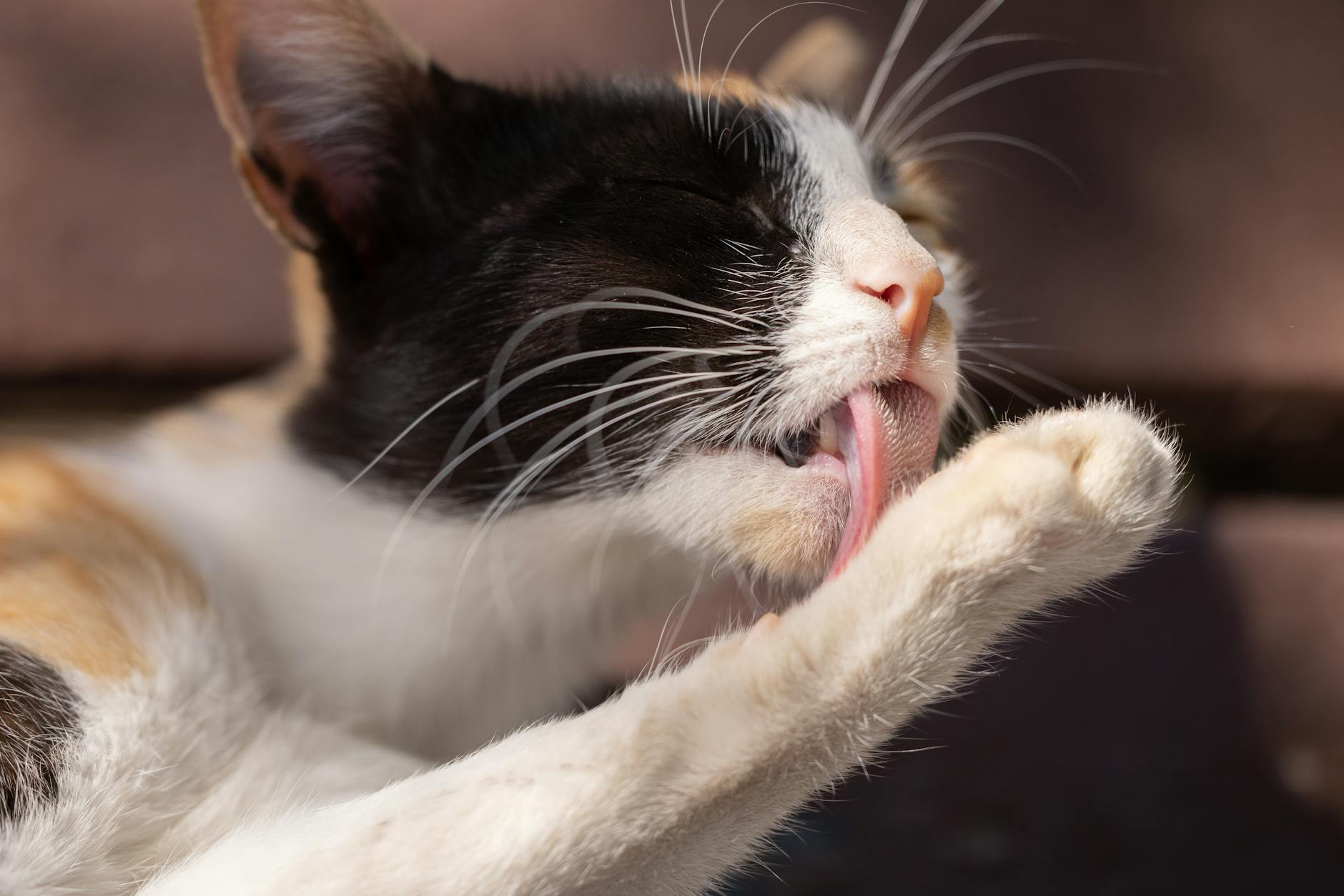
In most cases, it’s safe for cats to lick human skin, though the behavior does come with some minor considerations. Cats naturally use licking as a form of communication, affection, and grooming, and when they lick their owners, it typically reflects a bond of trust and comfort. However, the safety depends on several factors including your cat’s health status, whether you have any cuts or wounds on your skin, and how frequently the behavior occurs. When your cat licks your hands or arms, she’s engaging in what cat behaviorists call “allogrooming”—the same social grooming behavior she’d use with other cats or kittens.
A healthy cat’s saliva contains enzymes that actually have some mild antibacterial properties, and the occasional lick poses negligible health risk to most people. For example, a cat licking your hand after you’ve been petting her is a common, harmless sign of affection that strengthens your relationship. That said, there are specific situations where cat saliva contact should be limited or avoided. If you have open wounds, compromised immune function, or if your cat hasn’t been to the veterinarian recently for a health check, you may want to gently discourage the behavior until those conditions are addressed.
Table of Contents
- Can Cat Saliva Transmit Bacteria or Parasites to Humans?
- The Difference Between Licking Behavior and Biting: Understanding the Risk
- When Cats Lick Humans: What Does the Behavior Actually Mean?
- Managing and Encouraging Healthy Licking Behavior
- Scenarios Where You Should Discourage Cat Licking
- What’s in Your Cat’s Saliva and How It Affects Safety
- Looking Forward: Building Healthy Human-Cat Relationships
- Conclusion
- Frequently Asked Questions
Can Cat Saliva Transmit Bacteria or Parasites to Humans?
Cat saliva does contain bacteria, but most of these organisms are not pathogenic to humans. The primary concern with cat bites is that the bacteria in their mouths—particularly Pasteurella multocida and other gram-negative organisms—can cause serious infections if the skin is broken. However, gentle licking on intact skin presents a very different risk profile than a bite wound. A 2019 review found that cat-borne illnesses transmitted through saliva contact with unbroken skin are extremely rare, making the everyday concern largely theoretical. The most notable exception is toxoplasmosis, though this is typically acquired through contact with feces rather than saliva.
cats infected with toxoplasmosis don’t shed the parasite through their saliva, so a cat licking your skin won’t transmit it. However, pregnant women or immunocompromised individuals should practice basic hygiene after any cat contact—washing hands before eating or touching the face—as a general precaution. Another consideration is whether your cat has been recently dewormed and is up to date on vaccinations. A well-maintained cat receiving regular veterinary care poses virtually no infectious disease risk through skin licking. In contrast, a stray cat or a cat not receiving preventative care could potentially carry parasites like hookworms or roundworms that might cause problems if the cat’s saliva contacts your mouth or an open wound.
The Difference Between Licking Behavior and Biting: Understanding the Risk
It’s crucial to distinguish between a cat’s intentional licking and a cat bite, as the risks are fundamentally different. When a cat licks you gently, the skin remains intact and protected by its natural barrier. The saliva spreads across the surface but doesn’t penetrate. In contrast, a cat bite creates puncture wounds or tears that breach this barrier, allowing bacteria to be injected deep into tissues where they can cause infection. The limitation here is that cat licking can sometimes transition into biting, especially during play sessions or if a cat becomes overstimulated.
If you notice your cat’s licking becoming more intense, her ears flattening, or her tail twitching more vigorously, these are warning signs that she may bite next. Stopping the interaction before it escalates is important not just for preventing bites, but for maintaining good behavioral boundaries with your pet. People with atopic dermatitis, eczema, or other conditions causing breaks in the skin barrier should be more cautious about cat licking in affected areas. Even though the cat’s saliva itself isn’t dangerous, introducing any bacteria to compromised skin can lead to secondary infections. Similarly, people on immunosuppressive medications or with autoimmune conditions should ask their veterinarian about whether cat licking poses any specific concerns for their situation.
When Cats Lick Humans: What Does the Behavior Actually Mean?
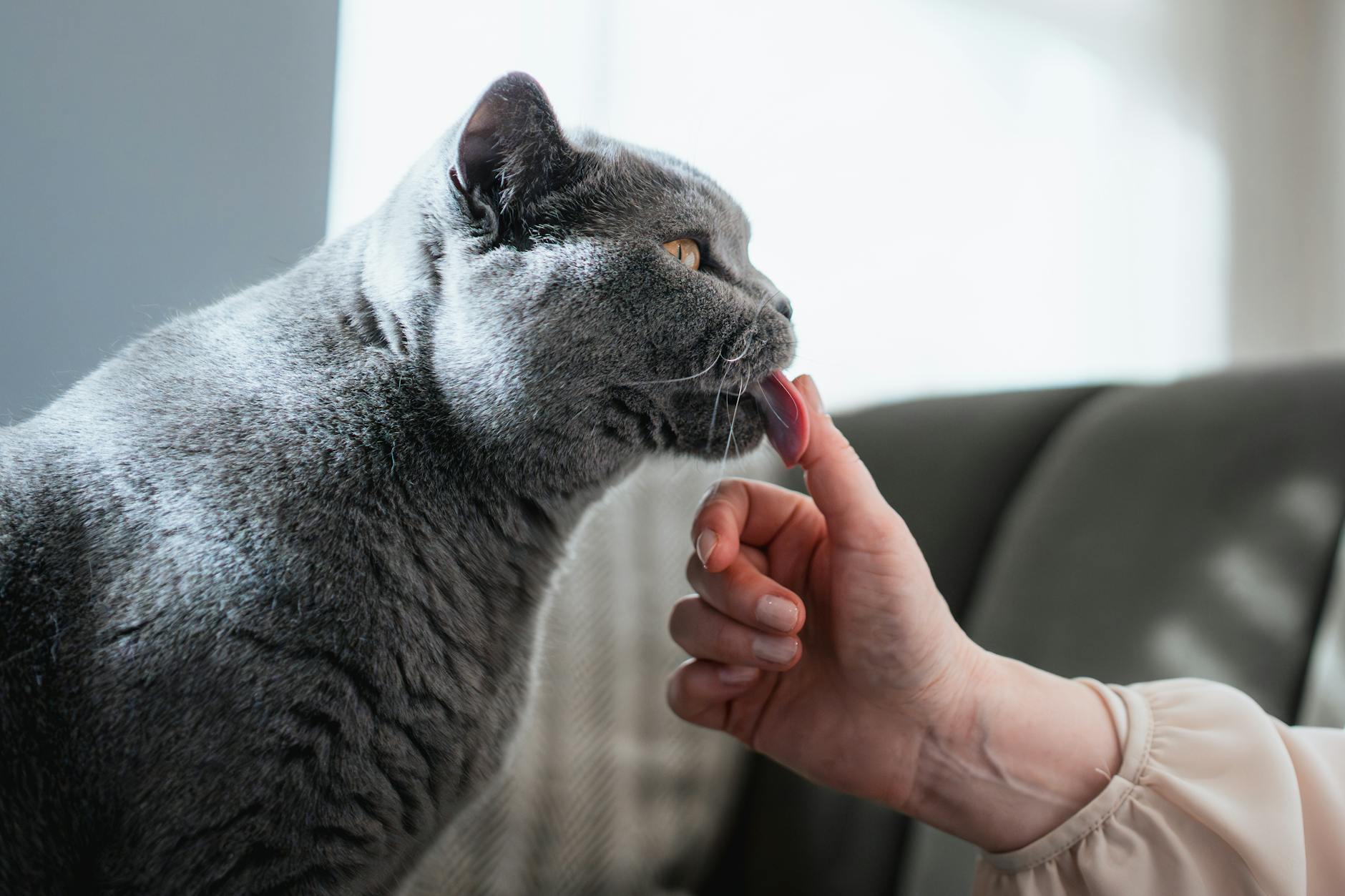
Cat licking serves multiple communicative purposes, and understanding what your cat is trying to communicate can help you respond appropriately. When a cat licks your hand or face, she’s often expressing affection and trust—behaviors she would normally reserve for family members in her own species. This is particularly true in cats that were handled frequently during kittenhood and developed positive associations with human touch. Some cats lick as a way to mark you with their scent glands, which are located on their face and lips. When your cat licks your skin, she’s essentially claiming you as part of her territory and social group, which is actually a compliment.
For example, a cat that greets you with face rubbing followed by gentle licking is expressing a strong social bond. However, excessive licking can sometimes indicate stress, anxiety, or medical issues like pain or itching—if your cat suddenly begins licking your skin excessively when she didn’t before, a veterinary checkup is warranted. Certain cats are simply more prone to licking than others, and this is often breed or personality-related. Siamese, Maine Coons, and other social, vocal breeds tend to be more demonstrative with licking and grooming behaviors. If you adopt a cat that licks frequently, this is normal for her personality, not a sign of desperation or illness.
Managing and Encouraging Healthy Licking Behavior
If you enjoy your cat’s affection but want to establish some boundaries, there are gentle ways to redirect the behavior. Most cats will happily accept alternative forms of interaction like gentle petting, head scratches, or play sessions. When your cat begins licking, you can slowly move your hand away or redirect her attention to a toy. The key is consistency—if you allow licking one day and discourage it the next, your cat will become confused about the boundaries. For people who prefer not to be licked due to personal preference or hygiene concerns, the comparison is worth noting: discouraging licking is far easier and less disruptive to your relationship than trying to stop other unwanted behaviors like scratching furniture or jumping on counters.
A simple, gentle redirect over time will train most cats to show affection in other ways. Keep in mind that completely eliminating all licking may be unrealistic or unwanted for cats that are highly social and grooming-oriented. Encouraging licking in specific contexts—such as allowing it on your hands but redirecting it away from your face—gives you a middle ground. Many cat owners find that allowing licking on their hands, arms, or shoulders while gently preventing face licking works well. This maintains the affectionate bond while reducing the (already minimal) risk of saliva contacting mucous membranes.
Scenarios Where You Should Discourage Cat Licking
There are definitive situations where you should actively prevent your cat from licking your skin. If you have any cuts, wounds, abrasions, or surgical incisions, ask your cat not to lick these areas until they’re fully healed. Even a minor scrape can become problematic if repeatedly exposed to bacteria from your cat’s mouth, and the moisture from saliva can also slow wound healing. If you’re undergoing chemotherapy, have HIV, take immunosuppressive medications for an organ transplant, or have another condition affecting immune function, discuss cat licking directly with your healthcare provider.
These situations warrant professional medical guidance rather than general recommendations, because the individual risk varies significantly based on the specific condition and its severity. Your doctor may advise you to simply avoid licking, or may indicate it’s perfectly safe depending on your circumstances. Pregnant women should practice good hygiene around all cat contact, including licking, though the risk is minimal. The theoretical concern is accidental ingestion of toxoplasmosis-related organisms, which is prevented entirely through basic handwashing. Infants and very young children have developing immune systems, so while cat licking isn’t dangerous per se, parents should gently discourage it until children are old enough to understand basic hygiene themselves.
What’s in Your Cat’s Saliva and How It Affects Safety
Cat saliva contains several components beyond bacteria: enzymes, proteins, and immune substances that serve important functions for the cat. The enzyme lysozyme in saliva has mild antibacterial properties, which is why cats instinctively lick their own wounds as a self-healing behavior. These same enzymes are present when your cat licks you, though they’re not powerful enough to cause any problems.
For someone in good health with intact skin, the presence of these bacteria and enzymes in cat saliva is inconsequential. Think of it this way: humans encounter millions of bacteria daily from countless sources, and our skin is designed to handle this exposure. Your cat’s saliva is not uniquely dangerous or toxic—it’s simply the normal flora present in any animal’s mouth. A cat licking your arm is considerably less risky than touching a public doorknob or shaking hands with someone carrying a cold.
Looking Forward: Building Healthy Human-Cat Relationships
As our understanding of human-animal interactions evolves, research continues to show that moderate, consensual physical affection between humans and cats—including licking—is associated with benefits for both species. The stress-reducing effects of petting and interacting with cats are well-documented, and cats themselves show signs of reduced cortisol and increased oxytocin (the bonding hormone) during positive interactions with their owners.
The future of cat care is increasingly about understanding feline communication and respecting individual cats’ preferences. Rather than viewing all licking as something to prevent or encourage uniformly, the best approach is to observe your individual cat’s behavior, establish boundaries that work for your household, and maintain basic hygiene practices. As long as your cat is healthy, your skin is intact, and you’re comfortable with the behavior, there’s no reason to prevent this natural expression of affection.
Conclusion
Cat licking is generally safe for most people when the cat is healthy and your skin is intact. The risk of serious infection from gentle licking on unbroken skin is extremely low, and this behavior typically reflects a healthy bond between you and your cat. Basic hygiene—washing your hands before eating and keeping wounds covered—is sufficient precaution for the vast majority of situations.
The most important factor in determining safety is your individual circumstances: your health status, immune function, and whether you have any breaks in your skin. Healthy people with healthy cats can enjoy this form of feline affection without concern. If you have specific health conditions, are pregnant, or have other risk factors, a quick conversation with your doctor or veterinarian will clarify whether cat licking is appropriate for your situation. Building a relationship with your cat based on mutual comfort and clear communication about boundaries will ensure that affection, in whatever form it takes, remains a source of joy rather than worry.
Frequently Asked Questions
Is it safe to let my cat lick my face?
Generally yes, but many people prefer to gently redirect face licking because saliva can contact mucous membranes (mouth, eyes). This is a personal preference rather than a health necessity for healthy cats and people.
Can I get sick from a cat licking me?
It’s highly unlikely. Serious infections from gentle licking on intact skin are extremely rare. The main risks apply only if you have significant immune compromises, open wounds, or if the cat is sick or unkempt.
What should I do if my cat’s licking becomes excessive?
Excessive licking can indicate stress, skin problems, or other medical issues. Consult your veterinarian to rule out health concerns, and consider whether environmental factors (anxiety, boredom) might be contributing.
Is my cat’s saliva healing, like I’ve heard?
Cat saliva does contain some antibacterial enzymes, which is why cats naturally lick their own wounds. However, human saliva has similar properties, and the effect is minor—don’t rely on cat licking as wound care, and keep cat saliva away from medical wounds.
Should I be worried about cat licking if I’m pregnant?
No, licking poses no special risk during pregnancy. The theoretical concern is toxoplasmosis, which is acquired through feces, not saliva. Simply wash your hands after cat contact and avoid litter box duties, and you’re fine.
Can a cat’s licking teach children bad hygiene habits?
This depends on your family values and teaching. If you’re concerned, you can teach children that licking is cat-to-human affection only, and that human-to-human interactions have different rules. It’s a teaching moment, not a health risk.