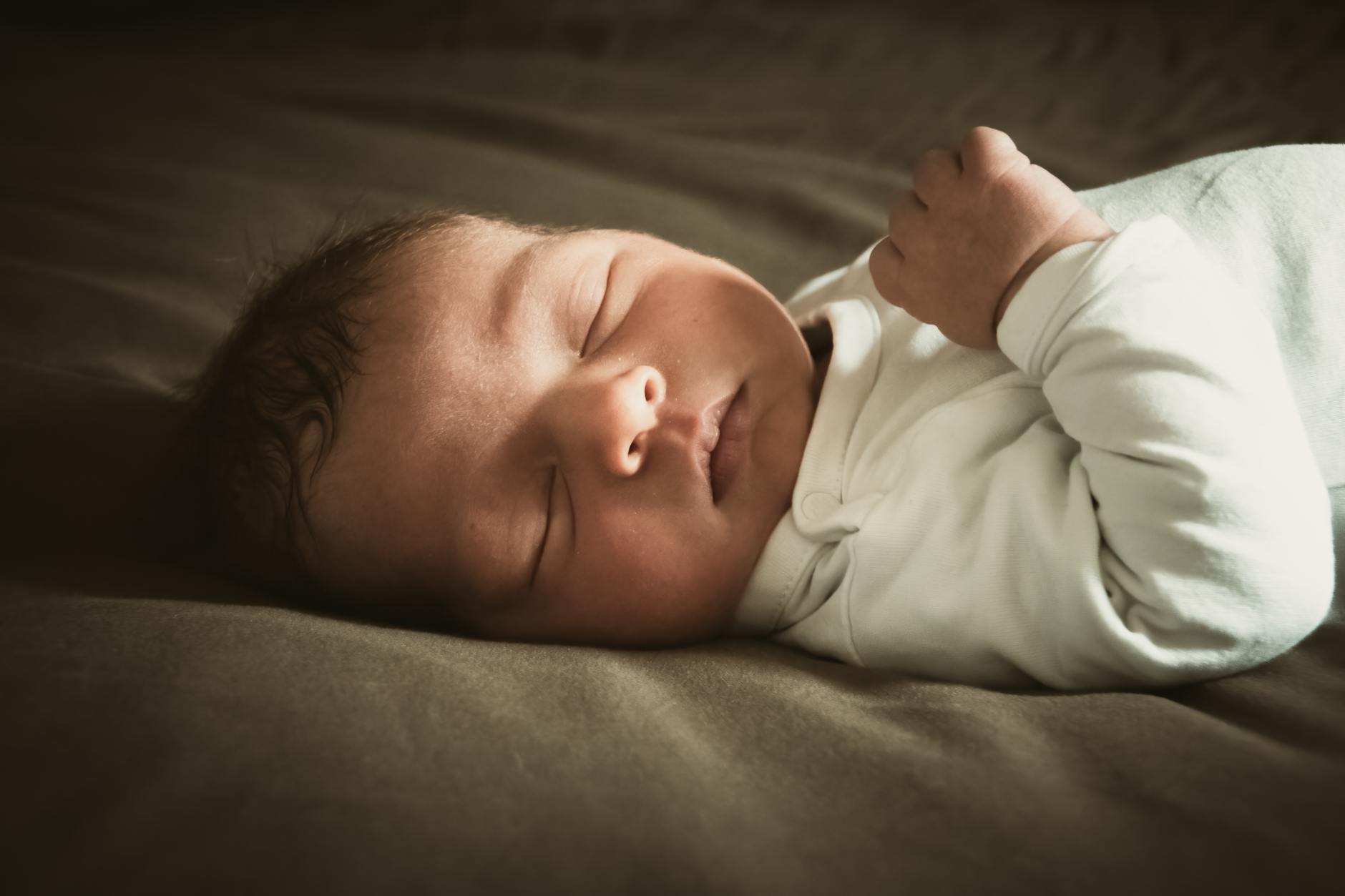
The simple answer is no—it is not safe for cats to sleep in bed with babies, and pediatricians and veterinarians strongly advise against it. While cats are not inherently aggressive animals, the risk of suffocation, the transmission of bacteria, and the unpredictability of a cat’s behavior around a sleeping infant create hazards that are difficult to manage, even with a vigilant parent in the room. The American Academy of Pediatrics recommends that babies sleep alone on a firm, flat surface without any soft objects, blankets, or animals for at least the first 12 months of life. Most cases of sudden infant death syndrome (SIDS) involve some combination of an unsafe sleep environment, and a cat in the crib significantly increases these risks.
A cat might shift positions during the night, accidentally cover the baby’s face, or respond unpredictably if startled during sleep. Even the gentlest, most docile cat cannot anticipate or prevent these dangers, and the consequences of a single incident are irreversible. Many pet owners wonder if they can safely co-sleep with both a cat and baby, thinking that supervision or careful positioning might mitigate the risks. However, the reality is that sleep is when supervision breaks down—you cannot watch what happens when you are asleep. For this reason, experts universally recommend keeping cats out of the baby’s sleep space entirely.
Table of Contents
- What Are The Actual Safety Risks When Cats Sleep Near Babies?
- How Do Cats Behave Around Sleeping Babies?
- Can Body Heat and Temperature Regulation Become Problems?
- What Are the Best Safe Sleep Arrangements When You Have a Cat?
- What Specific Accidents Can Happen If Cats and Babies Sleep Together?
- How Can You Prepare Your Cat for a Baby’s Arrival?
- Are There Any Situations Where Supervised Napping Might Be Safer?
- Conclusion
What Are The Actual Safety Risks When Cats Sleep Near Babies?
The most serious risk is suffocation. cats are naturally drawn to warm, soft places, and a sleeping baby wrapped in blankets can resemble the ideal nesting spot. A cat might curl up on the baby’s chest or face, or become tangled in bedding while the baby is still underneath. Unlike older children who can move and respond, infants under one year lack the strength and awareness to push a cat away or clear their airway if obstructed. Even a cat that means no harm can inadvertently restrict a baby’s breathing. Infection transmission is another significant concern.
Cats carry bacteria like Toxoplasma gondii, Pasteurella, and other pathogens in their saliva, fur, and feces. When a cat sleeps in close contact with a baby’s face or hands, direct transmission becomes possible. A baby’s immune system is still developing, and respiratory infections introduced this way can escalate quickly. For example, a family who allowed their cat to nap on their three-month-old’s pillow later dealt with a respiratory infection that required hospitalization—the source was traced to the cat’s proximity to the baby’s face. Cats may also accidentally scratch or bite a sleeping infant, especially if the cat is startled awake or feels threatened during sleep. Newborns and young babies are fragile, and even minor scratches to the face, eyes, or throat can cause serious complications.

How Do Cats Behave Around Sleeping Babies?
Cats are creatures of habit and prefer environments they can control. When a cat is accustomed to sleeping in certain places—like your bed or on furniture—the introduction of a baby can create territorial confusion. Some cats adapt well to babies; others become stressed, anxious, or territorial. The problem is that you cannot reliably predict which way your cat will respond until the behavior unfolds, and by then, the baby is already at risk. Many parents report that their previously calm cats became unpredictably aggressive after a baby arrived.
A cat that was docile with adults might hiss, swat, or jump at a baby’s sudden movements or crying sounds. During sleep, when the cat’s defenses are lower, it may react more dramatically to disturbances. A cat that normally tolerates touch might interpret a baby’s involuntary movements during sleep as threatening or play-worthy. The limitation here is that cat behavior is not always rational by human standards. Even a cat that has lived peacefully in your home for years cannot be guaranteed to remain calm when a vulnerable, unpredictable infant enters the picture. Veterinarians and child safety experts cannot give you a set of rules to follow that will guarantee a cat won’t behave dangerously in a sleep situation—the variables are too numerous.
Can Body Heat and Temperature Regulation Become Problems?
Yes. Cats maintain a body temperature of around 101.5 degrees Fahrenheit, significantly warmer than the human temperature of 98.6 degrees. When a cat sleeps directly against a baby, it adds excess heat to the sleep microclimate. Babies cannot regulate their temperature as effectively as older children, and overheating increases the risk of SIDS. Blankets and bedding create a warm pocket, and a cat’s warmth compounds this effect.
Additionally, if a cat is in the crib and covers the baby’s face with its body or bedding shifts to cover the baby while the cat is there, the baby may experience a buildup of carbon dioxide and difficulty breathing. This is especially dangerous for infants under three months old, who are at the highest risk for SIDS. The crib environment should remain clear and cool, and a cat’s presence directly works against these protective measures. Some parents mistakenly believe that having a cat at the foot of the bed is safer than having it near the baby’s head. However, even at the foot of the bed, a cat can shift during the night, crawl toward the baby, or become tangled with bedding in ways that create hazards.

What Are the Best Safe Sleep Arrangements When You Have a Cat?
The safest approach is to keep your cat completely out of the baby’s sleep space—the crib, bassinet, or co-sleeper should be a cat-free zone, always. Many parents use a sturdy crib with a fitted sheet and no other objects, positioned away from furniture the cat could jump from. Some use a bedroom door that closes, or a baby gate that the cat cannot pass through. This creates a physical barrier that eliminates the possibility of an overnight incident. If you co-sleep with your baby (a practice that comes with its own risks that parents should research separately), you might allow the cat on the bed but use a designated sleep sack or swaddle for the baby, with clear positioning guidelines.
However, even this arrangement is not recommended by pediatricians, and many experts argue that adding a cat to an already high-risk scenario is inadvisable. A safer comparison would be: allowing a cat on the foot of a separate bed in the same room, rather than on the same surface where the baby is sleeping. Some families successfully keep the cat in a different room during the night, particularly during the baby’s first year. Others create a small, comfortable sleeping area for the cat in the nursery, away from the crib, using a cat bed or furniture that the cat prefers. This allows the cat to be present in the room without being in the baby’s space. For many families, this is the best compromise between keeping the cat part of the household routine and maintaining the baby’s safety.
What Specific Accidents Can Happen If Cats and Babies Sleep Together?
Accidental injury is more common than many parents realize. Scenarios include: a cat jumping onto a baby during a startle response, a cat kneading (pushing its paws repetitively) on the baby’s face or soft parts, a cat becoming trapped under the baby during a shift in position, or a cat scratching the baby’s eyes or face while repositioning itself during sleep. These are not theoretical risks—pediatricians and emergency room staff see these injuries regularly. Another scenario involves infection. A cat that uses a litter box can carry bacteria on its paws and fur.
If the cat sleeps with the baby and then the baby puts its hands in its mouth (which all babies do), the transfer of pathogens is direct. One family experienced their three-week-old contracting a serious gastrointestinal infection that doctors attributed to the cat sleeping in the bassinet at night. The greatest danger is that many of these incidents occur while you are asleep and cannot intervene. You might wake up to find the cat has been on the baby’s face for hours, or scratched the baby’s eye. By then, the damage is done. This is why the guidance is so firm: the risk is not worth the convenience or comfort of keeping the cat in the sleep space.

How Can You Prepare Your Cat for a Baby’s Arrival?
The best time to adjust your cat’s sleep routine is before the baby arrives. Gradually move the cat away from your bed, if that is where it currently sleeps, by using positive reinforcement and a comfortable alternative sleeping spot—such as a cat bed, a cushioned perch, or a separate piece of furniture. Give the cat treats and praise when it sleeps in the new location. This process usually takes several weeks, but it establishes new habits before the baby’s arrival creates stress.
Once the baby is home, allow your cat to adjust to the baby’s presence in supervised, controlled situations. Let the cat smell the baby, observe from a distance, and become accustomed to new sounds and routines. However, keep the nursery and sleep spaces off-limits. Provide extra attention and enrichment for the cat to prevent jealousy or anxiety. For example, if the cat usually receives your undivided attention during the evening, schedule a dedicated play session or grooming time during the day to maintain that bond.
Are There Any Situations Where Supervised Napping Might Be Safer?
The only scenario where a cat and baby might briefly share a sleep space under close supervision is during a daytime nap, when you are fully awake in the same room. Even then, this is not ideal, and most experts do not recommend it. If you choose to allow a daytime nap with the cat present, maintain constant visual contact, keep the cat at a distance from the baby’s face, and be prepared to intervene immediately if the cat shows any unusual behavior.
However, this should not become a habit or a regular practice—it should be an occasional exception, not a routine. The reality is that the safest approach is simply to establish clear boundaries. Cats are adaptable animals and will adjust to new sleeping arrangements, though they may protest initially. Within a few weeks, most cats will accept a new sleep routine, and the adjustment is temporary compared to the years of worry you would face if something went wrong.
Conclusion
Allowing your cat to sleep with your baby creates unnecessary risks that cannot be fully mitigated through supervision, positioning, or precautions. The dangers of suffocation, infection, accidental injury, and unpredictable cat behavior make this practice incompatible with safe infant sleep. Pediatricians and veterinarians are united in their recommendation: keep cats completely out of the baby’s crib, bassinet, and sleep surface.
Creating a safe sleep environment for your baby is one of the most important things you can do as a parent, and it does not require excluding your cat from your home—only from the baby’s sleep space. Work with your cat before the baby arrives to establish new routines, and maintain those boundaries consistently. Your cat will adapt, your baby will sleep safely, and your household will be healthier as a result.