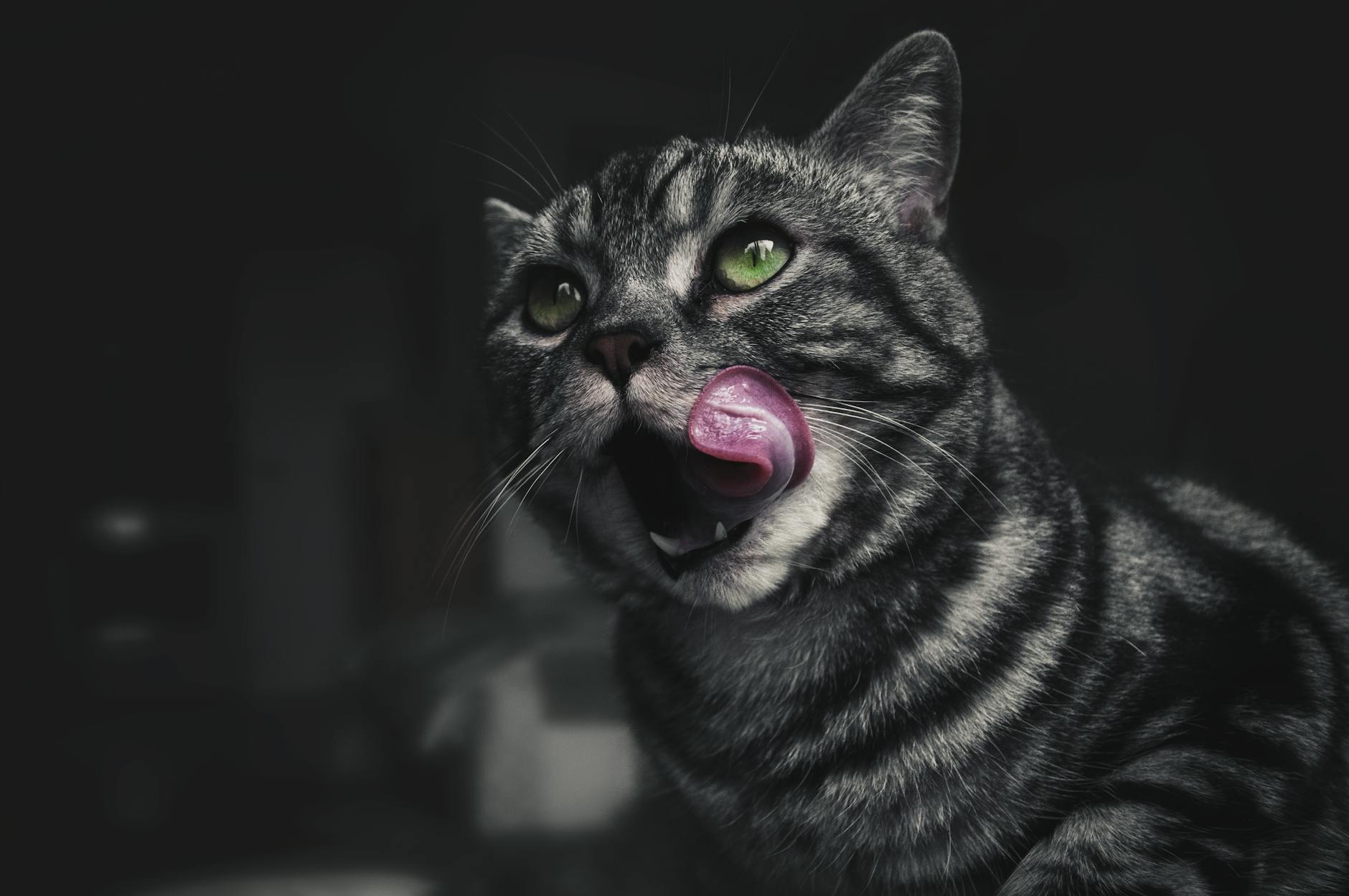
While it might seem harmless when your cat gently licks a plant leaf, the reality is more nuanced. Many houseplants are toxic to cats, and even non-toxic ones can pose risks depending on how they’re treated, how much your cat ingests, and your individual cat’s sensitivity. A cat licking plant leaves isn’t automatically dangerous, but it requires you to know which plants are in your home and to monitor your cat’s behavior closely. For example, if your cat occasionally licks the leaves of a spider plant or Boston fern, the risk is minimal.
However, if your cat frequently licks or chews on lilies, sago palms, or oleander, you’re dealing with a genuine toxicity concern that could require emergency veterinary care. The key issue is that cats don’t understand which plants are safe and which are poisonous. Their curiosity often overrides caution, and what starts as innocent licking can escalate to chewing and swallowing plant material. Additionally, some plants become more dangerous at certain growth stages, and plants treated with pesticides, fertilizers, or other chemicals become hazardous even if the plant itself would normally be safe.
Table of Contents
- WHICH PLANTS ARE ACTUALLY TOXIC TO CATS WHEN LICKED?
- TOXINS IN PLANT LEAVES AND HOW THEY AFFECT CATS
- BEHAVIORAL REASONS WHY CATS LICK AND CHEW PLANT LEAVES
- SAFE PLANTS FOR CATS AND HOW TO PROTECT YOUR HOME
- RECOGNIZING PLANT POISONING SYMPTOMS AND WHEN TO SEEK HELP
- PLANTS THAT LOOK TOXIC BUT AREN’T, AND THE CONFUSION THIS CREATES
- CREATING A LONG-TERM PLANT AND CAT COEXISTENCE PLAN
- Conclusion
- Frequently Asked Questions
WHICH PLANTS ARE ACTUALLY TOXIC TO CATS WHEN LICKED?
Several common houseplants are genuinely dangerous to cats, and licking the leaves is often how cats first interact with them. Lilies are particularly hazardous—all parts of lilies, including the leaves, are toxic to cats and can cause acute kidney failure even in small doses. Sago palms, dieffenbachia, oleander, and philodendrons are other plants frequently found in homes that pose serious risks. Azaleas, caladiums, and croton plants can cause severe gastrointestinal upset if licked or chewed.
The distinction between mildly and severely toxic plants matters practically. Your cat licking a small amount of spider plant leaf will likely cause no harm, but licking the same amount of dieffenbachia leaf can cause mouth irritation, drooling, and difficulty swallowing within hours. This means you can’t develop a one-size-fits-all rule—knowing your specific plants is essential. Many cat owners are surprised to learn that plants they thought were completely safe, like peace lilies and daffodils, actually contain compounds that irritate cats’ mouths and digestive systems.
TOXINS IN PLANT LEAVES AND HOW THEY AFFECT CATS
Plant toxins work in different ways in a cat’s body, and understanding the mechanism helps explain why some licking incidents are emergencies while others cause no symptoms. Some plants contain oxalates that crystallize in the mouth and digestive tract, others contain compounds that affect the heart or kidneys, and still others trigger allergic-type reactions. When a cat licks a leaf, the toxin enters through the mucous membranes of the mouth first, which is why mouth irritation (drooling, pawing at the mouth) is often the first sign of plant poisoning. The limitation here is that symptoms don’t always appear immediately. A cat can lick plant leaves for days or weeks without showing signs of illness, then suddenly develop serious symptoms once enough toxin has accumulated in their system.
This delayed response makes it hard for owners to connect the licking behavior to the health problem. For example, lily toxicity can take 24-48 hours to cause visible kidney damage, meaning a cat might seem fine after licking a lily leaf, then become critically ill days later. Another consideration is that plants treated with pesticides, herbicides, or chemical fertilizers become toxic even if the plant material itself is safe. A non-toxic plant sprayed with a common insecticide becomes dangerous for your cat to lick. This is a critical detail many owners overlook—they focus on whether the plant species is toxic and ignore how it’s been treated.
BEHAVIORAL REASONS WHY CATS LICK AND CHEW PLANT LEAVES
Understanding why cats lick plants helps you predict and prevent the behavior. Cats often lick plant leaves out of curiosity, especially kittens exploring their environment. Some cats are attracted to plants for the texture or the slight moisture on the leaves. Others may be seeking fiber, similar to how they’re attracted to grass, though cats are often drawn to the wrong plants for this purpose.
A cat constantly licking plant leaves might also be expressing boredom, stress, or a medical issue like pica (abnormal eating behavior). The practical implication is that stopping the behavior requires addressing the underlying motivation. Simply removing toxic plants isn’t enough if your cat is bored and seeking stimulation—they’ll find other inappropriate objects to chew. Similarly, if a cat has pica (sometimes linked to anemia or digestive issues), licking plants might be a symptom that needs veterinary investigation. Some cats are just naturally more plant-curious than others, and knowing your cat’s tendencies helps you decide how vigilant you need to be.
SAFE PLANTS FOR CATS AND HOW TO PROTECT YOUR HOME
If you want to keep plants in your home while minimizing risk, prioritize genuinely safe options. Spider plants, Boston ferns, African violets, bamboo palms, and prayer plants are among the plants that are truly non-toxic to cats. even with these safe options, occasional licking isn’t harmful, though if your cat is a chronic chewer, ingesting large amounts of plant material can cause mild digestive upset. The tradeoff between having plants and having a cat requires honest assessment.
If you have multiple toxic plants and a cat with a strong plant-chewing habit, you might need to remove the plants entirely rather than relying on supervision. If you have one or two toxic plants and a cat that rarely bothers them, you may be able to manage the risk through placement (high shelves, hanging baskets) and monitoring. Some owners successfully use barriers like plant cages or keep toxic plants in rooms where the cat doesn’t spend time. Others choose to focus entirely on cat-safe plants, which eliminates the risk entirely.
RECOGNIZING PLANT POISONING SYMPTOMS AND WHEN TO SEEK HELP
If your cat has licked or eaten a plant you suspect is toxic, knowing the early signs of poisoning can be lifesaving. Common symptoms include excessive drooling, vomiting, diarrhea, lethargy, difficulty eating, or mouth irritation. More serious signs include difficulty breathing, tremors, or changes in urine output (which may indicate kidney problems). A cat showing any of these symptoms after exposure to a potentially toxic plant needs veterinary evaluation.
The limitation to watch for is that mild toxicity might resolve on its own with supportive care, but severe toxicity requires immediate treatment. With lilies specifically, even a small exposure warrants an emergency vet visit because kidney damage can progress rapidly. Don’t wait to see if your cat “gets over it”—call your veterinarian or an animal poison control center if there’s any doubt. The ASPCA Animal Poison Control Center and Pet Poison Helpline are invaluable resources when you’re unsure whether a plant is toxic.
PLANTS THAT LOOK TOXIC BUT AREN’T, AND THE CONFUSION THIS CREATES
Many plant names include the word “lily” but aren’t true lilies—calla lilies, peace lilies, and lily of the valley are examples of plants that are often assumed to be safe because they’re not “true” lilies, but actually all three can cause toxicity in cats. The confusion creates a genuine safety problem because owners rely on common names rather than botanical facts. Peace lilies are found in many homes because they’re promoted as safe houseplants, yet they contain oxalates that cause mouth irritation and difficulty swallowing in cats.
Similarly, plants in the Araceae family (which includes philodendrons and pothos) look very similar but vary widely in toxicity. This means you can’t just learn one plant name and assume all similar-looking plants are equally safe or equally dangerous. The practical advice is to confirm plant identity by botanical name and check reliable toxicity references before assuming any plant is safe.
CREATING A LONG-TERM PLANT AND CAT COEXISTENCE PLAN
Most cat owners can keep some plants in their home while keeping their cats safe, but it requires intentional choices rather than hoping for the best. The most sustainable approach is to inventory your current plants, verify toxicity status using multiple reliable sources, and make clear decisions about which plants stay and which go. For toxic plants you want to keep, implement physical barriers like plant stands in closed rooms or high wall-mounted shelves that your cat can’t access.
Moving forward, when you acquire new plants, verify their safety status before bringing them home. This simple step prevents the common pattern of removing plants later when you realize they’re toxic. Consider your cat’s personality and habits when making these decisions—a cat that ignores plants entirely needs different plant choices than a cat that’s constantly curious about vegetation.
Conclusion
Cats licking plant leaves isn’t inherently unsafe, but it carries real risks that depend on which plants are in your home, how they’ve been treated, and your cat’s behavior patterns. The safest approach combines three strategies: removing or isolating genuinely toxic plants, choosing cat-safe alternatives when possible, and monitoring your cat’s interaction with any plants that remain. Education is your primary tool—knowing which plants are toxic and recognizing early signs of poisoning allows you to respond appropriately if something does happen.
Your cat’s curiosity about plants is a natural behavior, but it’s one you can manage through environmental choices. Take time now to identify every plant in your home, confirm whether it’s toxic to cats, and decide whether it stays, gets moved, or gets replaced with a safer option. This upfront work gives you peace of mind and protects your cat from unnecessary risk.
Frequently Asked Questions
Is it okay if my cat licks a plant leaf just once?
A single brief lick of a non-toxic plant is harmless. However, a single lick of a highly toxic plant like a lily can still cause harm, especially over time if licking happens repeatedly. The risk depends entirely on which plant your cat licked.
What should I do if my cat licked a toxic plant?
Contact your veterinarian or an animal poison control center immediately. Don’t wait for symptoms to appear. Provide information about the plant species and when the exposure happened. Some toxicities require emergency treatment to prevent organ damage.
Are all common houseplants toxic to cats?
No. Many popular houseplants like spider plants, Boston ferns, and African violets are completely safe for cats. The issue is that some very common plants (like peace lilies and pothos) are also toxic, so you can’t assume something is safe just because it’s popular.
How can I stop my cat from licking plants?
Address the underlying motivation—provide more enrichment if your cat is bored, place plants out of reach, use physical barriers, or replace toxic plants with cat-safe options. Some cats respond to deterrent sprays, though most find ways around them.
Can I use pesticides on plants if I have a cat?
Any pesticide or chemical treatment makes a plant unsafe for your cat to lick, even if the plant itself is non-toxic. Either skip treatments for plants your cat has access to, or keep treated plants in areas your cat cannot reach.
Is cat grass a safe alternative to plants?
Yes. Cat grass, wheat grass, and oat grass are safe for cats to chew and may satisfy the desire to eat vegetation. Growing these specifically for your cat can reduce their interest in licking houseplants, though it won’t stop all cats.