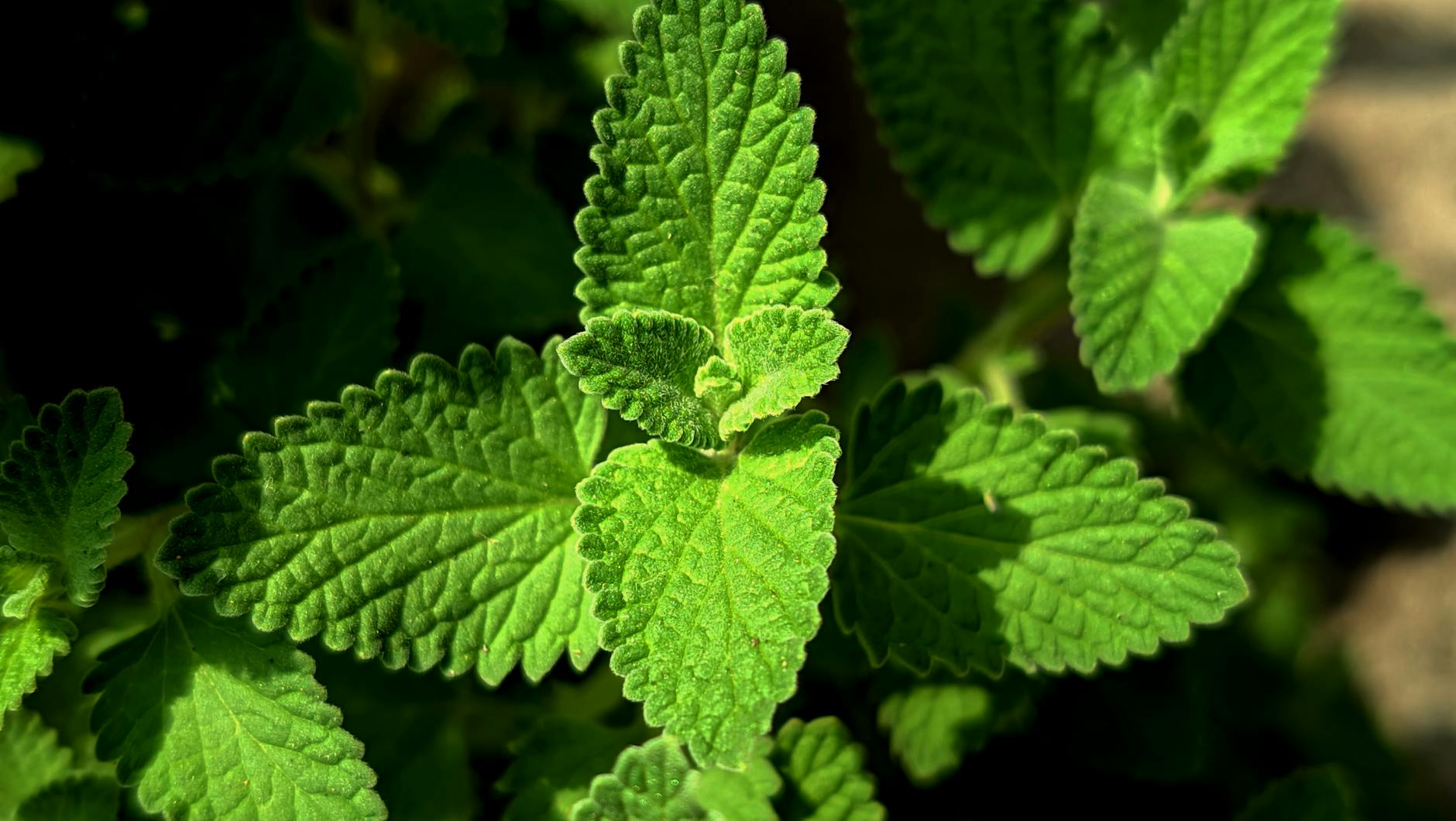
Yes, it is generally safe for cats to eat fresh mint leaves in small quantities, but the safety depends on the type of mint and how much your cat consumes. Most cats show little interest in mint plants because cats lack taste receptors for sweetness, but some cats are curious about the texture and aroma. If your cat nibbles on a mint leaf from your garden or a potted plant on your windowsill, there is typically no cause for alarm. However, certain preparations of mint—particularly concentrated oils and extracts—can pose risks to cats, and some mint varieties are more problematic than others.
The key distinction centers on the difference between fresh mint leaves and processed mint products. A cat that eats one or two fresh mint leaves will almost certainly experience no negative effects. Where problems arise is when cats ingest essential mint oils, consume large quantities of mint plants, or eat certain types of mint that contain compounds toxic to feline metabolism. Understanding these distinctions allows cat owners to safely maintain mint plants in their homes while protecting their pets from genuine hazards.
Table of Contents
- Which Types of Mint Are Safe for Cats to Eat?
- Potential Toxicity Concerns and Symptoms to Watch For
- Safe Quantities and Practical Guidelines for Exposure
- How Cats Encounter Mint and Keeping Them Safe
- Mint Products to Avoid and Common Mistakes
- Peppermint Oil Versus Fresh Mint: Understanding the Difference
- When to Contact a Veterinarian
- Conclusion
- Frequently Asked Questions
Which Types of Mint Are Safe for Cats to Eat?
Not all mint is created equal when it comes to feline safety. Spearmint and garden mint (also called common mint) are generally considered safe for cats in small amounts. These varieties contain menthol and other volatile oils, but in fresh form and in modest quantities, they rarely trigger adverse reactions in cats. Peppermint, however, is higher in menthol content and is the type most likely to cause irritation, particularly if ingested in larger quantities or in concentrated forms.
Your average kitchen mint plant used for tea or garnishes is typically safe, but ornamental mints and specialty varieties may carry different risks. The reason certain mints pose more concern relates to their essential oil concentration. Peppermint oil, for example, is far more potent than fresh peppermint leaves and can cause gastrointestinal upset in cats more readily than the fresh plant. A cat that encounters a fresh peppermint leaf in the garden might nibble it without consequence, but the same cat drinking water infused with peppermint essential oil could experience nausea or digestive distress. This concentration issue is critical to understand: just because the plant is safe doesn’t automatically make all mint products safe.
Potential Toxicity Concerns and Symptoms to Watch For
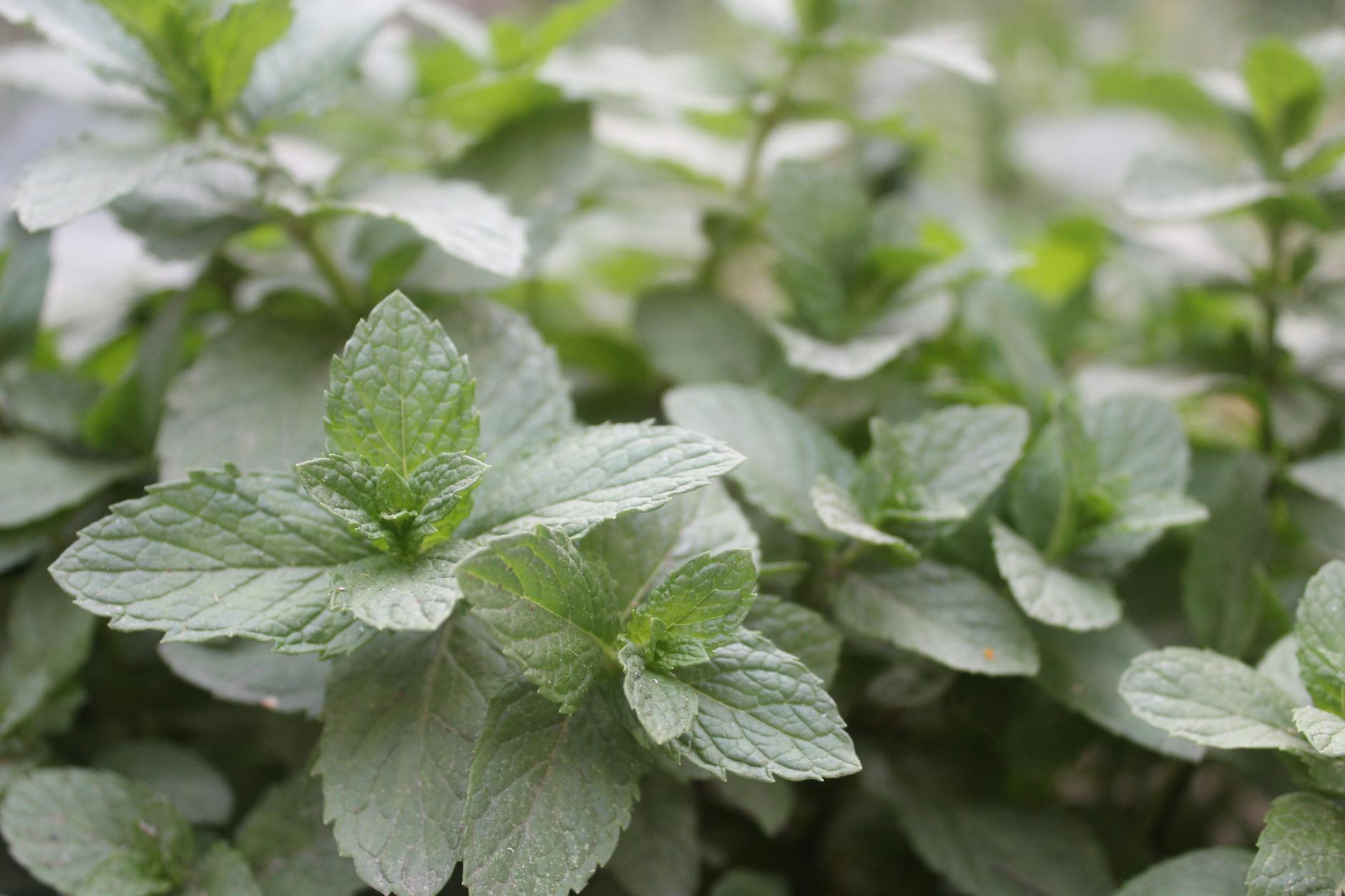
While fresh mint leaves are not listed as toxic to cats by major veterinary organizations like the ASPCA, some cats do experience mild gastrointestinal upset from eating mint. The risk increases significantly with peppermint in concentrated forms, where the high menthol content can irritate the digestive tract. Cats have livers that process certain compounds differently than humans, making them more sensitive to essential oils and concentrated plant extracts. This is why peppermint-flavored treats or peppermint essential oil products carry explicit warnings against use in cats, even though fresh peppermint leaves present minimal risk.
If a cat does consume mint and experiences a negative reaction, symptoms might include vomiting, diarrhea, drooling, or lethargy. These signs would typically appear within a few hours of ingestion. The important limitation to recognize is that individual cats have different sensitivities—some cats might chew mint regularly with no problems, while another cat with a sensitive stomach might experience mild nausea from the same activity. Cats with existing digestive conditions, liver disease, or those taking certain medications should be especially kept away from mint plants and mint-containing products, as their systems may struggle to process the volatile oils.
Safe Quantities and Practical Guidelines for Exposure
Determining what constitutes a “safe” amount of mint for cats requires understanding that toxicity is dose-dependent. A single fresh mint leaf presents virtually no risk. Even a cat that nibbles multiple leaves from a plant over several days is unlikely to experience any problems. The concern escalates when cats consume large quantities of mint or when they have repeated access to peppermint essential oils or concentrated mint products. For most house cats, the practical reality is that occasional exposure to fresh mint through direct plant access or accidental ingestion poses minimal danger.
A useful comparison can be drawn to how cats interact with other common herbs. Basil and parsley, for example, are also generally safe in small amounts, yet no veterinarian recommends making them dietary staples for cats. Mint should be viewed similarly—safe for occasional, incidental contact, but not something to actively encourage or incorporate into a cat’s regular diet. If your cat shows interest in your mint plant and occasionally nibbles a leaf or two, monitoring them for any signs of digestive distress over the following hours is sensible. If no symptoms appear, you can generally allow the behavior to continue without intervention.

How Cats Encounter Mint and Keeping Them Safe
Indoor cats most commonly encounter mint through potted plants kept in homes, either intentionally grown for culinary use or as decorative houseplants. Outdoor cats might find wild mint species or cultivated mint in gardens. Some owners intentionally introduce mint to enrich their cat’s environment, believing it provides similar benefits to catnip—a misunderstanding worth correcting, since mint does not produce the euphoric response in cats that catnip does. The reality is that most cats show mild curiosity at best when encountering fresh mint, often because the menthol irritates their nasal passages when they sniff it closely.
The practical approach is to place mint plants in locations where cats have limited access if you prefer to be cautious. A high shelf or a closed room works well. Conversely, if you have a mint plant and your cat occasionally investigates it, you need not remove it immediately—simply monitor your cat’s behavior for any signs of distress. Never apply mint essential oils to your cat’s bedding, paws, or body as an insect repellent or treatment, as this concentrated form bypasses the safety of the fresh plant. If you grow mint for tea or cooking and your cat shows interest, simply ensure the dried mint is stored securely and not accessible to your pet, since dried mint concentrates the volatile oils further.
Mint Products to Avoid and Common Mistakes
Peppermint essential oil, peppermint extracts, and peppermint candies or flavorings represent genuine hazards to cats and should never be given intentionally or left within reach. Some cat owners mistakenly believe that because fresh mint is safe, peppermint-scented products are also safe—a dangerous assumption. Peppermint toothpaste, peppermint foot creams, and household products with peppermint oil are not meant for cats and can cause serious digestive upset if ingested or absorbed through the skin. A common scenario involves a cat ingesting peppermint-flavored human medication or accidentally consuming a peppermint candy dropped on the floor; while a single candy would likely cause only mild upset, repeated access is problematic.
Another warning worth emphasizing involves the difference between “peppermint” and “spearmint” flavoring in commercial products. Some peppermint products use actual peppermint essential oil, while others use synthetic flavoring. If you are unsure of the ingredients in any mint-flavored product, the safest approach is to keep it away from your cat. Additionally, some topical peppermint products designed for human use—such as pain relief creams or muscle rubs—are not safe for cats to lick, as the combination of peppermint oil and other active ingredients can trigger toxicity.
Peppermint Oil Versus Fresh Mint: Understanding the Difference
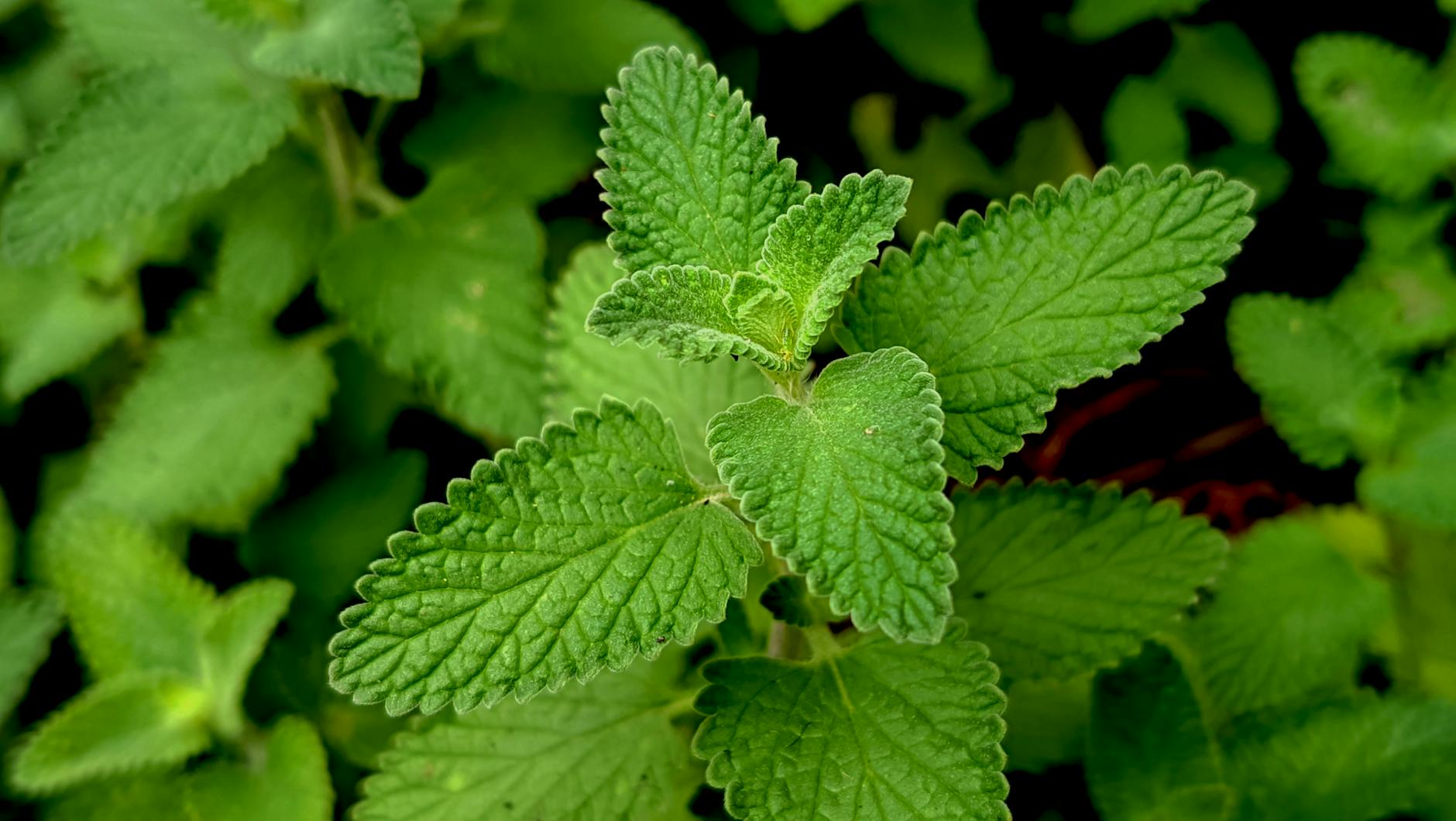
The distinction between fresh mint and peppermint oil cannot be overstated when discussing feline safety. Fresh mint contains water, fiber, chlorophyll, and volatile oils dispersed throughout the plant tissue. When a cat chews a fresh leaf, it ingests these components in dilute form and in quantities measured in milligrams. Peppermint essential oil, by contrast, is concentrated through steam distillation or other extraction methods, yielding a product that is dozens of times more potent by volume than the fresh plant.
A single teaspoon of peppermint essential oil contains more menthol than a cat would ingest from eating an entire fresh peppermint plant. This concentration difference is why veterinary poison control databases warn against peppermint oil while noting that fresh mint leaves are generally safe. Some essential oils are used therapeutically in humans but are completely inappropriate for cats due to their feline-specific metabolism. If your home uses diffusers, room sprays, or topical oils containing peppermint, ensure these are used in well-ventilated areas away from your cat, and never apply them to surfaces your cat frequents or to the cat itself.
When to Contact a Veterinarian
Most cases of cats eating fresh mint require no veterinary intervention. However, certain situations warrant a call to your veterinarian. If your cat consumed a large quantity of fresh mint leaves and is showing signs of vomiting, diarrhea, drooling, or abdominal pain, contacting your vet is prudent. If your cat ingested peppermint essential oil, candy, or a concentrated product, prompt veterinary contact is important even if symptoms have not yet developed, since a vet can monitor for delayed reactions and provide supportive care if needed.
Cats with pre-existing health conditions—particularly liver disease, digestive disorders, or respiratory sensitivities—warrant extra caution and should have mint exposure minimized or eliminated. The forward-looking perspective on mint and cats involves recognizing that as more cat owners become aware of enrichment and home gardening, mint will remain a common household plant. The safe approach is informed acceptance: understand that fresh mint poses minimal risk, know which products to avoid entirely, and monitor your cat for any unusual signs. As veterinary nutrition continues to evolve and more research clarifies how different plant compounds affect feline health, guidance may become more nuanced, but the current evidence supports the safety of fresh mint in small quantities.
Conclusion
Fresh mint leaves are generally safe for cats to eat in small quantities, though most cats show little interest in the plant. The key to managing mint safety involves understanding the difference between safe fresh mint and unsafe concentrated products like essential oils and extracts. If your cat has occasional access to a mint plant and shows curiosity, monitoring for any adverse reactions is the appropriate response, and veterinary intervention is rarely necessary.
Going forward, keep peppermint essential oils and concentrated mint products completely away from your cat, store dried mint securely, and place fresh mint plants in locations where access is limited if you prefer maximum caution. If your cat shows symptoms of digestive upset following mint consumption or ingests a concentrated mint product, contact your veterinarian promptly. Most cat owners can maintain mint plants safely at home by following these practical guidelines and remaining informed about the distinction between different forms of mint.
Frequently Asked Questions
Can cats have peppermint tea?
No. While fresh peppermint leaves are generally safe, peppermint tea made from concentrated mint can irritate a cat’s digestive system. Additionally, cats should never be given hot beverages due to burn risk. Never allow your cat to drink from a cup of peppermint tea.
Is mint safe for kittens?
Kittens have less developed digestive systems than adult cats, making them slightly more vulnerable to gastric upset from mint. Fresh mint in tiny amounts is unlikely to harm a kitten, but it is safer to prevent kittens from accessing mint plants until they mature.
What should I do if my cat ate a peppermint candy?
A single peppermint candy is unlikely to cause serious harm, but monitor your cat for vomiting, diarrhea, or lethargy over the next several hours. If your cat consumed multiple candies or is showing symptoms, contact your veterinarian. Never give peppermint candies intentionally to cats.
Can I use peppermint oil on my cat to repel fleas?
No. Peppermint essential oil is not safe for cats and should never be applied to their fur or skin. Use only veterinarian-recommended flea prevention products designed specifically for cats.
Why do some cats seem attracted to mint?
Cats may investigate mint out of curiosity about the texture or aroma, but they do not experience the pleasurable response to mint that some humans do. The menthol often irritates their nasal passages, which is why they typically do not consume large quantities.
Is catnip the same as mint?
No. Catnip (Nepeta cataria) and mint are different plants from different plant families. While catnip produces a euphoric response in many cats, mint does not. Some cats may show mild curiosity toward mint, but it is not a substitute for catnip enrichment.