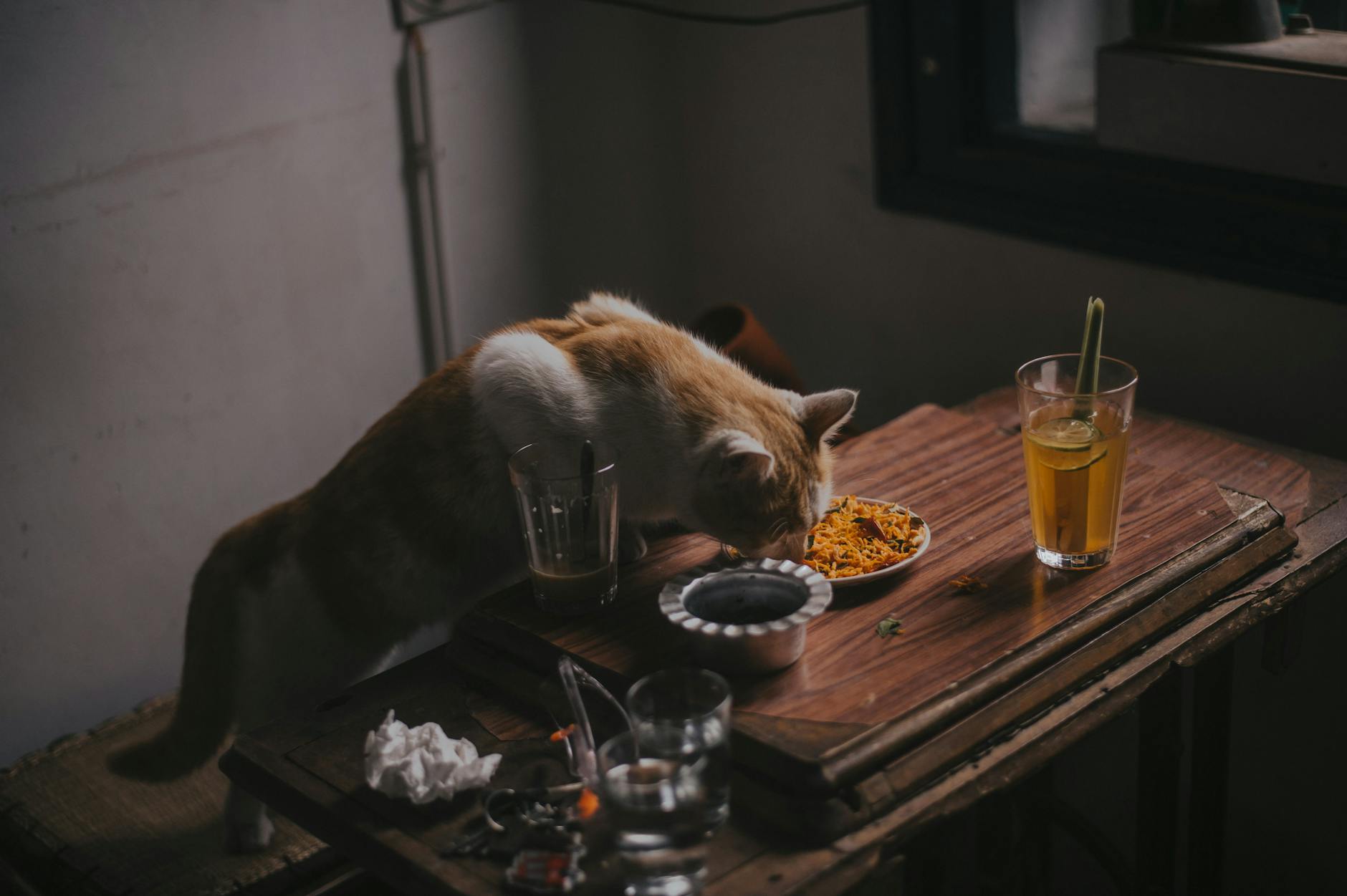
No, it is not safe for cats to eat syrup. Syrup of virtually any kind poses significant health risks to felines, ranging from digestive upset to serious poisoning depending on the type and amount consumed. If your cat licked a small amount of maple syrup off your kitchen counter, the immediate danger is likely minimal, but regular or larger exposures can cause serious medical problems.
The core issue is that cats lack the digestive enzymes and metabolic capacity to process the concentrated sugars and additives found in syrups, and some syrups contain ingredients that are actively toxic to cats. Cats are obligate carnivores with digestive systems designed to process protein and fat, not refined sugars or artificial sweeteners. Even natural syrups like honey and maple syrup can cause gastrointestinal distress in cats, leading to vomiting, diarrhea, and abdominal discomfort. The situation becomes far more dangerous when the syrup contains xylitol, an artificial sweetener increasingly common in sugar-free products, which can trigger severe hypoglycemia and liver failure in cats within hours of ingestion.
Table of Contents
- What Makes Syrup Dangerous for Cats?
- Xylitol in Sugar-Free Syrups—A Critical Threat
- Types of Syrup and Their Relative Risks
- Preventing Accidental Syrup Ingestion
- Recognizing Syrup Poisoning Symptoms
- Treating Accidental Syrup Ingestion at Home and at the Vet
- Long-Term Health Considerations and Future Prevention
- Conclusion
- Frequently Asked Questions
What Makes Syrup Dangerous for Cats?
The primary danger of syrup lies in its high concentration of simple sugars, which cats cannot efficiently metabolize. When a cat consumes syrup, the sugar passes into the bloodstream rapidly, causing blood glucose spikes that the cat’s body wasn’t designed to handle. Unlike humans, who produce amylase in their saliva to begin breaking down carbohydrates, cats produce minimal amounts of this enzyme, making them poorly equipped to digest sugary substances. A cat that eats syrup may experience immediate gastrointestinal symptoms including vomiting, diarrhea, and loss of appetite within a few hours.
Beyond sugar content, many commercial syrups contain additives and preservatives that can upset a cat’s sensitive digestive system. High-fructose corn syrup, which is common in cheaper syrups, is particularly problematic for cats and may contribute to inflammation in the digestive tract. Some cats may also develop an upset stomach from the sudden introduction of a thick, sweet substance that coats the mouth and throat. If a cat ingests syrup regularly or in larger quantities, it could potentially contribute to obesity and dental problems, though the immediate risk is gastrointestinal distress.
Xylitol in Sugar-Free Syrups—A Critical Threat
Sugar-free syrups present a far more serious danger because they typically contain xylitol, an artificial sweetener that is extremely toxic to cats. Unlike sugar, which simply causes digestive upset, xylitol triggers a rapid insulin release in cats’ pancreases, causing blood glucose to plummet dangerously within 30 minutes to an hour of ingestion. Even a small amount—as little as one teaspoon of xylitol-containing syrup—can cause life-threatening hypoglycemia in a cat weighing five to ten pounds. Symptoms of xylitol poisoning develop quickly and include lethargy, loss of coordination, seizures, coma, and death.
The second phase of xylitol toxicity is liver damage. If a cat survives the initial hypoglycemic crisis, xylitol can cause severe liver failure within 24 to 72 hours, even if the cat initially appeared to recover. This means that a cat who ate xylitol-containing syrup and seemed fine after a few hours could still be in critical danger. Any exposure to sugar-free syrup requires immediate veterinary attention, as treatment must begin before symptoms progress. The prognosis depends on how much was ingested, how quickly treatment begins, and the individual cat’s health status, but many cats do not survive xylitol poisoning without aggressive medical intervention.
Types of Syrup and Their Relative Risks
Maple syrup, being a natural product with no added ingredients beyond water and perhaps salt, presents one of the lower-risk syrup options for accidental ingestion, though it is still not safe for regular consumption. A cat that licks a small amount of pure maple syrup from a spoon or counter is unlikely to require emergency veterinary care, though it may experience mild gastrointestinal upset. However, pancake syrups and corn syrups sold in supermarkets often contain additives and high-fructose corn syrup, which pose greater risks than pure maple syrup. Chocolate syrup deserves special mention because it combines the dangers of sugar with the toxicity of cocoa.
Chocolate is poisonous to cats due to theobromine and caffeine content, making chocolate syrup doubly dangerous. Even a small amount of chocolate syrup can cause vomiting, diarrhea, and in severe cases, cardiac issues or tremors. Honey, while sometimes recommended for human health, is another sweetener that should not be given to cats deliberately and poses risks if ingested in significant quantities. The key takeaway is that while some syrups are riskier than others, none should be considered safe or appropriate for feline consumption.
Preventing Accidental Syrup Ingestion
The most effective protection against syrup poisoning is prevention through careful storage and household management. Keep all syrups—regular, sugar-free, chocolate, and any others—stored in closed cabinets or the refrigerator where cats cannot access them. Many cats are attracted to sweet smells and textures, and a bottle of syrup left on a counter or table represents an easily accessible temptation. Educate household members, including children, about the dangers of sharing human foods with cats, as curiosity-driven children are often the source of accidental pet poisoning incidents.
Be particularly vigilant during breakfast time or when preparing desserts, as these are the most common times when syrup bottles are out and accessible. If you use syrup regularly, consider using a syrup dispenser that can be sealed and stored away between uses rather than leaving the bottle accessible. After using syrup, wipe down surfaces thoroughly to remove any sticky residue that a curious cat might investigate or lick. This is especially important with sugar-free syrups, where even a small amount of residue could pose a serious risk.
Recognizing Syrup Poisoning Symptoms
If you suspect your cat has eaten syrup, watch carefully for signs of distress over the next few hours. Symptoms of regular syrup ingestion include vomiting, diarrhea, abdominal pain (indicated by a hunched posture or reluctance to move), decreased appetite, and lethargy. These symptoms typically appear within one to four hours of ingestion and may persist for 24 hours or longer depending on the amount consumed. Most cases of accidental regular-syrup ingestion resolve on their own with supportive care, though a veterinarian should evaluate the cat to rule out complications.
If your cat has ingested sugar-free syrup, treat it as a medical emergency. Symptoms of xylitol poisoning—lethargy, loss of coordination, weakness, trembling, or seizures—require immediate veterinary attention, ideally within 30 minutes of suspected ingestion. Do not wait to see if symptoms develop; contact your veterinarian or emergency animal hospital immediately with information about how much syrup your cat ate and when. Early treatment with IV dextrose and supportive care offers the best chance of survival. If you are unsure whether the syrup is sugar-free or contains xylitol, treat it as an emergency anyway, as the risks are too high to wait for symptom development.
Treating Accidental Syrup Ingestion at Home and at the Vet
If your cat has consumed a small amount of regular syrup and is showing only mild symptoms, you can support recovery at home by offering fresh water and bland food like boiled chicken without seasoning for the next 24 hours. Avoid any additional treats, dairy, or rich foods during this recovery period. Monitor your cat’s behavior and litter box habits closely; if vomiting or diarrhea persists beyond 24 hours, or if your cat refuses to eat or drink, contact your veterinarian. In cases of larger ingestions or persistent symptoms, your vet may recommend administration of activated charcoal, IV fluids, or anti-nausea medication.
At the veterinary clinic, the treatment for syrup ingestion depends on the type of syrup and the cat’s condition. For regular syrup, the vet will perform a physical examination, possibly take X-rays or ultrasound to rule out blockages, and provide supportive care. For xylitol poisoning, emergency treatment includes IV dextrose to raise blood glucose levels, hepatoprotective medications to support liver function, and close monitoring of liver enzymes and blood glucose for several days. The cost of emergency xylitol poisoning treatment can exceed $2,000 to $5,000, making prevention substantially more cost-effective than treatment.
Long-Term Health Considerations and Future Prevention
Even cats that recover from a single syrup ingestion incident should not be exposed repeatedly, as cumulative sugar intake can contribute to metabolic problems and obesity over time. Some research suggests that cats fed high-sugar diets have increased risk of developing diabetes later in life, though the relationship is not as direct as in humans. If your cat has eaten syrup and recovered, use the incident as a reminder to audit your home for other sweet substances that might pose risks, including diet sodas with xylitol, sugar-free gum, and certain baked goods.
As artificial sweeteners become more prevalent in household products, the risk of accidental xylitol poisoning continues to increase. Stay informed about which products contain xylitol by reading labels carefully, and keep a list of emergency veterinary contacts readily available. If you have multiple cats or visiting pets, the risks multiply, as shared household spaces and multiple animals create more opportunities for accidental ingestion. The most effective long-term strategy is to maintain a cat-safe home where syrups and other toxic sweetened products are secured, making accidental ingestion nearly impossible.
Conclusion
Syrup is not safe for cats, whether regular or sugar-free. Regular syrups cause gastrointestinal upset and discomfort, while sugar-free syrups containing xylitol pose a life-threatening emergency requiring immediate veterinary treatment. The best approach is prevention through secure storage and household awareness, combined with quick recognition of symptoms if accidental ingestion occurs. Every cat owner should understand that sweet foods intended for human consumption belong in secured storage, not within reach of curious felines.
If your cat has eaten syrup, assess the situation based on the type and amount ingested. Small amounts of pure maple syrup may require only monitoring at home, but any amount of sugar-free syrup requires emergency veterinary care. Keep your veterinarian’s contact information accessible, and don’t hesitate to call with questions about specific products or suspected exposures. By maintaining vigilance and keeping all syrups securely stored, you can prevent this entirely preventable source of feline health problems.
Frequently Asked Questions
What should I do immediately if my cat eats syrup?
First, identify what type of syrup was eaten. If it’s sugar-free, contact your veterinarian or emergency animal hospital immediately; this is a medical emergency. If it’s regular syrup, monitor your cat for vomiting, diarrhea, and lethargy over the next 24 hours, and contact your vet if symptoms are severe or persistent.
Is a small lick of maple syrup dangerous?
A single small lick of pure maple syrup is unlikely to cause serious harm, though your cat may experience mild digestive upset. However, even small amounts of xylitol-containing syrups can be dangerous, so the type matters significantly.
How much xylitol is toxic to cats?
Toxicity can occur with doses as low as 0.1 grams per kilogram of body weight, meaning a five-pound cat could be poisoned by as little as 0.2 grams of xylitol—roughly the amount in one teaspoon of some sugar-free syrups.
What are the early signs that my cat is having an emergency from syrup?
For regular syrup, watch for vomiting and diarrhea. For xylitol poisoning, watch for lethargy, weakness, trembling, loss of coordination, or seizures—these require emergency care within 30 minutes of exposure for the best outcome.
Can cats have honey or agave nectar instead of syrup?
No. While honey and agave are natural, they still pose similar risks to cats due to their sugar content and lack of nutritional benefit for felines. These should be avoided as deliberately offered foods.
What should I keep in mind if I have both young children and cats?
Store all syrups securely away from both children and cats, as children may try to share food with pets or leave syrup accessible. Educate children that cat bodies work differently than human bodies and that “people food” can make cats very sick.