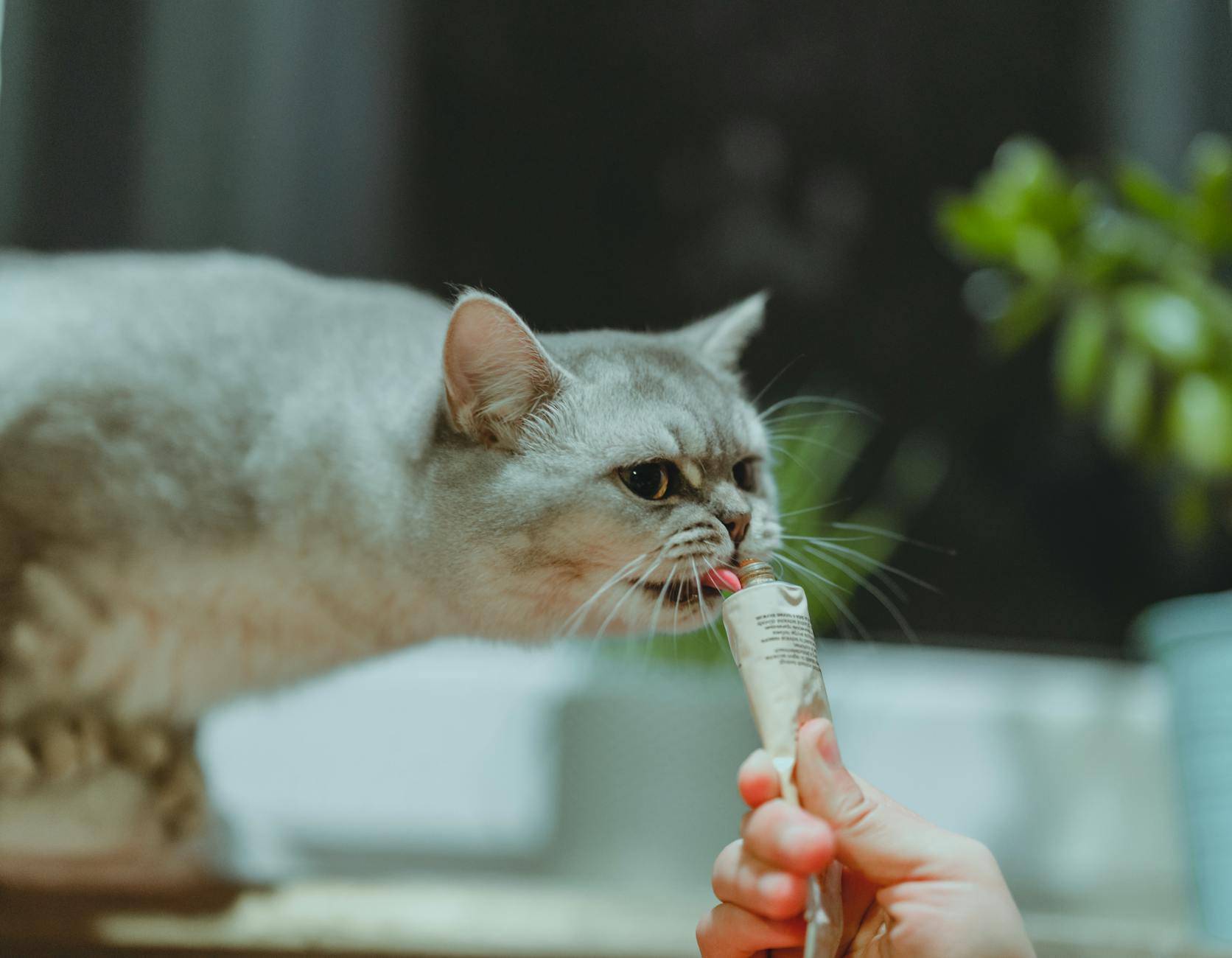
Honey is not safe for cats to eat, despite its popularity as a natural sweetener and home remedy in human medicine. While honey offers health benefits for people, it poses specific risks to feline health that make it unsuitable for your cat’s diet. The primary concern is botulism, a serious bacterial infection that can develop from consuming raw honey contaminated with Clostridium botulinum spores—a threat that particularly affects kittens under one year old and senior cats with compromised immune systems.
Most cases of botulism in cats go undiagnosed because owners don’t realize their cat consumed honey, but the condition can cause muscle weakness, difficulty swallowing, and even paralysis. Beyond botulism, honey also poses secondary risks including its high sugar content and potential digestive upset. If your cat has already eaten a small amount of honey, the risk is typically low, but even incidental exposure requires awareness of what symptoms to watch for in the following days.
Table of Contents
- Why Can’t Cats Have Honey and What Makes It Dangerous?
- The Sugar Problem and Digestive Issues in Cats
- Which Cats Are Most at Risk?
- What If Your Cat Has Already Eaten Honey?
- Honey-Containing Products and Hidden Exposure
- Safe Alternatives to Honey for Treating Common Cat Issues
- The Broader Context of Feeding Cats Human Foods
- Conclusion
- Frequently Asked Questions
Why Can’t Cats Have Honey and What Makes It Dangerous?
Botulism is the most serious concern when it comes to cats eating honey. The spores of Clostridium botulinum can survive in raw honey and, once ingested, germinate in the cat’s digestive system and produce botulinum toxin. This toxin targets the nervous system, blocking the release of acetylcholine at the neuromuscular junction. Unlike with infant botulism in human babies, feline botulism is rare—but when it occurs, it’s potentially fatal.
A cat that consumed honey and later develops progressive weakness, particularly in the hind legs, or has difficulty eating should be seen by a veterinarian immediately. The botulism risk exists even with honey that appears clean to the naked eye, since the spores are not visible and cannot be reliably destroyed by normal heating or processing at home. Commercial pasteurized honey is safer than raw honey because the heat treatment kills many spores, but it’s not a guarantee of complete safety. The unpredictability of which honey products contain spores means the safest approach is simply avoiding honey altogether.
The Sugar Problem and Digestive Issues in Cats
Beyond botulism, honey contains approximately 80 percent sugar, which is inappropriate for a carnivorous animal whose digestive system evolved to process protein and fat, not simple carbohydrates. Cats lack the taste receptors for sweetness, so they have no biological drive to eat honey—it’s humans who find it appealing, not felines. Feeding honey can lead to weight gain, blood sugar spikes, and increased risk of feline diabetes, a condition that affects millions of cats and requires lifelong management.
Honey can also trigger digestive upset in cats, causing vomiting or diarrhea, particularly in animals with sensitive stomachs or those not accustomed to human foods. Some cats are more sensitive than others, meaning one cat might experience mild symptoms while another shows severe gastrointestinal distress from the same amount. There’s also a limitation to consider: even if your cat tolerates honey without immediate symptoms, the regular consumption of high-sugar foods contributes to obesity and metabolic problems over years, making short-term tolerance misleading about long-term safety.
Which Cats Are Most at Risk?
Kittens under 12 months of age face the highest risk from botulism because their immune systems are not fully developed and are less equipped to handle bacterial spores. A kitten that eats honey has a significantly higher chance of developing active botulism compared to an adult cat. Senior cats (ages 12 and older) are also vulnerable, particularly those with chronic diseases, kidney problems, or medications that suppress immune function.
For example, an elderly cat on antibiotics or with hyperthyroidism is less able to mount an immune response against botulinum toxin. Cats with existing digestive issues, including inflammatory bowel disease or chronic pancreatitis, should especially avoid honey since the high sugar content and unfamiliar food substance can exacerbate their symptoms. Diabetic cats must never consume honey, as the rapid glucose spike can destabilize blood sugar control and potentially trigger diabetic emergencies.

What If Your Cat Has Already Eaten Honey?
If your cat has eaten a small amount of honey—perhaps by licking some off your hand or from a dropped spoonful—the risk is generally low, though not zero. A single exposure to a small quantity is less likely to cause problems than repeated consumption or large amounts. Monitor your cat for signs of botulism over the next few days, including progressive weakness (especially in the hind legs), difficulty swallowing, drooling, constipation, or a weak meow. Most cats that consume honey once will show no symptoms at all.
The tradeoff is between immediate panic and appropriate caution. A small exposure doesn’t warrant an emergency veterinary visit, but it does warrant close observation. Keep your veterinarian’s contact information handy, and if you notice any symptoms consistent with nerve damage or muscle weakness, seek care promptly. In comparison to other household toxins like chocolate or xylitol that pose acute dangers, a single taste of honey is far less concerning—but it’s still a situation best avoided.
Honey-Containing Products and Hidden Exposure
Many pet owners don’t realize that honey appears in numerous prepared foods, supplements, and treats marketed for animals. Some commercial “natural” cat treats, homemade cat food recipes shared online, and even certain medications formulated for pets contain honey. Reading ingredient labels is critical, as honey can be listed as honey, honey powder, or honey extract. If you’re making homemade cat food or treats, avoid any recipe that includes honey, regardless of how natural or traditional the recipe claims to be.
A significant limitation is that some owners use honey as a home remedy for respiratory symptoms, cough, or digestive issues in cats, believing the folklore around honey’s healing properties applies to felines as it does to humans. This is a dangerous misconception. Honey’s antimicrobial properties do not translate to therapeutic benefit in cats, and the risks far outweigh any potential benefit. If your cat has a persistent cough or digestive problem, veterinary treatment is necessary, not honey.
Safe Alternatives to Honey for Treating Common Cat Issues
If you’re interested in natural approaches to feline health concerns, there are safer options than honey. Bone broth made from unseasoned chicken bones (without onion or garlic) can provide hydration and nutrients without the botulism or sugar risks. Pumpkin puree (plain, not pie filling) is effective for both constipation and diarrhea and poses minimal risk.
Wet food, increased water intake, and environmental enrichment address most common health concerns more effectively than supplements or sweetened remedies. For respiratory issues, humidifiers, steam from a bathroom, and ensuring your cat has low-stress conditions are evidence-based approaches that work better than home remedies. Always consult your veterinarian before introducing any new food or supplement, even seemingly innocuous ones.
The Broader Context of Feeding Cats Human Foods
The tendency to share human foods with cats—whether out of affection, curiosity, or a belief in natural remedies—reflects a misunderstanding of feline nutritional needs. Cats have evolved over thousands of years to thrive on diets of meat and organs, not honey, grains, or plant-based foods. Each food choice that deviates from this basic reality carries some level of risk, even if it’s small.
As veterinary nutrition evolves and we learn more about metabolic disease in cats, the wisdom of keeping human foods out of the cat’s diet becomes increasingly clear. Looking forward, emerging research on feline microbiota and gut health suggests that maintaining a consistent, species-appropriate diet protects cats better than any supplement or home remedy could. The occasional treat of cooked chicken or salmon poses minimal risk, but honey—with its specific botulism hazard and metabolic disadvantages—remains in a different category of foods to avoid entirely.
Conclusion
Honey is not safe for cats due to the risk of botulism, high sugar content, and digestive disturbances it can cause. While a single small exposure is unlikely to cause immediate harm, the unpredictability of botulism risk and the complete lack of nutritional benefit for cats make honey a food to eliminate from your cat’s environment. Cats don’t need honey, don’t enjoy it as much as humans do, and don’t derive any health advantage from it.
Protecting your cat’s health means focusing on appropriate nutrition, regular veterinary care, and resisting the impulse to share human foods, no matter how natural or beneficial they seem to us. If your cat has access to honey or honey-containing products, remove them from your home, check ingredient labels on treats and supplements, and monitor your cat’s health closely. When you have questions about what your cat can safely eat, your veterinarian is always the best resource.
Frequently Asked Questions
Can cats eat honey if it’s been heated or pasteurized?
Pasteurized commercial honey is safer than raw honey because heat treatment kills some botulism spores, but it’s not guaranteed to eliminate all spores. The safest approach is still to avoid honey entirely rather than rely on processing methods.
What are the first signs of botulism in cats?
Early signs include mild weakness in the hind legs, constipation, and difficulty eating or swallowing. As the condition progresses, cats may experience complete paralysis and difficulty breathing. These symptoms develop over several days after exposure.
Is a tiny taste of honey from a spoon dangerous?
A very small amount is unlikely to cause problems, but the risk is real and depends on whether that particular honey contains botulism spores. Since you cannot determine this by looking at the honey, it’s still best to prevent any exposure.
Can I use honey to help my cat with digestive problems?
No. While honey is used as a digestive aid in humans, it offers no proven benefit to cats and carries risk. Consult your veterinarian for appropriate digestive treatments.
Are there natural sweeteners safe for cats?
Cats don’t need sweeteners at all, natural or otherwise. If you want to offer treats, choose species-appropriate foods like small pieces of cooked chicken or fish, never sweetened products.
Why is honey safe for human babies but dangerous for cats?
Infant botulism is a specific concern in human babies under 12 months old, which is why honey is not recommended. Cats of all ages can be affected by botulism from honey, making it a different risk profile altogether.