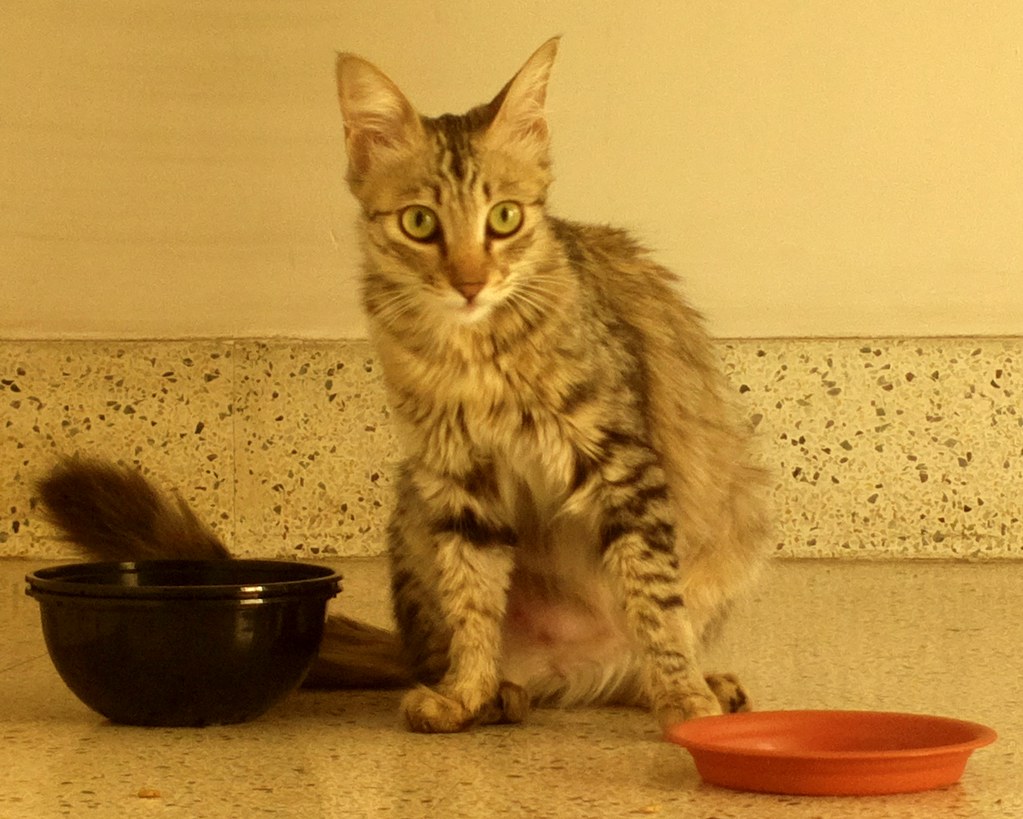
Scented candles pose real risks to cats and should generally be avoided in homes where cats live. Cats have significantly more sensitive respiratory systems than humans, and the fragrance oils, soot, and particulates released by burning scented candles can irritate their airways, eyes, and nasal passages. A cat sleeping in a room with a vanilla-scented candle burning nearby may develop coughing, sneezing, or watery eyes within hours, even if the symptoms seem mild to you.
The danger extends beyond respiratory irritation. Cats are curious animals that may brush their faces against a lit candle or knock it over, risking burns, ingestion of wax or fragrance oils, and house fires. Their small body size means even small amounts of certain essential oils commonly used in scented candles—like eucalyptus, lavender, or tea tree oil—can accumulate to toxic levels in their systems.
Table of Contents
- Why Are Scented Candles Problematic for Cats?
- Health Effects of Candle Smoke on Cats
- Toxicity Risks from Candle Wax and Oils
- Safer Alternatives to Scented Candles
- Behavioral and Burn Risks from Lit Candles
- Cats with Respiratory Sensitivities
- The Cumulative Effect of Household Scents
Why Are Scented Candles Problematic for Cats?
cats rely on their sense of smell far more than humans do; their olfactory receptors are roughly 14 times more sensitive than ours. When a scented candle burns, it releases volatile organic compounds, fragrance molecules, and fine soot particles into the air. These particles are small enough to be inhaled deeply into a cat’s respiratory tract, where they irritate delicate tissues.
A cat that spends a full day in a closed bedroom with a burning candle may experience inflammation of the nasal passages and throat lining. The liver metabolizes many fragrance compounds, and cats lack certain enzymes that allow them to process essential oils and synthetic fragrances efficiently. This metabolic limitation means that exposure to scented candle fumes can accumulate in their system over time. Repeated exposure to the same burning candle can trigger chronic inflammation rather than a one-time irritation.
Health Effects of Candle Smoke on Cats
The respiratory effects are the most immediate concern, but there are broader health implications. Candle smoke contains particulates and chemicals that, when inhaled regularly, can contribute to lower airway inflammation and increased susceptibility to respiratory infections. Some cats with existing asthma or allergies may experience severe coughing fits or wheezing after exposure to scented candle fumes for just 20 or 30 minutes.
A limitation of standard veterinary guidance is that we lack large-scale studies documenting exactly how much candle exposure causes measurable harm in cats. However, the precautionary principle—avoiding exposure to substances known to irritate the respiratory system—is the safest approach. Some synthetic fragrances used in candles have also been linked to respiratory sensitization in laboratory animals, meaning repeated exposure can worsen a cat’s tolerance over time.
Toxicity Risks from Candle Wax and Oils
Beyond respiratory irritation, the composition of the candle itself presents hazards. Paraffin wax candles release toxic compounds when burned, including toluene and benzene. Soy and palm wax candles are marketed as “natural” alternatives, but they still release fragrance oils into the air.
If a cat ingests candle wax—whether by knocking over a lit candle or chewing on a cold one—the wax can cause gastrointestinal upset, constipation, or blockages requiring veterinary intervention. Essential oils commonly used in premium scented candles, such as eucalyptus, peppermint, citrus oils, and tea tree oil, are directly toxic to cats when ingested or absorbed through the skin. Even exposure to vapors from these oils can cause symptoms ranging from drooling and difficulty breathing to tremors. A cat that knocks over a lavender-scented candle and rubs the warm wax off their fur may develop chemical burns or absorb enough of the fragrance compounds to cause systemic toxicity.
Safer Alternatives to Scented Candles
If you want to add scent to your home while living with a cat, unscented candles eliminate the fragrance irritation risk, though the burning process still produces fine particles. A better option is to open windows for natural ventilation rather than relying on masked scents. Some pet owners use cat-safe products like room sprays made specifically for pets, though these should still be used sparingly and only in well-ventilated spaces.
Diffusing essential oils through ultrasonic diffusers is equally risky for cats as burning scented candles; do not assume that a diffuser is safer because it doesn’t produce heat or flame. The most practical trade-off is simply avoiding scent products altogether in rooms where cats spend significant time. If you use scented candles in a home office or bedroom that your cat doesn’t access, ensure the door stays closed and that air doesn’t flow under the door into common areas.
Behavioral and Burn Risks from Lit Candles
Cats are naturally drawn to moving light and warmth, making lit candles attractive targets. A kitten or young cat may bat at the flame, singed whiskers being the best-case outcome. Cats can suffer serious thermal and chemical burns to their face, paws, and fur from candle contact. A tabby that jumps onto a nightstand and lands in a glass container of burning gel candle fuel may experience severe burns requiring emergency veterinary care and weeks of healing.
Even unattended candles in accessible locations present fire hazards. A cat that knocks over a lit candle on a side table could ignite curtains, bedding, or other flammable materials. This risk is not theoretical—veterinary emergency clinics report cases of house fires started by pets and candles annually. Candles in decorative holders or on high shelves provide only marginal protection if a cat is determined to investigate.
Cats with Respiratory Sensitivities
Cats with asthma, allergies, or chronic upper respiratory infections are especially vulnerable to the irritants in scented candles. A cat with feline asthma exposed to candle smoke may experience acute bronchospasm, requiring emergency treatment to restore normal breathing. These cats often have a lower threshold for airway inflammation, meaning exposure to scents that a healthy cat might tolerate can trigger serious symptoms.
Senior cats also face increased risk. As cats age, their respiratory systems become less efficient at clearing particulates and irritants. A 15-year-old cat breathing in the fumes from a cinnamon-scented candle daily may develop a persistent cough that persists long after the candle is removed.
The Cumulative Effect of Household Scents
Many cat owners use multiple scented products simultaneously—candles, air fresheners, incense, and plug-in diffusers—creating an environment saturated with fragrance compounds. While each individual product might produce only mild irritation, the combined effect is cumulative. A cat living in a home with three different vanilla-scented candles, a lavender diffuser, and air fresheners will experience far greater respiratory exposure than a cat exposed to any single product.
This cumulative exposure can trigger chronic inflammation and may accelerate the development of respiratory disease in susceptible cats. The choice between scented candles and a cat’s respiratory health is straightforward once you understand the risks. Removing scented candles from common areas eliminates one significant source of unnecessary airway irritation and burn hazards.
- —