
Cats are not naturally suited for prolonged exposure to cold weather. While many cats can tolerate brief outdoor time in moderately cool conditions, extended exposure to temperatures below 45°F (7°C) poses genuine health risks, and anything below freezing puts them in serious danger. A healthy adult cat might manage a quick venture outside when it’s cool, but once temperatures drop significantly, frostbite and hypothermia become real threats—even for indoor cats who slip outside unexpectedly. The short answer is no, it’s not safe for cats to spend time in cold weather without precautions.
Most cat owners don’t realize that their feline companions, despite having fur, lack the biological adaptations that help humans and other animals stay warm in winter. A cat’s body works hardest to maintain core temperature, and cold exposure forces their metabolism to work overtime—a dangerous situation that can weaken their immune system and trigger serious health complications. Consider the case of an outdoor cat in a northern climate during winter: without proper shelter, this cat faces a perfect storm of cold exposure, dehydration, and reduced access to food, all of which compound the stress on their body. The good news is that with awareness and preventive measures, you can keep your cat safe during the cold months.
Table of Contents
- What Temperature Is Too Cold for Cats?
- Health Risks and How Cold Damages Cats
- Which Cats Are Most Vulnerable to Cold?
- Protecting Your Cat Indoors and in the Cold Months
- Recognizing Cold Stress and Warning Signs
- Indoor Cats Who Escape and Winter Weather
- Winter Preparation and Year-Round Cold Weather Planning
- Conclusion
What Temperature Is Too Cold for Cats?
Below 45°F (7°C), cats should not stay outdoors for extended periods. At this threshold, even healthy adult cats begin to experience cold stress—a state where their body is expending significant energy just to maintain warmth. Most veterinarians recommend keeping this temperature in mind as your first warning sign, especially for indoor cats who venture outside or for families with outdoor cats. If you live in a climate where temperatures regularly dip below this range during winter, outdoor time needs to be strictly limited or eliminated. Once temperatures fall below 32°F (0°C), all cats face immediate risk of frostbite and hypothermia with any prolonged exposure. Frostbite can damage a cat’s ears, paws, and tail permanently, while hypothermia—dangerously low body temperature—can be fatal.
Even a cat that seems to tolerate cold outdoors may be suffering internally; their body’s compensation mechanisms eventually fail. A cat stuck outside in a blizzard at 20°F would be in critical danger within hours, not days. Inside your home, cats prefer a comfort zone of 60–70°F. If your house drops below 60°F regularly during winter, your cat may show signs of discomfort even indoors, particularly if they’re sleeping in drafty areas or on cold tile floors. Some owners make the mistake of assuming their cat’s coat provides enough insulation indoors—it doesn’t. A heated bed, blankets, and access to sunny windowsills can make a significant difference in your cat’s comfort and health during winter months.

Health Risks and How Cold Damages Cats
The direct health threats from cold weather include hypothermia, frostbite, and in severe cases, death. Hypothermia occurs when a cat’s core body temperature drops below normal, causing lethargy, confusion, and eventually loss of consciousness if untreated. Frostbite happens when the skin and tissue actually freeze, most commonly affecting the ears, paws, nose, and tail. Unlike in humans, cat frostbite often isn’t immediately obvious—tissue damage can reveal itself days later as areas become inflamed or begin to blacken and die. Beyond these acute threats, cold weather creates indirect health problems. Cold stress weakens a cat’s immune system, making them more susceptible to respiratory infections and other illnesses.
If your cat has an existing chronic condition—arthritis, heart disease, or kidney issues—cold exposure can trigger flare-ups and worsen their symptoms. An arthritic senior cat that starts limping more noticeably during winter isn’t just being dramatic; the cold genuinely increases their pain and reduces their mobility. This is why older cats often behave differently in winter, sleeping more and eating less. The danger is that many cold-related problems aren’t immediately life-threatening but compound over time. A cat that spends weeks being mildly cold-stressed may develop a chronic respiratory infection that persists long after winter ends. Their immune system never fully recovers, making them vulnerable to secondary infections. This is why prevention during the cold months is far more effective than treating problems after they develop.
Which Cats Are Most Vulnerable to Cold?
Certain cats face exponentially higher risk in cold weather and should have their outdoor exposure carefully controlled or eliminated entirely. Senior cats and young kittens have less stable body temperature regulation—elderly cats especially struggle because their metabolism is less efficient, and kittens haven’t yet developed full thermoregulation capabilities. Short-haired or hairless breeds like the Sphynx are particularly vulnerable despite being indoor cats; if one escapes outside during cold weather, danger escalates quickly. Thin or skinny cats, regardless of breed, lack the body fat reserves that provide insulation and energy during cold stress. Breeds originating from warm climates face an uphill battle in winter conditions. The Egyptian Mau, Abyssinian, and other breeds selected for hot-weather environments lack the physiological adaptations that northern European breeds have developed over generations.
While all cats are ultimately descendants of African wildcats, selective breeding has made some breeds more cold-sensitive than others. A sick cat of any breed should never be exposed to cold, as illness reduces their ability to generate and maintain body heat. Indoor cats—the vast majority of pet cats in developed countries—are at particular risk if they escape or are let outside during winter. An indoor cat has no cold acclimation, no experience finding shelter, and no behavioral adaptations for winter survival. Even a few hours outside in freezing weather could be life-threatening. The contrast is stark: a feral cat born to outdoor winters develops behavioral strategies and coat changes that offer some protection, while a pampered indoor cat has virtually none of these advantages.

Protecting Your Cat Indoors and in the Cold Months
During winter, your home becomes your cat’s primary refuge, and you need to ensure it provides adequate warmth and comfort. If your house tends to be cool, provide heated beds in favorite resting spots—many cats gravitate toward these warm islands without any coaxing. Window perches in sunny areas offer both heat and enrichment; a cat perched in direct sunlight streaming through a window can absorb significant warmth. Blankets, carpeted areas, and enclosed beds all help, since cold radiates from floors and outdoor-facing walls. Humidity matters too, though it’s often overlooked. Cold air is dry air, and heating systems dry out indoor air even further, which can irritate your cat’s respiratory system and skin.
A humidifier running during winter months can reduce respiratory infections and dry skin problems. The tradeoff is the expense and maintenance of the humidifier, but for cats prone to respiratory issues, the investment pays for itself in prevented vet bills. If your cat goes outdoors during winter, limit exposure to brief periods during milder parts of the day—typically afternoon when temperatures are highest. Provide a warm shelter outside, insulated with straw or blankets, if your cat is occasionally outdoors. Never leave a cat outside overnight in cold weather, period. And keep your cat’s identification current; a disoriented cat seeking shelter might wander into an unfamiliar yard or shed and get stuck, which is a genuine danger during winter.
Recognizing Cold Stress and Warning Signs
Learning to recognize the early signs of cold stress can prevent serious illness or death. Shivering is the most obvious sign—if your cat is shivering, they’re uncomfortably cold and need warmth immediately. Beyond shivering, watch for lethargy and reluctance to move; a cold-stressed cat often becomes withdrawn, sleeping more than usual and showing little interest in play or food. A cat that suddenly stops eating or shows markedly decreased appetite during winter may be experiencing cold stress rather than illness, though the two can overlap. Cool body temperature to the touch—particularly on the ears, paws, and nose—is another red flag. If you notice your cat’s extremities are cold while the rest of their body feels normal, they’re struggling with heat loss and need to be warmed immediately.
Advanced cold stress or early hypothermia shows as extreme lethargy, muscle stiffness, slow heartbeat (checked by feeling the pulse), and unresponsiveness. If your cat reaches this state, this is a veterinary emergency. Gradual rewarming is critical—never use heat lamps or hot water directly on the skin, as this can cause additional tissue damage and shock. The limitation here is that some warning signs mimic other conditions. Lethargy could be illness rather than cold; decreased appetite could be a dental problem. The key is context: if these signs appear or worsen during cold months and improve as temperatures rise, cold stress is likely the culprit. When in doubt, contact your veterinarian rather than assuming it’s weather-related and letting a serious problem progress.
Indoor Cats Who Escape and Winter Weather
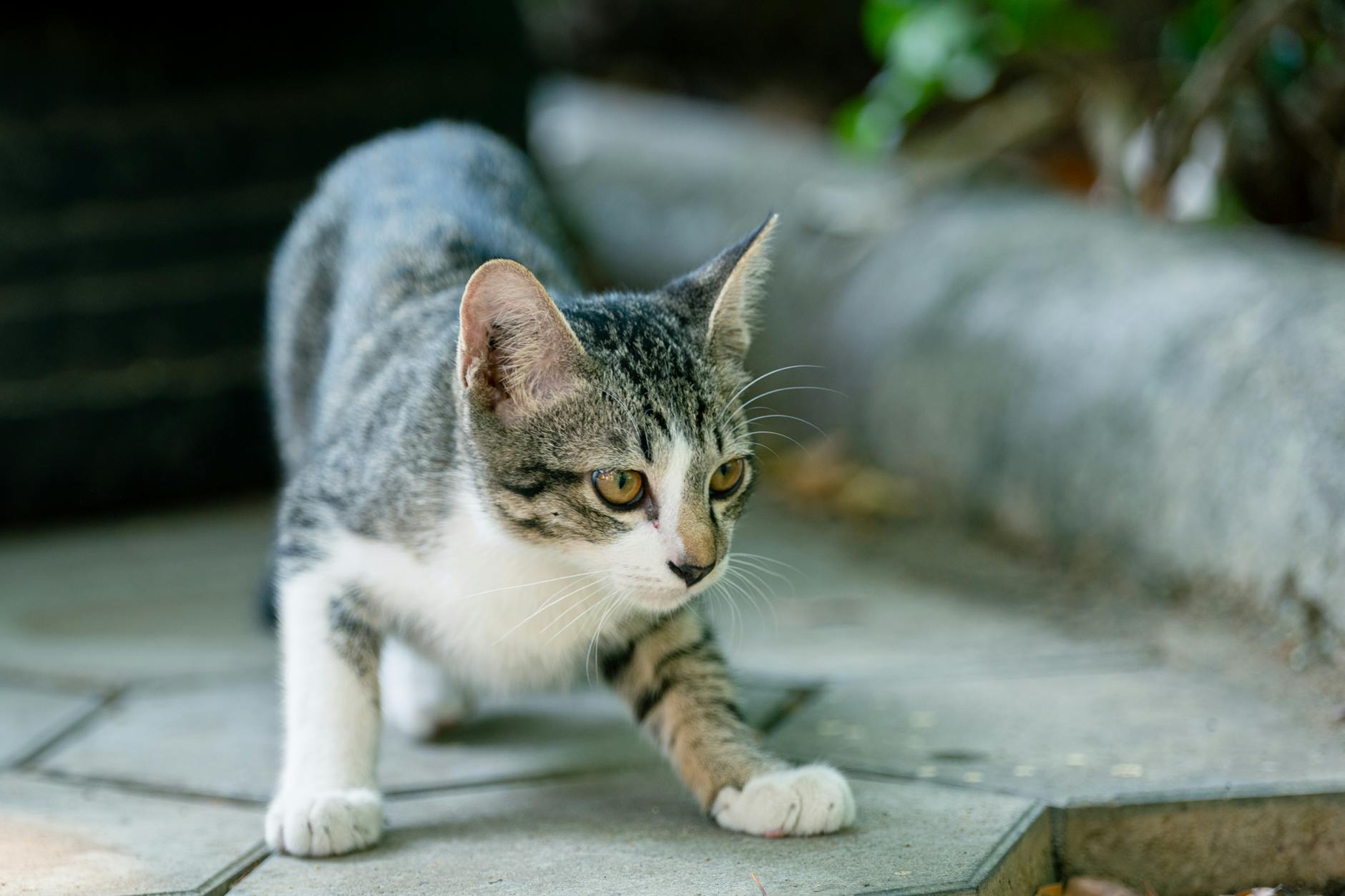
An indoor cat that slips out an open door during winter faces a genuinely dangerous situation. Indoor cats have no experience navigating outdoor hazards, finding shelter, or even knowing where to go to survive. They may hide under a porch or in a bush, shivering and becoming increasingly hypothermic. A real-world example: a family’s indoor tabby cat escaped during a cold snap in January when a guest left the door open. The cat was missing for two days in 25°F weather before a neighbor found it huddled behind a shed, severely hypothermic and suffering from mild frostbite on its ears. Even after recovery, the cat had behavioral changes and was traumatized by the experience.
Prevention is straightforward but requires vigilance. Keep your cat away from doors and windows when they’re being opened. Use baby gates if needed to restrict your cat’s access to entryways. When temperatures are very cold, supervise any outdoor access closely and bring your cat inside quickly. Ensure your cat has a microchip and collar with ID, just in case the worst happens. If your cat does escape into cold weather, contact shelters immediately, post on lost pet websites, and search your neighborhood thoroughly—many escaped cats hide close to home rather than wander far.
Winter Preparation and Year-Round Cold Weather Planning
As winter approaches, think of your indoor environment as a climate you’re actively managing for your cat’s comfort. Begin preparations in fall: have your heating system serviced, identify warm spots in your home that will serve as winter retreats for your cat, and invest in heated beds or blankets if you live in a truly cold climate. These proactive steps mean you’re not scrambling when the temperature drops unexpectedly.
Looking forward, climate patterns are changing, and while some regions are experiencing milder winters, others face increasingly extreme cold events. Your cat’s vulnerability to sudden cold snaps means flexibility in your cat care approach is important—what worked last winter might not be adequate if temperatures drop further than expected. By maintaining a warm home, recognizing cold stress signs, and limiting outdoor exposure in truly cold weather, you’re setting up your cat for safety across whatever winter conditions come.
Conclusion
Cold weather is not safe for cats, particularly outdoor exposure below 45°F and any exposure below freezing. The risks of hypothermia, frostbite, and weakened immunity are real and preventable with basic precautions. Most of these dangers can be completely eliminated by keeping your cat indoors during winter or severely limiting outdoor time to supervised, brief periods in milder conditions.
Start by evaluating your individual cat: age, breed, health status, and whether they go outdoors. Based on these factors, create a winter plan that includes adequate warmth indoors, monitoring for cold stress, and decisions about outdoor access. With awareness and preparation, your cat can stay healthy and comfortable through even the coldest months.