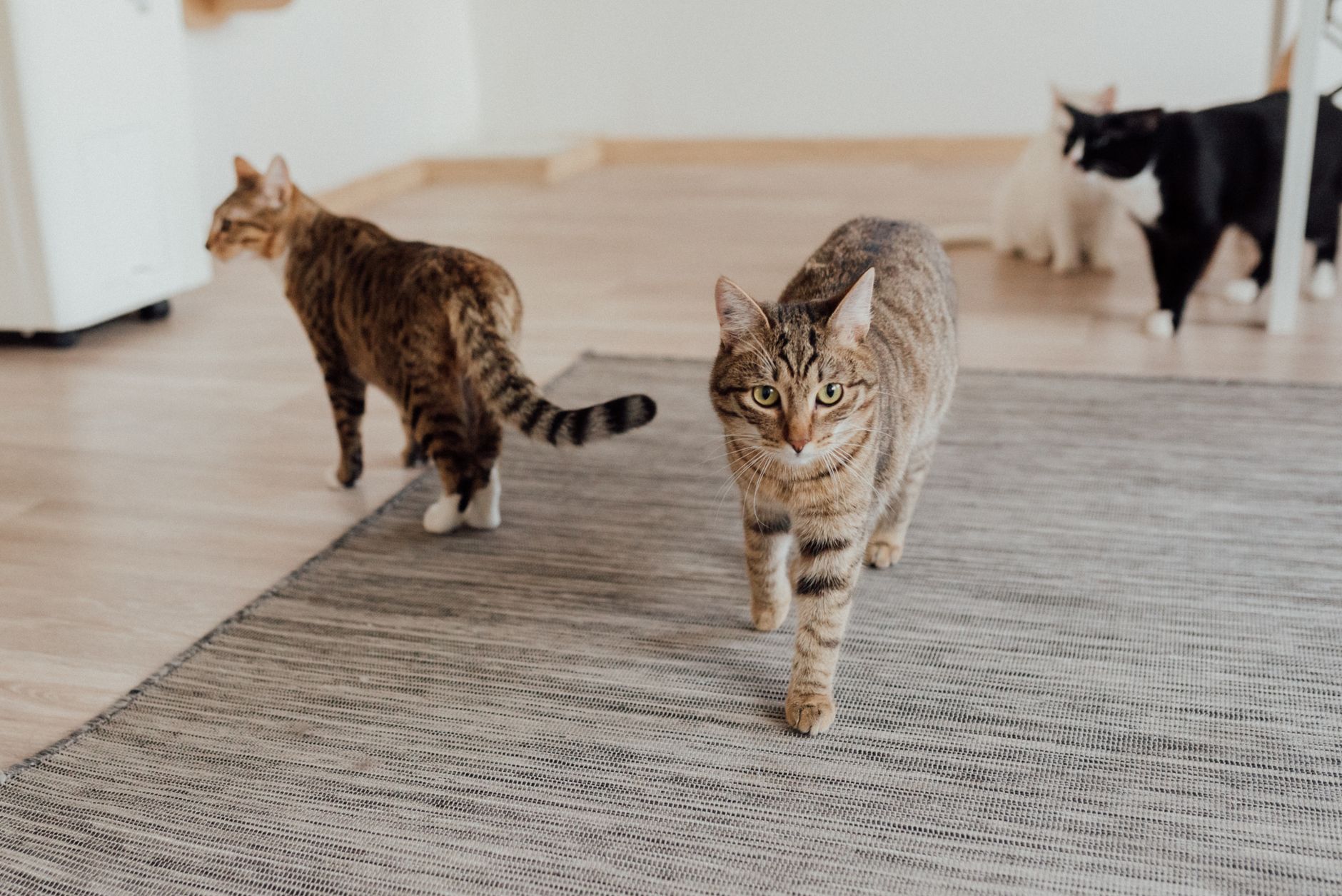
Stress is not safe for cats, especially when it becomes chronic or severe. While all animals experience occasional stress as a natural response to threats or changes, prolonged stress in cats leads to serious health problems including immune system suppression, digestive issues, urinary tract disease, and behavioral problems. A cat living with constant stress—whether from a chaotic household, aggressive pets, or persistent environmental changes—faces real medical consequences that can shorten its lifespan and reduce quality of life.
The distinction matters because a single startling event, like a loud noise or a car ride to the veterinarian, causes acute stress that typically resolves within hours or days. This kind of temporary stress is a normal part of survival. Chronic stress, however—the kind that builds when a cat’s environment is unstable, unpredictable, or threatening for weeks or months—triggers a cascade of physiological changes that damage nearly every system in the body. A cat that is constantly stressed may develop diabetes, high blood pressure, or feline lower urinary tract disease (FLUTD), conditions that require ongoing veterinary management and medication.
Table of Contents
- How Does Chronic Stress Damage a Cat’s Health?
- The Long-Term Consequences of Living in a Stressful Environment
- Behavioral Changes as Signs of Dangerous Stress Levels
- Managing and Reducing Stress in Your Cat’s Environment
- Medical Complications of Untreated Stress in Cats
- Stress in Specific Life Transitions and Circumstances
- Environmental Stressors Beyond the Obvious
How Does Chronic Stress Damage a Cat’s Health?
When a cat experiences ongoing stress, its body continuously releases cortisol and adrenaline, hormones that prepare the animal for fight-or-flight responses. In the short term, these chemicals are protective. Over weeks and months, however, sustained elevated cortisol levels suppress the immune system, making the cat vulnerable to infections, parasites, and viral reactivation. A stressed cat may develop skin conditions, ear infections, or respiratory infections that would not develop in a calm cat with a healthy immune response.
Stress also directly affects the urinary and digestive systems. cats are prone to urinary issues, and stress is a known trigger for feline idiopathic cystitis (FIC), a painful condition of the bladder with no identifiable cause other than stress itself. Affected cats strain to urinate, produce bloody urine, or develop urinary blockages—a medical emergency that can be fatal if not treated promptly. Similarly, stress disrupts digestion and can lead to chronic vomiting, diarrhea, or constipation. A cat living with a newly adopted dog might develop urinary symptoms within days of the introduction, a clear demonstration of how rapidly stress affects the body.
The Long-Term Consequences of Living in a Stressful Environment
Cats subjected to chronic stress are at increased risk of developing or exacerbating diseases like feline diabetes and hypertension. Research shows that stress elevates blood glucose levels and contributes to insulin resistance, laying the foundation for diabetes in susceptible cats. Older cats are particularly vulnerable; a senior cat stressed by environmental changes or household disruption may develop multiple concurrent health issues—diabetes, high blood pressure, and thyroid disease—creating a cascade of medical problems that are difficult and costly to manage. One important limitation to understand is that stress responses vary among individual cats.
A cat with a naturally anxious temperament will experience more severe physiological stress from a given trigger than a naturally calm cat would. Genetics, early socialization, and past experiences all shape how intensely a cat reacts to stressors. Additionally, not every health problem in a stressed cat is caused by the stress itself; a cat may have underlying genetic predispositions that stress simply accelerates or unmasks. This makes it dangerous to assume that eliminating stress will automatically resolve all of a cat’s health issues, though reducing stress will certainly help.
Behavioral Changes as Signs of Dangerous Stress Levels
Chronic stress in cats manifests through behavior that can escalate and create new problems. A stressed cat may hide excessively, refusing to interact with family members or other pets, or conversely, may become aggressive and attack people or other animals without provocation. Some stressed cats over-groom, licking themselves until they develop bald patches and raw skin. Others may spray or eliminate outside the litter box, marking territory as a stress response—a behavior that further stresses the owner and can damage the human-cat relationship.
A specific example illustrates this spiral: a cat placed in a multi-cat household where it is chased by a dominant cat may hide continuously for weeks, becoming more fearful and anxious. The stress triggers urinary issues, prompting a veterinary visit where the cat is further stressed by the car ride and clinic environment. Back home, the cat remains fearful and now associates the house with danger, deepening the stress cycle. Without intervention to separate the cats or create safe spaces, this situation can persist for months or years, with the stressed cat suffering ongoing health consequences.
Managing and Reducing Stress in Your Cat’s Environment
The most effective approach to cat stress is environmental modification—removing or reducing stressors rather than expecting the cat to adapt. This means providing adequate hiding spaces, vertical territory, and separate resources (litter boxes, water, food) for each cat if you have multiple. Cats need predictability and control; a cat that can retreat to a quiet room and avoid unwanted interactions is far less stressed than one constantly exposed to chaos. For practical results, compare the cost of environmental modification against the cost of managing stress-related diseases.
Installing vertical shelving and window perches costs $50–$200, while treating chronic urinary disease or diabetes costs hundreds to thousands annually. A locked bedroom door or baby gate creating a safe zone requires no investment but prevents stress immensely more effectively than medication alone. Medications like gabapentin can help in the short term, but they are not a substitute for addressing the underlying environment. Some cats benefit from synthetic pheromone diffusers like Feliway, which mimic natural calming scents and reduce stress in certain situations, though results are not universal across all cats.
Medical Complications of Untreated Stress in Cats
Chronic stress accelerates the development of feline hyperthyroidism and diabetes, two common conditions in older cats that are exacerbated by elevated stress hormones. A cat with pre-existing kidney disease will experience faster decline in kidney function when subjected to ongoing stress, as the stress response is nephrotoxic (poisonous to the kidneys). Blood pressure elevation caused by stress can contribute to hypertensive crisis, which can cause blindness or stroke in affected cats.
The warning here is that stress-related diseases often appear simultaneously. A cat may present to the veterinarian with a urinary blockage and be found to have elevated blood glucose, requiring immediate treatment of both conditions. Once a cat develops one stress-related disease, the disease itself becomes a source of additional stress and fear—fear of the litter box if it associates box use with pain, fear of the kitchen if it was stressed there, fear of handling due to painful medical procedures. Breaking this cycle requires both medical treatment and behavioral support, and recovery is slow.
Stress in Specific Life Transitions and Circumstances
Kittens and young cats are naturally more resilient to stress than senior cats, but early stressful experiences can create lasting behavioral problems. A kitten separated from its mother too early and placed in a chaotic household may develop anxiety that persists into adulthood, affecting how it responds to stress throughout its life.
Conversely, senior cats are highly vulnerable to stress from changes like moving to a new home, the addition of a new pet, or a change in the owner’s routine. An elderly cat that has lived in the same house for ten years and then moved due to the owner’s circumstances will often experience severe stress, sometimes refusing to eat or use the litter box for days.
Environmental Stressors Beyond the Obvious
Less obvious stressors include loud noises, unfamiliar scents, changes in routine, inconsistent feeding schedules, and even changes in the physical layout of the home. A cat may become stressed when furniture is rearranged, when a new person moves in, when the owner begins working a different shift, or when household appliances like vacuum cleaners are run regularly.
Some cats are stress-sensitive to olfactory triggers—the smell of a new cleaning product, a scented candle, or even a guest’s perfume can trigger a stress response. A cat accustomed to free outdoor access that is suddenly transitioned to indoor-only living will experience acute and then chronic stress from the loss of environmental control, requiring gradual adjustment with environmental enrichment to prevent behavioral and medical problems.