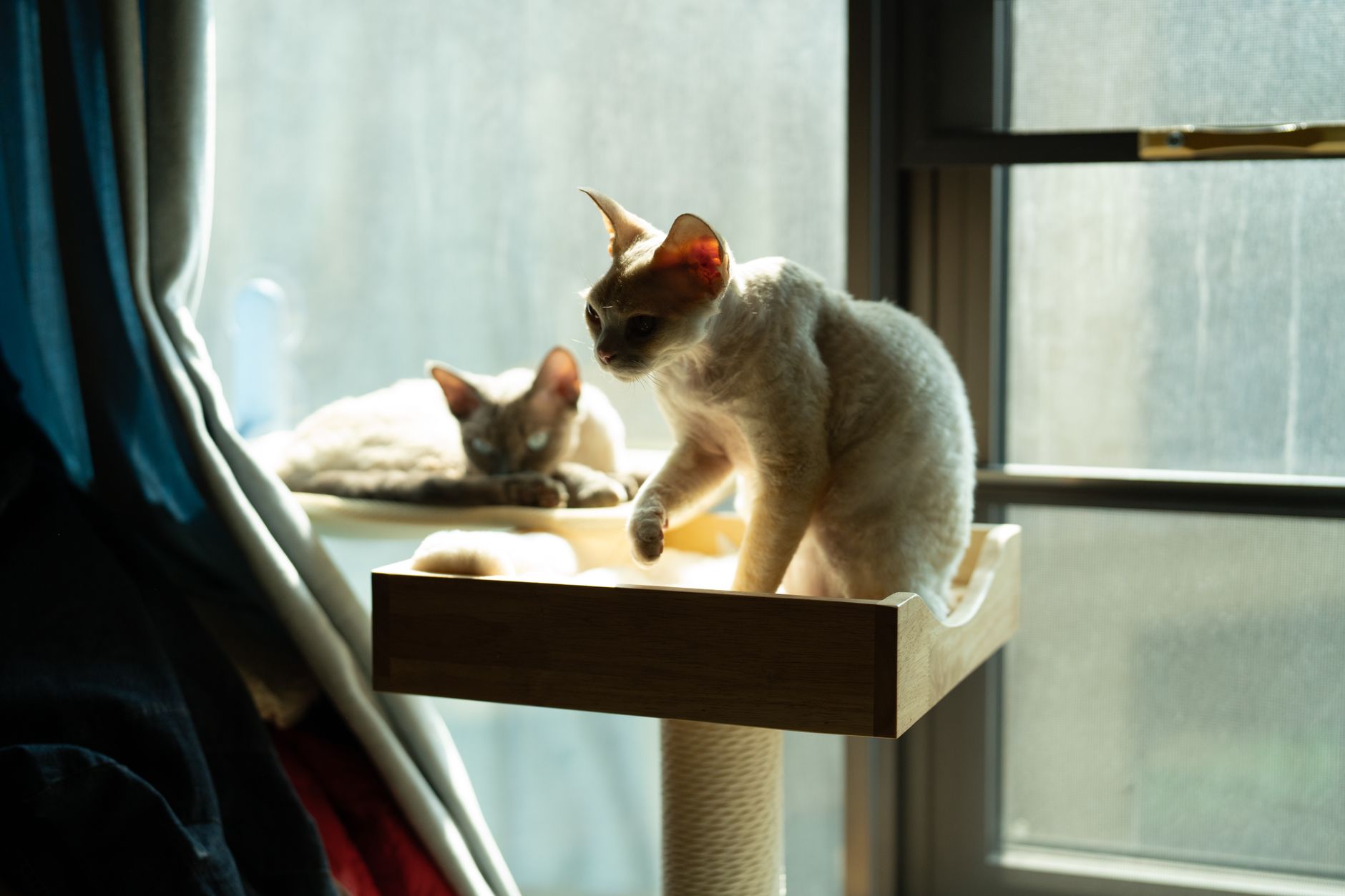
No, it is not safe for cats to stay awake all night on a regular basis. Cats require 12 to 16 hours of sleep per day to maintain physical health, cognitive function, and emotional stability. When a cat remains awake for an entire night consistently, it disrupts their natural circadian rhythm and depletes their body’s ability to regulate stress hormones, immune function, and metabolic processes.
A cat that stays up all night occasionally due to environmental disruption will recover with extended rest the next day, but chronic sleep deprivation creates genuine health risks. The danger increases if wakefulness is forced or caused by anxiety, pain, or illness. For example, an indoor cat that is suddenly kept awake all night through excessive play or stimulation may become hyperactive, aggressive, or withdrawn within 24 to 48 hours. Unlike humans, cats cannot voluntarily override their sleep debt through willpower—their body will eventually shut down into sleep whether or not they choose to.
Table of Contents
- What Happens to Cats When They Don’t Get Enough Sleep?
- Health Consequences of Chronic Sleep Deprivation in Cats
- How Cat Sleep Patterns Differ from Human Sleep
- Practical Steps to Ensure Your Cat Gets Proper Sleep
- Behavioral Problems That Result from Sleep Deprivation
- The Difference Between Night Activity and All-Night Wakefulness
- Medical Causes of Nighttime Wakefulness That Prevent Sleep
What Happens to Cats When They Don’t Get Enough Sleep?
Sleep deprivation in cats triggers a cascade of physiological stress responses. During sleep, a cat’s brain consolidates memories, repairs tissue, and regulates cortisol and other hormones that control mood and immunity. Without adequate sleep, cortisol levels remain elevated, which compromises the immune system and makes the cat more vulnerable to infection and illness. A sleep-deprived cat is also more prone to making mistakes in judgment and coordination, similar to how a sleep-deprived human becomes clumsy and impulsive.
Behavioral changes appear within the first 24 hours of sleep disruption. The cat may become unusually vocal, exhibiting excessive meowing or yowling. Some cats become hyperactive and engage in destructive play or excessive grooming. Others withdraw entirely, refusing food or interaction. These changes are not personality quirks—they are signs of neurological stress.
Health Consequences of Chronic Sleep Deprivation in Cats
Extended wakefulness accelerates aging at the cellular level and increases inflammation throughout the body. Research on mammals shows that chronic sleep loss impairs glucose metabolism, which can contribute to weight gain and increase the risk of diabetes. In cats, this risk is particularly serious because feline diabetes is already prevalent in indoor, sedentary populations. A cat that loses sleep regularly may develop insulin resistance faster than a well-rested cat.
One important limitation to understand: a single all-nighter will not permanently damage a cat. However, repeated or prolonged sleep deprivation (nights of wakefulness occurring several times per week or more) compounds the damage. A cat kept awake for one night will sleep heavily the following day and fully recover. A cat subjected to interrupted sleep night after night will not recover, and health deterioration will become noticeable within weeks—dull coat, weight loss or gain, and increased susceptibility to upper respiratory infections are common warning signs.
How Cat Sleep Patterns Differ from Human Sleep
Cats are polyphasic sleepers, meaning they sleep multiple times throughout the day and night rather than in one long consolidated period like humans. A typical cat sleeps in short bursts of 15 to 30 minutes, interspersed with periods of wakefulness. This pattern evolved because wildcats must remain alert to threats while also conserving energy for hunting. The polyphasic pattern means that a cat staying “awake” for a full 24 hours is actually more taxing than it would be for a human, because the cat is fighting against a deeply ingrained biological need to nap frequently.
Additionally, cats sleep differently during the day and night. Daytime sleep is often lighter, consisting of what researchers call “resting alertness” where the cat’s eyes may be closed but the ears remain mobile and ready to detect sounds. Nighttime sleep is typically deeper, with more of the restorative REM sleep that consolidates memories and supports emotional regulation. If a cat is forced to stay active during its natural sleep window (which varies by individual cat, but often includes late afternoon and early morning hours), it misses the specific restorative sleep stage that it needs most.
Practical Steps to Ensure Your Cat Gets Proper Sleep
Creating an environment that supports natural sleep requires attention to light, noise, and activity timing. Cats sleep more deeply in dim, quiet spaces away from household activity. Providing a dedicated sleeping area—a cat bed, window perch, or covered hideaway—gives the cat a signal that rest is available and safe. The placement matters: a cat bed in a central, noisy living room will not be used as effectively as one in a quieter bedroom or closet.
Scheduling play and feeding times around your cat’s natural sleep rhythm also improves sleep quality. Many cats are most active at dawn and dusk, so engaging your cat in vigorous play during these windows can satisfy their activity needs and promote deeper sleep during the hours you need them to rest. Avoid overstimulating your cat in the hours before your own bedtime if you need the cat to rest at night. The comparison is useful here: just as a human who drinks caffeine late in the day cannot sleep easily, a cat who is played with intensively at 10 PM will remain activated and restless until well past midnight.
Behavioral Problems That Result from Sleep Deprivation
Cats denied adequate sleep often develop behaviors that escalate into behavioral disorders. A sleep-deprived cat may begin excessive scratching or destructive clawing, which appears to be a way of releasing nervous energy and stress. Some cats develop psychogenic alopecia—obsessive licking that causes hair loss—when chronically sleep-deprived. These behaviors are often misdiagnosed as medical issues or personality problems, when the underlying cause is simply exhaustion.
One critical warning: never assume that your cat’s hyperactivity or “zoomies” (sudden bursts of running and play) mean that the cat has excess energy that needs burning. Paradoxically, overtired cats often become hyperactive. Just as an overtired human becomes irritable and jittery, an overtired cat becomes manic and unpredictable. Attempting to tire out an already sleep-deprived cat by increasing playtime will actually worsen the behavior, not improve it. The correct response is to reduce stimulation, provide a quiet rest space, and allow sleep to occur naturally.
The Difference Between Night Activity and All-Night Wakefulness
It is completely normal for cats to be active at night. Many cats are crepuscular, meaning they are naturally more alert and active during twilight hours (dawn and dusk). Some cats have strong nocturnal tendencies and prefer hunting and playing during nighttime hours. This is not a problem that needs to be corrected, provided the cat is also sleeping during other parts of the 24-hour cycle.
A cat that hunts and plays actively from midnight to 3 AM but then sleeps from 4 AM to noon is getting adequate rest and cycling normally. The distinction between normal night activity and problematic all-night wakefulness is whether the cat is sleeping at all. If a cat is never still, never quiet, and never appears to be resting—if it is demanding attention, running frantically, or meowing throughout the entire night and throughout the day—then the cat is not getting sleep and needs intervention. The threshold is continuous activity: a cat that has active periods and rest periods is fine, even if the schedule seems inconvenient to the owner.
Medical Causes of Nighttime Wakefulness That Prevent Sleep
Some cats stay awake at night not because of behavioral reasons but because of pain, hyperthyroidism, cognitive dysfunction, or other medical conditions. Older cats, particularly those over 10 years old, often experience disrupted sleep due to arthritis, kidney disease, or urinary issues that cause nighttime discomfort. A cat that suddenly changes its sleep pattern—becoming restless, unable to settle, or vocally distressed at night—should be evaluated by a veterinarian to rule out underlying health problems.
Hyperthyroidism, which is common in older cats, increases metabolic rate and causes the cat to feel jittery and unable to rest. Urinary tract infections or kidney disease cause discomfort that prevents deep sleep. Cognitive dysfunction in very elderly cats can disrupt the normal sleep-wake cycle entirely, leaving the cat confused about when and where to sleep. If your cat has recently begun staying awake all night when it previously slept normally, a veterinary visit is warranted before attempting behavioral modification.