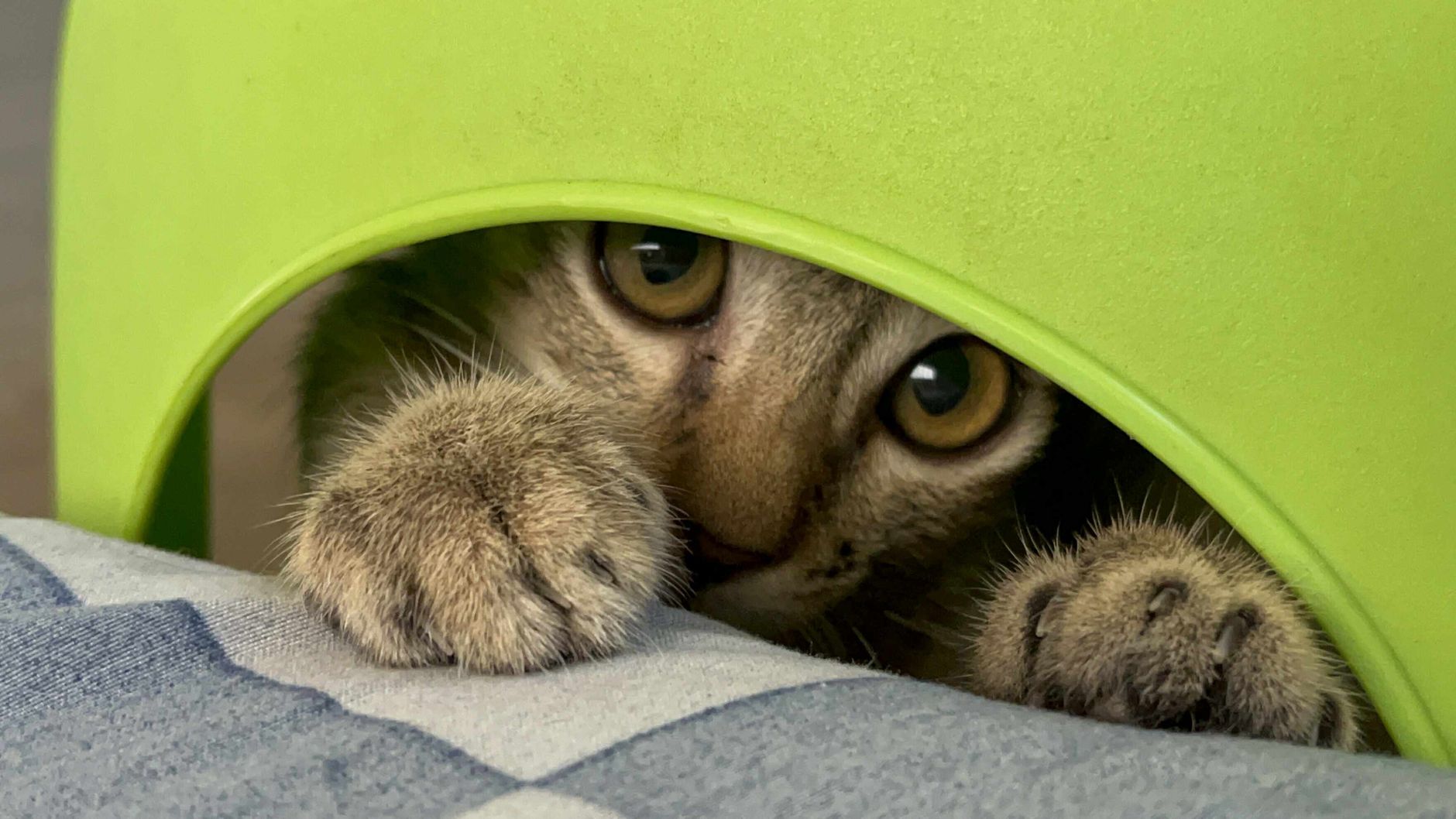
Yes, cats and babies can safely coexist in the same home when you follow basic hygiene and supervision protocols. The common fear that cats pose an inherent danger to newborns is largely unfounded—the actual medical risks are manageable and significantly lower than many parents assume. For example, a household that maintains current cat vaccinations, keeps the litter box scoped twice daily, and never allows unsupervised interaction between cat and infant can expect the same level of health and safety as households without pets.
The key is understanding which risks are real and which are myths. Infection from cat bites or scratches is a genuine concern because 30-50% of cat bites become infected, and approximately 400,000 cat bites are reported annually in the U.S.—but this only becomes a problem if bites or scratches occur, which is entirely preventable through supervision. Toxoplasmosis, by contrast, is not transmitted through petting or normal contact with cats; it requires contact with infected feces or contaminated food, making it a risk primarily during pregnancy, not after birth.
Table of Contents
- What Infection Risks Do Cats Actually Pose to Newborns?
- The Toxoplasmosis Myth: Why Direct Contact With Your Cat Isn’t the Risk
- Preparing Your Home and Cat Before the Baby Arrives
- Establishing Supervision and Interaction Rules That Actually Work
- Addressing Real Dangers Versus Common Myths
- Litter Box Management and Daily Hygiene Practices
- How Cat-Baby Relationships Develop Over Time
What Infection Risks Do Cats Actually Pose to Newborns?
Cat bites and scratches carry genuine infection potential: 20-80% of cat bites and scratches have infection potential, and roughly 30-50% of cat bites that break skin actually become infected. Young kittens under one year old pose a higher scratch risk than adult cats because they play more roughly and have less bite inhibition. However, this risk is not automatic—it only materializes if the cat bites or scratches the baby, which is entirely avoidable with supervision and proper handling.
The more common concern is cat scratch disease (bartonellosis), which is transmitted through scratches and can cause fever, swollen lymph nodes, and fatigue in infected individuals. This disease is more common in young kittens, particularly those under one year old, and more common in people who are immunocompromised. A healthy baby whose skin is not broken by cat scratches cannot contract cat scratch disease. The limitation here is that it takes only one unsupervised moment for a scratch to occur, which is why constant supervision during the first months is essential, not optional.
The Toxoplasmosis Myth: Why Direct Contact With Your Cat Isn’t the Risk
Toxoplasmosis is frequently cited as a reason cats and babies cannot coexist, but this understanding misses the actual transmission route. Toxoplasma infection occurs through eating contaminated food or accidentally ingesting infected cat feces—not through petting, playing with, or being in the same room as a cat. A person can pet an infected cat every day without contracting toxoplasmosis.
Pregnant women are advised to avoid changing litter boxes not because cats are dangerous, but because litter boxes contain concentrated feces where the parasite can accumulate. If a pregnant woman does become infected with toxoplasmosis, the transmission rate to the baby is only 10-15%, and most babies born with congenital toxoplasmosis have no symptoms or complications. This contrasts sharply with the widespread belief that toxoplasmosis in pregnancy guarantees a damaged baby. For this reason, toxoplasmosis is primarily a concern during pregnancy, not after birth—once the baby is born, normal cat contact poses no direct risk because the infection route (accidental feces ingestion) is something parents already manage by teaching children not to eat dirt, unwashed food, or litter box contents.
Preparing Your Home and Cat Before the Baby Arrives
The safest approach begins weeks before the baby comes home. Start by keeping your cat’s preventative care current: up-to-date vaccinations, regular flea and tick prevention, and routine veterinary checkups ensure your cat is in the best health to coexist with an infant. Many veterinarians recommend scheduling a pre-baby checkup to identify any existing health issues and discuss parasite prevention with your vet. Physically prepare your space by establishing a cat-free zone.
The American Academy of Pediatrics recommends keeping the nursery door closed and preventing cats from accessing the baby’s crib or sleep surface. This serves two protective purposes: it prevents the cat from sleeping directly on the baby (which can pose a suffocation risk, not because of the cat’s intent but because of the weight and positioning), and it gives the baby a dedicated safe space. Many cats naturally gravitate toward warm sleeping spaces, and a crib is extremely attractive to them. Closing the nursery door is simpler and less anxiety-inducing than trying to train a cat to avoid the crib once the baby is home.
Establishing Supervision and Interaction Rules That Actually Work
Once the baby is home, never leave your cat and baby alone together unsupervised. This rule applies from day one and continues throughout infancy and early childhood, even as the baby grows. Supervision means an adult is actively watching both animals, not simply present in the room—the adult should be able to intervene immediately if the cat exhibits stress signals or if the baby makes sudden movements that startle the cat. When introductions do occur, keep them brief and controlled.
The CDC recommends preventing face licking and avoiding situations where the cat’s claws or teeth can access the baby’s skin or mucous membranes. A practical comparison: if you wouldn’t leave your cat unsupervised with a fragile bird or small animal, don’t leave it unsupervised with a baby. Cats have predatory instincts and can injure through normal play-hunting behavior, not malice. Most successful households establish clear boundaries—the cat can be in the same room while the baby naps or plays, but interactions are guided and monitored by an adult.
Addressing Real Dangers Versus Common Myths
One genuine risk that often goes unmentioned is allergic sensitization. Babies can develop cat allergies at any age, and early exposure does not prevent allergies—it can actually increase the likelihood of developing them, particularly if there is a family history of allergies or asthma. If your family has a history of cat allergies, consult your pediatrician before introducing a cat to a newborn.
The “cat stealing breath” myth is unfounded, but the suffocation risk from a cat resting on a baby’s face is real. A cat sleeping on the baby’s chest or face could restrict breathing through body weight and position, not through any malicious intent. This is prevented by the simple rule of keeping the cat out of the crib and never allowing the cat to sleep directly on the baby. The limitation of supervision-based safety is that it requires consistent vigilance—a tired parent who falls asleep while supervising, or a child who wanders into an unsecured room, can create the very risk that supervision is meant to prevent.
Litter Box Management and Daily Hygiene Practices
Maintaining the litter box properly is one of the most important daily practices when a cat and baby share a home, but not for the reason most people think. Scoop the litter box at least twice daily to reduce the buildup of feces and to remove any parasites before they have time to sporulate and become infectious. This practice primarily protects adults and older children who might accidentally contact contaminated litter, not the baby directly.
Keep the litter box in a location the baby cannot access—a closed bathroom, a room with a baby gate, or a high shelf (for boxes designed to hang). As the child grows and begins crawling and exploring, the litter box becomes a real hazard because curious infants will touch anything and then put their hands in their mouths. A one-year-old in a litter box is far more dangerous than a newborn sharing a room with a cat.
How Cat-Baby Relationships Develop Over Time
Many cats and babies who are properly introduced develop close bonds that last throughout childhood. Some cats become protective of infants, while others simply ignore them. The relationship depends heavily on the cat’s individual temperament, the cat’s previous exposure to children, and the consistency of supervision and boundaries throughout the baby’s first years. As the child grows into a toddler and then a preschooler, the risk profile actually changes.
A newborn cannot move away from a cat, but a mobile toddler can initiate rough play, chase the cat, and pull ears or tails—behavior that might trigger a defensive response. This is when teaching the child to respect the cat’s boundaries becomes essential, and when continuing supervision becomes about protecting the cat from the child, not the child from the cat. Households where cats and children coexist successfully are those where parents enforce consistent boundaries: the cat has safe spaces where the child is never allowed, the child is taught not to grab or trap the cat, and the cat is never forced into interaction. With these practices in place, the data shows that cat-owning households with children are not at elevated health risk compared to child-only households.
- —