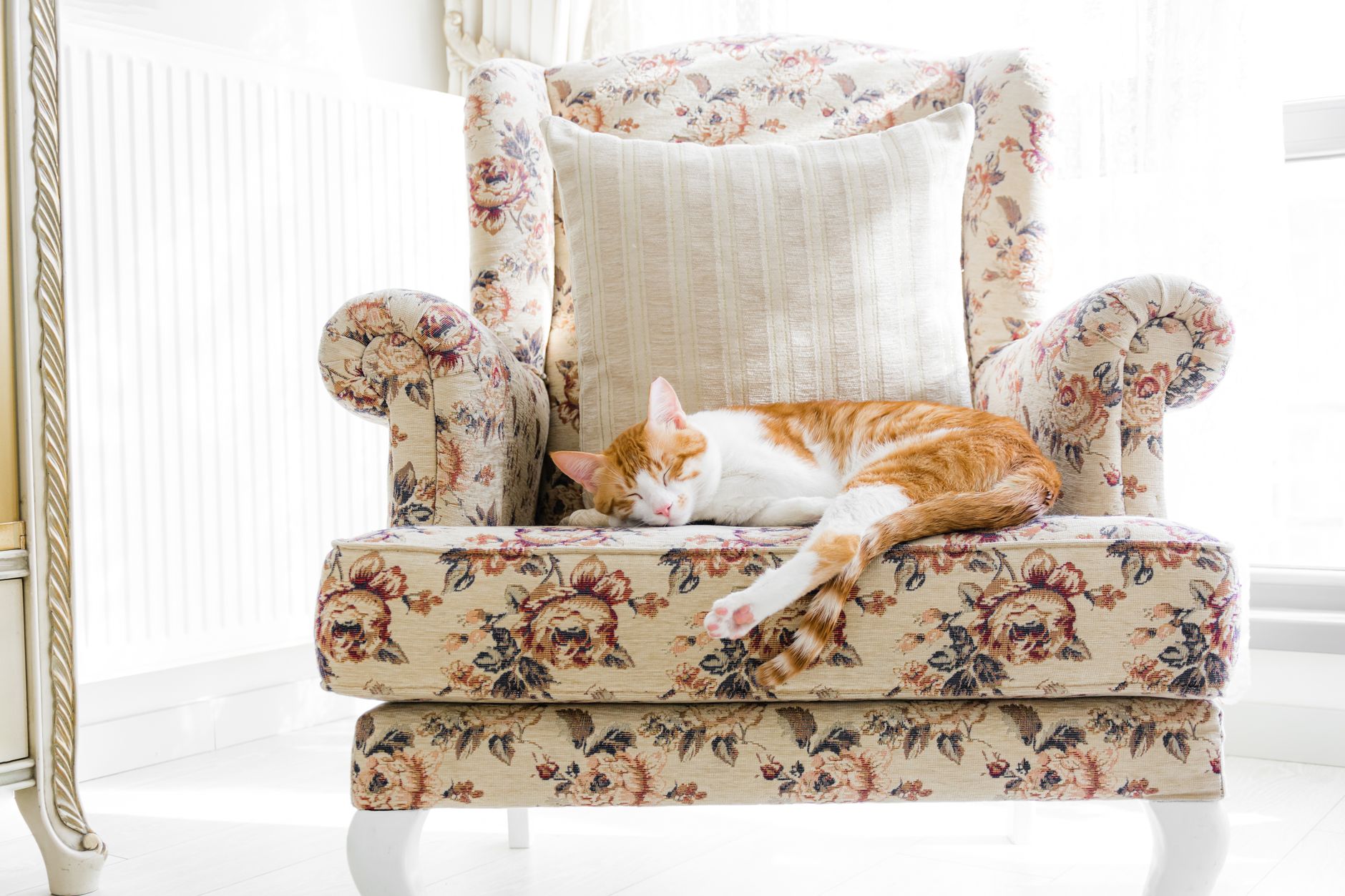
Finding furniture-style cat scratchers on Amazon that complement your home décor is possible, but it requires searching with specific terms and filtering by material, color, and design style rather than browsing generic “cat scratcher” results. The key is understanding that furniture-style scratchers—pieces designed to look like legitimate home furnishings rather than obvious cat furniture—use different naming conventions and appeal to different product categories than traditional towers and posts. A typical search might start with terms like “cat scratcher sofa,” “upholstered cat tree,” or “mid-century cat furniture,” which surfaces results that manufacturers market specifically as décor-matching pieces.
The challenge lies in distinguishing between true furniture-style scratchers and items merely labeled as such. Many products fall somewhere on a spectrum: some are genuine pieces of furniture modified with scratch surfaces, while others are cat trees superficially designed to look more upscale. Amazon’s massive inventory means you’ll find everything from inexpensive knockoffs to genuinely well-constructed pieces, but the sorting and filtering tools work against you unless you know what specifications to search for. Your success depends partly on reading detailed product photos, examining materials closely, and cross-referencing customer photos to see how pieces actually look in living spaces—not just in marketing images.
Table of Contents
- What Search Terms Actually Find Furniture-Style Cat Scratchers on Amazon?
- Evaluating Materials and Durability in Furniture-Style Scratchers
- Matching Color and Style to Your Existing Décor
- Assessing Size, Scale, and Spatial Requirements
- Durability Concerns and Common Failure Points
- Scratching Surface Quality and Placement
- Shipping, Assembly, and Return Policies
What Search Terms Actually Find Furniture-Style Cat Scratchers on Amazon?
Standard searches for “cat tree” or “cat scratcher” will return mostly traditional towers with exposed particle board and carpet covering. To find furniture-style alternatives, you need to think like manufacturers think about these products. Search terms like “cat sofa,” “cat couch,” “cat bench,” “decorative cat furniture,” “modern cat furniture,” or “luxury cat furniture” cast a wider net toward pieces designed with aesthetics in mind. Some people find success searching by material, such as “upholstered cat furniture” or “wooden cat scratcher,” because furniture-style pieces often emphasize premium materials rather than standard particle board wrapped in sisal rope.
Location-based searches can also help narrow results. Searching for “mid-century cat furniture” or “farmhouse cat scratcher” targets pieces designed to fit specific interior design styles. Amazon’s filters become more useful once you have a baseline of products to browse: you can sort by price range, customer reviews, and color to see variations within each style category. However, many genuinely stylish cat scratchers won’t appear in category-specific searches at all, so combining multiple search angles—material, style, shape, and color—helps surface options that fit your needs.
Evaluating Materials and Durability in Furniture-Style Scratchers
Furniture-style cat scratchers use materials that look more refined than standard cat furniture but often sacrifice durability or scratch resistance in the process. Upholstered pieces might use linen, cotton blends, or faux leather, which look beautiful but can show claw marks and wear more visibly than commercial sisal or carpet. A linen-covered sofa-style scratcher may look stunning in product photos but might show scratches within weeks of daily use by an active cat. Reading customer reviews specifically for photos and comments about durability is critical—look for reviews from owners with multiple cats or particularly active scratchers, as their experiences better reflect real-world wear.
Wood-based furniture-style scratchers present their own tradeoffs. Solid wood pieces are genuinely attractive and often more stable than particle board alternatives, but they’re also heavier, more expensive, and take up similar floor space as traditional cat furniture. Some wooden scratchers use rope or burlap wrapping on certain edges while leaving wood exposed, which can lead to splinters or splintering if not finished properly. Check product descriptions carefully for wood type, finish details, and whether the finish is pet-safe—some varnishes or stains can be concerning around animals that chew or groom their paws frequently.
Matching Color and Style to Your Existing Décor
Finding a furniture-style scratcher that actually coordinates with your home requires being intentional about color and aesthetic choices. If your living room features warm wood tones, mid-century lines, and neutral upholstery, a sleek wooden cat furniture piece in walnut or oak finish with minimal fabric covering will integrate naturally. Conversely, a bright geometric patterned scratcher, while stylish in isolation, might look jarring if your overall palette is monochromatic grays and whites. Many furniture-style scratchers come in neutral colors—cream, gray, charcoal, natural wood—because manufacturers assume broader appeal, but this also means fewer options if you need something bolder.
Amazon’s filtering by color helps, but product photography inconsistencies mean the cream cushion on your screen might photograph warmer or cooler than it appears in person. Checking multiple customer photos, particularly those taken in natural light in actual homes, gives you a much better sense of how a color will read in your space. One practical approach is to search for scratchers in colors you already have represented in nearby furniture or textiles, increasing the likelihood of visual cohesion. Some customers find success photographing their room and comparing the scratcher’s color to existing pieces before ordering.
Assessing Size, Scale, and Spatial Requirements
Furniture-style cat scratchers often have deceiving dimensions because they look more compact in product photos than they actually are. A “stylish cat sofa” might measure 30 inches wide by 20 inches deep, which is actually substantial furniture that competes for floor space in a modest living room. Before ordering, measure the intended placement area carefully and compare it to the product dimensions—checking the reviews for customer photos showing the piece in real rooms is far more helpful than the scaled photos used in listings. Some people discover too late that a furniture-style piece that looked perfect online overwhelms their space once delivered.
The height of furniture-style scratchers varies considerably, which affects both aesthetics and functionality. A low-profile sofa-style scratcher might look more integrated into your room but may not provide the elevated perching cats prefer. Taller pieces, like upholstered cat trees disguised as decorative furniture, take up more visual weight and can feel out of proportion in smaller rooms. Consider your cat’s age and mobility too: older cats or those with joint issues need accessible scratch surfaces at varied heights, which some purely decorative furniture-style pieces don’t adequately provide.
Durability Concerns and Common Failure Points
Furniture-style cat scratchers frequently fail in ways that standard cat furniture doesn’t because they prioritize appearance over reinforcement. Seams on upholstered pieces are vulnerable: a cat that focuses scratching efforts on a corner or seam can separate the fabric from the frame within weeks, creating an irreparable tear. Legs and joints represent another common failure point, especially on wooden pieces designed to look like actual furniture but not engineered with the same structural redundancy as purpose-built cat furniture. A wooden scratcher with decorative legs connected to the frame at stress points might wobble or develop movement where wood and hardware meet after months of cat jumping and climbing.
Many furniture-style scratchers lack the internal bracing and support systems that keep traditional cat furniture stable under repeated stress. When a cat launches themselves onto a piece expecting solid support, poorly engineered furniture-style pieces can shift, squeak, or develop gaps between components. Before purchasing, examine the product description and customer photos for visible support structures, hardware, and bracing. If reviews mention movement, noise, or instability after a few months, those are red flags that the piece prioritizes looks over the rigorous construction cats actually demand. Warranty and return policies become especially important with furniture-style scratchers because the risk of unsatisfactory durability is higher.
Scratching Surface Quality and Placement
The actual scratching surfaces on furniture-style pieces are often the least developed aspect of the design. A linen or cotton cover looks good but may not provide satisfying scratch feedback for cats accustomed to sisal, jute, or carpet textures. Some furniture-style scratchers hide scratching surfaces in inconvenient places—perhaps only on the sides or at awkward angles—meaning your cat might ignore them in favor of scratching your regular furniture instead.
The most functional furniture-style scratchers integrate visible, accessible scratching surfaces on multiple planes and angles, not as an afterthought hidden on the back or bottom. Reading reviews from customers with cats that actually use the scratcher is vital here. Comments like “my cat loves it” are meaningless; comments detailing which surfaces the cat uses and how frequently tell you whether the piece actually satisfies scratching needs. Some cats will reject a piece entirely if the scratching surface doesn’t meet their preferences, making the entire furniture-style investment wasted.
Shipping, Assembly, and Return Policies
Furniture-style cat scratchers often arrive partially assembled or disassembled due to their size and weight, which affects the ease of getting them into your home and putting them together. Some Amazon listings don’t clearly specify assembly requirements, leaving you to discover once delivery arrives that you’re faced with hours of bolting wood pieces together or stretching fabric covers over frames.
Check the reviews for specific comments about assembly difficulty and time required—if multiple customers mention spending two hours or more assembling a piece, that’s useful information for your decision-making. Return policies matter more with furniture-style scratchers because they’re higher-priced, more space-consuming items that might not work in your home despite looking right in photos. Verify whether Amazon’s standard return window applies and whether the seller covers return shipping for oversized items—some do, some don’t, and the cost difference can be substantial on a 40-pound piece of furniture.