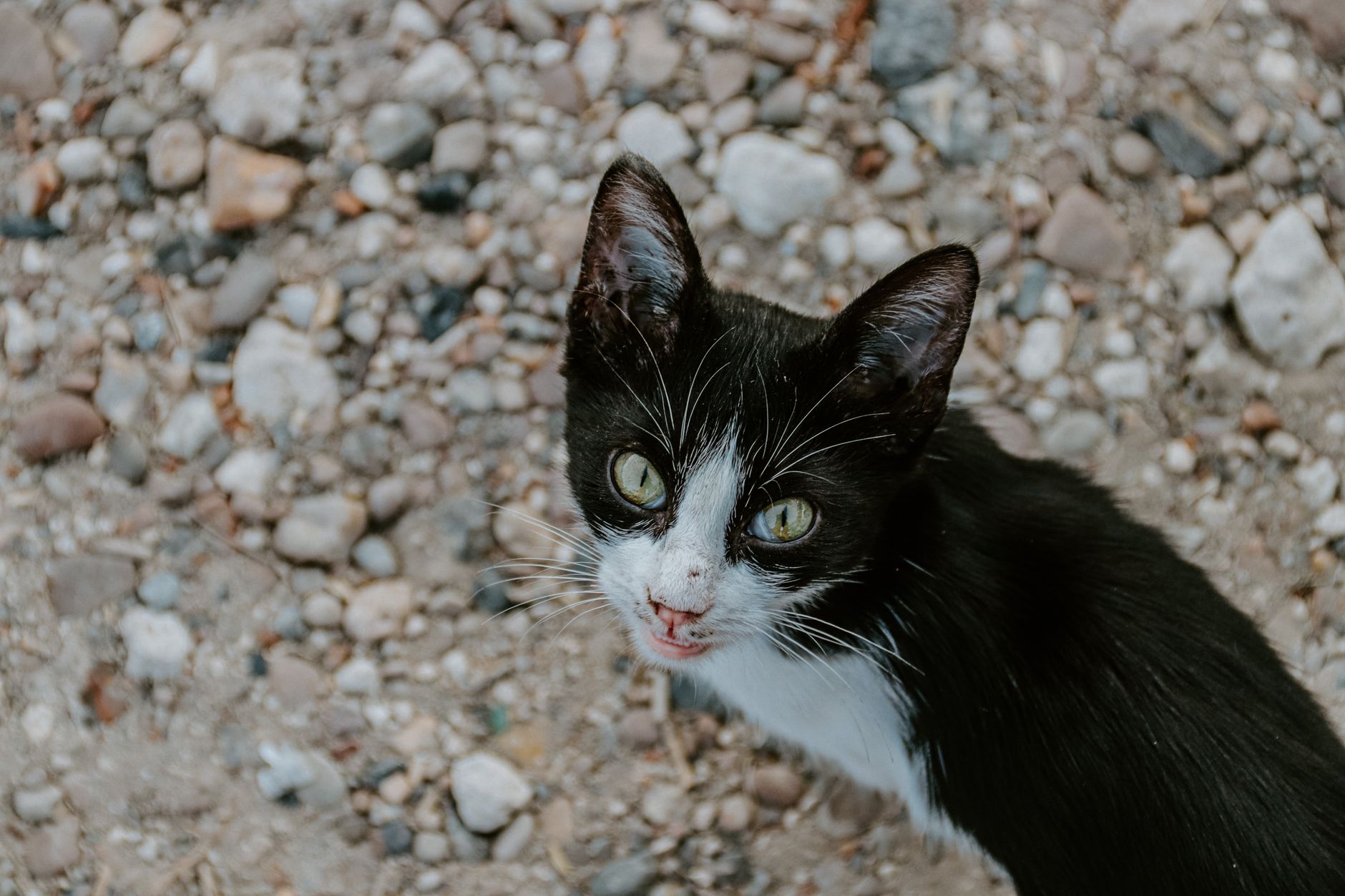
A small black and white shelter cat can absolutely thrive in a home with two giant Great Pyrenees dogs, despite the dramatic size difference that might suggest otherwise. The key lies not in the physical disparity between a seven-pound cat and two-hundred-pound livestock guardian dogs, but rather in the Pyrenees’ naturally calm temperament, the cat’s adaptability as a rescue animal, and thoughtful introduction techniques. A real example of this dynamic in action is when shelter staff place a reserved black and white kitten with established Pyrenees dogs whose owners have demonstrated patience with multi-species households—these cats often become the most confident animals in the home within weeks.
The success of such arrangements depends heavily on the individual personalities involved and the preparation work done before the cat arrives. Great Pyrenees were bred to guard livestock independently, not to chase prey, which fundamentally changes how they interact with smaller animals compared to hunting-focused breeds. When a shelter cat—already accustomed to uncertainty and adaptability from life in a rescue environment—enters this stable, low-prey-drive household, it gains access to a calm, predictable living situation that many shelter animals desperately need.
Table of Contents
- Can Small Shelter Cats Live Safely With Giant Dogs?
- How Shelter Cats Adapt to Multi-Dog Households
- Great Pyrenees Temperament and Feline Companionship
- Strategic Introduction Methods for Cats and Large Dogs
- Managing Behavioral Challenges Between Shelter Cats and Large Dogs
- Nutrition, Litter Management, and Health Monitoring
- Personality Compatibility as the True Predictor
Can Small Shelter Cats Live Safely With Giant Dogs?
Yes, small shelter cats can live safely with giant dogs when specific conditions are met, though the size difference initially feels counterintuitive. The safety question hinges on prey drive, not body weight. Great Pyrenees have extremely low prey drive by design—they evolved to spend entire nights standing guard over flocks of sheep without harming them. This differs fundamentally from terriers, huskies, or retrievers, which have strong instincts to chase moving objects. A small black and white cat moving rapidly through a room triggers a strong chase response in many breeds, but often only mild interest in a Pyrenees.
The adjustment period for a shelter cat moving into this environment typically lasts two to four weeks. During this time, the cat learns to read the dogs’ body language and discovers which spaces feel safe. A crucial limitation here is that this safety depends entirely on the individual dogs’ temperament and prior exposure to cats. Even within the Pyrenees breed, a dog raised with cats from puppyhood will accept a new feline housemate far more reliably than an adult Pyrenees meeting a cat for the first time. Shelter staff should screen for this history before placement, asking specific questions about any previous cat exposure rather than assuming breed characteristics alone guarantee compatibility.
How Shelter Cats Adapt to Multi-Dog Households
shelter cats often adapt more readily to new multi-pet environments than people expect, primarily because life in a rescue setting has already taught them flexibility and survival instincts. A cat that survived months in a shelter, navigating unfamiliar humans, unpredictable schedules, and constant sensory stimulation, approaches a new home with established coping mechanisms. When introduced to two giant dogs in a controlled manner, that same cat can transfer its adaptation skills to reading dog behavior and establishing territorial boundaries. However, early months matter tremendously. The cat needs vertical escape routes—tall cat trees, wall-mounted shelves, or cat highways mounted near the ceiling—before the Pyrenees even arrive.
Without these, a frightened cat has nowhere to go if a dog approaches too enthusiastically, which can create learned fear that damages the relationship permanently. Additionally, the cat requires its own resources: a litter box, food bowl, and sleeping area positioned away from the dogs’ frequent paths. Many rescue cats demonstrate stress behaviors—excessive grooming, marking, or hiding—for the first month. This is normal and usually resolves as the cat learns the dogs are genuinely uninterested in harming it. A warning sign is escalating aggression from the cat after three weeks; this may indicate the cat never feels safe and might require separation or rehoming.
Great Pyrenees Temperament and Feline Companionship
Great Pyrenees possess a distinctive temperament profile that makes them unusually suitable for homes with cats and other smaller animals. Bred specifically to guard livestock independently over large territories, they evolved to make autonomous decisions about what constitutes a threat. Sheep are smaller and more fragile than cats, yet Pyrenees successfully cohabitate with them in working settings. This is because the breed’s instinct is to protect their designated group, not to dominate or chase anything that moves.
The breed’s adult personality includes considerable stubbornness, laid-back attitude, and what can seem like indifference to their surroundings—traits that paradoxically make them excellent multi-pet companions. A Pyrenees watching a small cat cross the living room might glance up from its nap and look away, treating the cat as simply another member of the household rather than a playmate or prey. This passive acceptance differs significantly from more energetic or reactive breeds. However, a limitation specific to Pyrenees is their substantial size and weight; even an unintentionally rough play gesture or accidental step can injure a seven-pound cat. Additionally, puppies and adolescent Pyrenees can be boisterous before settling into their adult temperament, meaning a small shelter cat introduced to young dogs faces more risk than one joining a household of calm, mature Pyrenees.
Strategic Introduction Methods for Cats and Large Dogs
Introducing a shelter cat to two established Pyrenees requires patience and a methodical approach rather than immediate open-house arrangements. The first week should involve complete separation, with the cat in a dedicated room (ideally a bedroom or office) where it eats, uses the litter box, and acclimates to the house sounds without seeing the dogs. This allows the cat to adjust to the building’s layout and scent profile while the dogs become aware of the cat’s presence through scent and sound. Many owners make the mistake of rushing this phase, believing a quick introduction will “get it over with,” but this frequently results in negative first impressions that damage the relationship for months. The second introduction phase involves supervised visual contact through a baby gate or cracked door. The cat should be calm enough to eat treats during this time; if the cat is panicked, more separation time is needed.
The dogs should remain neutral—sitting or lying down, not pressing against the barrier or whining. This phase typically lasts several days to a week. A comparison that illustrates the difference: introducing a cat to a Pyrenees pair through a gate often looks like the dogs showing zero interest while the cat watches cautiously. In contrast, introducing a cat to prey-drive dogs through the same gate often results in dogs pacing, whining, and showing intense focus. These observable differences help predict whether the household is ready for the next phase. The final phase involves supervised interaction in neutral spaces (a living room rather than the cat’s designated room), always with the ability to separate the animals quickly. This process might take three to six weeks total before the cat can be left alone with both dogs unsupervised.
Managing Behavioral Challenges Between Shelter Cats and Large Dogs
Even in optimally matched situations, specific behavioral challenges emerge that owners must actively manage. One common issue is resource guarding—the cat may become protective of its food, water, or litter box despite the dogs showing zero interest in these items. This occurs because the cat’s shelter history taught it that resources are scarce and must be defended. Placing the cat’s food and litter box in a space where only the cat can access them (using a pet door in a bedroom or kitchen, sized for the cat only) solves this problem more reliably than attempting to train the cat’s anxiety away. A warning: if either dog actually attempts to eat the cat’s food or use the litter box, the situation is more serious and may require permanent spatial separation of these resources or, in severe cases, rehoming.
Another behavioral challenge is unwanted play initiation from the dogs. Despite their low prey drive, Pyrenees can occasionally try to play with a cat through pawing or gentle mouth-closing behavior that terrifies the cat. The cat may respond with swatting, hissing, or scratching the dog’s nose. This cycle can quickly escalate if not interrupted. Preventing this requires consistently redirecting the dogs when they show interest in initiating contact with the cat—rewarding them for lying down when the cat is visible and immediately separating them during any interaction attempts. Over weeks and months, many dogs eventually accept the cat as part of the scenery rather than an interactive playmate, which actually represents the healthiest outcome for the cat’s wellbeing.
Nutrition, Litter Management, and Health Monitoring
Shelter cats in multi-dog households need special attention to nutrition logistics simply because dogs will eat cat food if given the opportunity, and cat food often costs more and contains ingredients inappropriate for dogs. Feeding the cat in a separate, dog-proof space ensures the cat receives adequate calories without competition. Similarly, litter box placement requires problem-solving: most dogs, particularly large breeds, are curious about litter boxes and may attempt to drink from them or investigate closely. Placing the litter box in an area where the cat has constant access but dogs do not requires physical barriers or pet door installation.
An example strategy is using a cat door into a laundry room where the litter box stays, keeping it inaccessible to the large dogs while remaining convenient for the cat. Health monitoring becomes more complex because stress-related illness is common in newly rescued cats. An elevated temperature, loss of appetite, or changes in litter box habits might indicate medical issues or severe stress. Veterinary visits during the first month serve both as health checks and behavioral assessment opportunities.
Personality Compatibility as the True Predictor
The most reliable predictor of success in a multi-pet household is individual personality compatibility rather than breed characteristics alone. A black and white shelter cat with a bold, curious temperament may thrive immediately with two giant Pyrenees, seemingly unfazed by their size and establishing itself confidently in the household. In contrast, a reserved or anxious cat from the same shelter might struggle for months even in an identical living situation with equally gentle dogs.
Some Pyrenees are genuinely indifferent to cats and ignore them completely; others show excessive interest bordering on fixation that never fully resolves. Shelter staff and veterinarians can provide limited insight into how a specific cat will react since personality fully emerges only in the actual home environment. This variability means success requires owner flexibility, willingness to modify the home setup, and honest assessment of whether the arrangement is working or causing ongoing stress. A specific example: one household’s shelter cat might bond with one Pyrenees while maintaining wary distance from the other, creating an unexpected but stable dynamic that was never predicted during introductions.