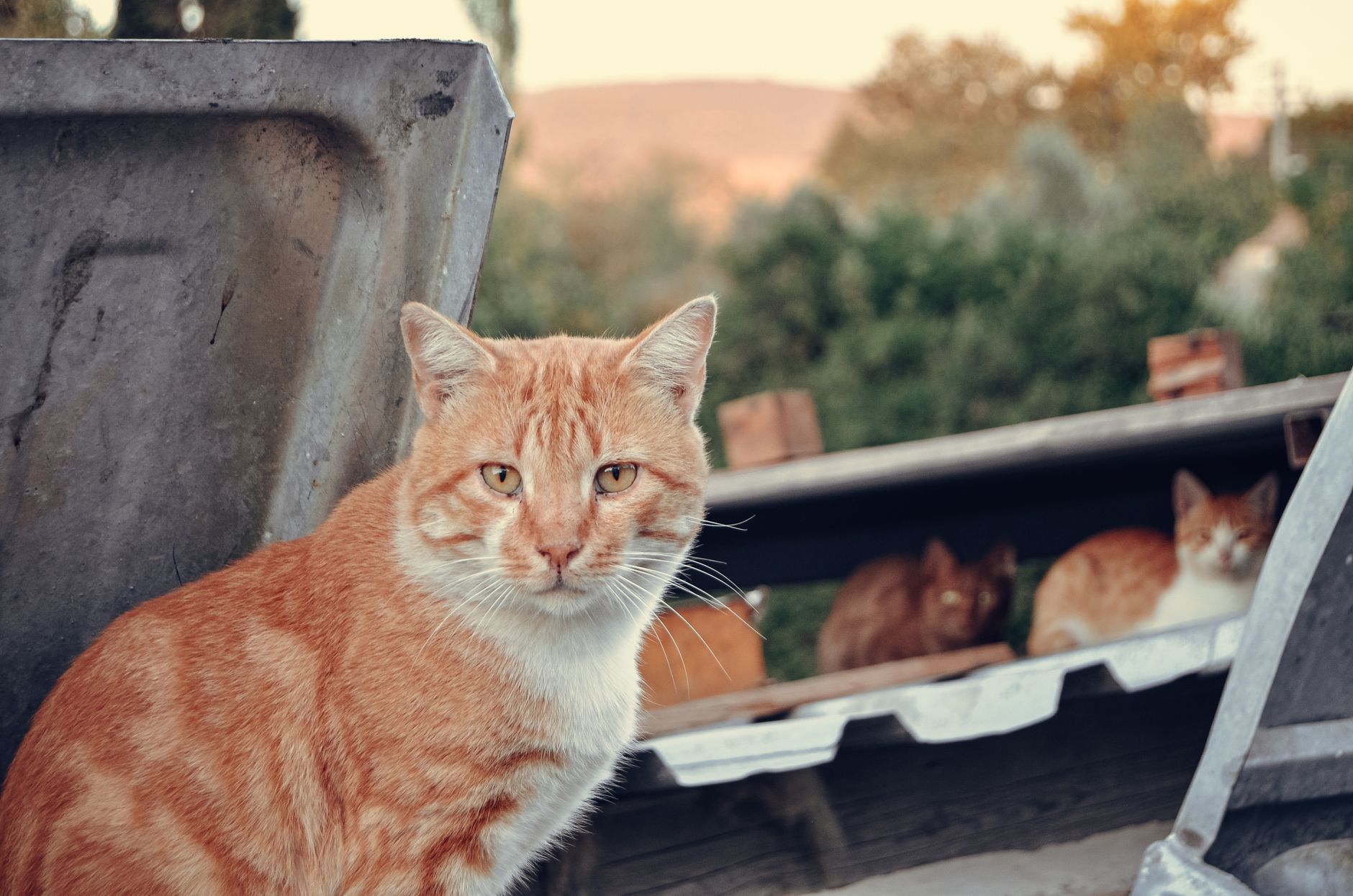
Feral cat populations in residential areas like Redford Township face persistent welfare challenges that often go unnoticed until residents discover neglected colonies. When community members encounter malnourished, injured, or sick feral cats without access to shelter or consistent food, the discovery typically triggers urgent calls for municipal and animal welfare intervention. These situations highlight the gap between the animals’ urgent needs and the resources available through local animal control agencies, which are frequently overwhelmed with stray and abandoned pet cases.
The welfare crisis among feral cats differs substantially from domestic cat neglect because feral animals have not adapted to human dependency and exist outside conventional pet owner-responsibility frameworks. Residents discovering a neglected feral colony face a practical problem: the cats cannot simply be relocated or taken to shelters that lack capacity, and without intervention, disease, starvation, and harsh weather conditions continue to harm the population. Successful community responses require coordination between residents, animal welfare organizations, municipal authorities, and local veterinarians to address both immediate suffering and long-term population management.
Table of Contents
- What Constitutes Neglect in Feral Cat Colonies?
- Why Residents’ Concerns About Feral Cat Welfare Matter
- The Role of Trap-Neuter-Return Programs in Welfare Management
- Creating and Implementing Community Welfare Response Plans
- Medical Challenges in Treating Neglected Feral Colonies
- Environmental Modifications That Improve Feral Colony Welfare
- Building Sustained Community Support for Feral Welfare
What Constitutes Neglect in Feral Cat Colonies?
Feral cat neglect manifests differently than neglect of owned pets because these animals live without human caretakers by design. A neglected feral colony typically shows signs including visible malnourishment (protruding ribs, sunken flanks), untreated injuries or infections, lack of adequate shelter from weather, and absence of clean water sources. Some colonies experience seasonal crises—particularly winter in northern regions—where cats lack protection from freezing temperatures, and summer heat stress impacts animals already weakened by malnutrition. The distinction between a thriving feral colony that hunts or receives informal feeding and a neglected one often comes down to whether cats have reliable access to nutrition and basic environmental protection.
Residents often underestimate the severity of feral cat neglect because the animals avoid human contact. A colony might appear stable to casual observers while individual cats are actually suffering from untreated abscesses, respiratory infections, or parasites. Unlike owned cats taken to veterinarians when obviously ill, feral cats suffer silently until conditions become visibly critical. The welfare crisis intensifies when environmental factors combine with lack of care—a harsh winter affecting a malnourished colony can result in higher mortality rates than the same weather would cause in a well-fed group.
Why Residents’ Concerns About Feral Cat Welfare Matter
When residents demand action on feral cat welfare, they’re often responding to genuine animal suffering that extends beyond individual discomfort. Neglected colonies become disease vectors, with illness spreading among cats and potentially to domestic pets or other wildlife in the area. Untreated upper respiratory infections, feline panleukopenia, and parasites become endemic in stressed populations lacking nutrition and shelter.
Additionally, when cats are suffering visibly, residents experience ethical distress—witnessing malnourished animals repeatedly creates psychological burden on community members, particularly those with strong animal welfare values. However, community pressure to “do something” about feral cat welfare can sometimes lead to ineffective or counterproductive interventions. A common limitation is that residents may advocate for mass relocation or euthanasia of colonies without understanding that these approaches often fail: relocated colonies typically die attempting to return to known territory or face territorial conflicts in new locations, while mass euthanasia creates a vacuum that nearby cat populations expand into within months. The most effective welfare outcomes come from targeted interventions that address root causes—inadequate nutrition, lack of shelter, and uncontrolled reproduction—rather than removal-focused approaches.
The Role of Trap-Neuter-Return Programs in Welfare Management
Trap-neuter-return (TNR) programs have become the primary welfare-focused intervention for feral cat colonies because they address the population growth problem while maintaining existing cats in their established territory. When properly implemented, TNR involves humane trapping, veterinary sterilization and basic medical care, and release back to the original location with ongoing management. For a neglected colony, the initial TNR process includes treating obvious medical conditions—infected wounds, abscesses, respiratory infections—and vaccinating against common diseases. This medical intervention during TNR can be transformative for a suffering colony’s immediate welfare.
The limitation of TNR without follow-up support is that sterilization prevents future generations of suffering but doesn’t address the current population’s nutritional and shelter needs. A successful long-term welfare program requires pairing TNR with maintained feeding stations and shelter provision. Community volunteers often become essential to this work, establishing feeding schedules, providing winter shelters, and monitoring for new medical issues. Without this ongoing commitment, a TNR-treated colony still faces welfare challenges if weather, disease, or food scarcity creates new crises. The comparison is stark: a TNR program with volunteer support can stabilize a colony’s welfare within months, while TNR alone without feeding and monitoring leaves individual cats vulnerable to the same deprivation that initially triggered resident concern.
Creating and Implementing Community Welfare Response Plans
When residents successfully pressure local authorities for feral cat welfare action, implementation requires coordination between multiple parties, each with different expertise and constraints. Effective response plans typically include: assessment by animal control or welfare organizations to document colony size and condition; engagement of TNR-capable veterinary clinics; recruitment of volunteers willing to provide ongoing feeding and shelter maintenance; and communication protocols for residents to report new medical emergencies or colony changes. The tradeoff in community-driven plans is between comprehensiveness and sustainability—an ambitious program addressing every cat’s individual medical needs might last one volunteer season, while a simpler program focused on feeding and TNR can operate for years with modest ongoing effort.
Successful municipalities establish formal feral cat management ordinances that grant legal protections to caregivers and provide clear pathways for resident complaints. Without this framework, volunteers managing colonies risk harassment from neighbors who view feral cats as nuisances, and animal control officers may lack authority to prioritize welfare intervention over removal. A practical example of effective coordination: some communities designate specific individuals as official colony monitors, provide them with basic training and resources, and create direct communication channels with animal control and local veterinarians. This formalization transforms ad-hoc resident concern into sustained welfare management with accountability and resource continuity.
Medical Challenges in Treating Neglected Feral Colonies
Feral cats in neglected colonies often present with advanced medical conditions that are more complex to treat than issues in domestic cats. A cat that has survived months or years in harsh conditions while injured or ill develops compensatory stress responses that complicate treatment—elevated cortisol from chronic fear and pain, malnutrition-related immune suppression, and behavioral aggression that makes handling dangerous for veterinary staff. The warning here is significant: veterinarians treating neglected feral colonies frequently encounter infections, parasites, and trauma that would be routine in owned cats but become life-threatening in the context of deprivation and stress.
Treatment decisions for severely compromised feral cats require difficult judgment calls. A cat with advanced dental disease, chronic upper respiratory infection, and severe malnutrition might technically survive with intensive veterinary care but face poor quality of life even after treatment. Welfare advocates balance the principle of maximizing individual survival against the reality that some animals are suffering beyond the point where recovery restores functional wellbeing. This limitation—the inability to treat every cat into a healthy state—is why effective colony management focuses on preventing future suffering through population control and environmental improvement rather than relying on curative medicine alone.
Environmental Modifications That Improve Feral Colony Welfare
Beyond feeding and medical intervention, the physical environment where a feral colony lives directly determines welfare outcomes. Neglected colonies often lack shelter, forcing cats to survive in weather exposure and predator vulnerability. Community welfare responses frequently include building or installing shelters—insulated structures with entry holes too small for larger predators but adequate for cats. Winter shelters insulated with straw and positioned in protected areas can reduce cold stress and associated illness.
Water sources matter critically; stagnant or frozen water forces cats to seek alternatives that may not exist, creating dehydration conditions that worsen illness and malnutrition. Vegetation management also impacts welfare—dense brush provides hiding cover from predators and weather, while overgrown areas can harbor parasites and create pathways for disease transmission. The practical reality is that improved environmental welfare for a colony often requires ongoing site management: seasonal shelter checks, replacing soiled bedding, removing standing water that breeds mosquitoes, and monitoring vegetation for safety. A community that responds effectively to resident concerns about neglected feral cats does so by treating colony sites as managed spaces requiring maintenance, not temporary crisis zones where emergency intervention ends the responsibility.
Building Sustained Community Support for Feral Welfare
Resident demands for action on feral cat welfare are only meaningful if they translate into sustained community commitment beyond initial media attention or municipal pressure. Neglected colonies often represent years of inadequate care, and meaningful improvement requires years of consistent feeding, monitoring, and medical intervention. Communities that successfully maintain welfare programs typically develop formal volunteer networks with documented procedures, training, and rotational responsibilities to prevent volunteer burnout.
A specific example: established programs often create communication systems where residents can report concerning changes in colony condition (sudden decrease in visible cats, presence of visibly injured animals, absence of normal foraging behavior) to designated contacts who assess the situation and coordinate veterinary response. The practical challenge is that community welfare work remains invisible to most residents—ongoing feeding and shelter maintenance doesn’t generate the same urgency or political attention as initial crisis discovery. Successful programs address this by maintaining regular communication about colony status, wellness metrics, and resource needs, which helps sustain volunteer motivation and community support. Documentation of TNR procedures completed, kittens successfully removed from the colony and adopted, or medical interventions performed provides concrete evidence that welfare work is functioning, even though individual cats remain wild and inaccessible to the public.