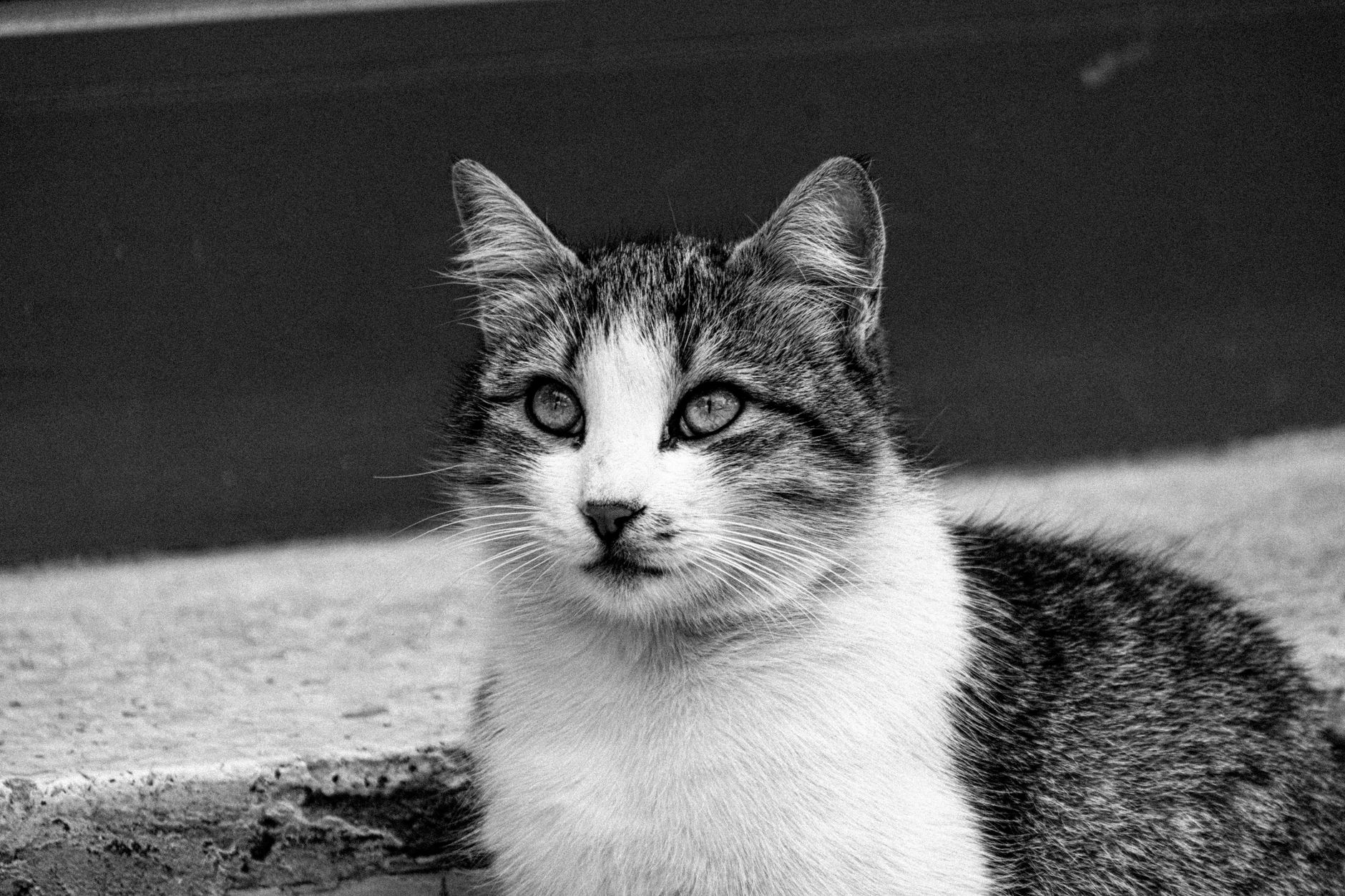
Cat shows bring together feline enthusiasts and breeders to celebrate the diversity and beauty of cats across recognized breeds and judging standards. A major feline championship, whether in Singapore or elsewhere, serves as a significant event where cats compete for recognition based on breed standards, physical qualities, and temperament.
These competitions showcase everything from championship bloodlines to newly discovered talent in the cat fancy, drawing participants and spectators who are passionate about fellines and breed advancement. At championship-level shows, judges evaluate cats against detailed breed standards that specify everything from coat color and eye shape to ear placement and body proportions. The experience provides breeders with feedback on their breeding programs, allows owners to understand where their cats stand against established standards, and offers the broader community a chance to witness the range of pedigree breeds, from the exotic Bengal to the elegant Siamese.
Table of Contents
- What Defines a Feline Championship Competition?
- Understanding Breed Standards and Judging Criteria
- The Experience of Competing Cats and Their Owners
- Preparing a Cat for Championship Competition
- Health Screening and Genetic Considerations in Show Lines
- The Role of Cat Shows in Breed Development
- Attending a Championship Show as a Spectator or Prospective Breeder
- Frequently Asked Questions
What Defines a Feline Championship Competition?
feline championship shows operate under specific rules and judging criteria established by major cat associations and registries. Cats are organized by breed or category, and judges—typically licensed and trained to recognize breed standards—evaluate each entry systematically. The structure ensures fairness and consistency, though the judging process itself requires extensive knowledge of each breed’s historical development and intended characteristics.
Championship shows differ significantly from household pet competitions or casual cat events. They emphasize pedigree, genetics, and breeding quality, meaning only registered cats from recognized breeds typically compete for top honors. A single championship event might feature dozens of judging rings running simultaneously, with cats cycled through evaluation multiple times as they move up through various competing categories. This structure can make championship shows overwhelming for first-time attendees, as the scale and speed of competition require careful attention to schedules and entry numbers.
Understanding Breed Standards and Judging Criteria
Breed standards function as the blueprint for what an ideal specimen of each breed should look like—a detailed written description covering physical appearance, movement, and sometimes temperament. For example, a Persian cat’s standard emphasizes a flat face, round head, and flowing coat, while a Siamese standard prioritizes an angular body, large ears, and striking blue eyes. Judges carry detailed knowledge of these standards and compare each cat’s actual features against what the breed specification demands.
One limitation of breed standards is that they can conflict with health. The extreme facial structure prized in some Persians, for instance, correlates with breathing difficulties and eye problems. Similarly, selective breeding toward very large or very small body types can introduce genetic vulnerabilities or mobility issues. Breeders and judges must navigate the tension between aesthetic ideals and the practical health of the animals they’re promoting, and different breeders prioritize these concerns differently.
The Experience of Competing Cats and Their Owners
cats at championship shows experience significant stress that owners should acknowledge honestly. The environment—unfamiliar people, loud noises, being handled repeatedly, confined cages, and the presence of many unfamiliar animals—contradicts most cats’ preferences for quiet, familiar surroundings. A cat that handles the stress well may be genetically predisposed toward boldness and confidence, while a naturally anxious cat may struggle despite being a good example of its breed.
For owners, participation offers concrete feedback from expert judges about their breeding or showing goals. A breeder might learn that their bloodline excels in coat quality but needs work on ear placement, or that a promising kitten has champion potential. However, this feedback comes with costs—entry fees, travel expenses, veterinary certifications, and the time required for preparation and competition. Many serious show breeders spend considerable resources on a single show weekend.
Preparing a Cat for Championship Competition
Successful show cats require extensive grooming, handling practice, and socialization to cameras and crowds. Persians and other long-coated breeds need daily brushing or risk disqualification, while short-coated breeds still require bathing and grooming weeks before a show. Beyond physical preparation, cats need practice being touched by strangers, standing on unfamiliar tables, and accepting the handling that judging requires.
The preparation time and resource investment creates a meaningful tradeoff. A show cat receives intensive attention and care, but may have less freedom to engage in normal feline behavior. They must stay calm in stressful environments, and breeders often limit outdoor access to protect their coat quality or avoid injuries. Some cats adapt to this lifestyle and may even enjoy the routine; others remain anxious throughout their showing career despite acclimation efforts.
Health Screening and Genetic Considerations in Show Lines
Responsible breeders increasingly use health testing before breeding—screening for conditions like hypertrophic cardiomyopathy (a heart disease common in some pedigree breeds), polycystic kidney disease, and hip dysplasia. However, this practice is not universal, and the standards for health testing vary widely between breeders and between different countries and breed clubs. A cat that wins at championship shows may come from a line with no health screening, creating a risk that genetic problems get propagated when that cat is bred.
Buyers should understand that a championship-winning cat is not guaranteed to be healthy or free from hereditary conditions. Some breeds carry higher disease burdens than others due to limited founding genetics or selective breeding toward extreme physical traits. The warning here is direct: ask breeders for specific health test results in writing, and verify them independently if possible rather than assuming a championship bloodline is automatically a healthy choice.
The Role of Cat Shows in Breed Development
Championship shows serve as a marketplace of ideas where breeders assess the current state of their breed and make decisions about breeding direction. Watching a breed evolve over decades through show results reveals both intentional improvements and unintended consequences. The modern Bengal, for example, has been refined toward larger size and more pronounced spotted patterns partly through competitive showing, making modern Bengals quite different from early examples of the breed.
This evolutionary function means shows are not merely showcasing static ideals but actively shaping cat breeds. Breeders who want to influence breed direction have long recognized that winning at shows influences perception and demand, which then influences breeding choices across the breed population. This dynamic is neither inherently good nor bad, but it’s important context for understanding what championship shows actually do beyond entertainment.
Attending a Championship Show as a Spectator or Prospective Breeder
For people interested in learning about pedigree cats, championship shows provide direct access to breed experts, multiple examples of specific breeds, and opportunities to ask breeders detailed questions. Someone considering purchasing a purebred cat might visit a show to see different breeds in person, compare temperaments, and gather contact information from multiple breeders. The experience often clarifies what traits matter to a buyer and which breeds might be a poor fit for their household.
Prospective breeders can observe judging, understand breed standards visually, and network with established breeders in their breed of interest. However, winning at shows does not automatically make someone a good breeder—health testing, genetic knowledge, breed history, and ethical breeding practices are separate from competitive success. A cat that excels in the judging ring may or may not come from a breeder committed to the long-term health and welfare of their breed.
Frequently Asked Questions
What’s the difference between championship shows and household pet shows?
Championship shows are exclusively for registered, pedigree cats from recognized breeds, judged against detailed breed standards. Household pet shows welcome any cat regardless of registration or breed and evaluate them on condition, temperament, and uniqueness rather than breeding standards.
Can an anxious cat ever do well in a championship show?
Possibly, but it depends on whether the cat’s temperament prevents adequate handling by judges. Some naturally cautious cats learn to tolerate the environment, while others remain too stressed to compete fairly. Forcing a chronically anxious cat into competition does not resolve the underlying stress.
How do I know if a show breeder has actually health-tested their cats?
Ask for written documentation of specific health tests (genetic screening, cardiac ultrasounds, etc.) with dates and results. Responsible breeders provide this information readily; those who refuse or give vague answers are a red flag.
Is a championship-winning cat a good choice for a pet owner?
Not necessarily. Champions are selected for appearance according to breed standards, not for suitability as companions. Health, temperament, and compatibility with your household are separate considerations that show records do not address.
What health problems are common in show breeds?
This varies significantly by breed. Persians and related flat-faced breeds often develop respiratory and eye problems. Maine Coons and other large breeds may develop hip dysplasia or hypertrophic cardiomyopathy. Ask your breed’s club or veterinarian about breed-specific concerns before purchasing.
Can I breed my show cat even if it doesn’t win?
Legally yes, but responsible breeding requires health testing and understanding of breed genetics regardless of show record. Breeding from a non-winning cat to improve your bloodline is standard practice, but it demands as much knowledge and care as breeding from champions.