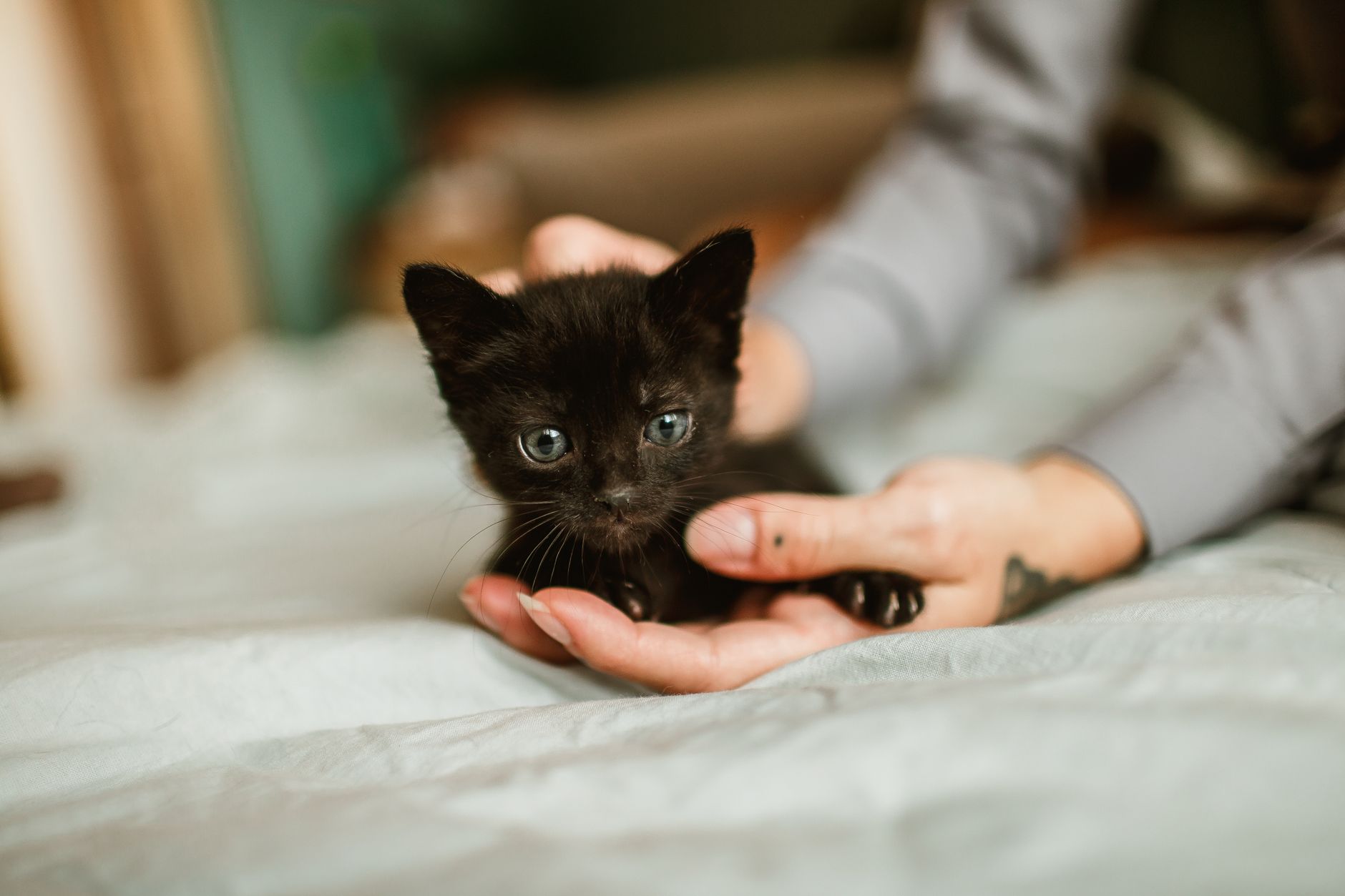
Yes, it is generally safe for cats to live with multiple cats, but safety depends on several critical factors rather than being automatic. Many cats are social animals that enjoy feline companionship and can bond deeply with housemates, reducing loneliness and providing enrichment through play and interaction. However, not every cat thrives in a multi-cat environment—success hinges on individual temperament, the introduction process, available resources, and how well the household is set up to prevent conflict.
A household with three cats—two siblings adopted together and a third cat introduced a year later over three weeks—can demonstrate how this works in practice. The first two cats already had an established dynamic, and the third cat’s calm personality, combined with proper introduction protocols and dedicated resources (separate litter boxes, feeding stations, and vertical spaces), allowed peaceful coexistence within months. Without these conditions, the same three-cat household could have experienced ongoing stress, territory disputes, or health problems from the tension.
Table of Contents
- Can Multiple Cats Live Together Safely?
- Territory and Stress in Multi-Cat Homes
- Introducing New Cats to Existing Ones
- Resources: The Key to Peaceful Multi-Cat Living
- When Multiple Cats Create Problems
- Age and Life Stage Considerations
- Individual Personality Types in Multi-Cat Households
Can Multiple Cats Live Together Safely?
safety in a multi-cat household depends primarily on the individual personalities and temperaments of the cats involved. Some cats are inherently social and seek out companionship with other felines, while others are solitary by nature and view other cats as stressors. Breed tendencies can play a role—Siamese and Burmese cats often seek social interaction, while some independent breeds like the Scottish Fold may prefer being the only cat. Age also influences compatibility: young kittens are usually more adaptable and playful with peers, while adult cats with no prior exposure to other cats may struggle more with adjustment.
The reality is that personality trumps most other factors. A cat with a calm, easygoing disposition will likely adjust to a multi-cat home more readily than a naturally anxious or territorial cat, regardless of breed. Some cats will actively seek out other cats for play, grooming, and sleeping companionship, while others will tolerate housemates but maintain distance. Neither response is unsafe inherently; what matters is that the living space accommodates both social and solitary preferences without forcing unwanted interactions.
Territory and Stress in Multi-Cat Homes
Cats are territorial animals, and sharing space with other cats creates stress that can have real health consequences if not managed properly. When cats feel their territory is invaded or resources are scarce, they enter a chronic stress state that weakens their immune system, increases susceptibility to illness, and can trigger behavioral problems like inappropriate elimination (urinating outside the litter box). A study examining shelters found that cats in overcrowded conditions with inadequate resources showed higher rates of respiratory illness and stress-related behaviors compared to cats with sufficient space and individual resources.
One limitation of multi-cat households is that you cannot fully eliminate territorial tension—you can only minimize it through proper environmental design. This means more space is required than for a single cat, multiple litter boxes (at least one per cat plus one extra), separate feeding and water stations, and multiple vertical resting areas. A common mistake is providing insufficient resources and then being surprised when cats display aggression or stress-related illness. The cost and space requirements of a properly set-up multi-cat household are significantly higher than caring for a single cat, and this is a genuine tradeoff that owners must accept before committing to multiple cats.
Introducing New Cats to Existing Ones
The introduction process is where most multi-cat problems originate. Rushing introductions or allowing immediate full access between unfamiliar cats frequently triggers fear, aggression, and lasting conflict. The proper introduction timeline typically spans three to four weeks, starting with complete separation where the new cat lives in a single room with its own resources while the existing cat(s) can smell the newcomer under the door and through walls.
A practical example: A household with one adult cat successfully introduced a new kitten by keeping the kitten in a bedroom for one week, then allowing supervised interactions in a neutral space while the kitten still had a safe room to retreat to. The process continued over two more weeks with gradually longer supervised sessions, gradually increasing access to shared spaces, and constant monitoring for signs of stress or aggression. By week four, the cats had established a stable coexistence and would occasionally play together. Without this slow timeline, the resident cat would have chased and cornered the kitten, triggering fear and defensive aggression that would have poisoned their relationship permanently.
Resources: The Key to Peaceful Multi-Cat Living
The foundation of a safe multi-cat household is a resource-rich environment where each cat has unguarded access to the essentials without having to compete or be blocked by other cats. This means multiple litter boxes placed in different locations (not all crammed into one bathroom), separate food stations so cats can eat without being rushed or threatened, multiple water sources, and extensive vertical territory through cat trees, shelves, and wall-mounted perches. The general rule is one litter box per cat plus one additional box; a four-cat household realistically needs five litter boxes spread throughout the home.
Comparing two approaches illustrates the difference: a four-cat household that provides one litter box and one water bowl will see frequent conflicts at these resources, cats eliminating outside the box from stress or inability to access it, and tension between cats competing at feeding time. The same household with five litter boxes, four separate small feeding stations in different areas, and multiple water sources will have far fewer resource-related conflicts. The tradeoff is space and maintenance—more litter boxes mean more cleaning, more floor space devoted to cat care—but this is the price of peaceful multi-cat living.
When Multiple Cats Create Problems
Not every multi-cat household remains peaceful, and certain situations create genuine safety concerns that may require rehoming one of the cats. Cats with a history of aggression, highly territorial cats that escalate conflicts beyond posturing to actual fighting with injuries, and cats with unmanaged medical issues can create an unsafe environment. Some cats will consistently bully other cats, preventing access to litter boxes or food, which can trigger or worsen medical problems in the subordinate cat.
A limitation worth understanding: some cats simply cannot live safely with other cats, and this is not a failure to introduce them correctly or provide enough resources. An adult cat with a strong predatory drive that views smaller cats as prey, or a cat with a history of trauma from other cats, may never be safe to house with another feline. In these cases, the safest decision is to keep that cat as a single cat or to rehome one of the cats to a household where it can live alone. Additionally, if two cats in a household escalate to actual fights with injuries, wounds, or serious aggression, veterinary behavior consultation is necessary to determine if separation is the safest option.
Age and Life Stage Considerations
Kittens are typically the easiest age group to introduce to other cats because they lack the territorial boundaries that adult cats have established and are naturally curious and playful with peers. A kitten can often be safely integrated into a multi-cat household in two to three weeks rather than four, provided the existing cats are not aggressive. Adult cats (one to ten years old) have defined territories and established routines, making them less flexible about change and requiring the full introduction timeline.
Senior cats (over ten years old) may have reduced stress tolerance and lower patience with playful kittens, making a young kitten a poor match for a senior cat household. One specific consideration: introducing a senior cat to a household with energetic adult cats or kittens can stress the senior cat and trigger health problems like appetite loss or inappropriate elimination. A household with a healthy senior cat would be better served adding another senior cat or a calm, adult cat rather than a kitten. The comparison is significant: a kitten with three adult cats of similar age and activity level usually adjusts smoothly, while the same kitten with a senior cat and two energetic adults might stress the senior cat and create an unsafe situation.
Individual Personality Types in Multi-Cat Households
Certain personality combinations are more likely to result in harmonious households than others. Two cats with calm, social personalities that were exposed to other cats early in life will usually coexist peacefully and may become bonded companions. A social cat paired with a mildly solitary cat (one that is not aggressive but prefers independence) will typically do well, with the social cat seeking interaction and the solitary cat ignoring the other. However, pairing a social, playful cat with a highly anxious, reactive cat creates tension, as the social cat’s approaches trigger fear responses and defensive behavior.
A specific example demonstrates the difference: two cats adopted together as kittens maintained a close bond into adulthood, sleeping together regularly and grooming each other, while another household introduced an adult cat to an established adult cat, and the two maintained distance in different areas of the home but coexisted without conflict or aggression. Neither arrangement is unsafe, but the relationship dynamics are completely different. The solitary cat household requires less active management and intervention, while the bonded pair household is simply different in its outcome. Both are valid multi-cat outcomes when cats have compatible personalities.