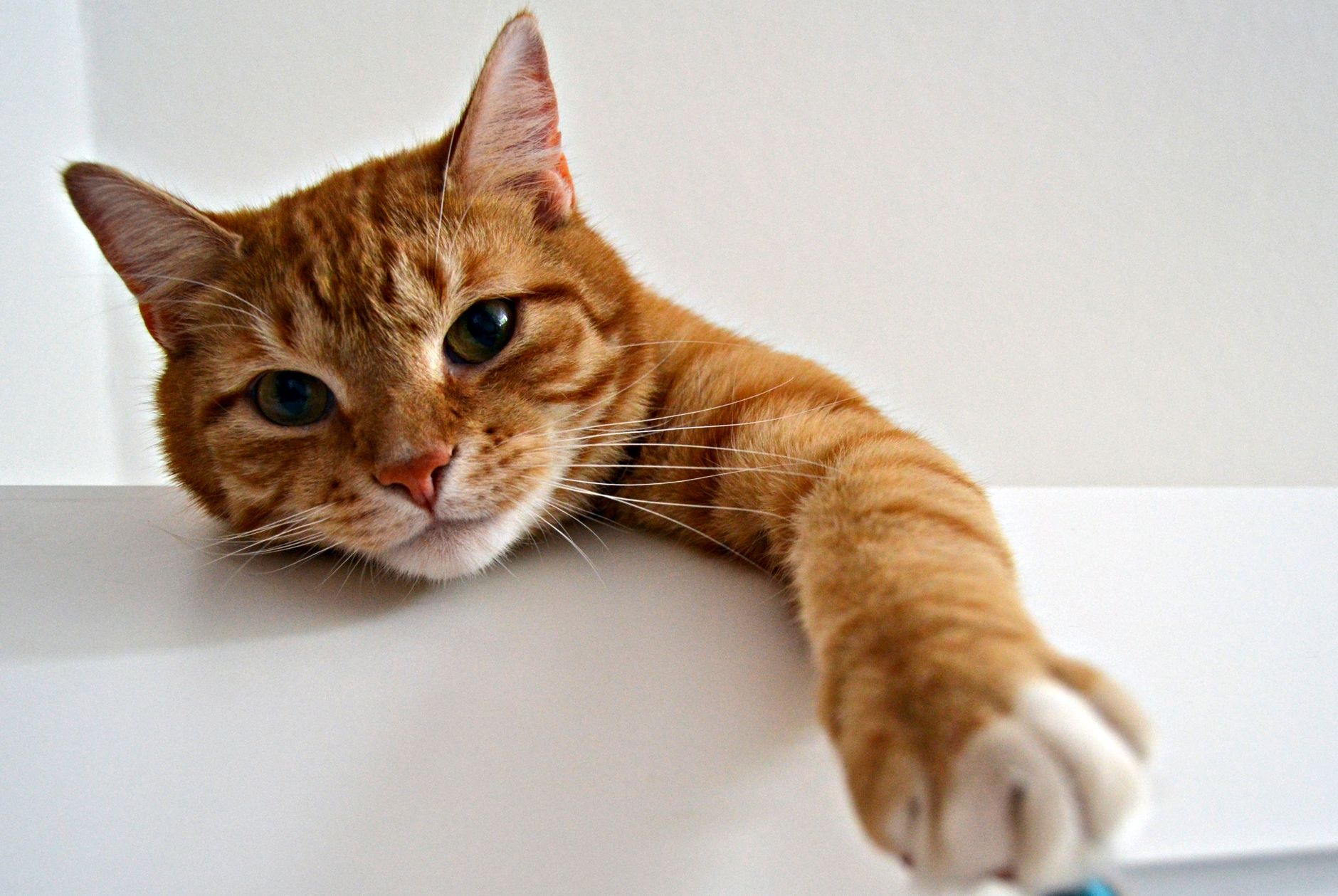
Tabby cats are not a breed—they’re a pattern. The distinctive stripes, swirls, or spots found on tabby coats result from a natural genetic marking that appears in nearly every domestic cat breed and countless mixed-breed cats. A tabby is defined by its coat pattern, which typically includes a characteristic “M” marking on the forehead, ringed tails, and one of four main pattern types: mackerel, classic, spotted, or ticked. Whether you encounter an orange tabby lounging on a front porch or a gray tabby exploring an apartment hallway, you’re looking at one of the most common and recognizable feline coat patterns in existence.
The reason tabbies are so widespread has to do with genetics and evolution. The tabby pattern itself is dominant or co-dominant depending on the specific genes involved, which means it appears frequently in cat populations where no deliberate breeding controls the trait. Domestic cats inherited tabby patterning from their wild ancestor, the African wildcat, where striped coats provided camouflage in natural environments. Today, tabbies make up a significant portion of cats in shelters, homes, and streets worldwide, and many people seek them out specifically because of their striking appearance and the personality traits commonly associated with the pattern.
Table of Contents
- What Defines a Tabby Cat and How the Pattern Forms
- Distinctive Physical Characteristics and Variations
- Personality and Behavioral Traits Associated with Tabbies
- Caring for Tabby Cats and Managing Their Specific Needs
- Common Health Concerns and Color-Related Issues in Tabbies
- Why Tabby Cats Are Beloved by Owners and Shelters
- Tabby Pattern Varieties and Geographic Significance
- Frequently Asked Questions
What Defines a Tabby Cat and How the Pattern Forms
The tabby pattern emerges during a cat‘s development in the womb, controlled by a gene called the agouti gene. This gene creates banding on individual hairs, where each hair displays alternating light and dark stripes. When many hairs with this banding come together, they create the visible striped or swirled effect that defines a tabby coat. The pattern itself is separate from the base color of the cat—you can have orange tabbies, brown tabbies, gray tabbies, cream tabbies, and even rarer variations like blue or chocolate tabbies. The four recognized tabby patterns each have distinct visual characteristics.
A mackerel tabby displays thin, parallel stripes running down the sides of the body, resembling fish bones, and is sometimes called a tiger cat. A classic tabby shows bold, swirling patterns often described as looking like marble or a cinnamon roll when viewed from above. Spotted tabbies have broken stripes that form distinct spots or rosettes across the body, sometimes preferred in certain cat breeds like the Egyptian Mau. A ticked tabby has a subtle pattern where the striping is largely limited to the face and legs, with the body appearing almost solid in color but with visible banding when individual hairs are examined. Many cats display characteristics of more than one pattern type, creating unique hybrid appearances.
Distinctive Physical Characteristics and Variations
Beyond the coat pattern itself, tabbies typically share certain physical markings that become part of their recognizable appearance. Most tabbies display an “M” or frown-like marking on their foreheads, which many cat lovers find endearing. They usually have rings around their tails, stripes or spots on their legs, and often display a distinctive necklace-like pattern across the chest and neck area. These markings are so consistent across tabby cats that they’ve inspired folklore—some cultures refer to the forehead marking as a sign of intelligence or even divine favor.
The intensity and visibility of tabby markings can vary significantly depending on the cat’s base color and the specific genes involved. A light-colored tabby on a cream or pale background may show very subtle markings that are almost invisible from a distance, while a dark tabby on a contrasting background will have dramatic, bold stripes or swirls. This variation means that some tabby cats might not look obviously striped at first glance, which occasionally leads people to misidentify their cats as solid-colored. Additionally, tabbies with white markings—sometimes called bicolor or calico tabbies if they also carry the orange gene—can display their tabby patterns over patches of color, creating even more visual variation.
Personality and Behavioral Traits Associated with Tabbies
While cat personality is shaped primarily by individual temperament, early socialization, and environment, many cat owners report consistent behavioral tendencies in their tabby cats. Tabbies are often described as playful, curious, and energetic, with a tendency toward interactive hunting behaviors. This doesn’t mean all tabbies are high-energy or outgoing—breed and individual genetics matter significantly—but anecdotal evidence from cat owners and shelter workers suggests that tabbies as a group show engaged, investigative behavior patterns. An orange tabby, for example, might be more likely to greet a visitor at the door or actively seek out interactive play than a more aloof cat of another pattern.
The behavioral stereotype of tabbies may partly stem from confirmation bias—people notice and remember the playful tabby and overlook the lazy one sleeping in the corner—but it’s also possible that the same genetic factors controlling coat pattern exert minor influences on temperament. Some research into cat genetics suggests that genes affecting coat color and pattern can have pleiotropic effects, meaning a single gene influences multiple traits. However, this relationship in tabbies remains largely anecdotal rather than scientifically proven. What is clear is that individual variation within the tabby pattern is enormous, and a tabby’s actual personality will be shaped far more by its unique genetic makeup, early experiences, and learned behavior than by its striped or swirled coat.
Caring for Tabby Cats and Managing Their Specific Needs
Tabby cats don’t require different care than any other domestic cat, but understanding their common activity levels can help set appropriate expectations for exercise and enrichment. If your tabby displays the playful, curious behavior associated with the pattern, you’ll want to provide adequate toys, climbing structures, and interactive play sessions to prevent boredom and behavioral problems. Window perches, puzzle feeders, and regular wand toy play can channel a tabby’s hunting instincts in constructive ways. Many tabby owners find that their cats benefit from consistent play schedules and environmental enrichment more than less active cats might.
One practical consideration is that tabbies with bold stripes or striking patterns sometimes attract more human attention and handling, particularly if they’re particularly handsome examples of their pattern. This increased attention can either positively reinforce friendly, interactive behavior or lead to overstimulation if the cat prefers solitude. Learning your individual tabby’s preferences for handling and interaction is essential to keeping them comfortable and preventing stress-related behavioral issues. Additionally, tabby coats with dense fur may require regular grooming to prevent matting, particularly in long-haired varieties, and monitoring them for skin conditions that can be harder to spot through thick striped fur.
Common Health Concerns and Color-Related Issues in Tabbies
Tabby cats don’t face breed-specific health problems related to their pattern itself, but certain color genes can carry health implications. For example, white cats with blue eyes often have a higher incidence of congenital deafness, though this risk is somewhat lower in tabbies that carry white markings in combination with tabby coloring. Orange or red tabbies are predominantly male due to the genetics of the orange color gene on the X chromosome, and male orange cats are significantly more common than females. This male-skewed ratio means that female orange tabbies are relatively rare and often attract special attention.
Behavioral issues in tabbies may stem partly from the same overstimulation concern mentioned in the care section. Tabby cats that receive excessive or overly enthusiastic handling sometimes develop skin sensitivity or behavioral problems like redirected aggression. Additionally, if a tabby’s active temperament isn’t matched with sufficient environmental enrichment or play opportunities, boredom can lead to destructive behavior, over-grooming, or excessive vocalizing. Providing appropriate outlets for a tabby’s energy is therefore a practical health consideration, not just an enrichment preference.
Why Tabby Cats Are Beloved by Owners and Shelters
Tabbies hold a special place in popular culture and human affection, partly because they’re so common that most people have known or owned one, and partly because their distinctive markings make them visually appealing and memorable. The tabby pattern is often considered attractive by cat enthusiasts, with certain patterns like classic or spotted tabbies being preferred in formal cat shows and breeding programs. Their recognizable appearance also makes them popular in media, cartoons, and online cat content, reinforcing cultural affection for the pattern.
In animal shelters, tabbies are abundant but not always easy to adopt, creating an irony where common tabbies sometimes spend longer in shelters than more unusual or rare-colored cats. This happens partly because potential adopters have many tabby options to choose from and partly because the abundance of tabbies can make them seem less special or noteworthy. However, shelter workers often note that once a tabby finds the right home, their engaging and adaptable personalities make them excellent companions, whether as indoor apartment cats or barn cats working on properties.
Tabby Pattern Varieties and Geographic Significance
Different regions of the world show varying tabby distributions, with tabby cats being particularly dominant in areas with mixed or uncontrolled cat populations. In countries where outdoor and feral cat colonies are common, the tabby pattern is extremely prevalent because it’s genetically favored and provides practical camouflage advantages. The pattern has been documented in ancient Egyptian art, medieval manuscripts, and through centuries of human history, indicating that tabbies have been prominent members of human settlements for a very long time.
The longevity and widespread nature of the tabby pattern across diverse cat populations demonstrates that this marking system remains functionally viable and genetically stable. Whether a tabby serves as a beloved indoor pet, a working barn cat, or a feral cat managing independently in urban or rural environments, the pattern continues to appear and persist across all types of domestic cat situations. This adaptability and presence across virtually all cat populations underscores why tabbies remain one of the most significant and recognizable feline patterns in the world today.
- —
Frequently Asked Questions
Are tabby cats a specific breed?
No. Tabby is a coat pattern that can appear in nearly any domestic cat breed or mixed breed. The pattern is controlled by genetics and is separate from a cat’s breed classification.
What causes the “M” marking on a tabby’s forehead?
The “M” marking, along with other tabby patterns, forms during fetal development through a gene that creates banding on individual hair shafts. The specific reason for the forehead marking’s shape remains a matter of natural variation rather than a fully understood genetic mechanism.
Are tabby cats more playful than other cats?
Tabby cats have a reputation for being playful and curious, though this is partly anecdotal and influenced by individual personality, early socialization, and environment. Individual variation within the tabby pattern is enormous.
Do tabby cats have specific health problems related to their pattern?
Tabby cats don’t face health issues caused by the tabby pattern itself. However, certain underlying color genes (like white markings) can carry health considerations unrelated to the tabby markings.
Can tabby cats have long hair?
Yes. The tabby pattern can appear in both short-haired and long-haired cats. Long-haired tabbies may require regular grooming to prevent matting and to keep their coat healthy.
Why are there so many tabby cats in shelters?
The tabby pattern is genetically dominant and widespread in mixed populations, making tabbies abundant. Their commonness sometimes means potential adopters have many options, which can affect adoption rates despite their popularity.