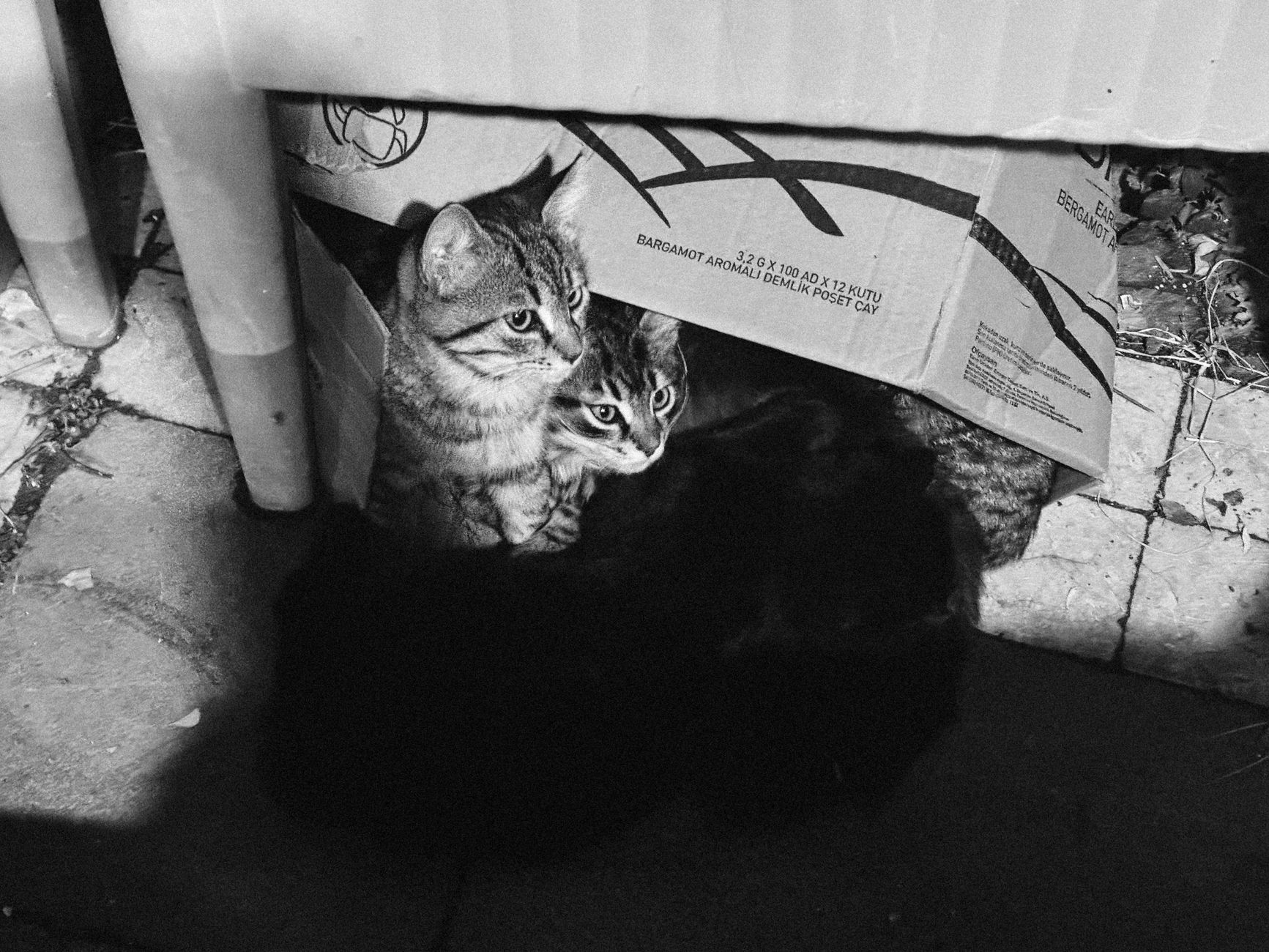
City rescue workers regularly face calls to free kittens trapped in vehicle engine compartments, a surprisingly common scenario that poses serious risks to the animals. Rescue videos from these incidents circulate widely because they highlight both the peril young cats face and the effective techniques professionals use to extract them safely. A typical rescue involves firefighters or animal control specialists carefully removing engine components while keeping the frightened kitten calm and preventing injury from hot surfaces, sharp edges, and moving parts.
These rescues underscore a critical reality of outdoor and semi-outdoor cat life: young kittens seeking warmth or shelter can become wedged in tight, dangerous spaces where they cannot escape on their own. The engine compartment of a parked vehicle offers an appealing combination of enclosed safety, residual heat, and small openings that look inviting to a scared kitten. Once inside, the kitten often becomes disoriented and unable to find the way back out, particularly if the vehicle owner starts the engine, creating an immediately life-threatening situation.
Table of Contents
- Why Do Kittens Hide Inside Vehicle Engine Compartments?
- The Immediate Dangers of Being Trapped in an Engine Compartment
- Recognizing a Kitten Trapped in Your Vehicle
- Professional Rescue Techniques and Why They Matter
- Common Mistakes That Complicate Kitten Rescues
- Caring for a Kitten After Engine Compartment Rescue
- Preventing Engine Compartment Access
- Frequently Asked Questions
Why Do Kittens Hide Inside Vehicle Engine Compartments?
Engine compartments attract kittens for several practical reasons that make sense from an animal’s perspective. The space is enclosed, which provides the sense of den-like security that young cats instinctively seek. If a vehicle has been recently driven, residual warmth from the engine creates an appealing refuge, especially in cooler months. A kitten born outdoors or separated from its mother will gravitate toward these protected spaces, and the complex maze of belts, hoses, and corners offers multiple hiding spots.
Kittens exploring unfamiliar territory often retreat into the first shelter they find. An open engine compartment or loose gap in a vehicle’s undercarriage becomes a trap because the kitten enters easily but loses its sense of direction in the cramped, dark space. This is particularly true for kittens under eight weeks old, whose spatial reasoning is still developing and whose bodies are small enough to squeeze into gaps that adult cats cannot navigate. The kitten’s natural instinct to remain still and quiet when frightened—a survival strategy that works in the open—backfires in an enclosed mechanical space, making the animal harder to locate and extract.
The Immediate Dangers of Being Trapped in an Engine Compartment
A kitten trapped in an engine compartment faces multiple life-threatening hazards that escalate quickly. If the vehicle owner starts the engine without knowing the kitten is inside, the rotating engine fan, belts, and pulley system can cause immediate fatal injuries. Even at low speeds, a kitten cannot escape the mechanical components once they begin moving. This danger window is narrow but absolute—starting a vehicle with a trapped kitten inside is typically catastrophic. Beyond the engine itself, the compartment contains other lethal hazards.
Antifreeze, motor oil, coolant, and other automotive fluids are toxic if ingested or absorbed through the skin; a frightened kitten may get covered in these substances while trying to escape. Engine heat can cause severe burns, and sharp edges on sheet metal, brackets, and fasteners can lacerate the kitten’s skin and paws. The stress of confinement often causes the kitten to become overheated, leading to heat exhaustion or shock even before rescue begins. Another critical limitation: the longer a kitten remains trapped, the greater the risk of dehydration and hypothermia (if trapped overnight in cold weather) or heat stroke (if trapped during warm hours). The psychological trauma of confinement can also persist after rescue, potentially causing the kitten to avoid enclosed spaces or vehicles for months afterward.
Recognizing a Kitten Trapped in Your Vehicle
Identifying that a kitten is present in your engine compartment before starting the vehicle can prevent tragedy. The most obvious sign is hearing mewing or crying sounds coming from under the hood, particularly if you’ve parked in an area where stray or feral cats congregate. A kitten may also leave visible evidence: paw prints in dust or oil, disturbed insulation, or displaced hoses. Before starting any vehicle, especially in areas with outdoor cat populations, take thirty seconds to visually inspect the underside of the vehicle and the engine compartment itself.
This simple precaution has saved countless animals. If you find a kitten, do not attempt to grab it immediately. An extremely frightened kitten will scramble deeper into the engine, wrapping itself around moving parts or wedging into spaces that become inaccessible. Instead, call local animal control or a fire department non-emergency line for professional extraction assistance. Many communities have dedicated animal rescue services that handle these calls regularly and arrive with proper equipment.
Professional Rescue Techniques and Why They Matter
Professional rescue of a kitten from an engine compartment requires specific knowledge and tools that untrained people typically lack. Rescue workers first disable the engine and allow it to cool, which can take fifteen minutes or more depending on how recently the vehicle was driven. They then systematically remove or loosen components to access the kitten while avoiding damage to the engine itself and the animal. The trained approach involves careful visual inspection to locate the kitten, gentle coaxing with food or familiar sounds to lure it toward an opening, and the use of nets or soft capture tools to prevent injury during extraction.
If the kitten is deeply wedged, professionals may need to remove the radiator, battery, or other major components—a procedure that requires mechanical knowledge and takes time. The tradeoff is worthwhile because rushing the extraction often injures the kitten or causes the animal to retreat further into the engine compartment, extending the entire rescue. Untrained rescue attempts carry significant risks. Well-meaning owners or bystanders may accidentally crush the kitten while removing components, activate electrical systems that cause injury, or dislodge the animal into a more dangerous location. Professional rescuers also know how to handle a traumatized kitten safely during extraction, which reduces the risk of the animal bolting into traffic or becoming lost immediately after being freed.
Common Mistakes That Complicate Kitten Rescues
One of the most frequent mistakes is attempting to start the vehicle to move it before checking the engine compartment, or repositioning the vehicle without fully shutting off the engine. This happens when a vehicle owner is unaware that a kitten is present. Always shut off the engine completely and allow it to cool before any further movement of the vehicle. A second common error is excessive physical manipulation of the kitten once located. Rough handling, grabbing, or restraint can cause the animal to panic, urinate or defecate from fear, and potentially injure itself on engine parts. It can also cause the kitten to scratch or bite the rescuer, creating wounds that may become infected.
The limitation of do-it-yourself rescue is that even people with good intentions lack the training to manage a frightened animal in a high-stakes situation. A third mistake involves failing to provide post-rescue care. A kitten that has been trapped in an engine compartment needs immediate veterinary examination, even if the animal appears uninjured. Hidden injuries, exposure to toxic fluids, and shock are common in these cases. A kitten may have internal bleeding, chemical burns to the respiratory system from inhaling fumes, or a fractured bone that doesn’t show obvious symptoms immediately. Without prompt veterinary care, seemingly minor injuries can become fatal within hours.
Caring for a Kitten After Engine Compartment Rescue
Immediately after extraction, a rescued kitten should be placed in a quiet, safe space and not handled excessively. The animal is in shock and may not respond normally. Wash off any motor oil or other automotive fluid from the kitten’s body using lukewarm water and mild dish soap, but avoid over-handling or stressing the animal during this process. If the kitten has ingested antifreeze or other toxic substances, contact an emergency veterinary clinic immediately—antifreeze poisoning can be fatal, but treatment given within a few hours can save the kitten’s life.
Transport the kitten to a veterinary clinic for evaluation, even if the animal appears healthy. A veterinarian will check for internal injuries, respiratory damage from fume exposure, burns, and signs of shock. The kitten will likely need pain management, fluids, and monitoring for the first twenty-four to forty-eight hours. Recovery is often successful when professional medical care is provided promptly, but the kitten’s behavior may be affected long-term; many rescued kittens develop noise sensitivity or anxiety around vehicles that can persist for months.
Preventing Engine Compartment Access
The most effective prevention is securing all openings and gaps in vehicles, particularly if you park regularly in areas with outdoor cat populations. Ensure your vehicle’s engine compartment closes completely and cannot be opened by a kitten nosing at gaps. Check under your vehicle periodically for any holes in the undercarriage where a kitten could enter. If you notice evidence of cats sheltering under your vehicle, consider parking in a garage, blocking access with a physical barrier, or contacting local animal control to address the stray or feral population.
For people who keep outdoor or semi-outdoor cats, bringing kittens indoors before sunset reduces the likelihood that they will seek emergency shelter in dangerous places. Providing designated shelter structures specifically for cats—insulated boxes or purpose-built cat shelters—gives them safe alternatives to vehicle engine compartments. If you work or volunteer with community cat populations, educate vehicle owners in high-traffic areas about the risk and encourage them to check their engine compartments before starting their vehicles. This simple awareness has prevented countless kitten deaths in communities where it has been implemented.
Frequently Asked Questions
How long can a kitten survive trapped in an engine compartment?
A healthy kitten can typically survive 6-12 hours without food or water, but the risk of injury or heat stress increases exponentially with time. Cold temperatures overnight can trigger hypothermia within hours, making immediate rescue essential.
Should I pour water into the engine compartment to lure the kitten out?
No. Water in the engine compartment can damage the vehicle and will not effectively lure the kitten out. Use food or familiar sounds instead, and contact professionals rather than attempting rescue on your own.
What if the kitten won’t eat after being rescued?
Loss of appetite is common in traumatized kittens and can last 24-48 hours. However, if the kitten shows no interest in food after three days, or displays vomiting, diarrhea, or difficulty breathing, seek immediate veterinary care, as these may indicate poisoning or internal injury.
Can I release a rescued kitten back outside immediately?
No. Allow at least 24 hours for the kitten to recover and receive veterinary evaluation. A kitten in shock or injured internally may collapse if released immediately. If the kitten is a stray, work with local animal control or rescue organizations to provide ongoing care.
Why do rescue videos circulate if they’re showing a dangerous situation?
These videos raise awareness about the risk and demonstrate proper extraction techniques used by professionals, helping vehicle owners understand the importance of checking before starting their engines.
What should I do if I find a kitten hiding under my parked car?
Do not trap or corner the kitten. Leave the engine compartment closed, and contact local animal control or a feral cat rescue organization. They can safely capture and assess the kitten’s health and background.