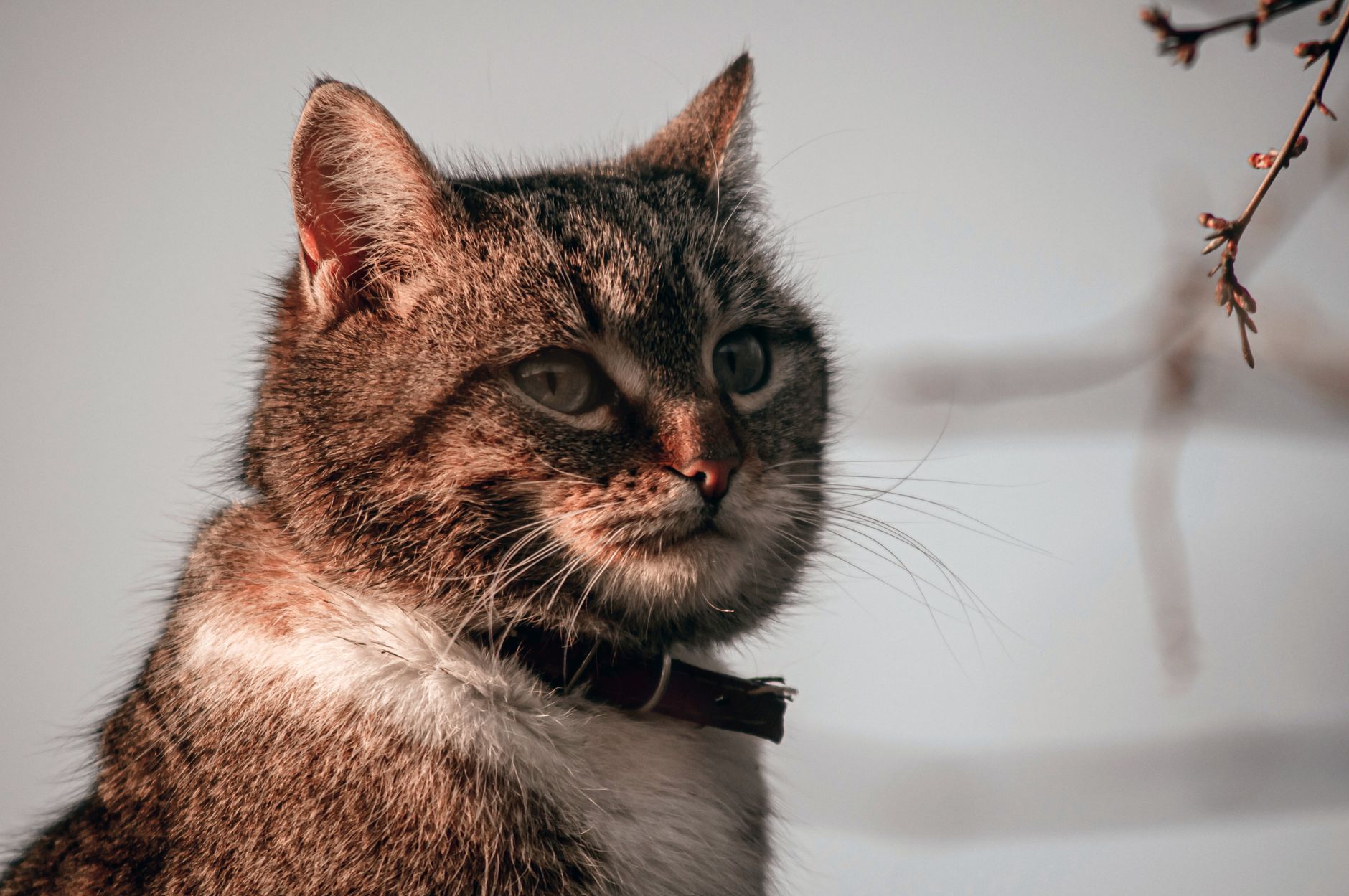
Feline-focused walking tours in Minnesota have become an unexpected draw for residents and visitors seeking an intimate way to experience neighborhoods beyond typical tourist attractions. These specialized tours, which concentrate on visiting neighborhoods known for their community cats, observing local feline populations, and learning about cat behavior in urban environments, have grown substantially as people discover alternatives to conventional sightseeing. The appeal lies in combining gentle exercise, animal observation, and neighborhood exploration in a format that caters specifically to cat enthusiasts and curious locals alike.
What makes these tours distinct from general walking experiences is their structured focus on feline encounters and cat-centric history or culture within specific neighborhoods. Rather than rushing through landmarks, participants move at a pace suited to observing cats in their natural habitats, whether lounging on stoops, hunting in parks, or interacting with community members who feed and care for them. Participants often report a deeper connection to their own neighborhoods after discovering the intricate social ecosystems that revolve around these animals.
Table of Contents
- Why Are Cat-Focused Neighborhood Walks Attracting Significant Daily Attendance?
- Understanding the Neighborhood Experience Through Feline Lens
- Observing Cat Behavior in Urban Settings
- Planning Your Participation in a Feline Walking Tour
- Safety and Health Considerations for Tour Participants
- Community Building Through Shared Feline Interest
- Maximizing Your Experience and Contributing to Neighborhood Welfare
Why Are Cat-Focused Neighborhood Walks Attracting Significant Daily Attendance?
The surge in attendance at feline-focused walking tours reflects broader cultural shifts in how people seek recreational experiences. Rather than pursuing high-adrenaline activities or crowded attractions, many visitors are drawn to low-key, animal-centered experiences that allow for observation, learning, and photography. cat tours satisfy multiple interests simultaneously: they provide genuine animal interaction, neighborhood discovery, light physical activity, and a sense of joining a community of like-minded enthusiasts.
Tours of this nature also appeal to people who might feel alienated by conventional group activities. The focused nature of a cat-themed tour creates a self-selecting group where participants share common interests, reducing the awkwardness sometimes present in generic group walks. Additionally, these tours often operate during off-peak hours, attracting people with flexible schedules, including remote workers, retirees, and students seeking daytime activities.
Understanding the Neighborhood Experience Through Feline Lens
Walking a neighborhood specifically to observe cats fundamentally changes how participants perceive their environment. Rather than focusing on street-level architecture or retail establishments, attendees learn to notice alleyways, fence gaps, sunny spots, and shelter areas where cats congregate. This alternative way of “reading” a neighborhood often reveals forgotten community spaces and informal networks that might otherwise go unnoticed.
However, there’s an important consideration: not all neighborhoods welcome regular groups of people walking specifically to view and photograph cats. Some property owners view this activity as intrusive or disruptive, particularly if tours pass through residential areas during early morning or late evening hours. The balance between respecting property rights and enabling public access requires thoughtful tour design and community engagement. Well-run tours establish clear guidelines about remaining on public streets, respecting private property, and minimizing disturbance to residents.
Observing Cat Behavior in Urban Settings
Participants on these tours gain practical knowledge about feline behavior that extends beyond the typical house cat experience. Urban cats exhibit distinct behavioral patterns shaped by their environment: they develop sophisticated communication systems with other cats, establish territories across multiple properties, and demonstrate remarkable adaptation to noise, traffic, and human activity. Observing these behaviors directly, rather than through documentary footage, provides insights that resonate with cat owners managing their own pets’ social interactions and territorial instincts.
Tours typically include education from knowledgeable guides about reading cat body language, understanding why cats choose specific locations for resting or hunting, and recognizing signs of stress or contentment. For instance, a cat with ears forward and a relaxed tail carriage interacting calmly with humans displays very different intentions than one with flattened ears and a puffed tail retreating to a hiding spot. These observations help participants better understand the cats they encounter and become more respectful observers of animals.
Planning Your Participation in a Feline Walking Tour
Practical considerations significantly impact the success of participating in a cat-focused walking tour. Appropriate footwear is essential since routes typically cover two to three miles and may include uneven terrain, stairs, or gravel. Weather preparation matters considerably in Minnesota’s climate, where rain or temperature extremes can affect both participant comfort and cat activity levels.
Tours conducted during dawn or dusk often yield more sightings since cats are crepuscular animals, meaning they’re most active during twilight hours, though these tours require greater awareness of low-light visibility. Photography enthusiasts should consider tour timing carefully: brightly lit daytime tours provide better lighting conditions than early morning hours, but morning tours may encounter more active cats before the heat of the day drives them to shelter. Patience is a critical requirement; unlike zoo visits where animals are concentrated and assured, neighborhood tours involve searching for cats that may be obscured, sleeping, or unwilling to approach. Some tours guarantee cat sightings, while others present them as likely but not certain encounters, reflecting the unpredictable nature of wildlife observation.
Safety and Health Considerations for Tour Participants
While most urban cats are accustomed to human presence and avoid direct confrontation, safety protocols exist for good reason. Tour guides typically provide instructions about respectful distance maintenance and recognizing warning signs that a cat wants to be left alone. Participants with cat allergies should confirm whether tours allow close contact or maintain observation-only distances.
For people with compromised immune systems, the potential for exposure to outdoor allergens and bacteria requires health assessment before participation. Concerns specific to Minnesota include seasonal considerations: tick and mosquito presence during warmer months can affect both human participants and the cats themselves. Additionally, some tours pass through areas where other wildlife is present—raccoons, foxes, or coyotes—particularly in neighborhoods bordering green spaces or parks. While direct conflicts are rare, guides should provide education about maintaining appropriate distance from all wildlife and understanding how cat activity patterns may shift seasonally or based on other predator presence in the area.
Community Building Through Shared Feline Interest
Feline-focused walking tours function as unexpected community-building venues, bringing together people who might otherwise have minimal interaction. Long-time neighborhood residents often participate alongside newcomers, creating informal knowledge transfer about local history, property histories, and the personal stories of particular cats that have lived in the area for years. Some tours have spawned ongoing community initiatives like volunteer feeding networks, trap-neuter-return (TNR) programs, or informal monitoring of specific cats’ welfare.
This community aspect extends beyond the tour itself into social media groups and messaging platforms where participants share photos and updates about cats they encountered. These networks often identify injured or sick cats requiring intervention, coordinate care during severe weather, and maintain collective knowledge about which cats are social and which require distance. The informal governance that emerges—community agreements about feeding practices, handling conflict situations, and prioritizing cat welfare—demonstrates how even casual tourism can catalyze civic engagement.
Maximizing Your Experience and Contributing to Neighborhood Welfare
Participants who approach these tours with a genuine care mindset, rather than solely a viewing or photography objective, often report more meaningful experiences. Bringing along hand-sanitizer or washing hands before arriving at meeting points acknowledges health considerations.
Learning the personal stories of specific cats encountered—often provided by longtime feeders or residents—transforms them from generic “neighborhood cats” into individuals with narratives and personalities that reflect their specific survival experiences and adaptations. Consider contributing to feline welfare after your tour experience through modest donations to local TNR programs, sponsoring vaccinations or medical care for specific cats known to tour groups, or volunteering with animal rescue organizations operating in the neighborhoods you’ve visited. These actions translate tourism interest into material improvement in the lives of the animals being observed, creating reciprocal benefit where the cats benefit from increased community attention and resources rather than simply being subjects of observation.
- —