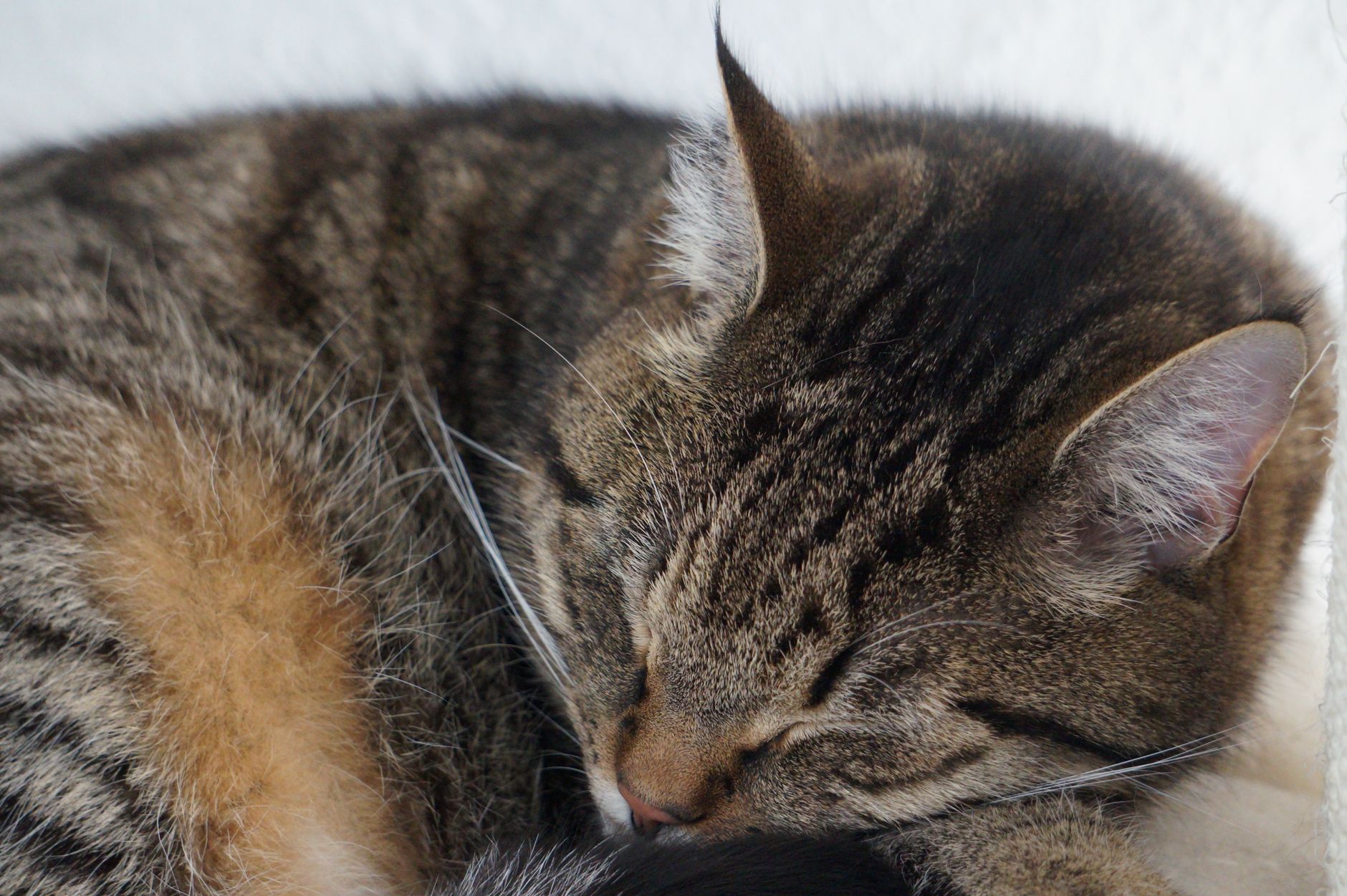
Roscoe, a striped tabby cat currently waiting in a local shelter, represents the thousands of felines who need permanent homes each year. Striped tabbies like Roscoe are among the most common coat patterns found in shelters, yet many potential adopters overlook them in favor of less common breeds, not realizing that shelter cats often make devoted, healthy companions. The shelter environment is temporary housing, and Roscoe requires a family willing to commit to providing stable, long-term care and understanding of what this cat needs to thrive beyond the shelter walls.
Adopting a shelter cat like Roscoe means taking responsibility for an animal whose history may be partially unknown, but whose behavioral and medical assessments have been conducted by shelter staff. Unlike purchasing from a breeder, shelter adoption offers the advantage of adult cats whose personalities are already formed, making it easier to match a cat’s temperament with a household’s lifestyle. Roscoe’s placement at the shelter, whether due to owner surrender, abandonment, or stray rescue, does not reflect his quality as a companion—it reflects his need for someone to give him permanent stability.
Table of Contents
- What You Should Know About Adopting a Striped Shelter Cat
- Understanding Shelter Cat Health and Medical Considerations
- Behavioral Traits and Personality Factors in Shelter Cats
- Preparing Your Home for a Shelter Cat’s Arrival
- Common Challenges and Realistic Expectations for Shelter Cat Adoption
- Building a Long-Term Bond With Your Adopted Shelter Cat
- Long-Term Care and Responsibility for an Adopted Shelter Cat
- Frequently Asked Questions
What You Should Know About Adopting a Striped Shelter Cat
Tabby patterns, which include Roscoe’s stripes, come in several varieties: mackerel (thin stripes), classic (thick swirls), spotted, and ticked. The striped or tabby pattern is the most common coat pattern in domestic cats, appearing in virtually all color combinations. These cats are not a specific breed but rather a coat pattern found across domestic shorthair and longhair populations. Shelter staff can typically identify a tabby’s basic health and behavioral traits, which are important for potential adopters to understand before committing to adoption.
When adopting a cat like Roscoe, expect the shelter to provide information about his age, estimated weight, vaccination history, and any known medical conditions. Many shelters conduct behavioral assessments to gauge a cat’s comfort level with humans, children, and other animals. A cat that has spent time in a shelter may show initial stress, such as hiding, reduced appetite, or cautious behavior—this is normal and typically resolves within days to weeks once the cat settles into a home environment. For example, a cat that appears withdrawn in a shelter cage may become a confident, affectionate companion once given space and routine in a quiet home.
Understanding Shelter Cat Health and Medical Considerations
shelter cats undergo basic health screening, typically including tests for feline leukemia (FeLV) and feline immunodeficiency virus (FIV), though results should be confirmed by your veterinarian after adoption. Vaccinations are usually administered before adoption, but your vet should verify records and establish a baseline health profile. Some shelter cats carry minor infections, parasites, or dental issues that may not be immediately apparent—this is a limitation of shelter assessments that occurs because individual medical evaluation is resource-intensive at scale.
A newly adopted shelter cat should see a veterinarian within the first two weeks to establish a medical baseline and discuss preventive care, nutrition, and any behavioral concerns. Some shelter cats have experienced neglect or inadequate diet, which may manifest as poor coat condition, dental disease, or digestive sensitivity. Unlike kittens raised in homes, adult shelter cats may have gaps in early socialization or health care that require patience and professional guidance to address. It is important not to assume a shelter cat’s full medical history is available—even well-intentioned shelters sometimes lack detailed records for cats brought in as strays or surrendered by owners with incomplete information.
Behavioral Traits and Personality Factors in Shelter Cats
Striped cats, like Roscoe, do not have personality traits determined by their coat pattern—behavior is shaped by individual temperament, early experiences, and current environment. Some shelter cats are highly social and seek human contact immediately, while others are more reserved and require gradual introduction to their new environment. A cat’s behavior in a shelter often differs from behavior in a home setting; a cat that seems fearful in a loud, stimulating shelter environment may relax considerably once placed in a quieter household.
Shelter staff can provide valuable information about a cat’s interaction style, play preferences, and compatibility with other pets or children. When visiting a shelter, spend time observing the cat’s body language: ears forward and relaxed posture indicate comfort, while flattened ears, tail tucking, and hiding suggest stress. A comparison worth noting is that some people adopt young kittens expecting them to grow into specific personalities, while adopting an adult cat like Roscoe eliminates guesswork—the cat’s fundamental temperament is already established, allowing for more accurate matching between cat and home.
Preparing Your Home for a Shelter Cat’s Arrival
Before bringing a shelter cat home, prepare a dedicated space with essentials: a litter box, food and water bowls, scratching post, and hiding spots or elevated perches. Cats transitioning from shelters benefit from a confined, calm space—such as a single room or small area—where they can adjust over several days before being given access to the entire home. This prevents overwhelming a newly adopted cat and allows monitoring of litter box use and appetite.
Stock supplies in advance: litter, food (ask the shelter what the cat has been eating, as sudden diet changes can cause digestive upset), toys, and basic grooming tools. Identify a veterinarian and schedule an appointment before or immediately after adoption. Some adopters expect a newly arrived shelter cat to immediately bond, but realistic expectations involve patience—many cats require weeks to become fully confident and affectionate in their new home. The tradeoff of adopting an adult shelter cat is the absence of the “bonding period” with a kitten, but the advantage is that an adult cat’s independence means less intensive early care and training.
Common Challenges and Realistic Expectations for Shelter Cat Adoption
Some shelter cats exhibit stress-related behaviors in their first home weeks, such as loss of appetite, inappropriate elimination, or excessive vocalization. These behaviors typically are temporary and resolve as the cat adjusts; however, they can be mistaken for behavioral problems or signs of incompatibility. If these issues persist beyond two weeks, consultation with a veterinarian and a cat behaviorist is necessary to rule out medical causes and develop a management plan.
A significant limitation adopters face is the possibility that a shelter cat may require professional behavioral support, which carries costs not always anticipated. Some cats struggle with the transition from shelter to home due to past trauma, inadequate early socialization, or predisposition to anxiety. Unlike returning a cat purchased from a breeder, returning an adopted shelter cat may result in the animal being re-sheltered, which can further damage its prospects for permanent placement. This reality demands that adoptive families commit to working through challenges rather than viewing surrender as an easy option, as it perpetuates the cycle that brought the cat to the shelter in the first place.
Building a Long-Term Bond With Your Adopted Shelter Cat
Establishing routine is crucial for a shelter cat’s adjustment. Regular feeding times, play sessions, and quiet interaction help a cat understand its new environment as predictable and safe. Some shelter cats respond well to interactive play with toys on wands or string, which serves as both enrichment and a bridge to bonding.
For example, a cat that was previously aloof may gradually initiate play or seek affection once confident in its surroundings. Patience is essential; some cats take weeks or even months to show their full personality. Respecting a cat’s boundaries—not forcing interaction when the cat is retreating—actually accelerates bonding by building trust. Providing environmental enrichment such as window perches for bird-watching, puzzle feeders, and climbing structures helps a shelter cat feel engaged and secure in its home.
Long-Term Care and Responsibility for an Adopted Shelter Cat
Adopting Roscoe or any shelter cat means committing to ten to twenty years of care, depending on the cat’s age and health. This includes ongoing veterinary care, preventive treatments for parasites and disease, appropriate nutrition, and mental stimulation. Cats require annual veterinary exams even when healthy, and older cats (over age seven) may benefit from more frequent checkups.
Financial commitment extends beyond food and vet visits to include emergency medical care, which can cost hundreds to thousands of dollars unexpectedly. A shelter cat is not a temporary responsibility or a low-maintenance pet. The decision to adopt should be made with full awareness that circumstances change—job loss, housing restrictions, family illness, or relocation—but the cat’s need for stable care remains constant. Shelters exist partly because previous owners underestimated this commitment or encountered life circumstances that led them to relinquish their animals.
Frequently Asked Questions
How long does it take for a shelter cat to adjust to a new home?
Most shelter cats show significant adjustment within two to four weeks, though full comfort and personality expression may take several months. Some cats adjust in days; others require longer. Patience and consistent routine are key.
What vaccinations should a newly adopted shelter cat receive?
Verify the cat’s vaccination records with the shelter. Typically, cats need FVRCP (feline viral rhinotracheitis, calicivirus, panleukopenia) and rabies vaccines. Your veterinarian will determine if boosters or additional vaccines are needed based on the cat’s age and history.
Can a shelter cat with an unknown history be safely introduced to other pets?
Slow introductions are necessary. Start by keeping the new cat separated from other pets, allowing them to scent each other under doors. Gradual visual contact through a barrier precedes full interaction. Some cats adapt well; others require permanent separation from certain animals.
What if my adopted shelter cat displays behavior problems in my home?
Consult a veterinarian first to rule out medical issues. Many behavioral concerns are related to adjustment, stress, or environment, not personality defects. A cat behaviorist can provide specific guidance for issues like inappropriate elimination or aggression.
Is adopting an adult shelter cat less work than raising a kitten?
Adult cats require less training and supervision but may need time to adjust and may carry unresolved medical or behavioral issues. The comparison depends on the specific cat and the adopter’s experience; neither age group is universally “easier.”
How can I tell if a shelter cat will be a good fit for my household?
Discuss the cat’s known history, temperament, and needs with shelter staff. Observe the cat in person if possible. Consider your home environment, schedule, other pets, and children. Be honest about what you can provide and ask for staff recommendations on compatible cats.