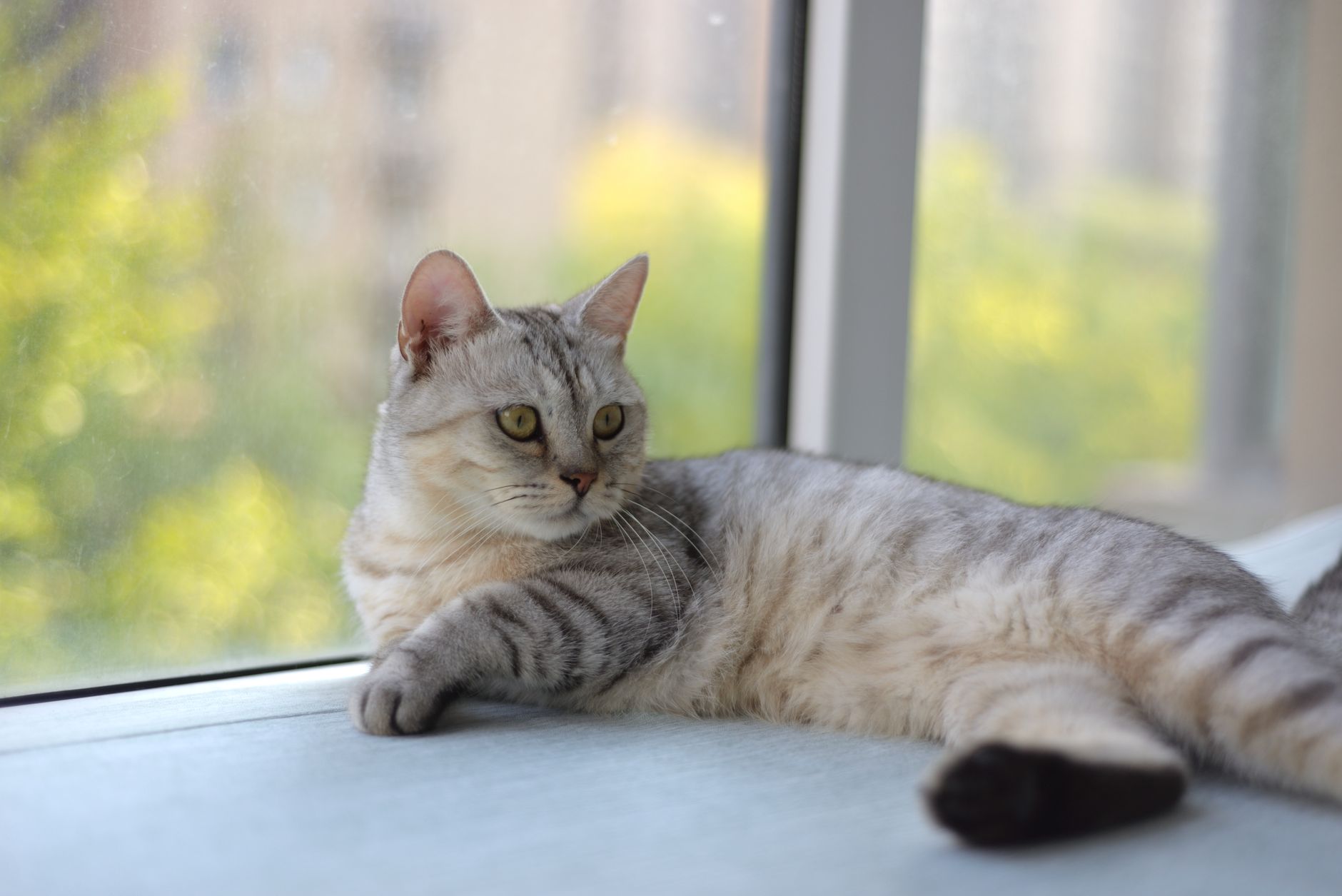
Cat insurance remains highly profitable for industry providers, with companies maintaining low loss ratios that ensure strong margins even as they expand coverage options. Trupanion, one of the leading providers, generated over $150 million in discretionary profit in 2025 alone, achieving its 15% annual margin target while the broader market continues to expand rapidly. The profitability persists despite—and partly because of—significant innovations in what coverage providers now offer, from alternative therapies to personalized plans tailored to individual cats’ breed, age, and medical history.
The market dynamics supporting this profitability are straightforward: cat ownership has exploded, creating unprecedented demand for insurance products. From 2023 to 2024, the number of U.S. households with cats jumped from 40 million to 49 million, a 23% year-over-year surge that has given providers more customers to underwrite while their risk models remain sound. Cats now represent 23.5% of all insured pets in the United States, cementing their place as a significant revenue segment alongside dogs in an industry that reached $5.3 billion in 2025.
Table of Contents
- How Profitability Metrics Drive Coverage Expansion in Cat Insurance
- The Cat Ownership Boom Driving Insurance Demand and Profitability
- Innovation in Coverage Options as a Profitability Engine
- Understanding What Cat Owners Pay and Why the Pricing Model Works
- Coverage Gaps and Limitations That Protect Margins
- Market Consolidation and New Entrants Reshaping Competitive Dynamics
- What Cats’ Growing Market Share Means for the Future of Pet Insurance
- Frequently Asked Questions
How Profitability Metrics Drive Coverage Expansion in Cat Insurance
The ability of cat insurance providers to remain profitable even while innovating their coverage options stems from their disciplined approach to loss ratios. In insurance, the loss ratio represents the percentage of collected premiums that a company pays out in claims. The industry’s relatively low loss ratios indicate that providers are collecting more in premiums than they’re paying in claims, which is precisely what enables them to reinvest profits into product development and market expansion. Trupanion’s financial performance illustrates this dynamic: in Q1 2026 alone, the company reported total revenue of $384 million, a 12% increase from the prior year, while maintaining net income of $4.9 million even during a period of significant business growth.
This profitability creates a virtuous cycle. With strong margins, companies can afford to introduce new coverage options, waive waiting periods on certain conditions, and expand into new geographic markets—all moves designed to attract more customers without sacrificing profitability. Progressive pet Insurance’s entry into the market in 2026, now operating in 43 states and Washington D.C. with plans to expand nationwide, exemplifies how new competitors are willing to enter a market they know is profitable. The fact that established players can accommodate new entrants while maintaining margins suggests the market has substantial room for growth, and insurers understand that capturing growth market share is worth the competitive investment.
The Cat Ownership Boom Driving Insurance Demand and Profitability
The explosive growth in cat ownership over the past few years provides the foundational demand that enables profitability across the industry. The 23% year-over-year jump in U.S. cat-owning households between 2023 and 2024 wasn’t a one-time blip—it reflects a structural shift in pet ownership patterns, particularly post-pandemic. This surge in cat ownership directly translates to the insurance industry’s expansion, as more households seek financial protection against unexpected veterinary costs.
The numbers underscore the opportunity: the global pet insurance market was valued at $14.2 billion in 2025 and is expected to reach $15.9 billion in 2026, with growth expected to accelerate to $46.8 billion by 2035 at a compound annual growth rate of 12.8%. North America alone is projected to hold 46% of the global market in 2026, making it the dominant region for cat insurance innovation and profitability. However, this growth also means competition is intensifying, and not all providers will maintain the same profit margins as market share becomes more distributed among competitors. Early movers like Trupanion have built substantial margins—the company has accumulated over $500 million in discretionary profit since 2021 at a 22% compound annual growth rate—but newer entrants may operate on tighter margins initially to gain market share.
Innovation in Coverage Options as a Profitability Engine
Providers are innovating coverage in ways that appeal to cat owners while maintaining healthy margins, and these innovations often come without the cost structures that providers might have anticipated. Alternative therapies such as acupuncture, chiropractic care, hydrotherapy, and cold laser therapy were once offered only as add-ons that required higher premiums. Today, many providers include these treatments in standard policies or as optional wellness riders, expanding the perceived value without necessarily requiring proportional increases to base premiums. This packaging strategy appeals to cat owners who want comprehensive coverage but doesn’t necessarily erode profitability because the claims frequency for these therapies remains relatively low compared to traditional veterinary care.
Wellness riders represent another significant innovation that supports both customer satisfaction and insurer profitability. These optional add-ons cover preventive care including routine exams, vaccinations, and dental cleanings—services that many cat owners view as essential but might not pursue if uninsured. By offering these as riders, providers create additional revenue streams from policyholders while simultaneously reducing long-term claims costs through earlier disease detection and prevention. Some providers have also taken steps to reduce friction in the purchase process; for example, Pumpkin waives the standard 14-day waiting period for congenital conditions detected after enrollment, making the product more attractive to owners of older or higher-risk cats without necessarily increasing claims costs if the underwriting is sound.
Understanding What Cat Owners Pay and Why the Pricing Model Works
The average cat insurance premium in the U.S. is approximately $354 annually, or about $29.50 per month, a price point that captures meaningful value for cat owners while remaining highly profitable for insurers. At this price, a cat owner is essentially betting that their cat will require at least $354 in veterinary care within a year, excluding their deductible and coinsurance. For cat owners who have experienced emergency veterinary bills—a blocked urinary tract, a fractured bone, or a chronic illness—this premium is attractive insurance against financial ruin. For insurers, this pricing allows them to maintain substantial margins while building large customer bases.
The profitability of this model depends partly on demographic differences in risk. Insurers use personalized plans that adjust coverage based on breed, age, and medical history, allowing them to charge appropriately higher premiums to higher-risk cats while keeping premiums lower for younger, healthier cats. A 2-year-old Siamese cat with no prior health issues might pay $20 per month, while an 8-year-old Maine Coon with a history of kidney problems might pay $50 per month. This risk segmentation is crucial to profitability because it prevents adverse selection—the problem that would arise if all cats paid the same premium regardless of risk. Without proper risk segmentation, unhealthy cats would disproportionately purchase insurance, and the loss ratio would climb unsustainably.
Coverage Gaps and Limitations That Protect Margins
Despite the innovation in coverage options, significant limitations remain in cat insurance policies that protect insurers’ margins while also leaving cat owners exposed to certain costs. Pre-existing conditions are almost universally excluded from coverage, meaning a cat diagnosed with diabetes before insurance enrollment will never be covered for diabetes treatment under that policy. This exclusion is critical to insurer profitability because it prevents high-cost chronic conditions from entering the insurance pool after diagnosis, but it also means cat owners who adopt older cats or who delay insurance enrollment may find themselves unable to insure against their cat’s most likely health risks.
Waiting periods also remain standard in the industry, though they vary by provider and condition type. Most policies include a 14-day waiting period for illnesses and a longer period (often 6 months to a year) for orthopedic or congenital conditions, creating a window during which newly enrolled cats are exposed to specific risks. Additionally, many providers exclude certain conditions entirely—some do not cover hereditary conditions in certain breeds, and coverage for behavioral issues is typically unavailable. These gaps mean that cat owners cannot rely entirely on insurance for all medical needs, and they also allow insurers to reduce tail risk, contributing to the low loss ratios that drive profitability.
Market Consolidation and New Entrants Reshaping Competitive Dynamics
The entry of Progressive Pet Insurance into the market in 2026, with plans to expand from 43 states and Washington D.C. nationwide, signals both confidence in the market’s profitability and the increasing competitive pressure on established players.
Progressive’s entry with Accident and Illness plans plus optional Wellness endorsements mirrors the innovation strategy already employed by competitors like Trupanion and Pumpkin, suggesting that the core innovations—personalized coverage, wellness riders, reduced waiting periods—are becoming table stakes in the market rather than differentiation points. Despite this competition, the projections suggest that the market remains large enough for multiple profitable players, with the pet insurance industry projected to grow at a compound annual growth rate of 15.7% during 2025-2030.
What Cats’ Growing Market Share Means for the Future of Pet Insurance
Cats represent 23.5% of insured pets in the United States, a figure that reflects both strong demand for cat insurance and the historical dominance of dog insurance, which still accounts for the majority of pet insurance policies. This distribution matters because cat health issues differ significantly from dog health issues—cats are more prone to urinary tract issues, kidney disease, and behavioral problems related to indoor living, while dogs experience higher rates of orthopedic problems and injuries from outdoor activity.
As cat insurance gains share, providers are building specialized expertise and data in feline-specific risks, allowing them to refine their pricing models and coverage offerings to match the specific medical realities of cats. Trupanion’s 2025 results, demonstrating the ability to generate $150 million in discretionary profit while maintaining a 15% margin target, show that the company has successfully navigated this dynamic and built profitable operations specifically around pet insurance, including its growing cat segment.
- —
Frequently Asked Questions
Is cat insurance worth the cost at $354 per year?
For many cat owners, the answer depends on their risk tolerance and financial situation. The average premium of $354 annually makes sense if your cat requires more than that in veterinary care over the year, factoring in your deductible and coinsurance. Cat owners with older cats, outdoor cats, or cats with genetic breed predispositions to certain conditions often find insurance valuable; others may self-insure by maintaining an emergency fund.
What conditions are typically excluded from cat insurance?
Pre-existing conditions are nearly universally excluded, and waiting periods apply to illnesses (typically 14 days) and orthopedic or congenital conditions (6 months to a year). Many policies also exclude hereditary breed-specific conditions, behavioral issues, and some chronic illnesses depending on the provider. These exclusions are how insurers maintain profitability while keeping premiums affordable.
Can I get cat insurance for an older cat?
Yes, most providers will insure cats at any age, but premiums increase significantly with age and any pre-existing conditions documented in medical records will be permanently excluded. A personalized plan that adjusts coverage by age and medical history ensures insurers can price risk appropriately.
What are wellness riders and are they worth adding?
Wellness riders are optional add-ons that cover preventive care including routine exams, vaccinations, and dental cleanings. They make sense for cat owners who plan routine preventive care anyway and want predictable costs, though they add to the monthly premium and only pay for services already budgeted in many cases.
Why are alternative therapies like acupuncture now included in standard plans?
Providers are including acupuncture, chiropractic care, and other alternative therapies in standard or optional plans because these services generate demand among cat owners seeking holistic care options. Since claims frequency for these therapies is relatively low, adding them increases perceived value without substantially eroding margins.
How do insurers maintain 15%+ profit margins in a competitive market?
Insurers maintain profitability through low loss ratios, risk segmentation that charges higher premiums to higher-risk cats, exclusions for pre-existing conditions and certain risks, and economies of scale. As cat ownership grows and companies insure millions of cats, even a modest profit margin per policy multiplies into substantial absolute profit. —